The Ultimate 7-Day Fjord Road-trip in Norway
Here’s my itinerary for the perfect seven-day Norwegian fjord road-trip.

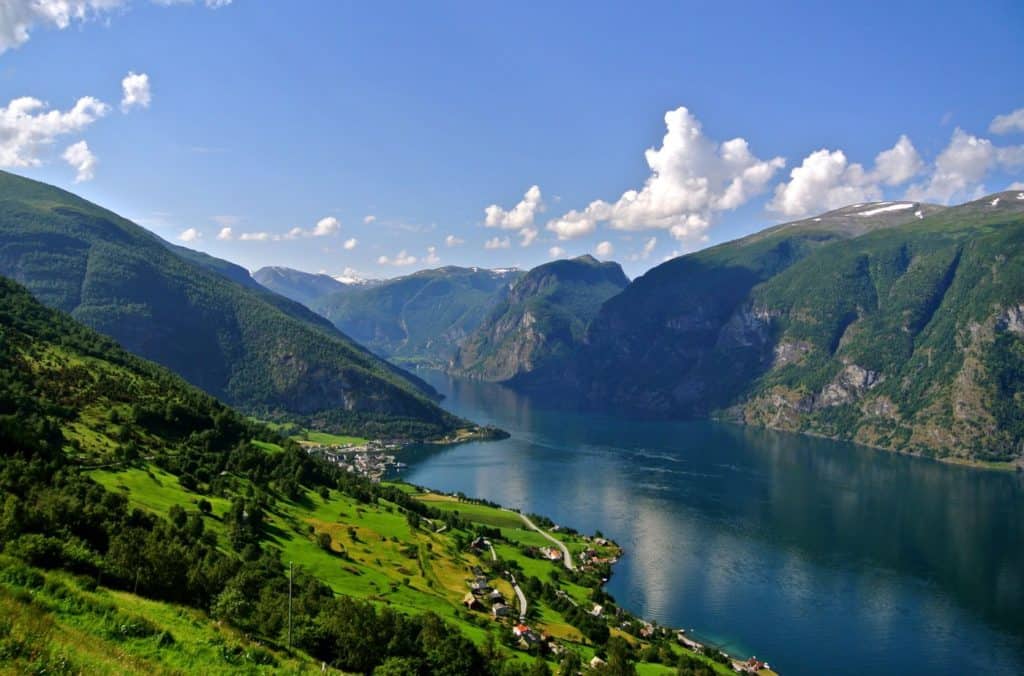
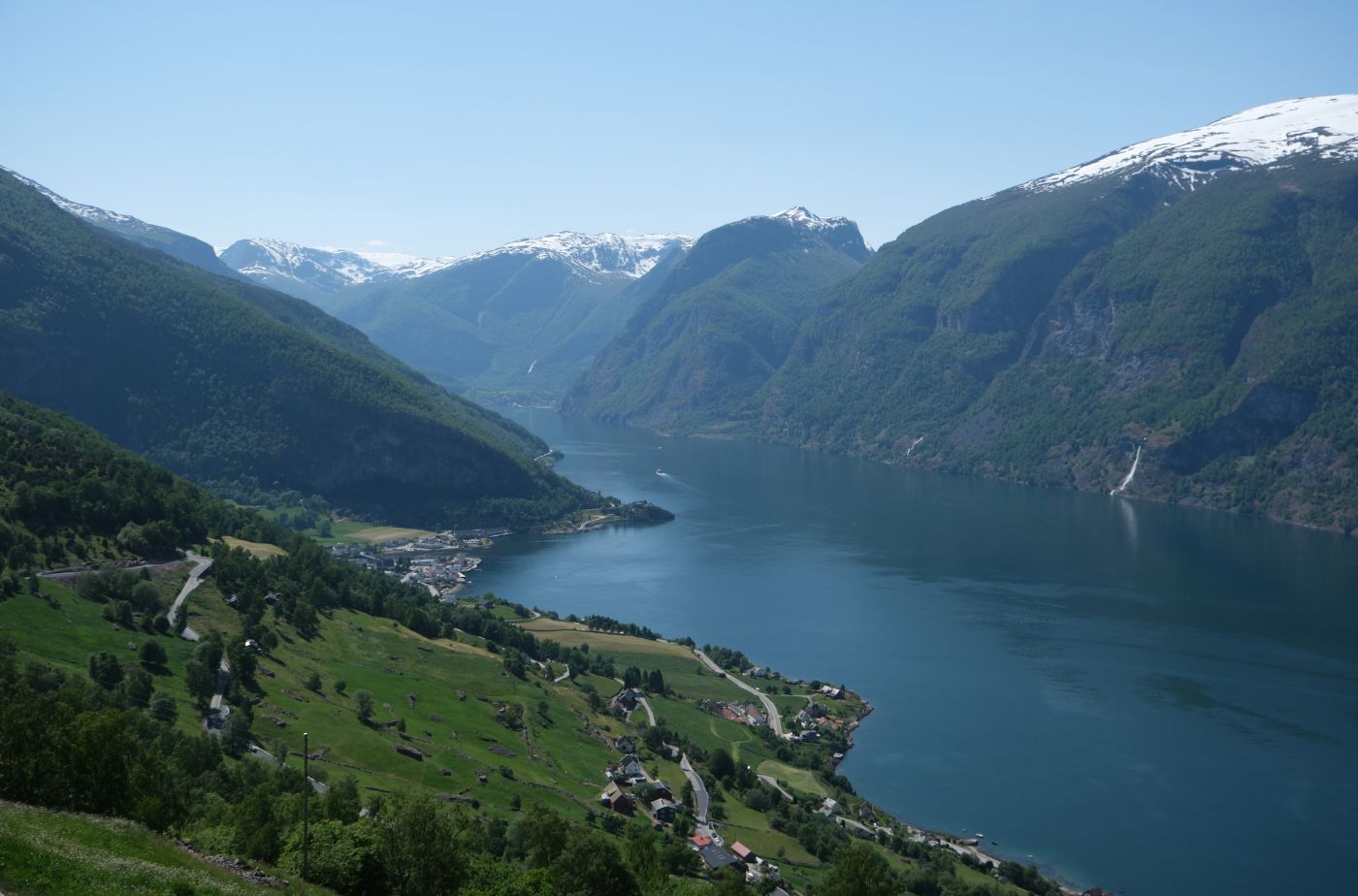
Located on the Aurlandsfjord, Aurland is the perfect little village if you want to get away from the crowds of Flåm. It has historic wooden buildings, a historic church, hikes, cafes, and is close to some highlights of the region. The hotels here get less crowded than Flåm, too, and Flåm is only a 10 minute drive away!
Latitude: 60.5 degrees north
Population: 1,766
Hottest Month: July
Coldest Month: January
Wettest Month: November
Windiest Month: January
Annual Precipitation: 588.3mm
Aurland Municipality
Here are some things that you must try in Aurland
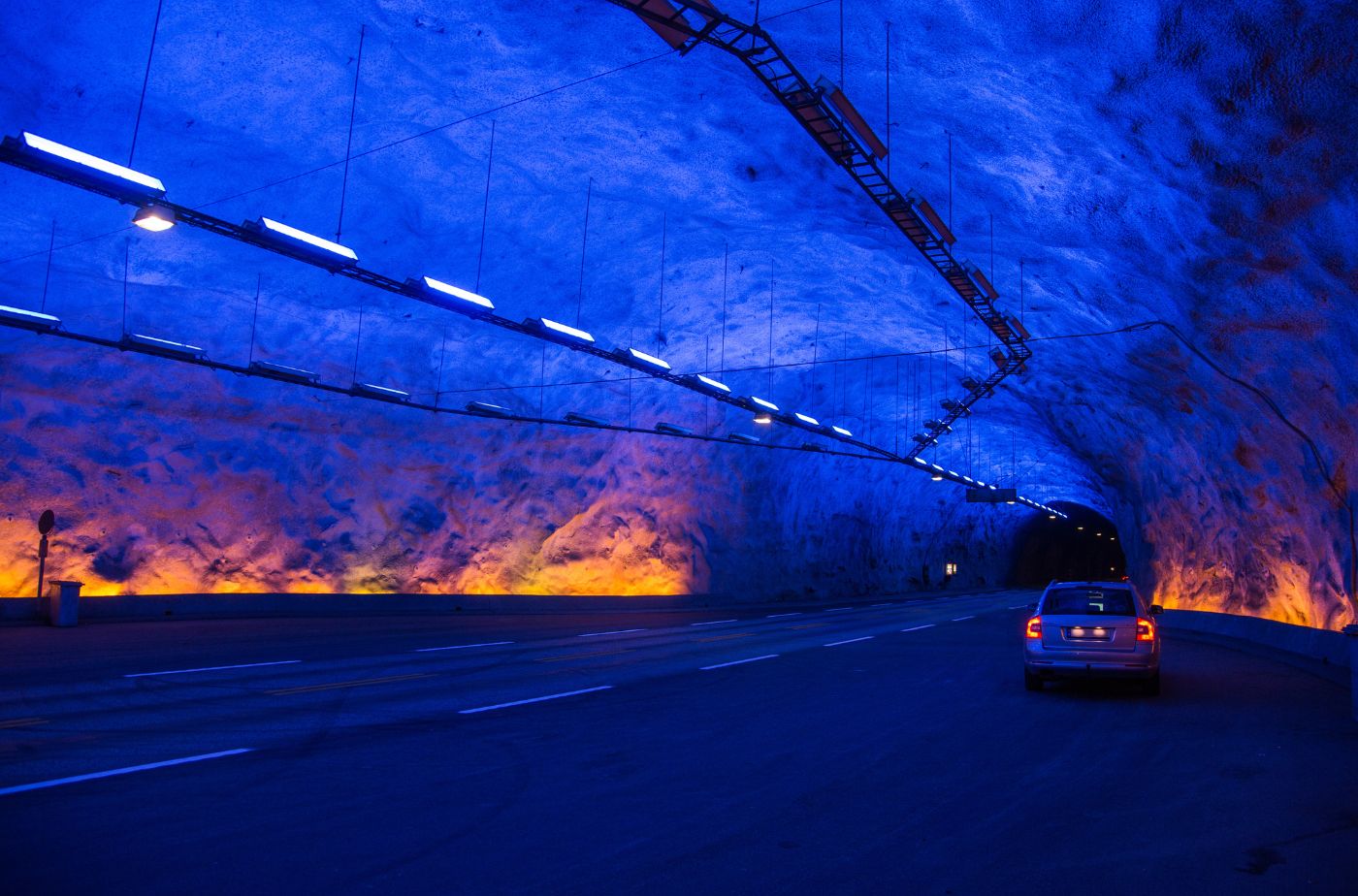
I don’t know how exciting you’d consider this experience, but just out of Aurland is the world’s longest road tunnel, the Laerdal Tunnel.
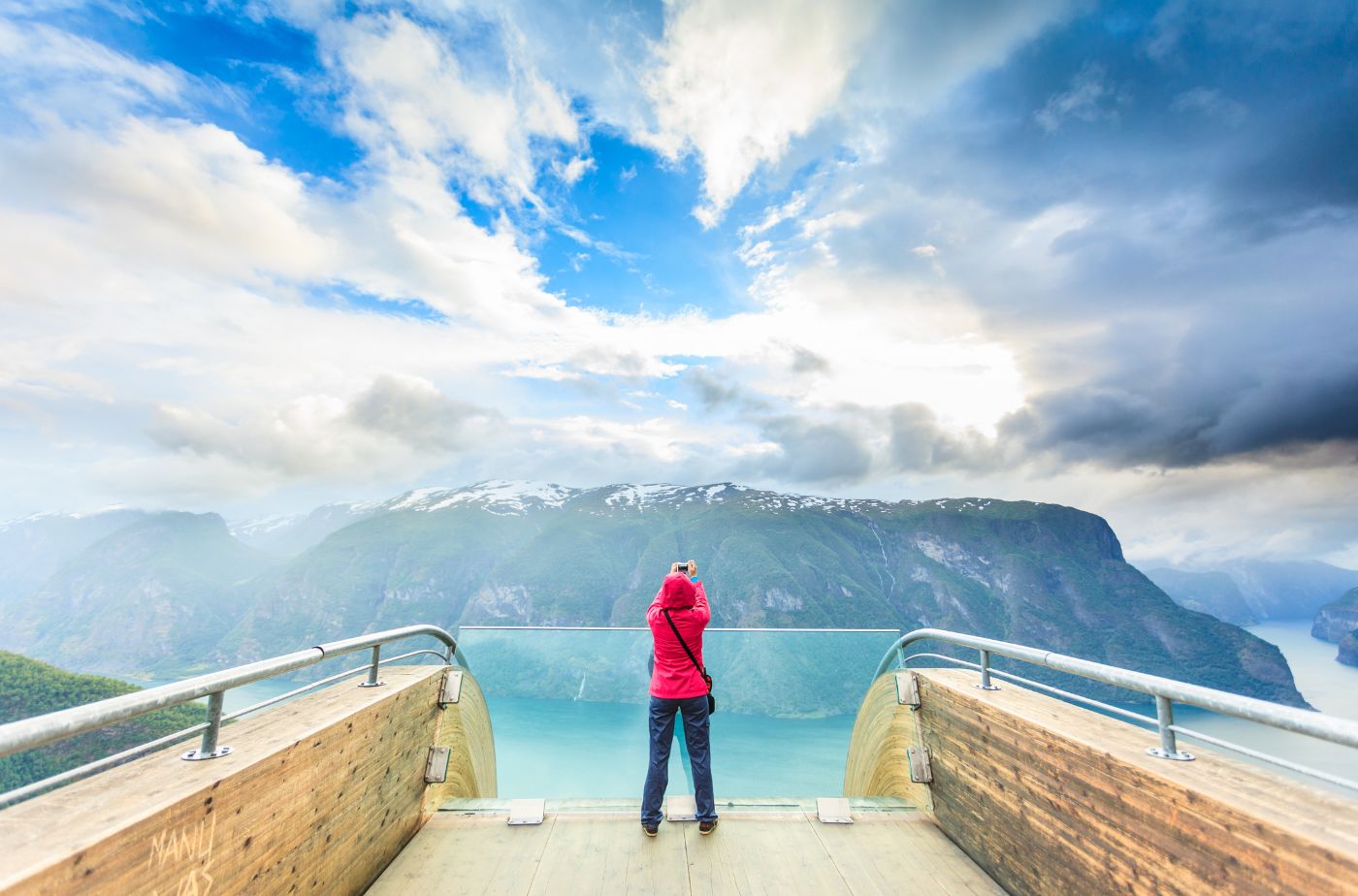
Visit the award-winning viewing platform perched 650 m above the fjord. This striking timber-and-glass structure offers a dizzying, panoramic outlook over the Aurlandsfjord and mountains – an absolute must-see, especially on clear days for photos. (Even the ultra-modern cliffside toilets here have won design awards!) Go by car or join a tour bus from Aurland/Flåm, or for the fit, hike up the steep trail from the village. Early mornings are best to beat the crowds and catch tranquil views.
The Aurland Shoe is better known as the original Pennyloafer abroad. It was invented in this tiny village in the 1930s!
Shoemaking in Aurland goes back to the 1880s, when it’s believed the English tourists influenced the growth of the industry. They needed help repairing their shoes, and the people in Aurland were happy to do it.
The early version of the Aurland shoe is likely from 1908, when Nils Tveranger came to Aurland after learning the shoemaking professon in America. He developed the first edition of the Aurland shoe. In the 1930s, Nils developed the Aurlands moccasin, which later became the Aurland shoe. It was highly sought after in the decades after World War II and was exported to the United Kingdom, Canada, and the United States.
Today the shoes are still made in the traditional way, and the factory is open to visitors. People know that the Aurland shoe was the original penny loafer.
Here’s an overview of some of the best things to see and do in Aurland.
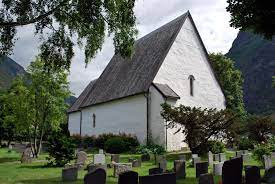
The church was built in 1202 in the early Gothic style and is influenced by English architecture. A document from 1714 says that English merchants used to stay in Aurland during long periods to buy different articles and they probably took part in building the church. In 1725, the Danish-Norwegian government was experiencing financial problems and the church was sold into private hands. It was private property until the late 19th century.
In the centre of Aurland there’s an old house called Aabelheim. It’s named after the minister who lived there in the 1830s. The garden surrounding the house is lovely, but if you want to see it you have to visit Vangsgaarden Gastropub as they own the buildings.
Between Aurland and Flåm lies Otternes, a cluster of 18th-century farm buildings overlooking the fjord. It’s an open-air museum farm where you can envision traditional fjord farm life. Wander among the weathered timber houses and barns; in summer there are sometimes demonstrations of butter churning or crafts. The view from Otternes is fantastic – emerald fields above, deep blue water below. It’s accessible by a short drive or hike from Flåm and makes a peaceful picnic stop with a dose of history.
Looking to go for a hike or take part in a unique experience? Here are our recommendations!
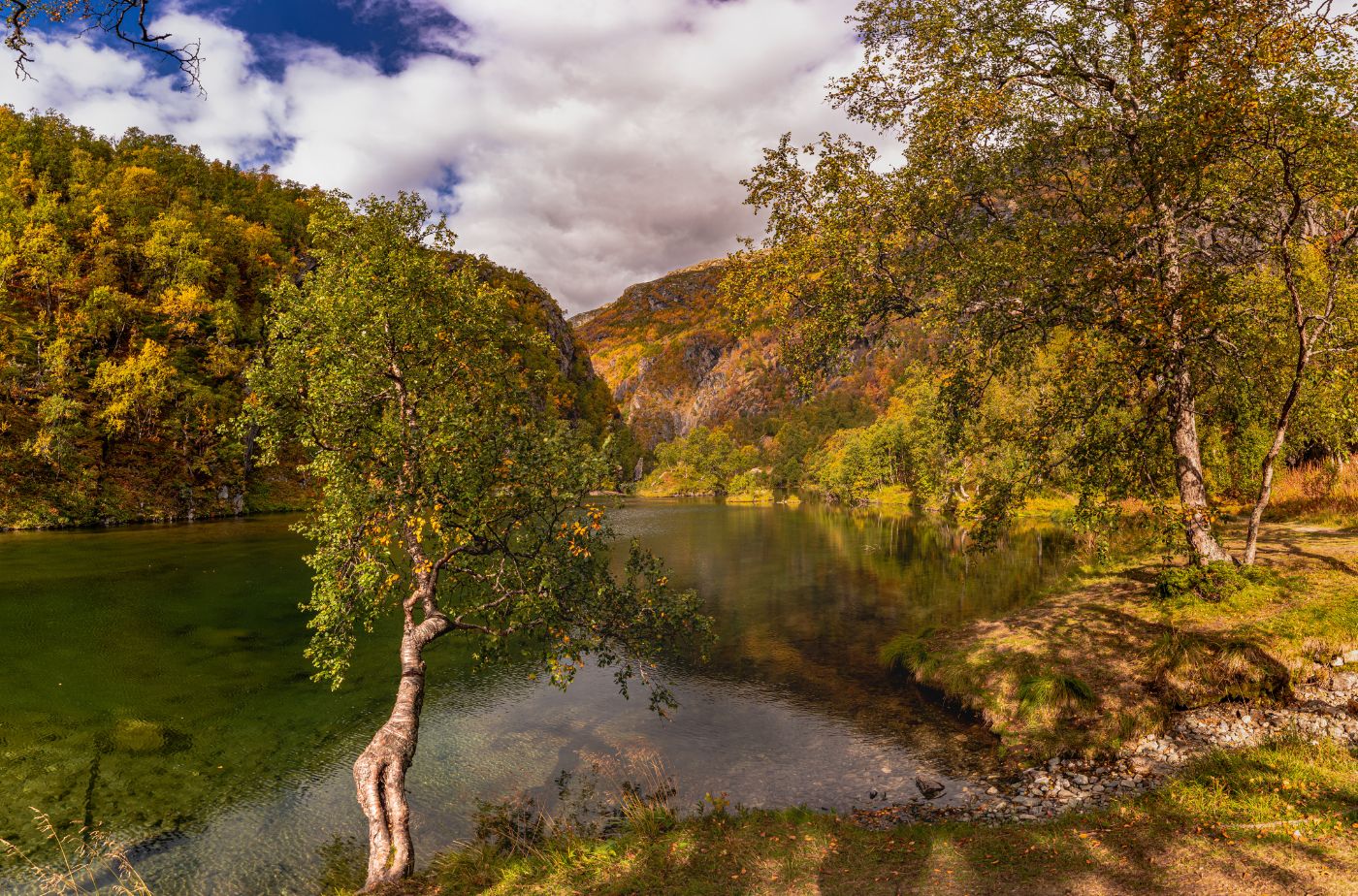
he flagship trek is the Aurlandsdalen, often called “Norway’s Grand Canyon.” This one-way trail runs ~20 km from Østerbø (in the highlands) down to Vassbygdi, descending through an untouched valley. It’s a moderately challenging hike taking 6–8 hours, traversing lush forests, roaring waterfalls, narrow gorges and old summer farms. Highlights include the dramatic Vetlahelvete (“Little Hell”) gorge and teetering stone bridges over foaming rivers. Historically, this valley was a travel route between east and west, so you’re literally walking in the footsteps of farmers and traders of old. Fit hikers can tackle it in one long day; others break it into two days with an overnight at Østerbø Fjellstove (mountain lodge). The best time is June–September once snow has melted. A summer “hiking bus” can drop you at the trailhead and pick up at the end, making logistics easy. This hike is a must for experienced walkers seeking wild scenery and a dose of history.
For one of the most breathtaking fjord views anywhere, hike to the summit of Prest. The trailhead is partway up the Aurlandsfjellet road. It’s a moderately strenuous hike – about 6 km round-trip, with 600 m elevation gain – but the payoff is huge. At 1,478 m above sea level, the top of Prest provides a jaw-dropping panoramic view straight down Aurlandsfjord, including Flåm and Aurland far below. You feel as if you’re on top of the fjords. The path is well-trodden but steep in parts (proper boots recommended). Many hikers do this in summer when the route is clear; in early spring or late autumn, check conditions for snow/ice. Time your hike for sunrise or sunset if you can – the golden light on the fjord is pure magic.
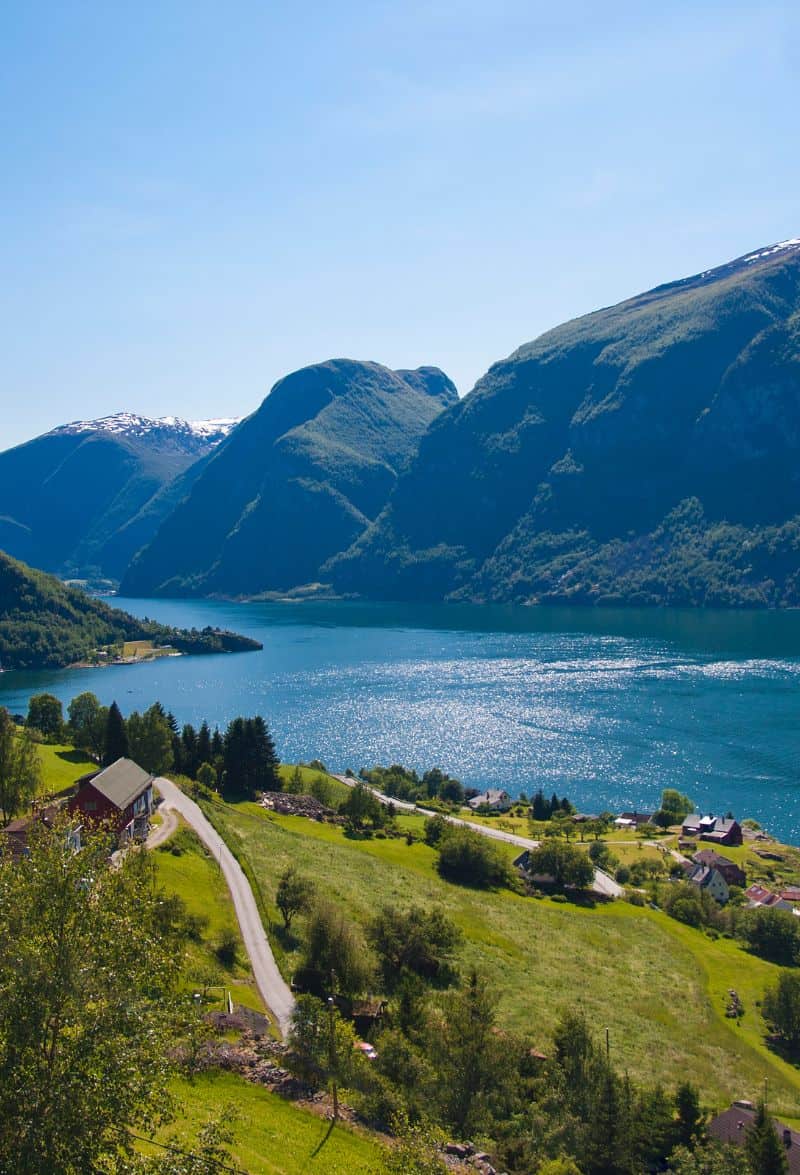
The Aurlandsfjord (a branch of the Sognefjord) is the centrepiece of the region, and boat tours let you fully appreciate its grandeur. Take a cruise or ferry through Aurlandsfjord into the Nærøyfjord – a UNESCO World Heritage-listed fjord since 2005.
You’ll glide past towering cliffs, cascading waterfalls and tiny villages clinging to the shores. An eco-friendly option is the “Vision of the Fjords” hybrid-electric ferry, offering a quiet, scenic journey from Flåm with panoramic decks. Year-round fjord cruises operate (with reduced schedules in winter), making this a highlight in any season.
The cruise starts in Flåm, but it is possible to request pick-up in Aurland.
Follow our road-trip guides for scenic trips around Aurland.
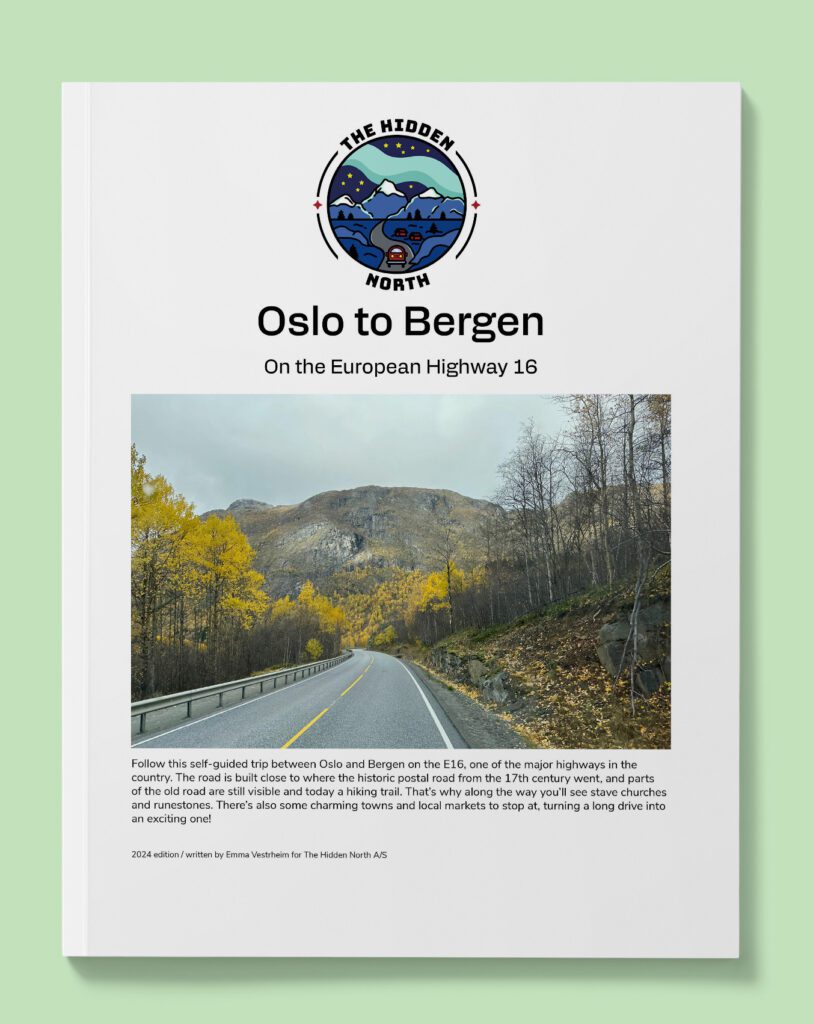
Follow this self-guided trip between Oslo and Bergen on the E16, one of the major highways in the country. The road is built close to where the historic postal road from the 17th century went, and parts of the old road are still visible and today a hiking trail. That’s why along the way you’ll see stave churches and runestones. There’s also some charming towns and local markets to stop at, turning a long drive into an exciting one!
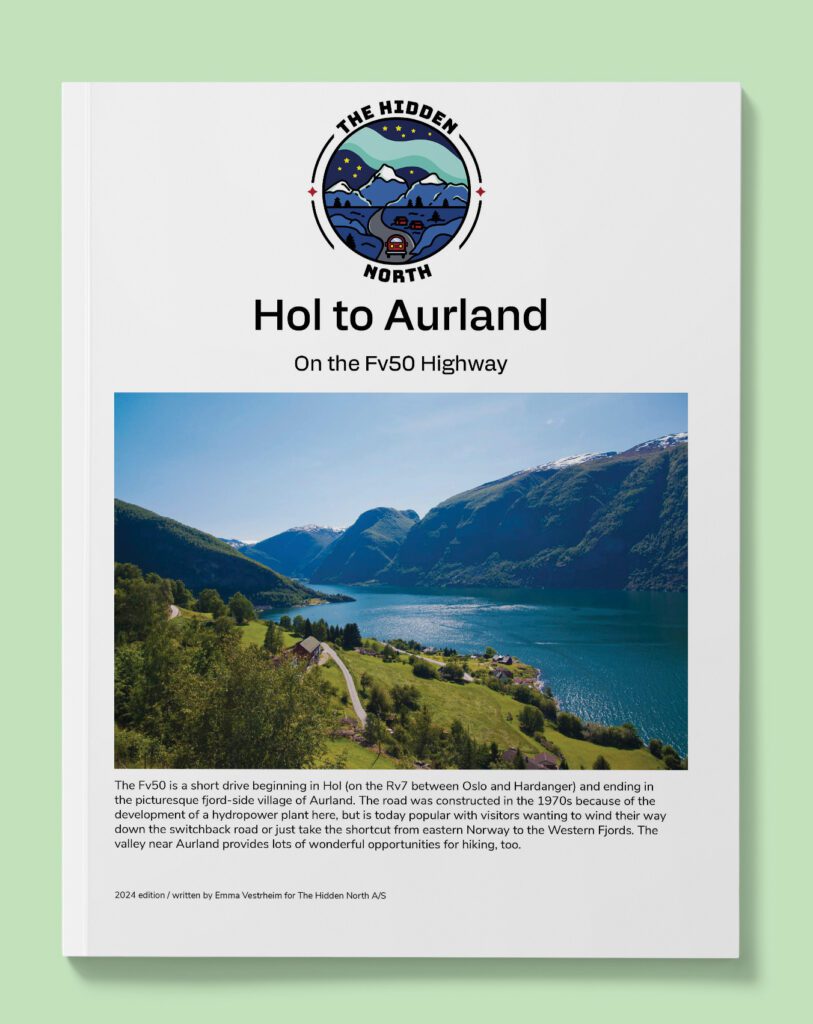
This is a short drive, but the scenery here is incredible. You will cross the mountains before descending down the Aurland Valley – a famous hiking area.
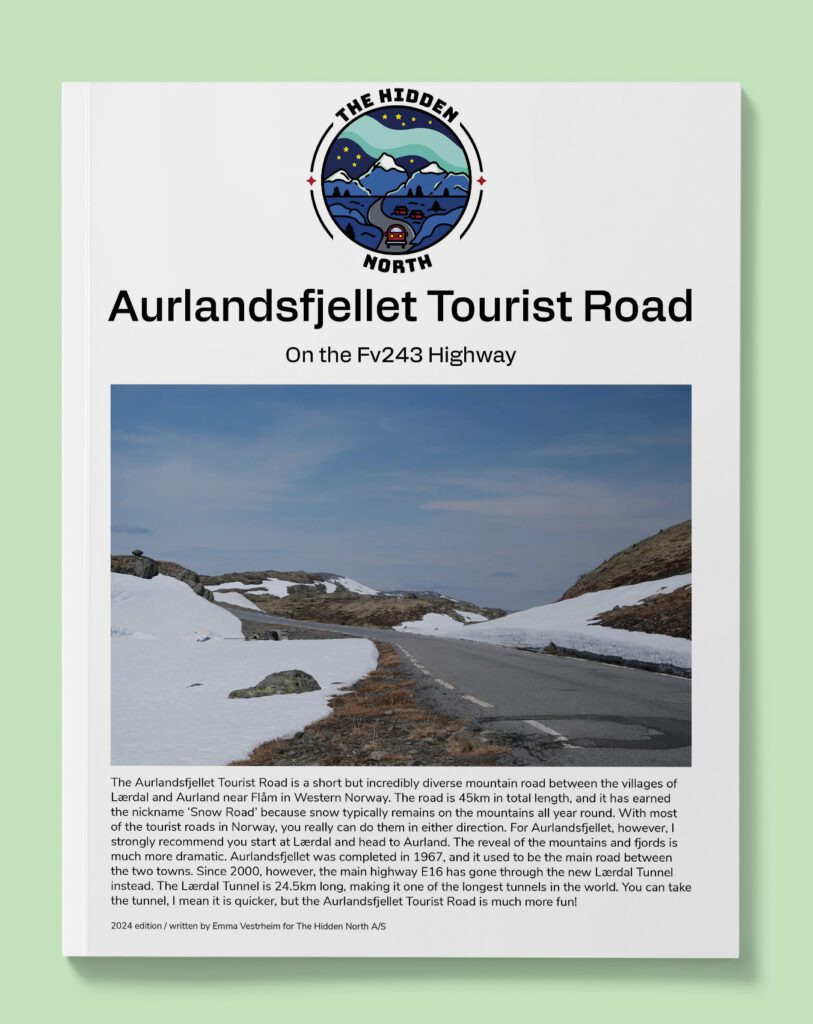
The Aurlandsfjellet Tourist Road is a short but incredibly diverse mountain road between the villages of Lærdal and Aurland near Flåm in Western Norway. The road is 45km in total length, and it has earned the nickname ‘Snow Road’ because snow typically remains on the mountains all year round. With most of the tourist roads in Norway, you really can do them in either direction. For Aurlandsfjellet, however, I strongly recommend you start at Lærdal and head to Aurland. The reveal of the mountains and fjords is much more dramatic. Aurlandsfjellet was completed in 1967, and it used to be the main road between the two towns. Since 2000, however, the main highway E16 has gone through the new Lærdal Tunnel instead. The Lærdal Tunnel is 24.5km long, making it one of the longest tunnels in the world. You can take the tunnel, I mean it is quicker, but the Aurlandsfjellet Tourist Road is much more fun!
We currently do not have any self-guided walks available in Aurland.
Watch our YouTube videos featuring Aurland.
Join us on the rive from Oslo to Aurland via the Hallingdal Valley and Borgund Stave Church.
This is an old video we did of the Aurlandsfjellet Tourist Road.
Aurland’s name comes from Old Norse, likely meaning “land of the water (river)”. The area has been populated since at least Viking times (around the first millennium AD). Archaeological finds indicate farms and burial mounds dotted the valleys. The earliest inhabitants sustained themselves by hunting and fishing, gradually taking up farming about 2,000 years ago as the valley floors proved fertile. Isolated by mountains and fjord, communities here were small and tight-knit. Norse sagas mention the Sogn region (which Aurland is part of), suggesting Viking chieftains controlled these fjords and used them as waterways for travel and trade.
Farming became the backbone of life in Aurland. For centuries, families eked out a living on narrow strips of land along the fjord and high mountain summer farms (støls). Goats and sheep were (and still are) important, giving milk for the famous brown goat cheese. The abundant mountain pastures made Aurland known for high-quality livestock. By the 1800s, however, land was scarce and farms could not support the growing population. Like much of Western Norway, Aurland saw a wave of emigration in the mid-19th century – over a thousand locals left for America in just a couple of decades, seeking better fortunes. Those who remained continued farming in traditional ways; even today you’ll notice old stone fences and terraced fields, reminders of those hard-working generations.
Aurland was discovered by foreign tourists surprisingly early. In the mid-1800s, wealthy English sportsmen began travelling here for salmon fishing and hunting – the start of Norway’s tourism era. They found the rivers teeming and the scenery sublime. You’ll still find traces: some mountain huts, pools, and peaks have English names given by those adventurers. Later in the 19th century, interest shifted from sport to scenery. Cruise ships and steamers started entering Nærøyfjord, with up to three or four at a time anchoring near Gudvangen. Victorian-era tourists would disembark and take horse-drawn carriages up the winding road toward Stalheim (just outside Aurland) to see the spectacular valley views. The need to transport these visitors created local jobs – many Aurlanders became guides, hoteliers, or carriage drivers, laying the groundwork for today’s tourism economy.
The early 1900s brought infrastructure that changed Aurland forever. Most significant was the Flåm Railway, constructed between 1923 and 1940 to link the isolated Flåm valley to the main Oslo–Bergen rail line. Its completion was an engineering marvel – 20 tunnels and a descent gradient of 5.5% – and suddenly Aurland had reliable connection to the outside world. Around the same time, roads improved. By mid-century, roads connected Aurland to Lærdal over the high Aurlandsfjellet (though only in summer, as it closed in winter snows). Car ferries on the Sognefjord became routine. In 1967, the opening of the Kvandal Tunnel eased travel to Gudvangen. The local economy through these years remained a mix of farming and steadily growing tourism – Fretheim Hotel in Flåm, for example, expanded to serve train and cruise passengers, and camping sites sprouted to accommodate the new car tourists of the 1950s–60s.
In 2000, Aurland garnered world attention with the opening of the Lærdal Tunnel, the world’s longest road tunnel (24.5 km) linking Aurland directly to Lærdal and the east. Suddenly, year-round road access (with no mountain pass) was possible, revolutionising transport. The tunnel features unique blue-lit caverns to break monotony and is an attraction in itself for many drivers. Meanwhile, in 2005, the West Norwegian Fjords – including Nærøyfjord/Aurlandsfjord – were inscribed as a UNESCO World Heritage Site for their exceptional natural beauty.
This honour recognised the scenery and the intact cultural landscape (farms, seasonal grazing, etc.) preserved in these fjords. Tourism boomed further in the 2000s with Flåm becoming a major cruise port and “Norway in a Nutshell” tours putting Aurland on countless itineraries. Through it all, Aurland has balanced progress with preservation. The 21st century saw new attractions like the Stegastein Viewpoint (opened 2006) and innovative electric ferries, alongside support for heritage sites like the Aurland shoe factory (the oldest shoe workshop in Norway still in operation). Today’s Aurland is proud of its past – from Viking roots to industrial feats – and locals are keen to share those stories with visitors.
Today Aurland is the administrative centre for the region.
Tourism is the dominant industry now – many residents work in hotels, as guides, on the Flåm Railway, or running cafés and shops. In Flåm, cruise ship days see locals staffing the visitor centre, running boat tours, or driving buses up to Stegastein. However, traditional livelihoods hold strong too. Farming persists on a small scale: you’ll see hillside farms with sheep and goats, and hear the occasional tractor. Notably, Aurland hosts Sogn Jord- og Hagebruksskule, Norway’s only fully organic agricultural college. This school attracts students from across the country to learn organic farming, cheese-making and sustainable practices. The school’s organic farm shop sells local produce year-round (vegetables, meats, even organic textiles) and is a hub for the community interested in farm-to-table living. Fishing is mostly recreational now (the Aurlandselvi river is prized for fly-fishing salmon), but historically it supplemented incomes. A small number of locals commute to jobs in the region (administration in Lærdal or industry in Vik/Voss), but many have entrepreneurial side businesses – from crafting outdoor gear to tech startups, showing the resourcefulness of a small town.
Fly:The nearest airport is a small regional one at Sogndal, about 1.5 hours drive from Aurland. Widerøe airlines has flights from Oslo and Bergen to Sogndal. However, most international travelers will use Bergen Airport (BGO) or Oslo Airport (OSL) and then take ground transport. Bergen Airport to Aurland is ~3.5h by car, or you can train/bus it in roughly 4.5h. Oslo Airport to Aurland is 6–7h by train or car.
Drive:Many visitors drive, which offers the most flexibility. From Oslo, Aurland is about 5–6 hours (via Hemsedal or via Filefjell – both scenic mountain routes). From Bergen, it’s roughly 3.5 hours (167 km) – you’d take the E16 which includes the Lærdal Tunnel, popping you out right in Aurland. The E16 is all-weather and open year-round, so winter driving is fine if your car has proper winter tyres and you’re comfortable with snowy conditions. The alternative summer route is the Aurlandsfjellet National Tourist Road (Snow Road) between Aurland and Lærdal – a spectacular 47 km mountain road reaching 1300 m altitude with snowbanks even in July. It’s only open late May to Oct (closed in winter). If you drive it, you can stop at viewpoints like Stegastein (halfway up) and the summit lookout. Within Aurland area, having a car lets you easily visit places like Undredal (a narrow road spur) or reach trailheads. Parking in Aurland and Flåm is generally ample (small fee in peak season lots). Do be prepared for many tunnels (Norway loves tunnels) and some hairpin bends on older roads. But overall, driving here is safe and straightforward, just keep to speeds and mind wandering sheep on rural roads!
Bus: Long-distance buses connect Aurland/Flåm with other cities. Nor-Way Bussekspress runs an express bus from Oslo to Sogn og Fjordane, passing through Aurland/Flåm (route NX450, usually). There’s also an express bus from Bergen to Sogndal that stops at Flåm. These buses are comfortable, with toilets and Wi-Fi typically. They are usually timed in summer to align with the ferry and train schedules. Check entur.no for routes (the Norwegian journey planner) or the Visit Sognefjord site. Locally, there are buses that go between Flåm and Aurland village (about 10 min ride), and from Flåm to Gudvangen. In summer, shuttle buses for tourists run like the Stegastein Bus from Flåm/Aurland up to Stegastein viewpoint on a schedule, and a “hiking bus” that can drop hikers at Østerbø for the Aurlandsdalen hike. In winter, local bus service is limited but still a couple per day between the main villages, mainly for school runs.
Train: No train access. The closest train is in Flåm.
Ferry: Coming by sea is a fantastic option. From Bergen, there is a daily express boat (operated by Norled) in summer that goes through the Sognefjord to Flåm (and onward to Sogndal). It’s like a fast ferry, taking around 5.5 hours from Bergen to Flåm – a long ride but incredibly scenic and comfortable with onboard café. It usually runs April–September. Alternatively, you can take a car ferry from Voss direction through the Hardanger area, but that’s more convoluted. Many cruise ships include Flåm in their itinerary; if you’re on one, you technically “arrive” by boat. Once in Aurland or Flåm, boats also serve as local transport: a local ferry shuttles between Flåm, Aurland, Undredal, and Gudvangen in summer – you can use it like a hop-on-hop-off fjord bus. Also, passenger RIB boats can sometimes be used one-way (e.g., catch a FjordSafari RIB from Flåm to Gudvangen and then bus back). In winter, boat service is reduced, but a few fjord cruise companies still operate limited trips, and there is year-round car ferry service on the wider Sognefjord (though not directly into Aurland arm daily). Always check the latest timetables; the Aurland tourist office is very helpful with boat schedules.
Once you’re in the area, getting between the villages can be done by car (10 minutes Aurland–Flåm, 20 minutes Aurland–Gudvangen via tunnel), by bus (several daily), or even boat/ferry in summer as mentioned. Within Flåm or Aurland villages, you can walk everywhere – they’re very small. Bicycle hire is available and is a fun way to explore the immediate surroundings (like biking from Flåm to Aurland on the old road around the point, which takes about 45 minutes). Taxis are limited but can be booked (expensive, though, as in all Norway). In winter, driving or bus is the main way since bikes/boats are out; the roads are kept clear of snow thanks to efficient ploughing, especially the E16. One novel local transport is the Lærdal–Aurland ferry for cars in summer, which can be a shortcut if you want to avoid the tunnel or enjoy a mini-cruise – it connects Kaupanger (in Sogndal) with Gudvangen, and you can drive from Gudvangen to Aurland.
Aurland Shoe Factory & Economusée: As discussed earlier, this is more than a museum – it’s a working shop where you can actually purchase the famous Aurland shoes. The shoemakers will measure your feet and you can choose leather color and style. They sell classic penny loafers, belts, and other leather accessories. Prices reflect the handmade quality, but you’re getting an authentic product made on-site (and they can explain the history as you browse). Even if you don’t buy, it’s fascinating to watch them craft. They also stock some smaller souvenirs like keychains made from leather offcuts and locally made wool socks. Located on the main street in Aurland, open weekdays and shorter hours on Sat (closed Sun).
Merete Rein Glass Hut (Aurland): A hidden gem for art lovers – this is a glassblowing studio and gallery in Aurland run by glass artist Merete Rein. In a cute timber hut by the river, Merete creates hand-blown glassware inspired by the fjord landscape – think swirly blues and greens in her bowls, vases, and drinking glasses. You can often watch her or her team at work, shaping molten glass in the furnace. The items for sale range from affordable small pieces (lovely glass pendants, ornaments) to larger art pieces. Each is unique. It’s a fantastic spot to find a one-of-a-kind souvenir or gift – something actually made in Aurland rather than mass-produced. They typically open May–Sept daily, and off-season by appointment or limited hours. Look for the little “Glasblåseri” sign in Aurlandsvangen’s center.
Skjerdal Stølsysteri Farm Shop: If you visit Skjerdal farm (or even if not), keep an eye out for their farm products. At the summer farm café up in Skjerdal, you can buy their goat cheeses – the rich brown sweet cheese and white goat cheese, often packaged for travel. They sometimes sell homemade caramels made from goat milk, jars of goat ricotta, and cured meats like fenalår (dry-cured mutton leg). It’s straight from the source, and you can taste the tradition in every bite. Similarly, Undredal has a little Eldhuset (Cheese House) where local ladies give cheese tastings and sell vacuum-packed portions of their brown cheese (which is famous across Norway) and goat sausage. These edible souvenirs are fantastic – they last a long time and allow you to share a “taste of the fjord” with friends back home. Just remember if flying internationally, check customs rules on bringing cheese/meat.
Cafes & Bakeries
Marianne Bakeri & Kafé (Aurland): This beloved local bakery is a must-stop in Aurland village. Run by Marianne herself, it serves fresh pastries, breads, and a daily homemade soup using local produce. Try the kanelboller (cinnamon scrolls) or the filled focaccia sandwiches – they’re local favourites. With its cosy interior and a few outdoor tables, Marianne’s is perfect for breakfast, lunch or an afternoon coffee. It’s also a bit of a community hub – don’t be shy to chat with locals here; they might have hiking tips or stories. (Open year-round, daytime hours.)
Quick Bites
Reasonable Restaurants
Vangsgaarden Gastropub (Aurland): The main dining option in Aurland village, set in a charming historic inn by the fjord. This pub was formerly known as Duehuset and got revamped into a gastropub in 2019. The ambience blends old and new – you might notice the original brick bread oven preserved in the bar, harkening back to the building’s past as a bakery. The menu focuses on fresh, local produce with an international twist: think lamb shank with root veg mash, fish and chips made from fjord trout, and excellent stone-baked pizzas (their Italian chef makes sure the pizza oven is put to good use). They also pour Norwegian craft beers and have a decent wine list. In summer, ask if you can dine in the adjacent Aabelheim Garden – a hidden old garden that belongs to the inn, where outdoor tables under fruit trees make for a magical evening. Vangsgaarden is generally open April through October for lunch and dinner, and weekends in the off-season. It’s equally nice for a relaxed afternoon coffee or a pint while chatting with locals.
High End & Unique Eats
Hotel Aurlandsfjord Restaurant (Aurland): Recently renovated, Hotel Aurlandsfjord has put effort into its on-site restaurant, which is gaining a good reputation. It’s open to non-guests and offers a compact but sophisticated menu focused on Norwegian classics with a twist. For example, they might serve confit Arctic char with local beets, or game meat stew in autumn. Ingredients are locally sourced where possible (the chef works with the organic school and local farms) and the menu changes with what’s in season. The dining room is stylish yet casual-scandi, with big windows. In summer, they do outdoor dining on the deck. Don’t miss their desserts – often featuring local berries from nearby Leikanger or fruits from the Lærdal valley. The restaurant is generally open only during the hotel’s season (May–Oct) and can close for private events, so call ahead. It’s a great upscale option in Aurland itself, saving you a drive to Flåm.
29/2 Aurland (Skahjem Farm): This is a boutique country lodge a few kilometres outside Aurland, known for its exclusivity and charm. They offer a farm-to-table dining experience for guests and sometimes outside diners by prior reservation. It’s not a traditional restaurant you can walk into, but worth mentioning for foodies: dinners at 29/2 are multi-course feasts using ultra-local ingredients – trout caught that day, vegetables from their garden, mushroom soup from forest finds, and so on. The setting is intimate, perhaps 3-4 tables in a historic barn or even an outdoor longtable in summer. You’ll dine by candlelight and hear the sound of the river nearby. If you get the chance (and budget allows), this is a memorable gourmet experience showcasing the best of Aurland’s terroir. Note: Must arrange in advance, usually only spring to autumn.
All our hotel recommendations are based on research and experience. We don’t recommend somewhere unless we think it is wonderful! The Hidden North focuses on accommodation that provides good quality for price or offer local or unique experiences.
Camping & Hostels
Lunde Camping is a great option in Aurland.
Click here to view rates & book
Winjum Hostel is in a beautiful location by the fjord.
Lodges
Skahjem Gard is a beautiful farm property that welcomes guests.
Chains & Mid-Range
High End & Unique Properties
Hotel Aurlandsfjord (Aurland): This hotel was formerly known as Aurland Fjordhotel and got a full makeover recentlyflamtravelguide.com. Now it sports a fresh, modern Scandinavian style – think light woods, clean lines, and cozy touches. It’s right in the heart of Aurland village, one block from the water. Rooms are comfortable and some have balconies with fjord views (recommended!). The hotel has 30 rooms, free Wi-Fi, and a popular lounge area with games like shuffleboard and billiards for evenings. It’s quite social – local events or weekend live music occasionally happen here, attracting some locals too. The on-site restaurant (mentioned earlier) is a highlight for guests. Open roughly May–Oct (it closes in deep winter). A solid mid-range choice if you prefer to stay in the quieter Aurland instead of touristy Flåm, yet still want hotel conveniences.
Click here to view rates & book
Vangsgaarden Gjestgiveri (Aurland): A top choice for charm, this historic guesthouse has been hosting travelers for centuries. It offers cosy rooms in the main building (rustic decor, some with fjord views and balconies) and aforementioned cabins. The atmosphere is warm and intimate – it’s family-run, and you might meet the friendly owners who often greet guests personally. There’s a lush garden and of course the Gastropub on site for convenient dining. Guests consistently praise the comfy beds and the feeling of “hygge” (cosiness) here. In autumn/winter, staying here feels like a snug retreat with fewer tourists around. Breakfast is usually included, with homemade bread and local jams. As a bonus, they have their own small pier – you can swim or fish straight from the property. A real gem in Aurland.
Click here to view rates & book
29/2 Aurland (Luxury Farm Lodge): As mentioned, 29/2 is a boutique luxury lodge on a restored farm just outside Aurland. It offers a handful of beautifully designed rooms split between old farm buildings (converted stables, etc.) and newer cabins by the river. Each is unique, blending rustic features (log walls, wood stoves) with high-end comforts (Lavazza espresso machines, deluxe bedding). There’s an emphasis on local art and craft in the decor. Service is personalised – the hosts might take you fly-fishing at their private spot or arrange a guided hike, all bespoke. Rates include gourmet meals. It’s often sold out well in advance due to limited rooms. If you’re the type who enjoys a remote luxury retreat and don’t mind spending for an intimate experience, this is the spot to indulge.
Sunrise: 9:26am
Sunset: 3:54pm
Average Temperature: -2C (28F)
Sunrise: 8:13am
Sunset: 5:18pm
Average Temperature: -2C (28F)
Sunrise: 6:49am
Sunset: 6:32pm
Average Temperature: 2C (36F)
Sunrise: 6:12am
Sunset: 8:51pm
Average Temperature: 6C (43F)
Sunrise: 4:47am
Sunset: 10:09pm
Average Temperature: 10C (50F)
Sunrise: 3:56am
Sunset: 11:07pm
Average Temperature: 13C (55F)
Sunrise: 4:25am
Sunset: 10:47pm
Average Temperature: 16C (61F)
Sunrise: 5:40am
Sunset: 9:29pm
Average Temperature: 15C (59F)
Sunrise: 6:57am
Sunset: 7:54pm
Average Temperature: 8C (52F)
Sunrise: 8:11am
Sunset: 6:21pm
Average Temperature: 6C (43F)
Sunrise: 8:34am
Sunset: 3:56pm
Average Temperature: -3C (36F)
Sunrise: 9:37am
Sunset: 3:15pm
Average Temperature: -1C (30F)
Here’s my itinerary for the perfect seven-day Norwegian fjord road-trip.
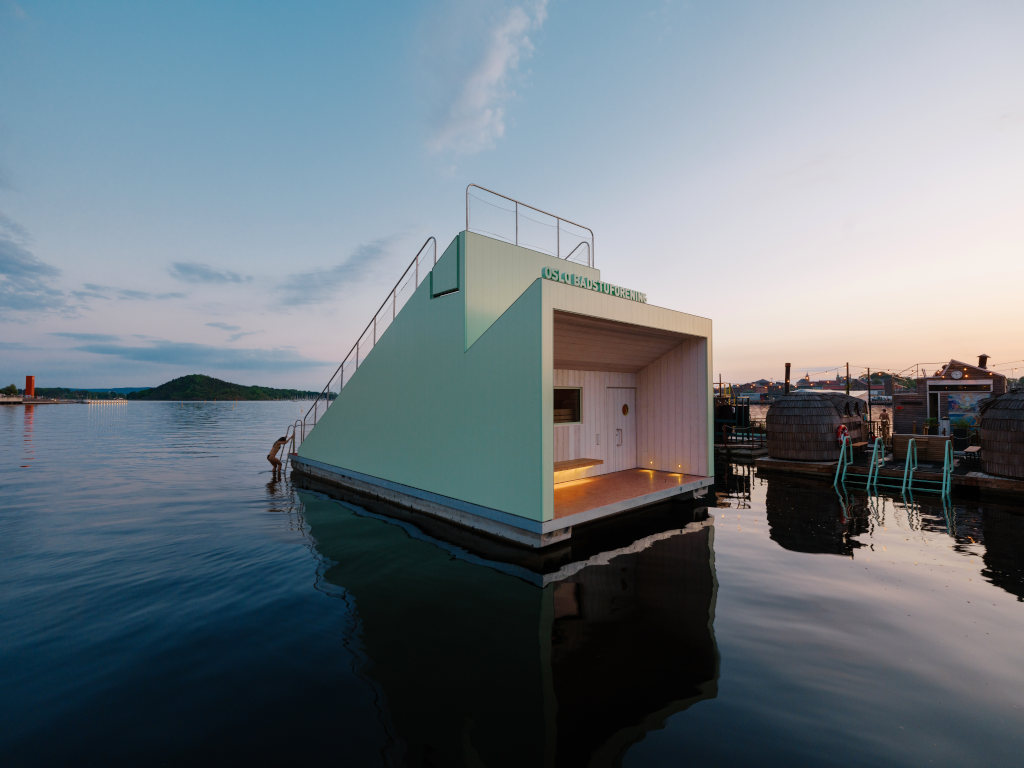
Here’s my overview of where you can find saunas in Norway, and how the whole process works!
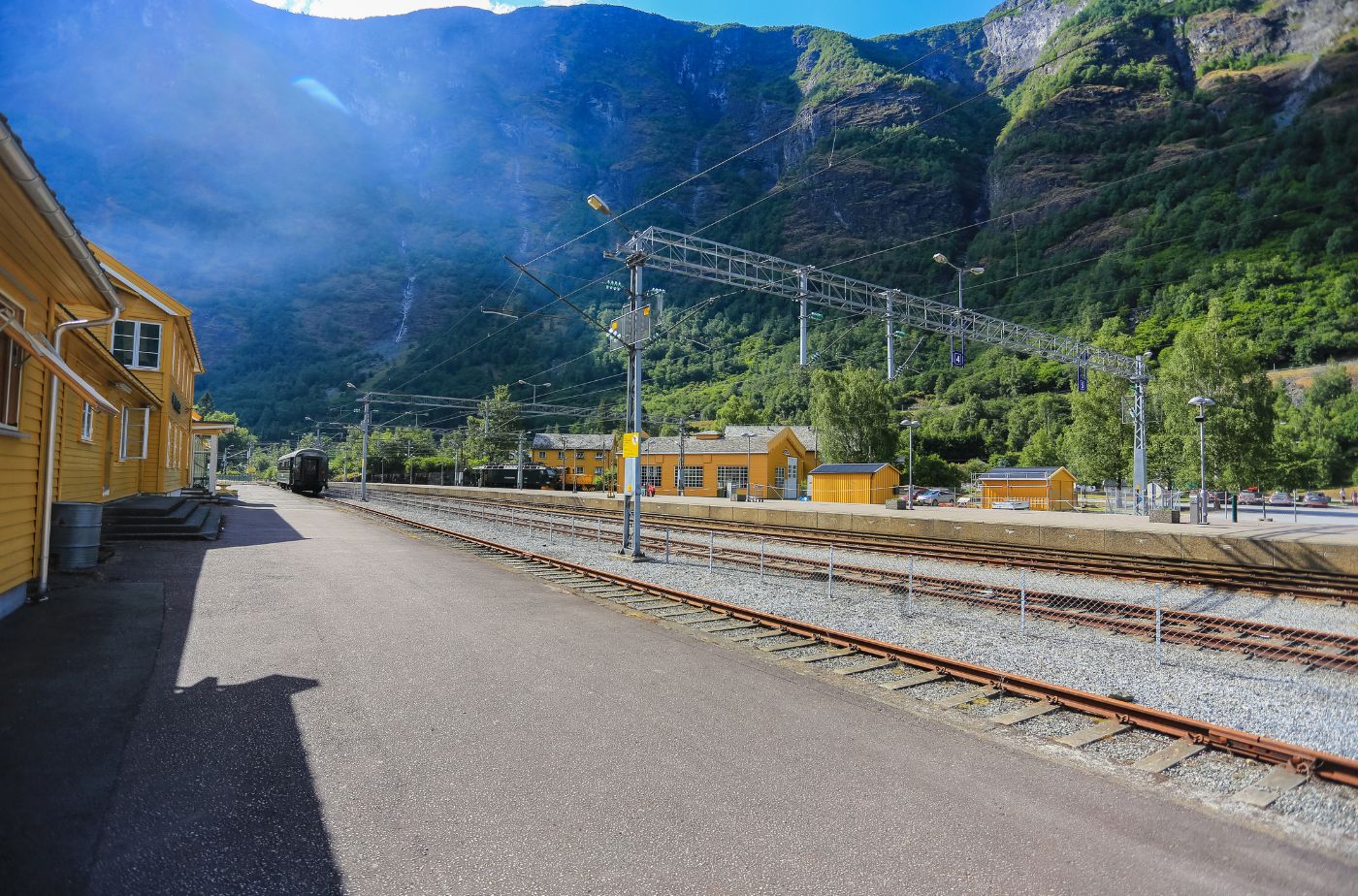
Here’s my complete guide to the popular Norway in a Nutshell daytrip!
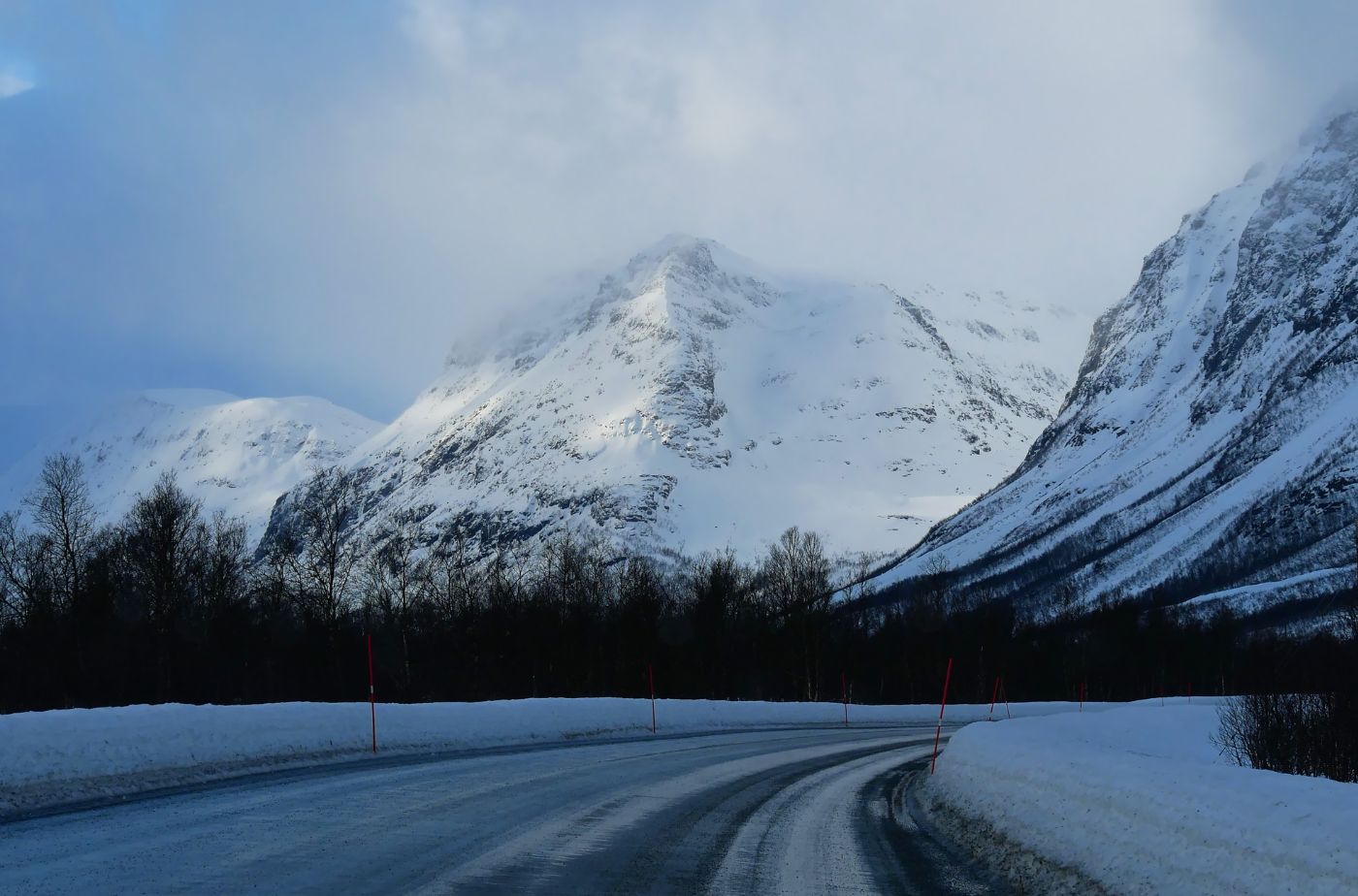
View our guide to the scenic drive between Bergen and Oslo.
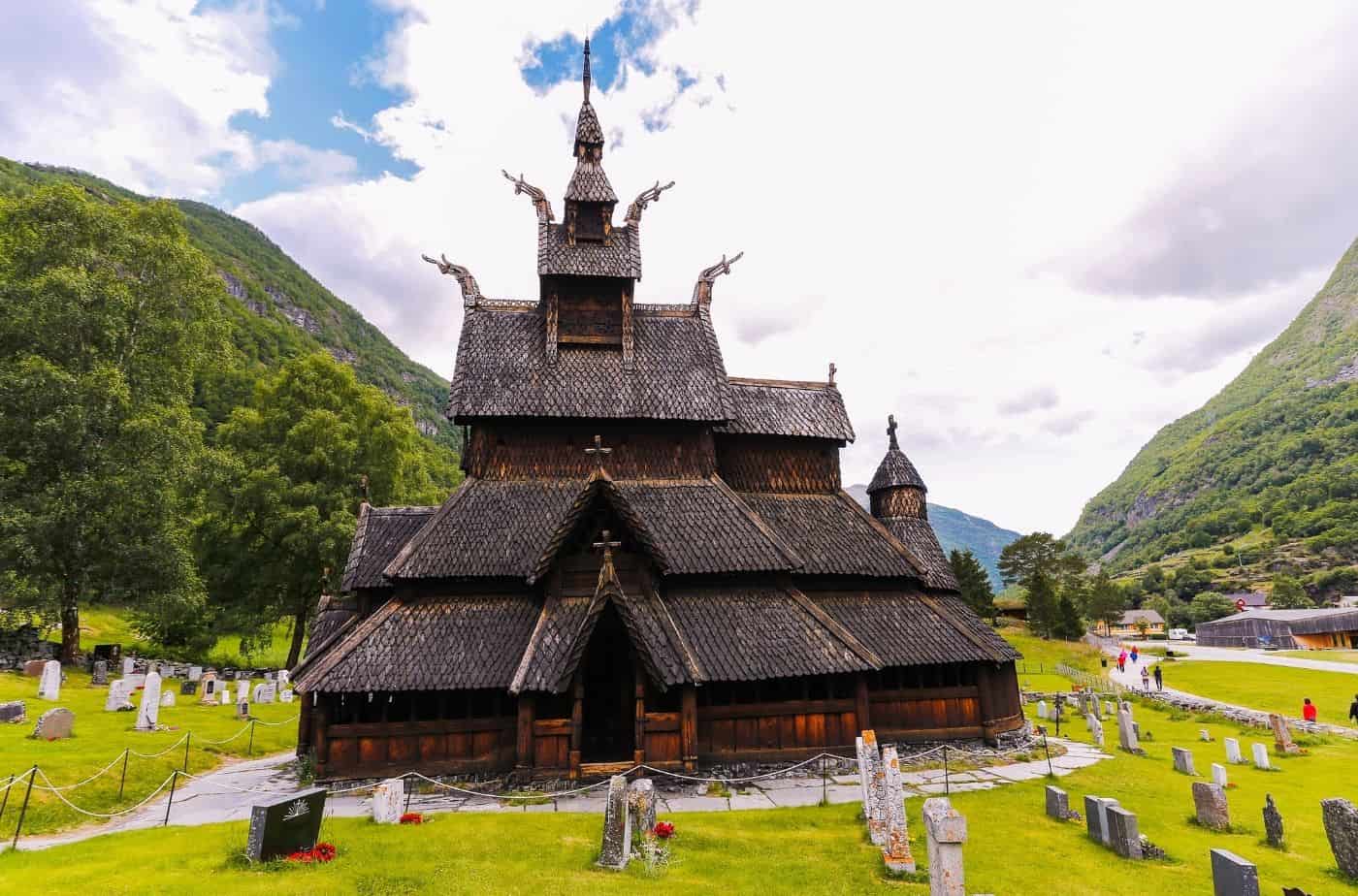
The road from Oslo to Aurland follows the old postal road called Kongevegen.
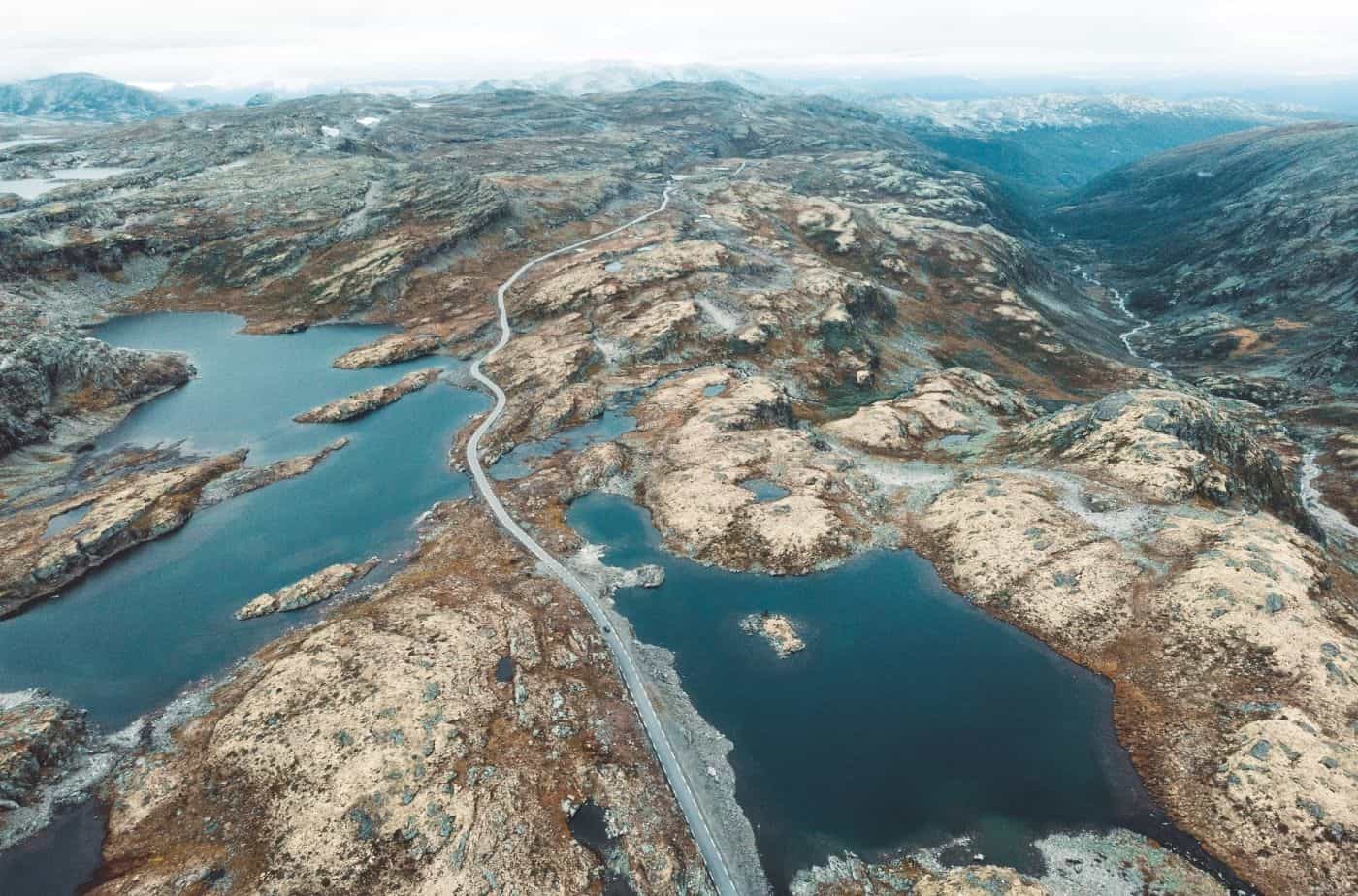
The Aurlandsfjellet tourist road is a short but scenic drive over the mountains dividing Laerdal and Aurland.