Drive it Yourself: Oslo to Trondheim on the E6
Take the major highway E6 between Oslo and Trondheim.

Located in the upper part of the Gudbrandsdalen valley, Otta is an important transportation hub.
Latitude: 61.7 degrees north
Population: 2,800
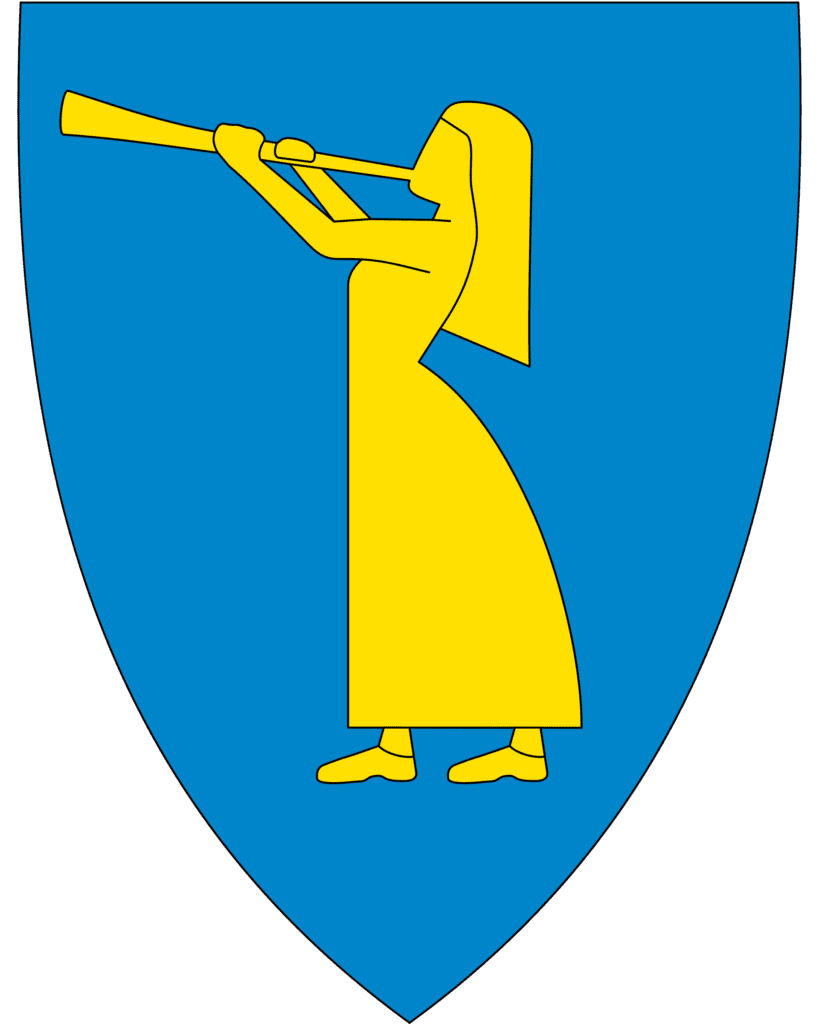
Sel Municipality
Here’s an overview of some of the best things to see and do in Otta
Pillarguri is one of Otta’s most recognisable landmarks and commemorates the legendary local woman said to have warned Norwegian forces during the Battle of Kringen in 1612. The monument overlooks the Gudbrandsdalen valley and offers panoramic views across surrounding mountains and farmland. Visitors can learn about the local folklore and historical significance connected to the region’s military history. The viewpoint is especially scenic during autumn when colours spread across the valley.
Gudbrandsdalsmusea Otta explores the history, traditions and mountain culture of the Gudbrandsdalen region. Exhibitions focus on farming life, local crafts, folklore and the relationship between people and the surrounding mountain landscapes. Visitors can gain insight into traditional Norwegian rural life through artefacts, photographs and cultural displays. The museum also highlights the importance of mountain travel routes through central Norway.
Looking to go for a hike or take part in a unique experience? Here are our recommendations!
Rondane National Park, Norway’s oldest national park, lies close to Otta and offers spectacular mountain scenery with peaks, valleys and alpine plateaus. Hiking trails range from short scenic walks to demanding summit routes across rugged terrain. The park is especially popular for hiking during summer and cross-country skiing during winter. Wild reindeer still roam parts of the mountain landscape, adding to the wilderness atmosphere.
Otta serves as an important gateway to Jotunheimen National Park, home to Norway’s highest mountains. Visitors can explore glaciers, turquoise lakes and dramatic hiking routes including famous peaks such as Galdhøpiggen and Besseggen. The park attracts climbers, hikers and outdoor enthusiasts from around the world. Summer offers endless hiking opportunities while winter transforms the area into a snowy alpine wilderness.
The Peer Gynt Road is a scenic mountain route passing through open highlands, lakes and traditional mountain farming landscapes near Otta. Named after Henrik Ibsen’s famous literary character, the road offers peaceful drives, cycling and hiking opportunities throughout the region. Visitors can stop at mountain lodges, viewpoints and small cultural sites along the route. The area is particularly beautiful during late summer and autumn.
Follow our road-trip guides for scenic trips around Otta
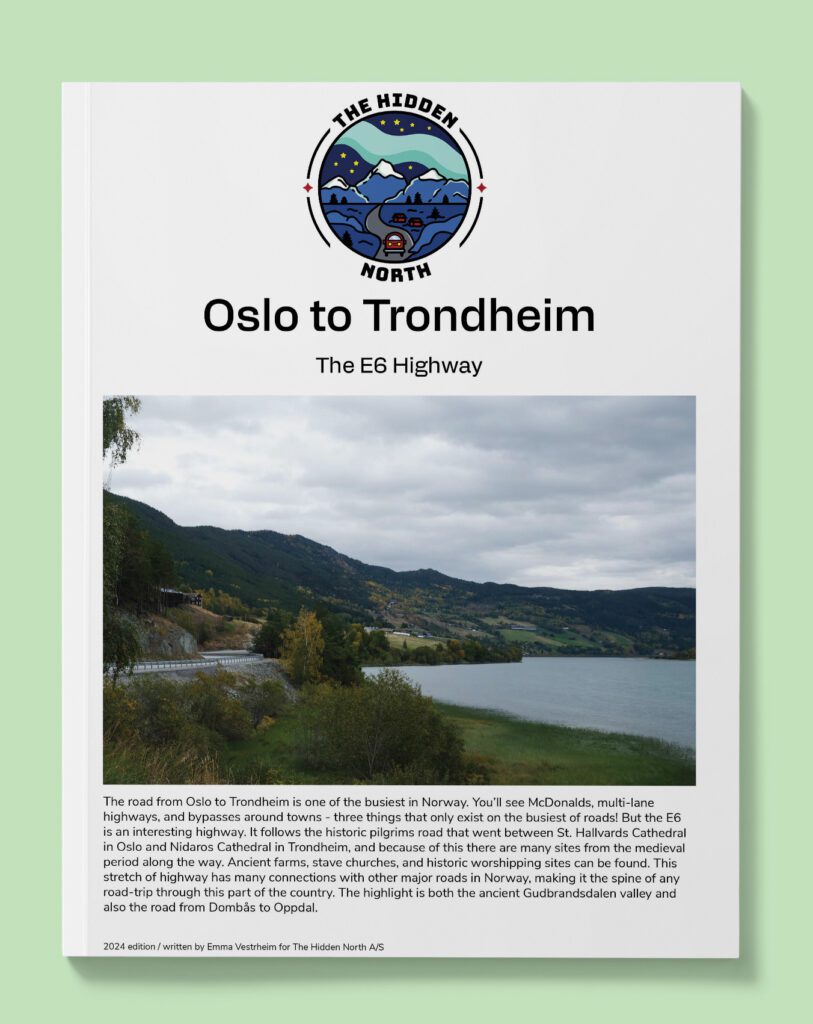
The E6 is the main highway that runs the entire length of Norway. The section from Oslo to Trondheim is the busiest, passing through the Gudbrandsdalen valley before crossing the mountains towards central Norway. Along the way are many historic sites and points of interest, making it an interesting drive to take.
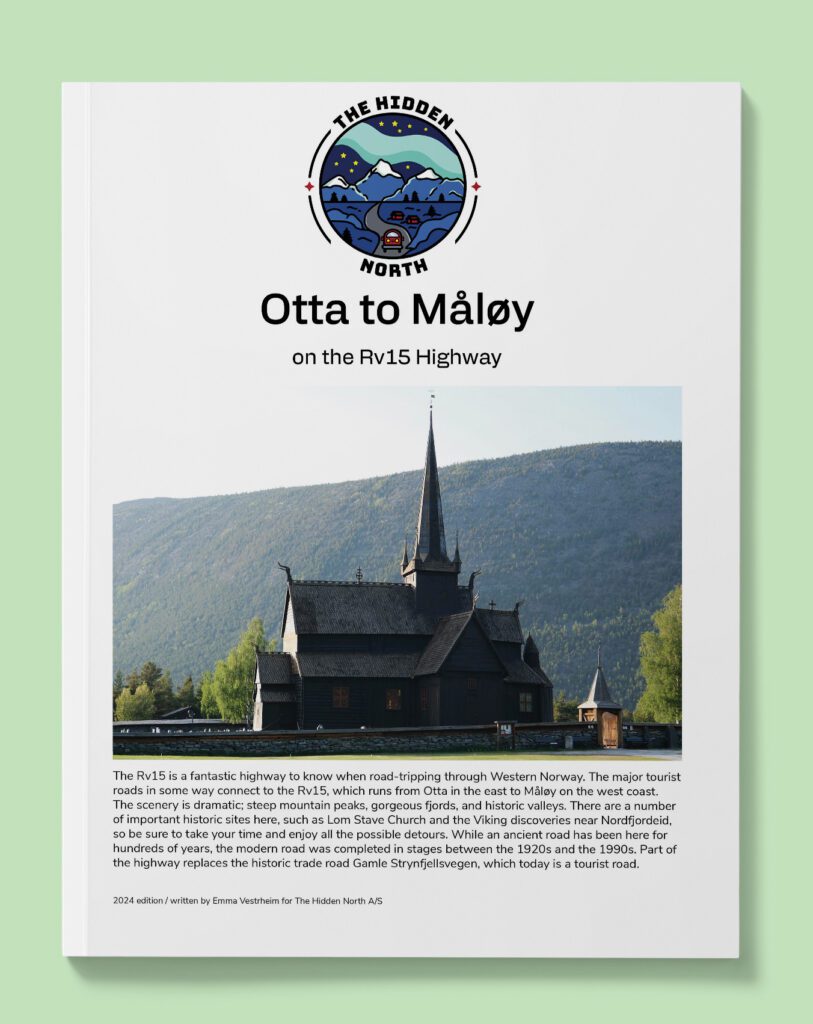
The Rv15 is a fantastic highway to know when road-tripping through Western Norway. The major tourist roads in some way connect to the Rv15, which runs from Otta in the east to Måløy on the west coast. The scenery is dramatic; steep mountain peaks, gorgeous fjords, and historic valleys. There are a number of important historic sites here, such as Lom Stave Church and the Viking discoveries near Nordfjordeid, so be sure to take your time and enjoy all the possible detours. While an ancient road has been here for hundreds of years, the modern road was completed in stages between the 1920s and the 1990s. Part of the highway replaces the historic trade road Gamle Strynfjellsvegen, which today is a tourist road.
No self-guided walks are currently available for Otta
Watch our YouTube videos featuring Otta
Otta developed as an important transport and trading centre within Gudbrandsdalen due to its location at the meeting point of major mountain routes through central Norway. For centuries, travellers, traders and pilgrims passed through the valley while moving between eastern and western Norway. Agriculture and mountain farming formed the foundation of local life, with seasonal movement of livestock shaping regional traditions and culture.
The region is also associated with important historical events, including the Battle of Kringen in 1612, when Scottish mercenaries travelling through Gudbrandsdalen were ambushed by local farmers. The story of Pillarguri, the legendary woman who warned local forces using a horn signal, remains an important part of regional folklore and identity. Historical trade routes and old mountain roads still influence the landscape today.
During the 19th and 20th centuries, railways and improved roads strengthened Otta’s role as a transport hub. Tourism gradually developed as travellers became drawn to the surrounding national parks, mountain landscapes and outdoor recreation opportunities.
Modern life in Otta revolves around outdoor recreation, mountain culture and tourism connected to nearby national parks. The town serves as a practical base for travellers exploring Rondane, Jotunheimen and Sjoa, with hotels, outdoor shops and adventure companies supporting year-round tourism. Hiking, rafting and skiing remain central parts of local culture and daily life.
Despite increasing tourism, Otta retains a relaxed small-town atmosphere shaped by Gudbrandsdalen’s farming traditions and mountain heritage. Residents enjoy close access to wilderness areas, rivers and alpine landscapes while maintaining strong ties to local history and rural culture. Seasonal rhythms continue to influence life throughout the valley.
Transport and regional services also remain important parts of the local economy due to Otta’s strategic location within central Norway. The town continues to function as both a gateway to the mountains and a community rooted in traditional Norwegian valley culture.
Fly: The nearest larger airports are Oslo Airport and smaller regional airports within Innlandet. Most visitors continue to Otta by train, bus or car through Gudbrandsdalen.
Drive: Otta is located along the E6 highway connecting Oslo and Trondheim. Scenic drives through Gudbrandsdalen offer mountain views, rivers and traditional Norwegian valley landscapes.
Train: Otta is served by the Dovre Line railway connecting Oslo and Trondheim. The train journey through Gudbrandsdalen is considered one of Norway’s most scenic inland rail routes.
Ferry: No ferry access.
Otta itself is compact and walkable, though rental cars are highly recommended for exploring surrounding national parks and mountain roads. Regional buses connect nearby villages, hiking areas and adventure destinations. Guided rafting and hiking tours also provide transport to outdoor activity areas. Cycling is popular during summer due to the scenic valley roads and mountain routes.
Cafes & Bakeries
Restaurants
Pillarguri Café & Restaurant – Local restaurant serving hearty Norwegian dishes inspired by Gudbrandsdalen traditions and mountain ingredients.
High End & Unique Eats
Camping & Hostels
Cabins & B&Bs
Rondane Gjestegård – Traditional guesthouse surrounded by mountain scenery with warm hospitality and easy access to national parks.
Chains & Mid-Range
Thon Hotel Otta – Conveniently located near transport connections and outdoor attractions throughout Gudbrandsdalen.
High End & Unique Properties
Rondane Spa Hotel – Mountain hotel offering spa facilities, panoramic views and direct access to Rondane’s hiking and skiing terrain.
Take the major highway E6 between Oslo and Trondheim.

Drive it Yourself: Gudbrandsdalen Gudbrandsdalen is a valley just north of Oslo. Described by VisitNorway as ‘the king of the valleys’, Gudbrandsdalen has a lot