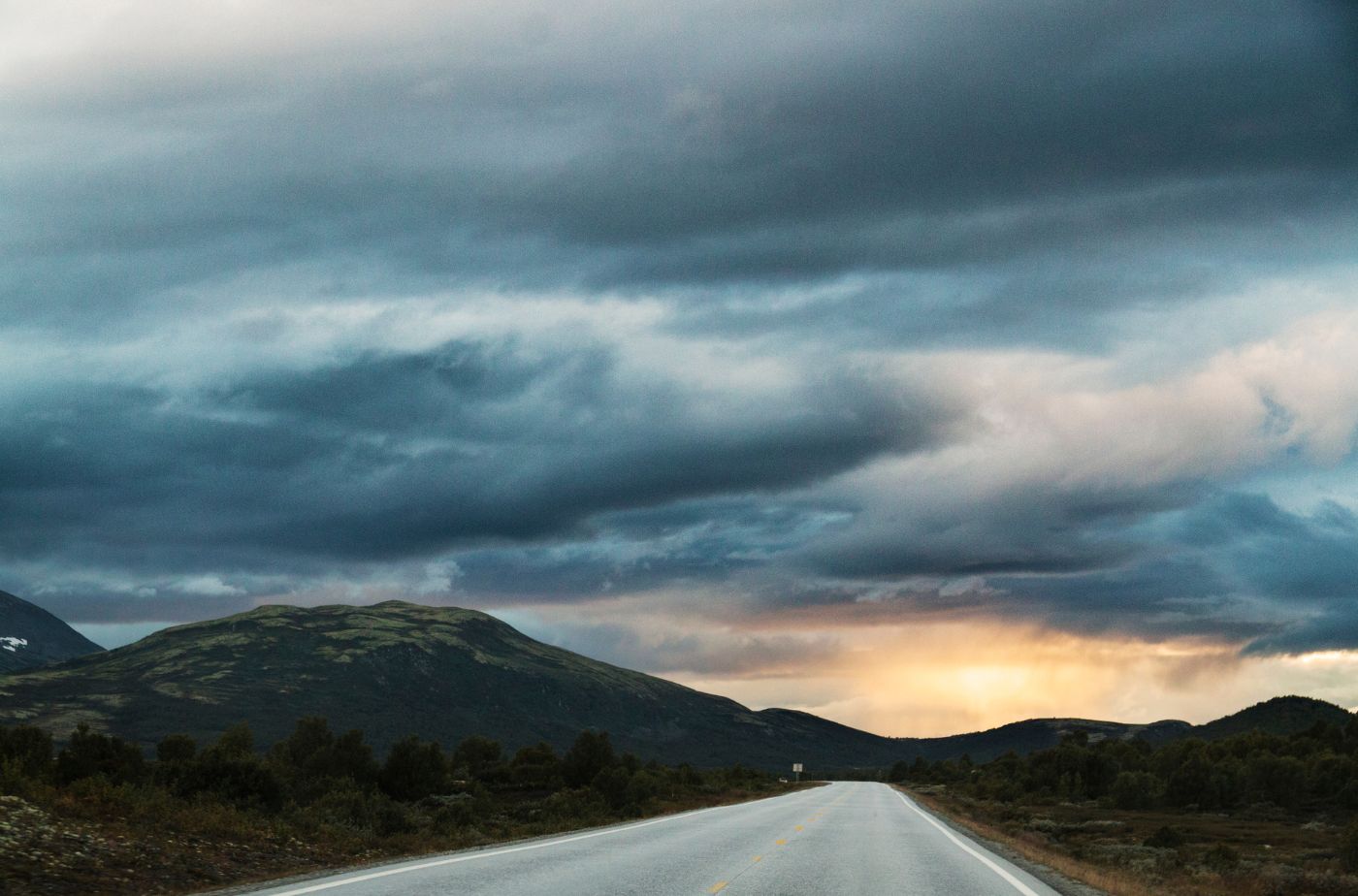
Drive it Yourself: Oslo to Trondheim on the E6
Take the major highway E6 between Oslo and Trondheim.
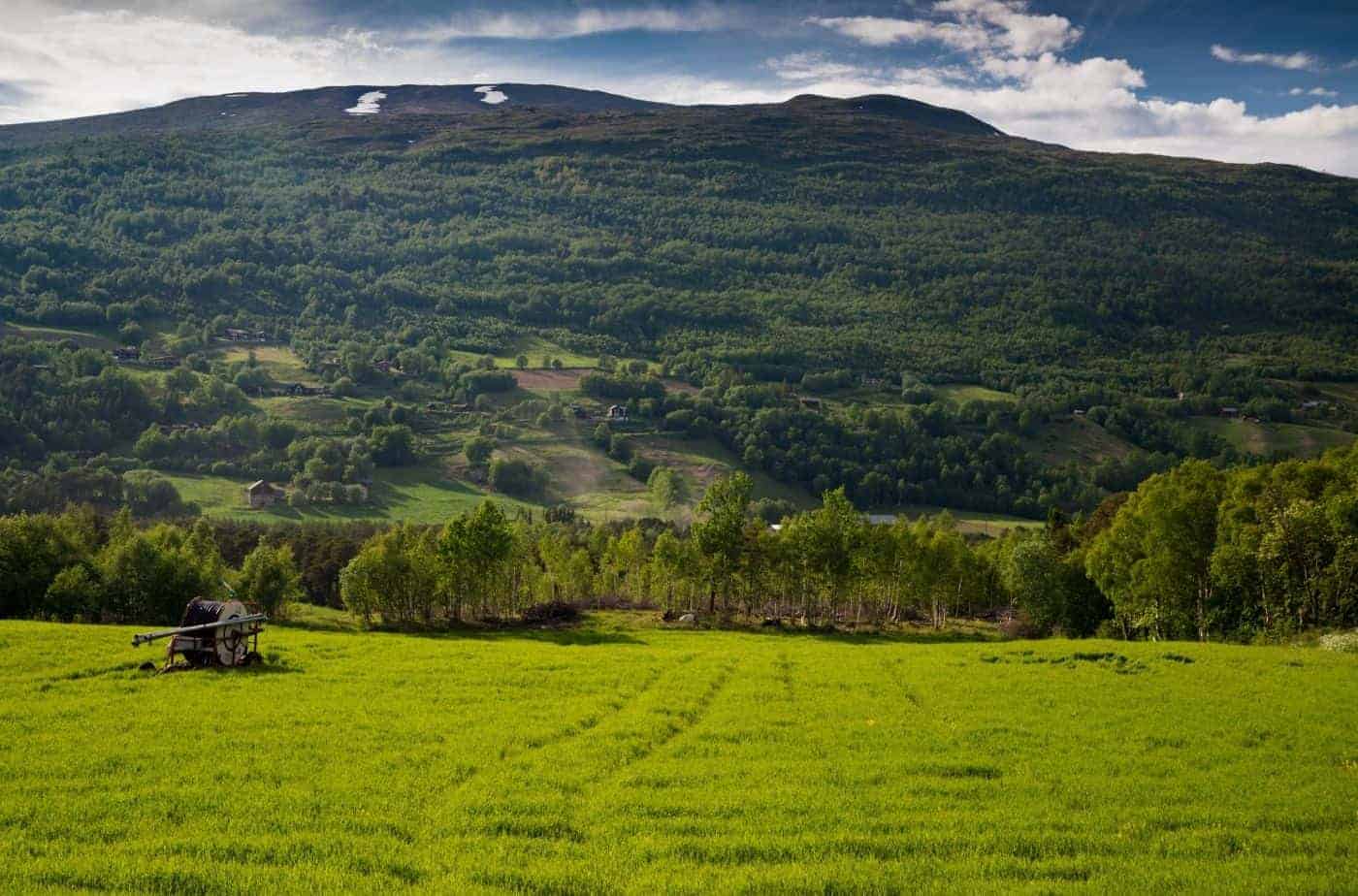
Nestled between the Dovrefjell and Trollheimen ranges in central Norway, Oppdal is a mountain community that offers something for everyone year-round. This charming alpine town is famed for its winter sports, with one of Norway’s largest ski resorts, and equally loved for its summer adventures like hiking, biking and rafting. Steeped in history yet buzzing with modern outdoor life, Oppdal seamlessly blends pristine nature, rich cultural heritage and warm Norwegian hospitality.
Latitude: 62.3 degrees north
Population: 7,000
Hottest month: July
Coldest month: February
Wettest month: October
Windiest month: January
Annual precipitation: 555mm
Oppdal Municipality
Here’s an overview of some of the best things to see and do in Oppdal
The Oppdal museum is located in Oppdal and has 30 buildings that show what the farm environment was like from the end of the 16th century to the middle of the 20th century. The museum features more than 20 preserved buildings – farmhouses, barns, a blacksmith’s forge, a summer pasture hut – dating from the 1600s onwards, reconstructed as a village amid pretty grounds. Strolling here feels like travelling through Norway’s rural past; inside some buildings are exhibits of old tools, textiles, and even a small ski museum and schoolroom.
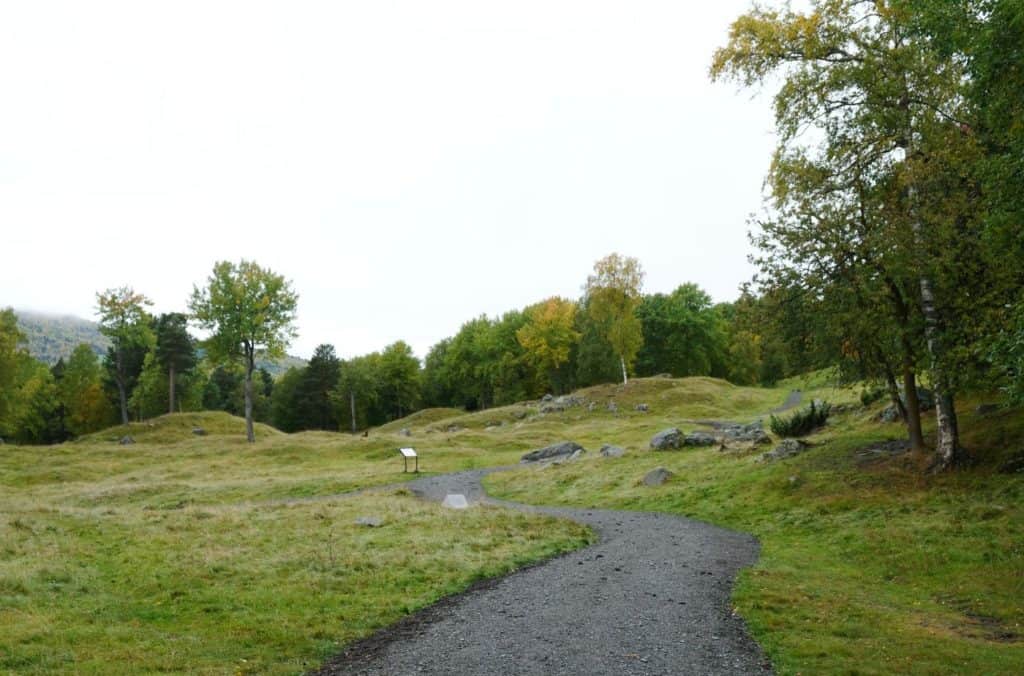
This is Norway’s largest Iron Age grave field. Here, around 900 burial mounds are scattered in a beautiful cultural landscape between the river and Oppdal Church – an awe-inspiring sight that speaks to Oppdal’s importance over 1,000 years ago. An information trail (with signs in English) explains how this was a communal cemetery from 400–1000 AD; many Viking-era graves here contained swords, jewelry and Celtic artefacts, indicating the villagers traded far and wide.
Oppdal Church is a whitewashed stone church whose history dates to the 12th century (the current building was erected in 1651) – it’s worth a visit for its quaint graveyard and historical atmosphere.
Looking to go for a hike or take part in a unique experience? Here are my recommendations!
Oppdal’s mountains stretch from Dovrefjell National Park in the south to the Trollheimen range in the north. In winter you can ski down gentle slopes or across high plateaus, and in summer hike to panoramic peaks and hidden lakes. Don’t miss a chance to roam Drivdalen valley and Gjevilvassdalen – lush valleys carved by rivers and glaciers, offering scenic drives and easy walks among pastures and peaks. Keep your camera ready for wildlife: besides the famous musk oxen, the area is home to reindeer, moose, and a rich birdlife.
Oppdal has long traditions as a winter resort, being one of central Norway’s most popular ski destinations. Oppdal Ski Centre spans four linked mountains with a network of lifts and over 30 groomed runs, from gentle beginner slopes to challenging off-piste areas. There are also hundreds of kilometres of prepared cross-country ski tracks fanning out from the village into the mountains. The winter here is long (often lasting into April), so you can sometimes ski one day and go biking or running the next as spring approaches. If you’re new to snow, try sledding or snowtubing – a dedicated snowtube park at Storli Gard lets you zoom down groomed hills on inflatable tubes.
No matter the season, a musk ox safari in Dovrefjell is a top experience in Oppdal. These prehistoric-looking musk oxen roam the tundra just south of Oppdal, and guided tours will take you hiking to observe them at a safe distance. Bring a zoom lens – you’ll have almost guaranteed sightings of these shaggy Ice Age survivors in their only habitat in Norway. Listen to the guides and do not approach too closely, as these 400 kg beasts can be dangerous. In summer, safaris are on foot; in winter, you might go out on skis or snowshoes to track their footprints in the snow. Along the way, you might also spot wild reindeer herds, foxes, or even golden eagles circling overhead.
In October, horror movie buffs flock to the Ramaskrik Film Festival, Norway’s premier horror film fest famously set in Oppdal’s Kulturhus – often dubbed “Norway’s scariest film festival” in this quiet mountain town.
The iconic trek up Allmannberget (1,342 m) is a must-do – this prominent mountain towers over Oppdal and offers a panoramic lookout at the top. The trail is about 4–5 km one way through forest and rocky slopes (around 800 m of ascent); allow 3–4 hours round-trip. Reaching the summit, you’ll be rewarded with 360° views over the village, valleys and distant peaks.
In Dovrefjell, a recommended moderate outing is the Snøhetta Viewpoint hike: you can take a shuttle or drive partway (in summer) to the Snøheim trailhead and then walk ~5 km to an architect-designed viewpoint shelter, gazing at the 2,286 m Snøhetta, one of Norway’s famous peaks. It’s a relatively gentle hike and often combined with musk ox spotting. Always carry a map (Turkart for Trollheimen/Dovrefjell) as weather can change quickly – but on a clear day, these moderate hikes are pure bliss.
Follow my road-trip guides for scenic trips around Oppdal
The E6 is the main highway that runs the entire length of Norway. The section from Oslo to Trondheim is the busiest, passing through the Gudbrandsdalen valley before crossing the mountains towards central Norway. Along the way are many historic sites and points of interest, making it an interesting drive to take.
Kristiansund is typically only visited by people driving on the Atlantic Road. Of course, the Atlantic Road is famous for a reason. However, if you’re looking to combine your road-trip with something a little more ‘off the beaten path’ but just as beautiful, I really recommend Highway 70. Highway 70 goes from Oppdal in Central Norway to Kristiansund on the west coast. It connects you to Trondheim and Røros, two places I always recommend visiting. You start at the top of the hills, and eventually wind your way down a steep valley, ending up surrounded by 1000m (3000ft) high mountains. Eventually you reach the fjords, which lead you all the way to the coast.
Watch my YouTube videos featuring Oppdal
Oppdal has long served as an important transport and trading route between central and southern Norway due to its strategic location between mountain ranges and valleys. Archaeological discoveries show that people have lived in the area since prehistoric times, while Viking Age burial grounds reveal the region’s significance during early Norwegian history. Mountain routes through Oppdal connected travellers, traders and pilgrims moving across Norway for centuries.
The region’s economy historically depended on farming, livestock and mountain trade. Seasonal movement of animals between valleys and mountain pastures shaped local culture and traditions that remain visible today. Old mountain inns such as Kongsvold and Drivstua served travellers crossing Dovrefjell long before modern roads and railways were built.
During the 20th century, Oppdal developed into one of Norway’s leading ski and outdoor recreation destinations. Tourism, second homes and adventure travel gradually became major parts of the local economy while the town maintained strong ties to mountain culture and rural traditions.
Modern life in Oppdal revolves around outdoor recreation, mountain culture and tourism. Residents enjoy close access to hiking, skiing, fishing and alpine activities throughout the year, with nature deeply integrated into everyday life. The town centre combines cafés, sports shops and cultural venues with a relaxed mountain-town atmosphere.
Tourism plays a central role in the local economy, particularly during winter ski season and summer hiking months. Visitors come from across Norway and abroad to experience skiing, wildlife safaris and mountain adventures. Despite growing tourism, Oppdal retains a strong local identity connected to farming, traditional food culture and outdoor living.
The area has also become increasingly popular for cabins and holiday homes, particularly among families seeking year-round mountain recreation. Seasonal festivals, sporting events and cultural activities contribute to a lively atmosphere despite the town’s relatively small size.
Fly: No airport.
Drive: Oppdal is located on the E6, the main highway running between Oslo and Trondheim.
Long-distance buses operated by companies like Vy or Nor-Way Express connect Oppdal with Trondheim, Oslo and Kristiansund. Buses are modern and have toilets, and sometimes can be a bit cheaper than the train. They follow the E6 road route, making stops in Oppdal at the main bus stop by the town centre.
Train: Oppdal Station is on the main Dovre Line, with several daily departures northbound from Oslo and southbound from Trondheim. From Oslo Central Station, the journey is about 5.5 hours (and about 4.5 hours from Oslo Airport Gardermoen, since the train stops at the airport on its way).
Oppdal village is compact, and many amenities are within walking distance of each other – the train/bus station, main hotels (Skifer and Turisthotell), grocery stores, ski rental shops, and some restaurants are all centered around a few streets. Walking or cycling is a pleasant way to get around the immediate area. If you’re staying a bit outside the centre or plan to visit different ski lifts and side valleys, having a car is very handy.
In winter, ski buses typically run on weekends and holidays, shuttling skiers from the town centre (and major accommodation points) to the various base areas of Oppdal Ski Centre. These buses are often free or low-cost for those with a ski pass.
Cafes & Bakeries
A top pick is Bakeriet Sprø, an artisan bakery and coffee shop in the heart of town. It’s renowned for its fresh-baked pastries and excellent coffee – according to travellers, the cappuccino here might be the best you’ll find in Norway. “Sprø” means “crispy” in Norwegian, hinting at their crusty breads and flaky croissants.
Restaurants
A favourite among locals and visitors is Spisbar, a modern gastropub right on the main street. It offers a diverse menu – everything from burgers and pasta to Asian-inspired stir-fries – plus a good selection of Norwegian craft beers on tap.
For something quick and truly local, try Torgkjøkkenet, a little kiosk by Oppdal’s town square which is famed for classic street food – think juicy Norwegian-style hot dogs (with crisp fried onions and shrimp salad if you’re brave!), burgers, and the ever-popular kebab.
Another casual icon is Det Sorte Får (“The Black Sheep”), a pub-restaurant with a quirky, cosy interior. They serve hearty pub grub – their lamb shank and fish & chips are well-liked – and often have live music or quiz nights, making it a fun place to mingle.
High End & Unique Eats
Restaurant Perrongen is the standout for a refined evening. Located in the historic Oppdal Turisthotell (right by the train “perrong” or platform, hence the name), Perrongen offers an à la carte menu with a wide range – from local game meats to fresh fish and creative vegetarian dishes. The chefs pride themselves on using local produce when possible, and the presentation and service are a notch above, all in a dining room with vintage charm.
Another great choice is the Restaurant at Quality Hotel Skifer. This modern hotel restaurant has earned a reputation for quality – you can watch the chefs at work in the open kitchen as they prepare dishes featuring fresh, seasonal ingredients from the region.
All my hotel recommendations are based on research and experience. I don’t recommend somewhere unless I think it is wonderful! The Hidden North focuses on accommodation that provides good quality for price or offer local or unique experiences.
Camping
Granmo Camping is a favourite – located about 6 km south of the village at the entrance of the Drivdalen valley, it’s flanked by the river Driva and beautiful mountainsides. Granmo offers tent pitches, RV sites with electricity, and a range of cabins, from simple hikers’ huts to more modern cottages with kitchens. It’s family-friendly (playground, summer farm animals) and even has a mini-market and café in high season.
Cabins & B&Bs
To experience local hospitality, consider Oppdal’s guesthouses and farm stays. Oppdal Gjestetun is a centrally located guesthouse that’s popular with families and budget travellers. It offers simple, cosy apartments with private bathrooms, kitchenettes, and Wi-Fi – essentially a “home away from home” setup. There’s a nice courtyard and it’s within walking distance of groceries and restaurants (great if you want to cook for yourself some days and eat out on others).
Chains & Mid-Range
The Quality Hotel Skifer is a nice hotel in Oppdal centre.
Click here to view rates & book
The most storied is Oppdal Turisthotell, right by the train station. This is Oppdal’s oldest hotel, dating back to 1924, and staying here is to walk in the footsteps of generations of mountain tourists. It’s been updated with modern amenities, of course, but retains a charming, old-fashioned atmosphere – think wood-panelled lounges, a fireplace crackling in winter, and historic photos on the walls. Rooms range from simple to suite, and there’s a popular lobby bar.
High End & Unique Properties
Take the major highway E6 between Oslo and Trondheim.

See historic stone churches, Norway’s highest waterfall, and pass famous hiking areas on this gorgeous highway from Oppdal to Kristiansund.