Visiting the Narvik World War II Museum
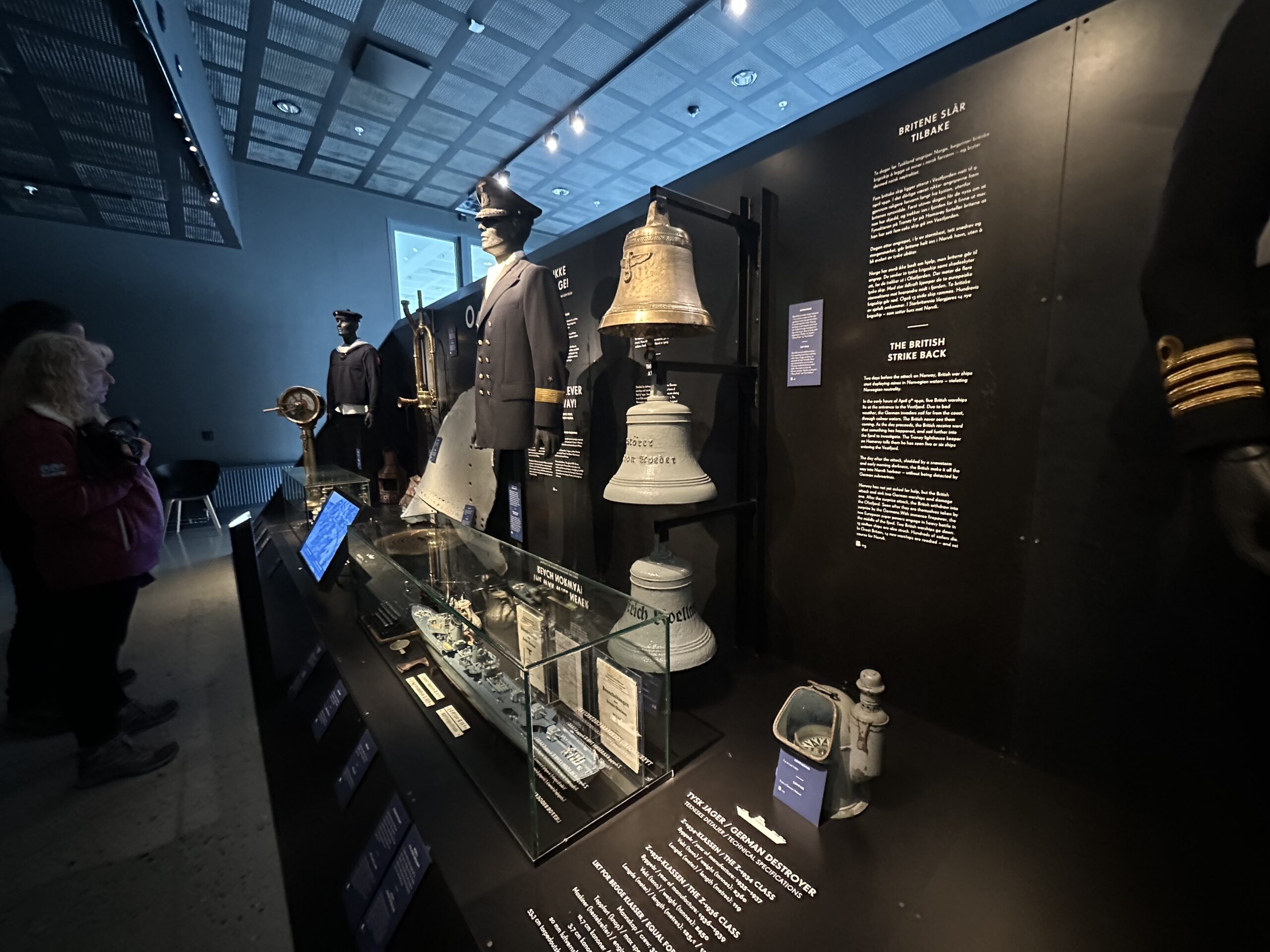
Read my guide for the Narvik World War II Museum
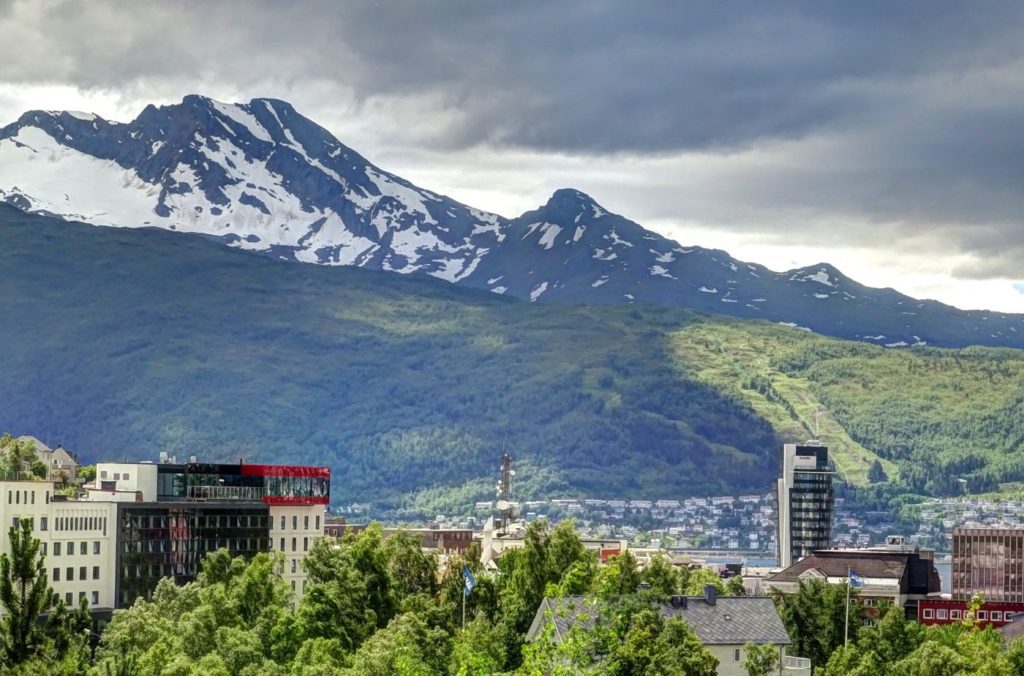
Built up in the late 19th century to export Sweden’s iron ore to Europe, Narvik became the centre stage for one of the first major battles in World War II.
Latitude: 68.2 degrees north
Population: 21,000
Sami name: Áhkanjárga
Hottest month: July
Coldest month: February
Wettest month: October
Windiest month: January
Annual precipitation: 555mm
Narvik Municipality
Here’s an overview of some of the best things to see and do in Narvik
The Ofotbanen railway connecting Narvik with Sweden is considered one of Scandinavia’s most scenic train routes. Originally built to transport iron ore from Kiruna to the ice-free port of Narvik, the line passes dramatic mountains, waterfalls and Arctic valleys. Visitors can travel sections of the route or learn about its engineering history through guided tours and museum exhibitions. During winter, snow-covered landscapes make the journey especially memorable.
The Narvik War Museum is one of Norway’s most respected museums dedicated to World War II history. Interactive exhibitions explore the strategic importance of Narvik during the battles of 1940, when Allied and German forces fought for control of the region’s iron ore transport routes. Personal stories, photographs and military artefacts help visitors understand the global significance of the conflict in northern Norway. The museum combines historical depth with modern presentation techniques.
Polar Park, located south of Narvik, is the world’s northernmost animal park and home to Arctic wildlife including wolves, bears, lynx and reindeer. The park focuses on large natural enclosures and conservation rather than traditional zoo environments. Visitors can experience guided wildlife encounters and learn about Arctic ecosystems. Winter visits surrounded by snow-covered forests are especially atmospheric.
This museum is about the development of Narvik and rapid transformation of the town.
Looking to go for a hike or take part in a unique experience? Here are my recommendations!
Please note – the links provided are affiliate links. I only recommend experiences that I have researched and/or tested and focus on providing unique, local things to do!
Narvikfjellet rises directly above the town and is one of northern Norway’s premier mountain and ski destinations. A cable car transports visitors high above the fjord, offering spectacular panoramic views across Ofotfjord, surrounding peaks and Arctic landscapes. During winter, the area is famous for skiing beneath the northern lights, while summer brings hiking beneath the midnight sun. The dramatic scenery makes Narvik one of Norway’s most visually striking mountain towns.
Rombaksbotn is an abandoned fjord settlement accessible by hiking or boat from the Narvik area. The route follows parts of the historic railway construction paths once used during the building of the Ofotbanen line. Visitors can explore old ruins, dramatic mountain scenery and peaceful fjord landscapes far from modern roads. The combination of history and wilderness makes the experience particularly unique.
Located just across the Swedish border, Abisko National Park is one of Scandinavia’s most famous Arctic wilderness destinations and makes an excellent day trip from Narvik. The park is renowned for hiking, skiing and some of the world’s best northern lights viewing conditions. Visitors can explore mountain trails, frozen lakes and dramatic valleys throughout the year. The nearby Aurora Sky Station is especially popular during winter months.
Take the journey from Narvik to the Swedish border and hopefully see some northern lights!
Take the journey from Narvik to the Swedish border and hopefully see some northern lights!
Follow my road-trip guides for scenic trips around Narvik
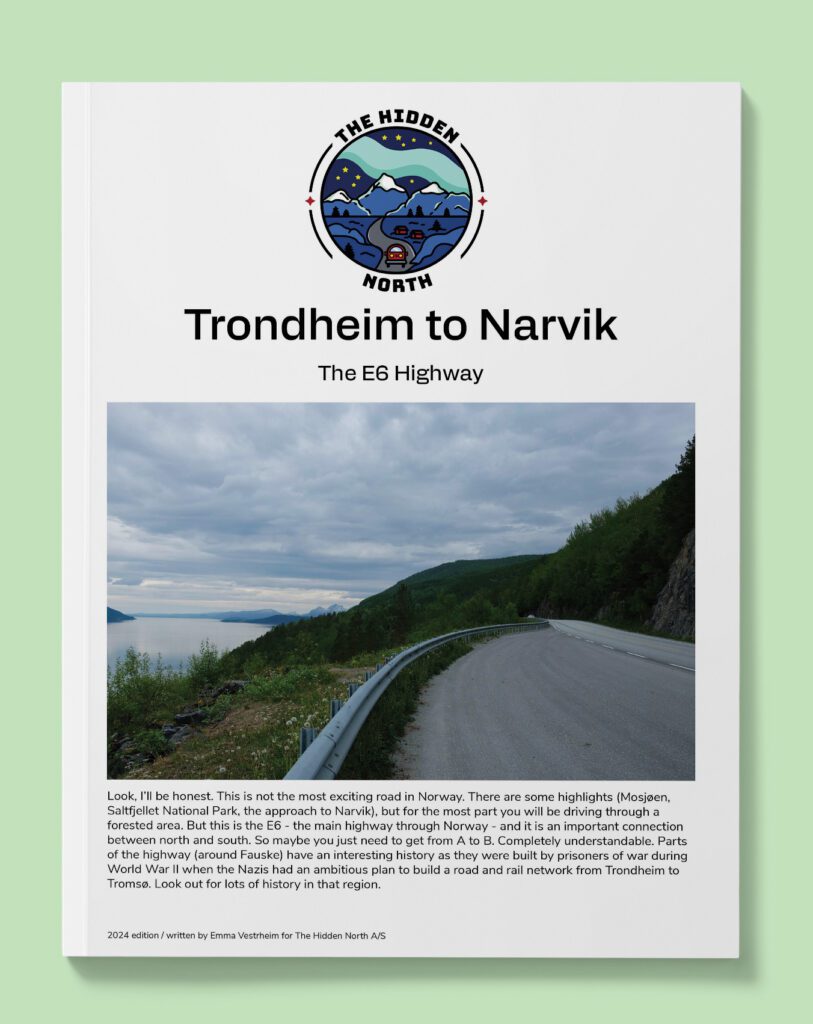
The E6 highway is the longest highway running through Norway, beginning south of Oslo and ending at Kirkenes. This stretch of the E6 covers the long, skinny part of Norway in the middle of the country – the region of central Norway and the lower part of Northern Norway.
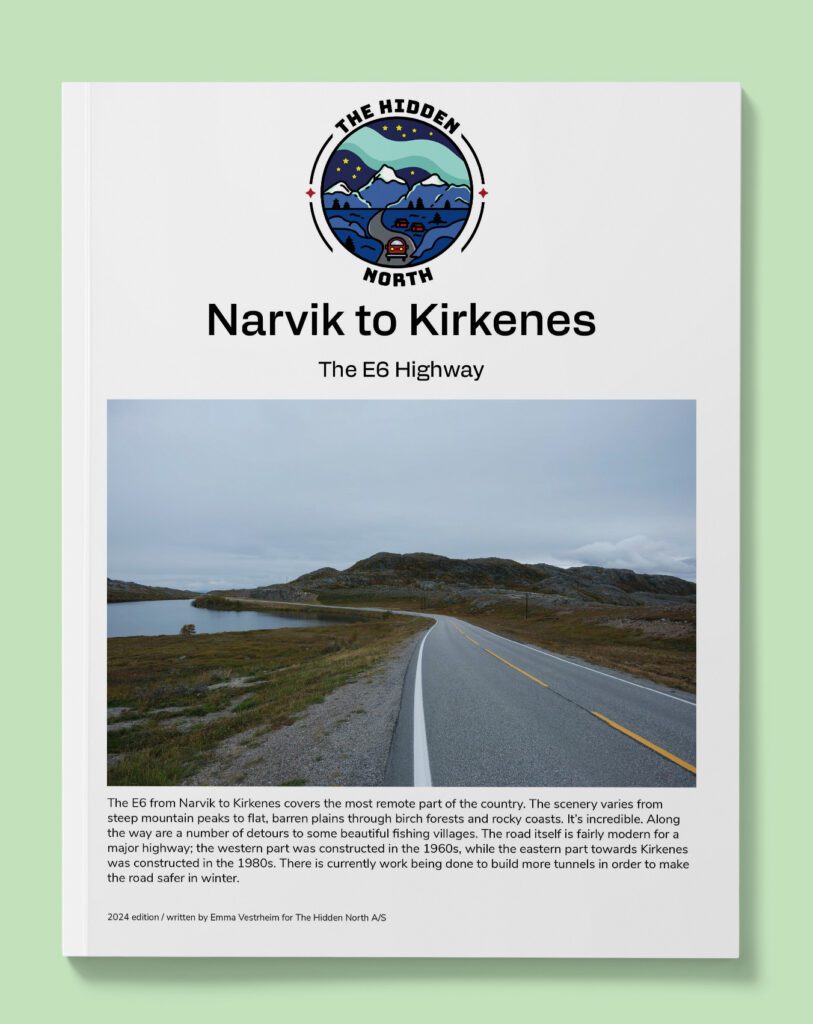
The E6 highway is the longest highway running through Norway, beginning south of Oslo and ending at Kirkenes. This stretch of the E6 covers the entire length of Arctic Norway, passing by and including some spectacular remote places.
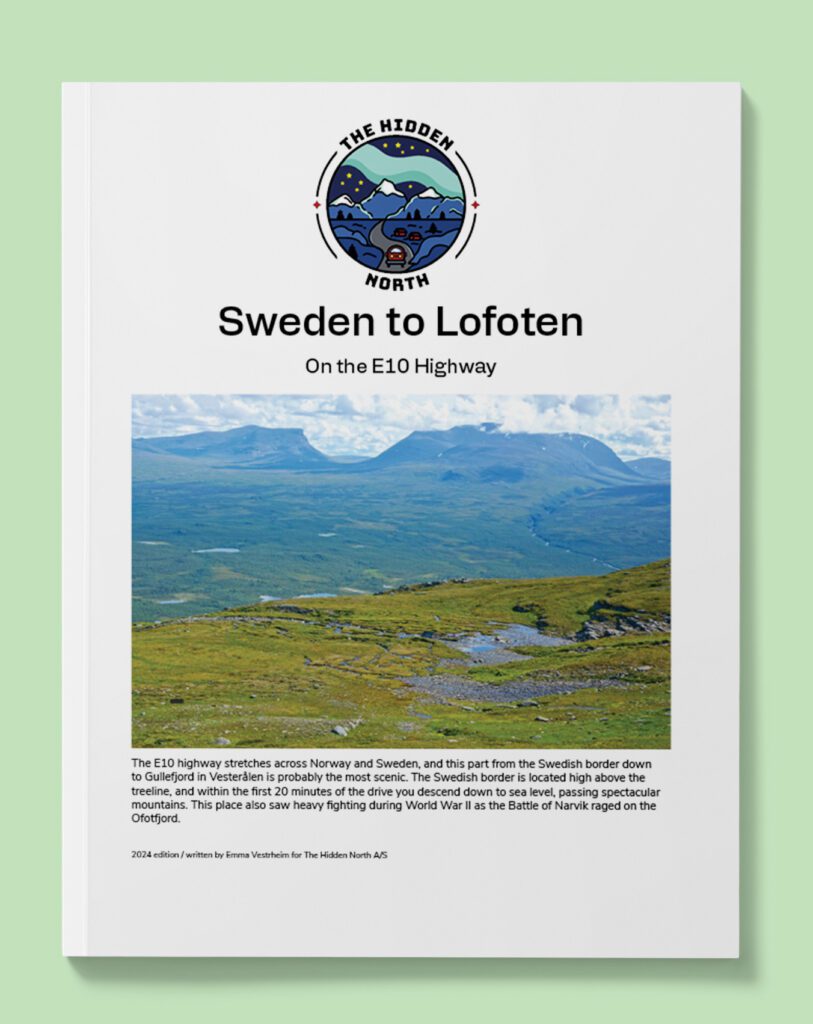
The E10 highway stretches across Norway and Sweden, and this part from the Swedish border down to Gullefjord in Vesterålen is probably the most scenic. The Swedish border is located high above the treeline, and within the first 20 minutes of the drive you descend down to sea level, passing spectacular mountains. This place also saw heavy fighting during World War II as the Battle of Narvik raged on the Ofotfjord.
No self-guided walks are currently available for Narvik
Watch my YouTube videos featuring Narvik
The first part of the drive from Kiruna to Narvik follows the train line.
Narvik developed rapidly during the late 19th century due to its strategic importance as an ice-free port for transporting Swedish iron ore from Kiruna to international markets. The construction of the Ofotbanen Railway transformed the small settlement into one of northern Norway’s key industrial and transport centres. The railway allowed ore shipments to continue year-round despite harsh Arctic conditions, shaping Narvik’s economic importance for decades.
During World War II, Narvik became internationally significant due to the Battle of Narvik in 1940. Allied, Norwegian and German forces fought intense battles for control of the port and railway, which were vital to wartime iron supplies. Much of the town was damaged during the conflict, and the events remain central to local identity and historical memory. Today, museums and memorials throughout the region preserve the stories of those battles.
In the decades following the war, Narvik rebuilt itself while maintaining its role as an important transport hub between Norway and Sweden. Industry, shipping and railway activity continue to influence the city’s economy, while tourism and outdoor recreation have grown increasingly important in recent years.
Modern life in Narvik combines Arctic outdoor culture with industry, education and international connections. The city is known for its strong skiing culture, with residents enjoying easy access to mountains, fjords and winter sports directly from the town centre. Hiking, climbing and northern lights photography also play major roles in daily life throughout the year.
Narvik continues to function as a key transport and logistics hub linking northern Norway with Sweden. The port, railway and surrounding industries remain economically important, while tourism connected to skiing and Arctic experiences continues to expand. Educational institutions and research initiatives linked to Arctic engineering and technology also contribute to local development.
Despite its northern location, Narvik has a lively cultural atmosphere with concerts, festivals and outdoor events throughout the year. The combination of dramatic scenery, wartime history and strong mountain culture gives the city a distinctive identity within northern Norway.
Fly: Harstad/Narvik Airport is the main airport serving Narvik and offers domestic flights from Oslo and other Norwegian cities. Airport buses and rental cars connect travellers to Narvik in approximately one hour.
Drive: Narvik is connected by the E6 highway and scenic mountain roads linking northern Norway with Sweden. Driving through the region offers spectacular fjord, alpine and Arctic landscapes year-round.
Train: The Ofotbanen railway connects Narvik with Kiruna and the wider Swedish rail network. Train journeys through the mountains are considered among Scandinavia’s most scenic rail experiences.
Ferry: Although Narvik itself is not directly served by major passenger ferries, nearby coastal ferry and Hurtigruten routes connect communities throughout northern Norway.
Narvik’s compact centre is easy to explore on foot, while local buses connect residential areas and nearby attractions. The cable car to Narvikfjellet provides convenient access to mountain scenery and skiing areas. Rental cars are useful for exploring fjords, nearby national parks and surrounding Arctic landscapes. Guided tours are also widely available for northern lights, skiing and fjord excursions.
Cafes & Bakeries
Restaurants
Fiskekroken is a seafood restaurant with an excellent selection of seasonal, fresh seafood.
Rallar’n Pub & Kro is a popular pub and diner with a good selection of pub and Norwegian food.
Nordre Matbar serves a good mix of Norwegian and international dishes.
Furu Gastropub is my favourite restaurant in Narvik!
High End & Unique Eats
All my hotel recommendations are based on research and experience. I don’t recommend somewhere unless I think it is wonderful! The Hidden North focuses on accommodation that provides good quality for price or offer local or unique experiences.
Camping
Chains & Mid-Range
Scandic Narvik is the tallest building in town and also a lovely hotel to stay at.
Click here to view rates & book
Narvik Basecamp Hotel has beautiful rooms and is located high up on the mountainside.
High End & Unique Properties
Camp 291 are beautiful apartments located on the Narvikfjellet mountainside. There are huge glass windows overlooking Narvik and the Ofotfjord.
Sunrise: 10:37am
Sunset: 1:22pm
Average Temperature: -2.3C (28F)
Sunrise: 8:12am
Sunset: 3:57pm
Average Temperature: -2.7C (27F)
Sunrise: 6:13am
Sunset: 5:47pm
Average Temperature: -0.8C (30F)
Sunrise: 4:58am
Sunset: 8:45pm
Average Temperature: 2.9C (37F)
Sunrise: 2:29am
Sunset: 11:09pm
Average Temperature: 7.4C (45F)
Midnight sun
Average Temperature: 11.4C (52F)
Midnight sun until 20 July
Average Temperature: 14.5C (58F)
Sunrise: 4:03am
Sunset: 9:42pm
Average Temperature: 13.5C (56F)
Sunrise: 6:04am
Sunset: 7:24pm
Average Temperature: 9.4C (49F)
Sunrise: 7:54am
Sunset: 5:16pm
Average Temperature: 4.5C (40F)
Sunrise: 9:08am
Sunset: 2pm
Average Temperature: 1.2C (34F)
Polar night from 6 December
Average Temperature: -0.8C (30F)
Read my guide for the Narvik World War II Museum
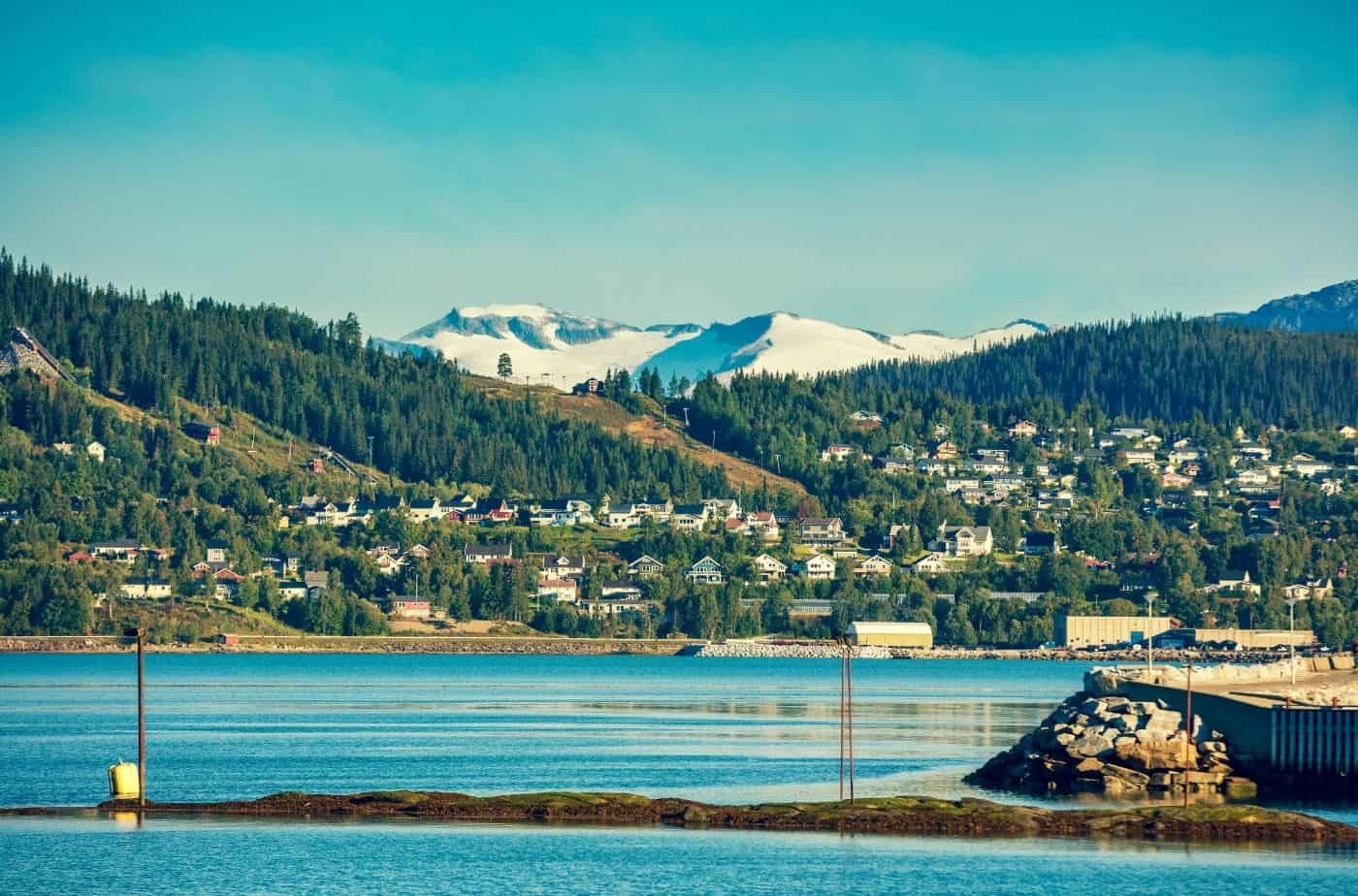
Explore a scenic section of the European Highway 6 between Narvik and Mo i Rana.

Explore a scenic section of the European Highway 6 full of World War II history.