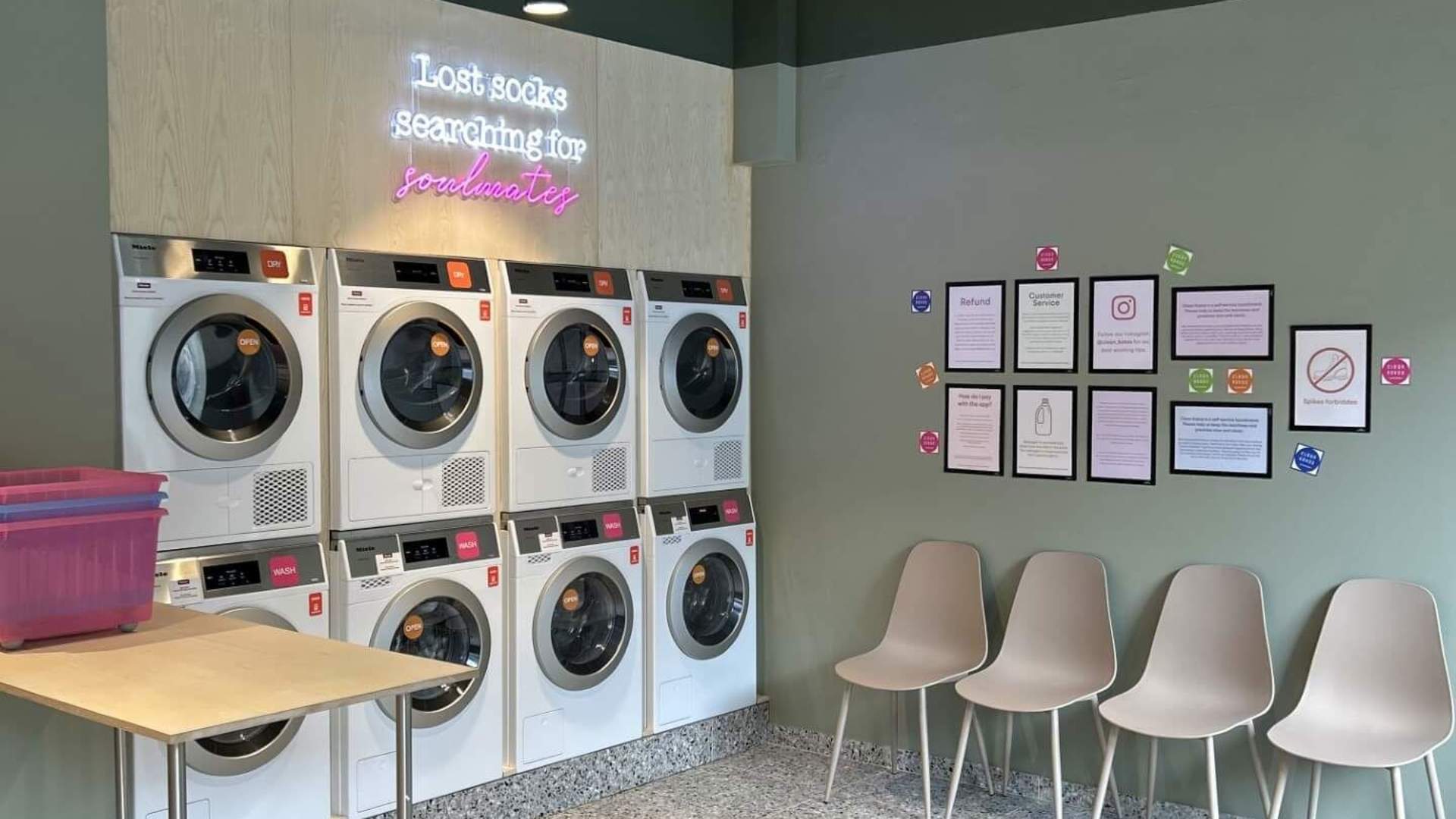
Where to Find a Laundromat in Norway
Find the best laundromat in Norway to do your laundry while traveling. Discover tips for fresh wardrobe maintenance on the go.

Svolvær is the capital of the Lofoten Islands. Here you will find all the major activities on offer, including the famous excursions to Trollfjord. It is an excellent place to base yourself during your Lofoten stay.
Latitude: 68.2 degrees north
Population: 4,700
Sami name: Suolvearra
Hottest month: July
Coldest month: February
Wettest month: October
Windiest month: December
Annual precipitation: 273mm
Svolvær Municipality
Here’s an overview of some of the best things to see and do in Svolvær
I have a dedicated page for things to do in Svolvær, which you can see by clicking the button below.
This museum is the private collection of one man, William, and is a treasure trove of items from the Second World War.
Looking to go for a hike or take part in a unique experience? Here are my recommendations!
Please note – the links provided are affiliate links. I only recommend experiences that I have researched and/or tested and focus on providing unique, local things to do!
Located just south of Svolvær, along the Lofoten Tourist Road, is the Viking Museum at Borg.
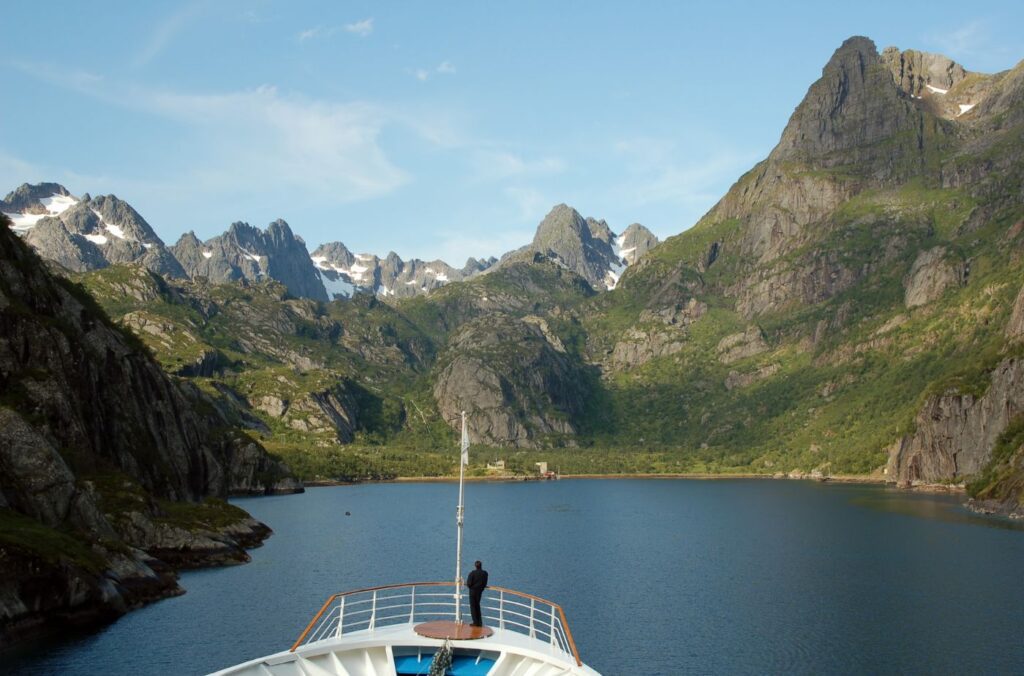
Trollfjord is one of the most unique fjords in Norway. It is only accessible by special tours. You will almost always see sea eagles along the way.
There are a few ways to visit Trollfjord:
Take an electric ferry over to the fjord. Click here to view the tour.
Take a Zodiac (RIB) tour. Click here to view the tour.
I have done both and can’t say which one is better – it completely depends on which mode of transport you prefer. I preferred the RIB boat 🙂
It is possible to see the northern lights in Svolvær, though I’d recommend you book a tour as the town has a lot of light pollution.
Join this guided tour by van (they will drive you around until you see the lights). Click here to view the tour.
You can also join a tour on the electric ferry. Click here to view the tour.
Towering above town is Svolværgeita (the “Svolvær Goat”), a twin-peaked spire that looks like a goat’s horns and has become the iconic symbol of Svolvær.
While scaling Svolværgeita is a technical rock climb (for experienced climbers with a guide), hikers can tackle the adjacent Fløya mountain (590 m). A steep, well-marked trail from town leads up Fløya, with chains provided in the steepest parts.
Partway you’ll find Djevelporten (“Devil’s Gate”), a boulder wedged high between cliffs – a famous (if nerve-wracking) photo spot for those who dare to carefully step onto it.
Reaching Fløya’s summit rewards you with a panoramic 360° view over Svolvær, surrounding islands, fjords and the open sea – an absolutely breathtaking outlook, especially under the Midnight Sun. Even if you don’t hike up, simply gazing at Svolværgeita’s dramatic “goat horns” from town is impressive in its own right.
At 367 m, Tjeldbergtinden is an accessible hike suitable for beginners and families, with a well-marked trail starting just outside Svolvær (near Osan).
It’s a gentle 3–4 hour round trip through birch forest and up to twin peaks. The northwestern summit is highest, offering a fantastic view over Svolvær town, the surrounding fjords and islands – don’t forget to sign the logbook at the top!
This hike is relatively easy and kid-friendly, and is often doable in most seasons (snowshoeing in winter), making it a great all-year option for a short walk with rewarding views.
For a slightly more challenging trek, head up Kongstindan (552 m). This hike takes ~2–3 hours return and starts by a small power station northeast of town.
The trail climbs steeply at first but then follows a ridge of flat rock slabs. In dry weather, it’s a fantastic walk, with sweeping views over Svolvær, surrounding peaks and the ocean – you truly feel “king of the mountain” at the summit (befitting the name Kongstindan, meaning “King’s mountain”).
Do attempt this on a clear, dry day if possible, as the rocks can turn slippery in rain.
It’s a worthwhile hike for intermediate fitness levels, offering big vistas for relatively modest effort.
Follow my road-trip guides for scenic trips around Svolvær
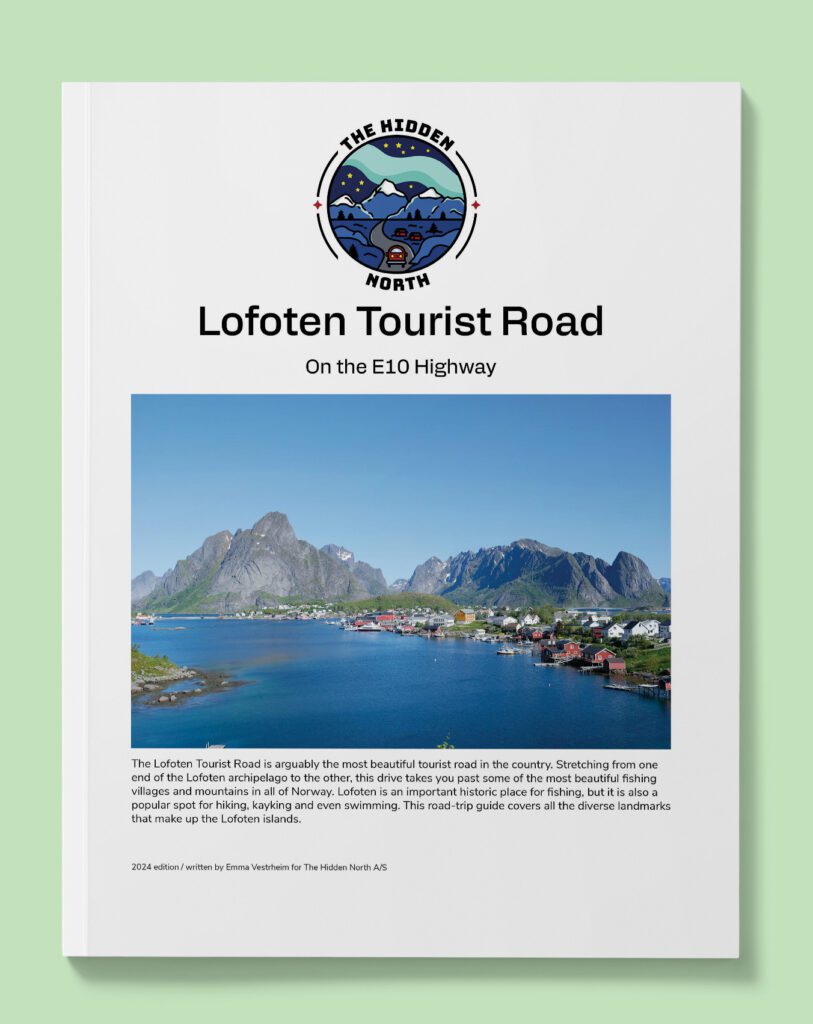
The Lofoten Tourist Road is arguably the most beautiful tourist road in the country. Stretching from one end of the Lofoten archipelago to the other, this drive takes you past some of the most beautiful fishing villages and mountains in all of Norway. Lofoten is an important historic place for fishing, but it is also a popular spot for hiking, kayking and even swimming. This road-trip guide covers all the diverse landmarks that make up the Lofoten islands.
No self-guided walks are currently available for Svolvær
Watch my YouTube videos featuring Svolvær
This video covers the stretch of road between Å and Svolvær
This video covers the stretch of road between Svolvær and Harstad
This video was recorded over two days from the Thon Hotel in Svolvær town centre.
This walking tour was recorded in winter and covers the historic and modern parts of Svolvær.
Here are some things that you must do and try in Svolvær
The roots of Svolvær’s significance go back over a millennium. Just 5 km away in present-day Kabelvåg was Vågar, founded around 800 AD, which became the first town in Northern Norway. Svolvær itself was first mentioned in writings in 1573 under Danish rule, its name derived from Old Norse svalr (chill) + vær (fishing village) – literally “cold fishing village”. For centuries, this area was at the heart of the Lofoten fisheries, and seasonal fishing stations here prospered off the annual cod harvest.
By the late 19th century, Svolvær was a bustling fishing port. A famous 1890 confrontation known as the “Svolvær Rebellion” or Svolvær Standoff saw local small-boat fishermen face off against large steam trawlers over cod fishing rights, an incident that led to Norway implementing regulations to protect traditional fisheries. In 1918, Svolvær’s importance was formally recognized when it was granted town status (ladested) and established as its own municipality.
Though it later lost that status in a mid-20th-century municipal consolidation, Svolvær continued to thrive as the economic and cultural centre of the region. The Norwegian government eventually re-declared Svolvær a city in 1996, and today it serves as the administrative centre of Vågan Municipality in Nordland.
World War II left its mark on Svolvær. The town’s factories produced cod-liver oil and glycerine – critical for explosives – making it a target for German occupation. On 4 March 1941, British and Norwegian commandos carried out Operation Claymore, a daring raid on Svolvær and other Lofoten ports. They destroyed fish oil facilities, sank German ships, and famously seized code wheels and documents for the Enigma cipher machine – intelligence that helped Allied codebreakers at Bletchley Park turn the tide of the war. In retaliation, the Germans tightened their grip; Svolvær became a regional Gestapo headquarters, and to this day it has several surviving German bunkers and tunnels hidden around town. The war was tough on locals, but their resilience is evident – Svolvær was rebuilt and memorials and museum collections now preserve this dramatic history.
With ~5,000 residents, Svolvær is Lofoten’s largest community and its unofficial “capital”. The economy is diverse for a town its size – traditional fisheries and seafood processing, of course, but also a thriving tourism and hospitality sector, creative arts and crafts, education and public administration, plus transport and logistics supporting the islands. The harbour is still filled with working fishing boats, especially in cod season, but you’ll also see tour boats, ferries and the Hurtigruten docking daily. This mix gives Svolvær an active year-round vibe: there’s a bustle during the winter fishing months and a surge of visitors in summer, with locals adept at welcoming and working across both worlds.
Fly: Svolvær has a small airport with flights going to Bodo.
Drive: Svolvær is located on the E10, the main highway running through Lofoten.
Train: No train access
Ferry: Svolvær is a port of call on the coastal ferry. Both the northbound and the southbound ferry stop in the evening.
Svolvær’s town centre is walkable, but if you want to explore Lofoten you will need a car.
Cafes & Bakeries
For a light bite or coffee, try Kringla Bakery & Café, set in one of Svolvær’s oldest wooden houses (circa 1896). It’s famous for its kanelboller (cinnamon buns) – a must with your morning coffee – as well as fresh breads, cakes and sandwiches.
Another favourite is Laura’s Cafe, a hip coffee roastery in the downtown shopping arcade. Laura serves what many call the best coffee in Lofoten, roasting their own beans, and offers light lunch fare like salads, toasties, and pastries (with options for gluten-free diets).
Casual Eateries & Pubs
Bacalao is Svolvær’s iconic casual hangout – a combined café, restaurant and pub on the harbour front. It has a laid-back vibe, outdoor seating by the water, and a menu ranging from hearty fish soup to steaks, plus of course its namesake dish bacalao (a spicy tomato-based cod stew) prepared Lofoten-style. Bacalao is open from morning coffee to late-night drinks, often hosting live music on weekends.
Another popular spot is Fellini Pizza & Grill, a family-run pizzeria known for the best pizza in town. Fellini offers Norwegian-sized pizzas with an array of toppings (including local twists like a “Lofoten Special”), and also grills up burgers, pasta and kebabs. They’re one of the few places open late, which saved many a hungry traveller arriving after 10 pm.
For something different, Svolvær also has a Chinese restaurant (Ni Hao) and seasonal food trucks, but Bacalao and Fellini are the go-to for reliable, affordable meals in a convivial atmosphere.
High End & Unique Eats
Børsen Spiseri is often rated the top dining experience in Lofoten – set in a restored 1828 wharf warehouse on Svinøya, it oozes character with its timbered interior and maritime artifacts. Børsen’s specialty is lofotekk (stockfish) prepared traditionally – think perfectly rehydrated dried cod served with rich accompaniments like creamed carrots, egg butter and bacon, a dish that’s a true taste of Lofoten. The menu features local seafood and game, and booking ahead is recommended as this intimate restaurant fills up, especially in summer.
Another excellent choice is Restaurant Kjøkkenet (“The Kitchen”), part of Anker Brygge on Lamholmen islet. Kjøkkenet serves classic Lofoten dishes with a gourmet touch – their boknafisk (semi-dried cod) and halibut are standouts, and they even offer reindeer from the north for a taste of Sámi cuisine
All my hotel recommendations are based on research and experience. I don’t recommend somewhere unless I think it is wonderful! The Hidden North focuses on accommodation that provides good quality for price or offer local or unique experiences.
Camping
Budget travellers and outdoorsy folks can opt for campsites just outside Svolvær. In summer, Lofoten Feriesenter (near the lake just south of town) offers tent pitches, caravan spots and simple cabins, while Hammerstad Camping (about 10 km north, along Austnesfjord) provides cabins in a quiet fjordside setting. At Hammerstad you can wake up to stunning views over the water and even rent a small boat for fishing or island-hopping. Facilities typically include kitchens, showers, and power hook-ups for campervans. Wild camping is also legal in Norway (with the usual “leave no trace” ethos), so adventurous souls can pitch a tent in the surrounding hills or beaches – but official campgrounds will give you some comforts and local advice. These options are seasonal (open roughly May–September) and very affordable, allowing you to experience Lofoten’s nature up close.
Cabins & B&Bs
There are so many cabins for rent – many of them are outside of the town centre and require a car so you can get around. If you have a car, I recommend staying out of the town centre.
Svolværgeita Apartments are highly rated apartments with full kitchens. Click here to view rates & book
Chains & Mid-Range
Scandic Svolvær: Click here to view rates & book
Thon Hotel Lofoten: Click here to view rates & book
High End & Unique Properties
Svinøya Rorbuer is my favourite place that I’ve stayed in Svolvær. The property consists of authentic rorbuer (fishermens cabins) that you can rent. Many of the cabins are heritage listed!
Sunrise: 10:42am
Sunset: 1:40pm
Average Temperature: 0.4C (32.7F)
Sunrise: 8:22am
Sunset: 4:10pm
Average Temperature: -0.7C (30.7F)
Sunrise: 6:24am
Sunset: 5:59pm
Average Temperature: 0.4C (32.7F)
Sunrise: 5:11am
Sunset: 8:55pm
Average Temperature: 3.3C (37.9F)
Sunrise: 2:45am
Sunset: 11:15pm
Average Temperature: 7.2C (45F)
Midnight sun
Average Temperature: 10.8C (51.4F)
Midnight sun until 19 July
Average Temperature: 13.9C (55.8F)
Sunrise: 4:17am
Sunset: 9:51pm
Average Temperature: 13.2C (55.8F)
Sunrise: 6:16am
Sunset: 7:35pm
Average Temperature: 10.1C (50.2F)
Sunrise: 8:05am
Sunset: 5:28pm
Average Temperature: 6.4C (43.5F)
Sunrise: 9:16am
Sunset: 2:15pm
Average Temperature: 3.6C (38.5F)
Polar night from 7 December
Average Temperature: 1.6C (34.9F)

Find the best laundromat in Norway to do your laundry while traveling. Discover tips for fresh wardrobe maintenance on the go.

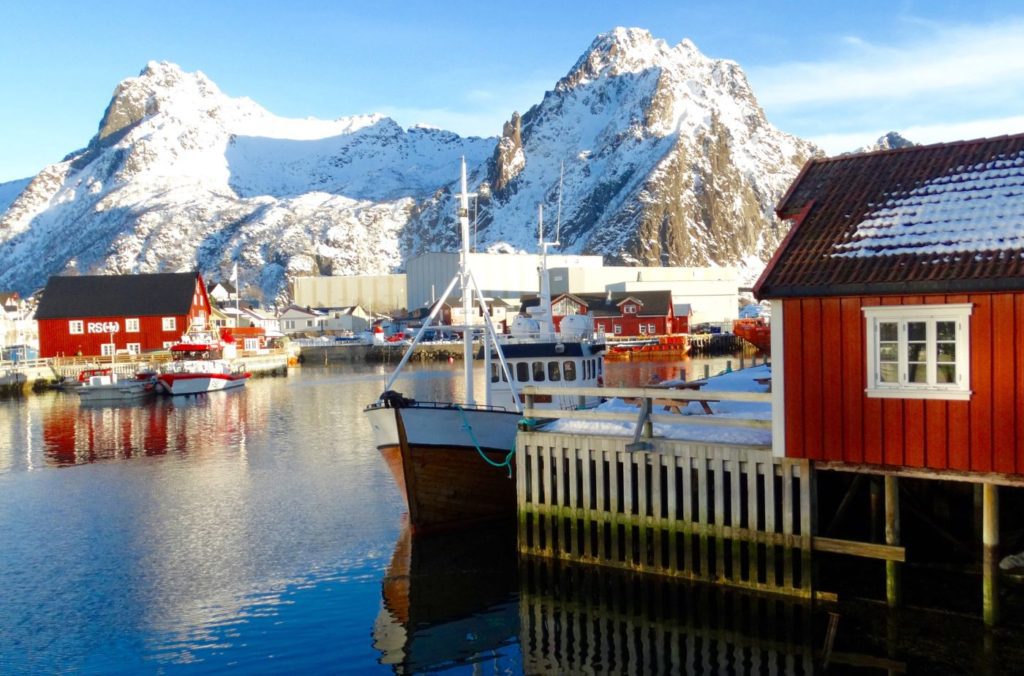
This comprehensive guide to winter travel in Norway will help you plan your winter vacation in the right way.
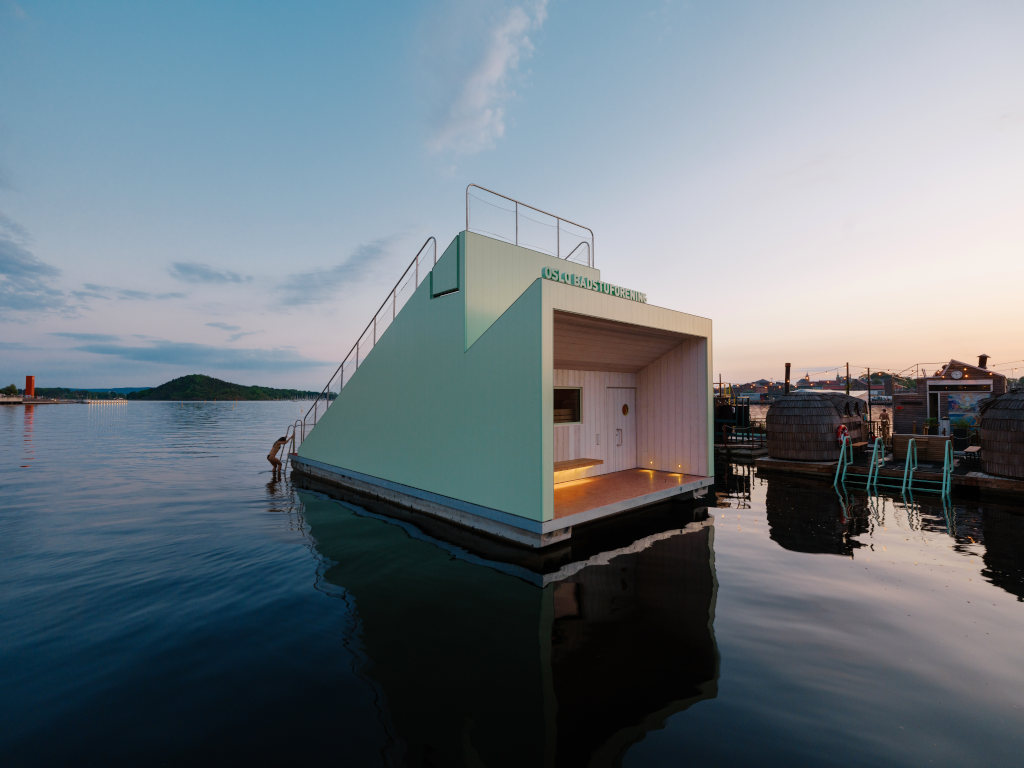
Here’s my overview of where you can find saunas in Norway, and how the whole process works!
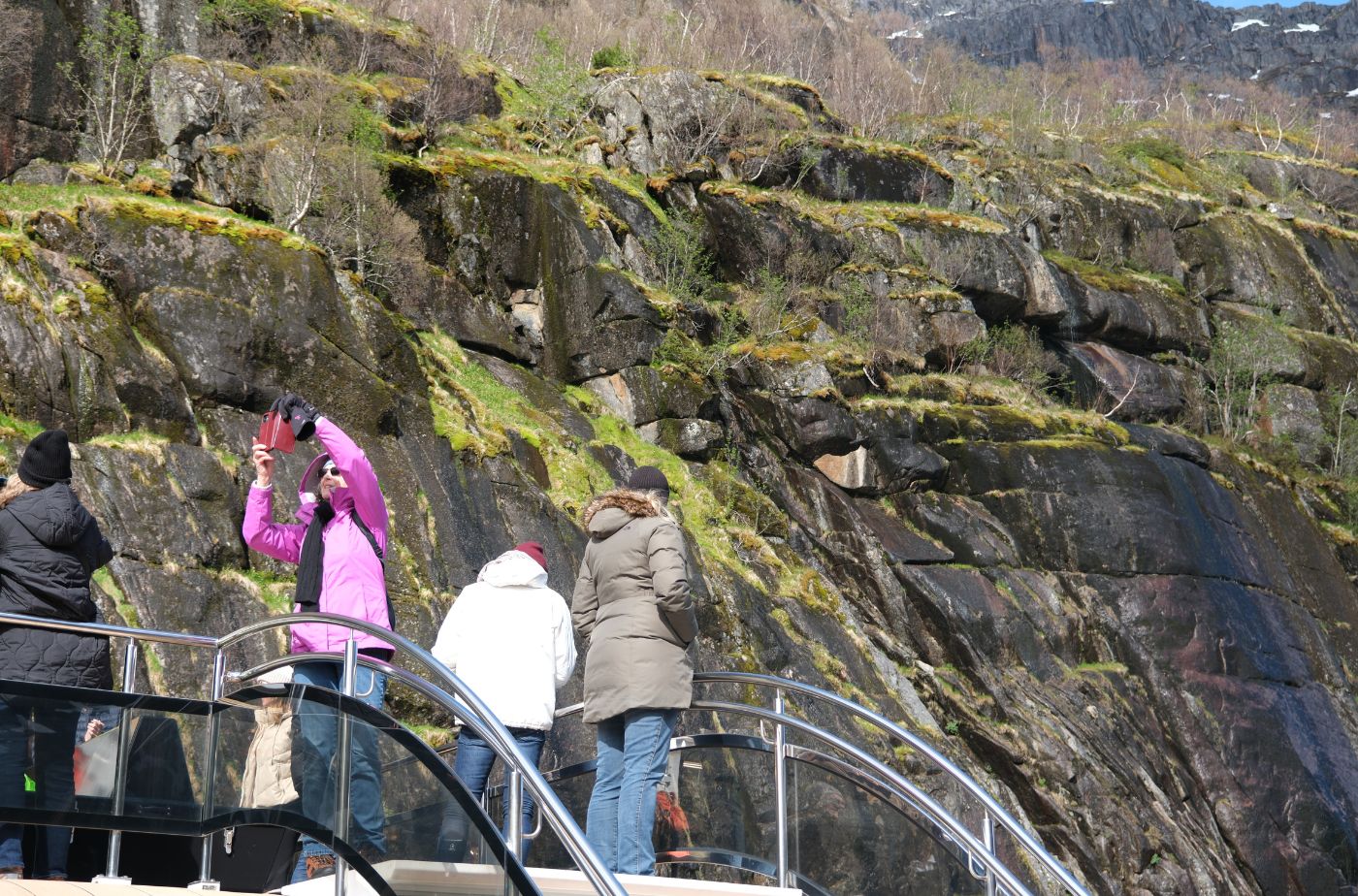
Read my guide for the best things to do when you are in Svolvær.

Read our road-trip guide to Harstad and Svolvaer.
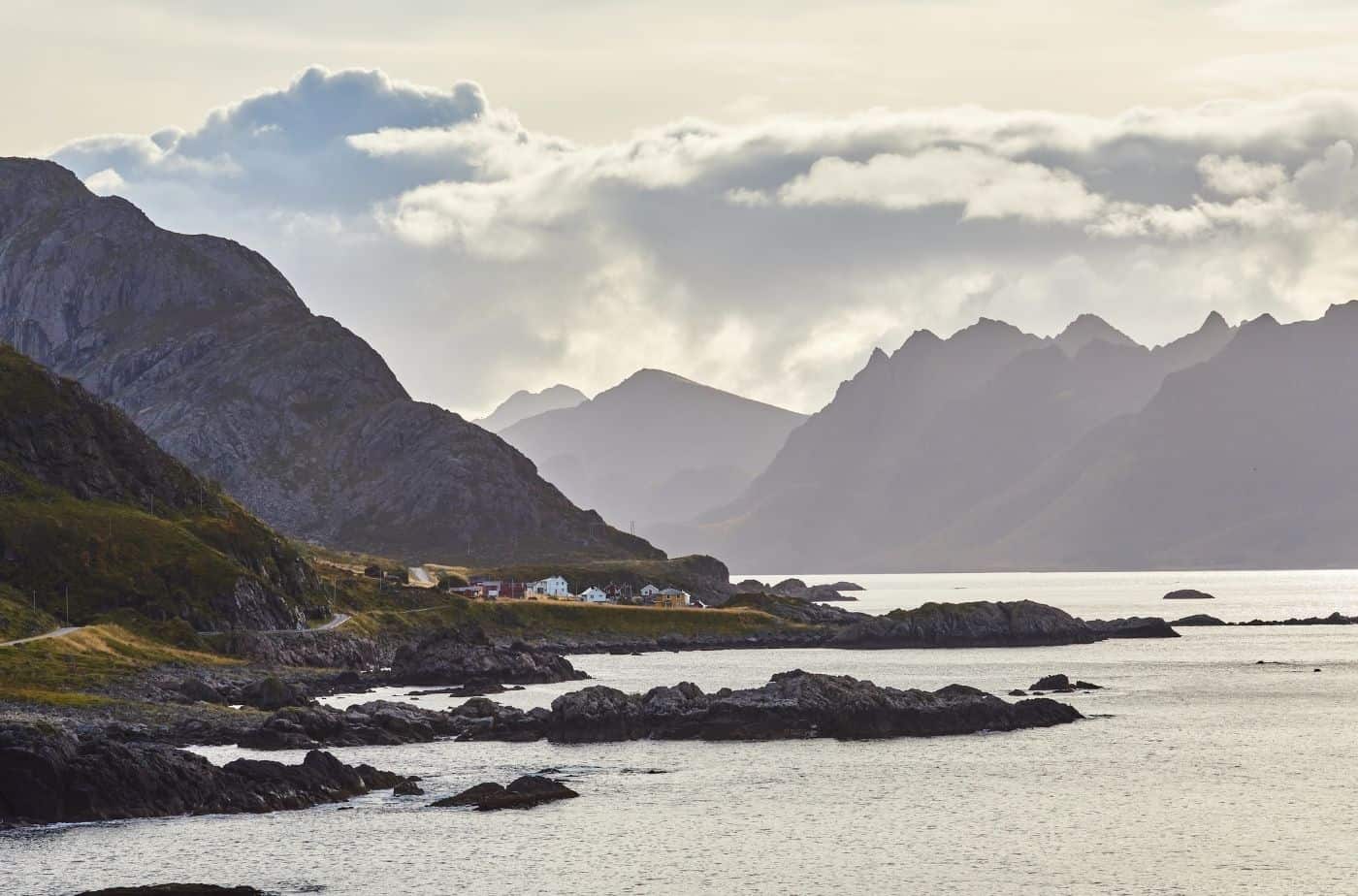
Enjoy this drive through scenic Lofoten and Vesterålen