Population 7,000 / 60 degrees north

Odda, Norway

Located close to the Hardanger region, Odda is a small industrial town that has become very popular for hikes in the summer – most famously, the Trolltongue hike. 

About Odda

Latitude: 60 degrees north

Population: 7,000

Hottest month: July

Coldest month: February

Wettest month: October

Windiest month: January

Annual precipitation: 555mm

Odda Municipality

In this Travel Guide...

Map of Odda

Things to See & Do

Here’s an overview of some of the best things to see and do in Odda

Museum

Norwegian Museum for Hydroelectric Power and Industry

Located in nearby Tyssedal, the Norwegian Museum of Hydropower and Industry explores the industrial history that transformed the Hardanger region during the early 20th century. The museum is housed inside a beautifully preserved power station and combines impressive architecture with interactive exhibitions. Visitors can learn how hydropower shaped local communities and Norwegian industrial development. Guided tours provide insight into both engineering and workers’ history.

Stave Church

Røldal Stave Church

The church is located just outside Odda and is one of Norway’s 28 remaining stave churches. 

Hikes, Day Trips & Experiences

Looking to go for a hike or take part in a unique experience? Here are my recommendations!

Please note – the links provided are affiliate links. I only recommend experiences that I have researched and/or tested and focus on providing unique, local things to do!

Hiking

Troll Tongue

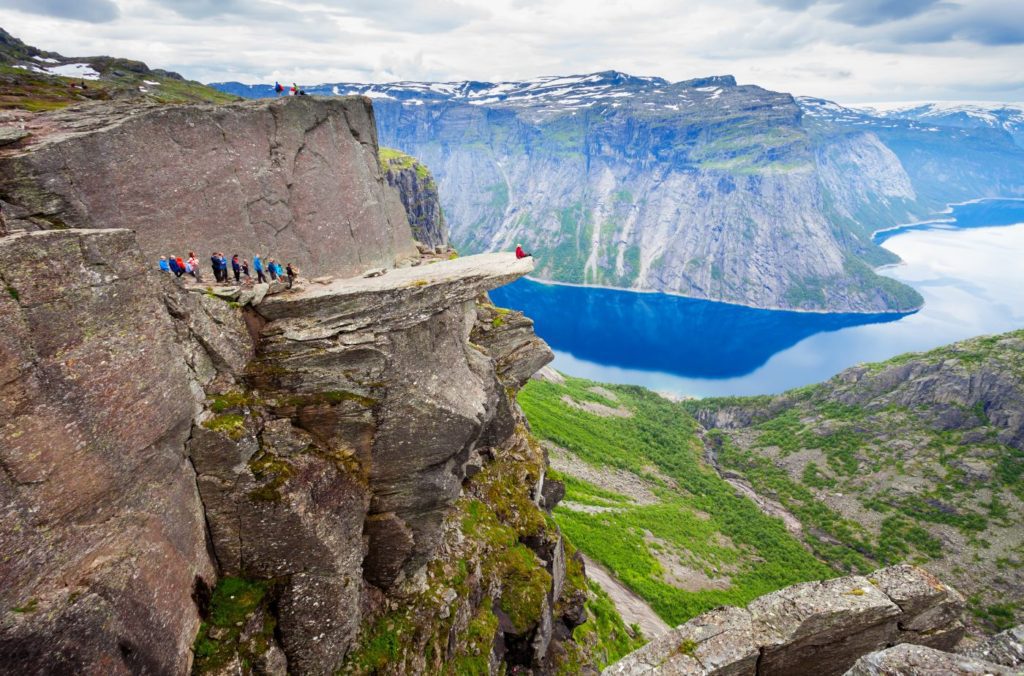
Trolltunga is one of Norway’s most famous natural landmarks and attracts hikers from around the world. The dramatic rock formation extends horizontally above Ringedalsvatnet lake, creating one of Scandinavia’s most iconic viewpoints. The hike is demanding but rewards visitors with spectacular mountain scenery, glaciers and fjord landscapes throughout the journey. During the summer, guided tours and shuttle services make the route more accessible for travellers.

Natural Attraction

Låtefossen

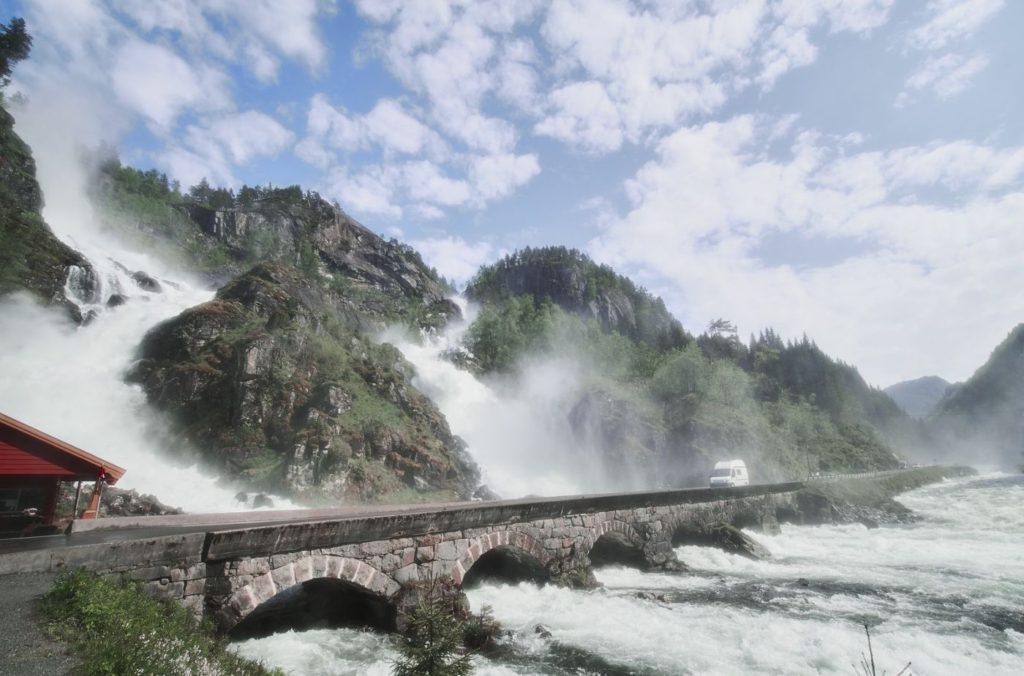
Låtefossen is one of Norway’s most photographed waterfalls, known for its twin streams cascading dramatically beneath a historic stone bridge. Located along the road near Odda, the waterfall is easily accessible and especially powerful during spring and early summer snowmelt. Visitors can walk close to the falls and feel the spray from the rushing water. The surrounding valley scenery adds to the dramatic atmosphere.

Hiking

Rossnos

Rossnos is the highest mountain that you can hike to from Odda. At the top, there are excellent views over the Folgefonna glacier. The trip is approximately 10km round-trip and can take up to 8 hours. it is considered a demanding hike. 

Hiking

Jordalsnuten

Jordalsnuten is accessed from the Rv13 highway just outside Odda. The trip is 9km round-trip and is a medium-grade hike. 

Glacier Hiking

Folgefonni Breførerlag

Folgefonni Breførerlag are specisalists when it comes to glacier hiking. Their tour starts at the Fonna Glacier Ski Resort and takes you across Juklavassbreen. The tour takes 5-6 hours total and includes lunch.

Glacier

Buarbreen

Buarbreen is a glacier arm extending from Folgefonna glacier and offers one of the region’s most rewarding shorter hikes. The trail passes rivers, suspension bridges and rocky terrain before reaching impressive blue glacier ice surrounded by steep mountains. Guided glacier hikes are available during summer for visitors seeking more adventurous experiences. The scenery combines waterfalls, forests and rugged alpine landscapes.

Road-Trips

Follow my road-trip guides for scenic trips around Odda

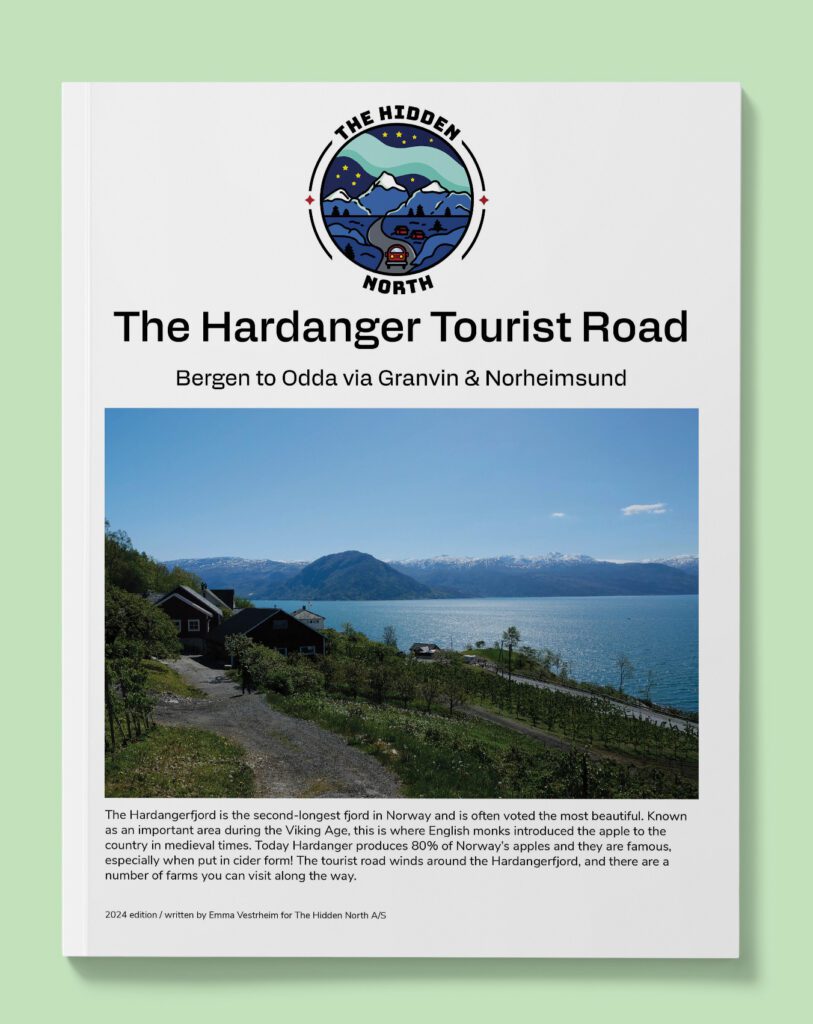
Hardanger Tourist Road

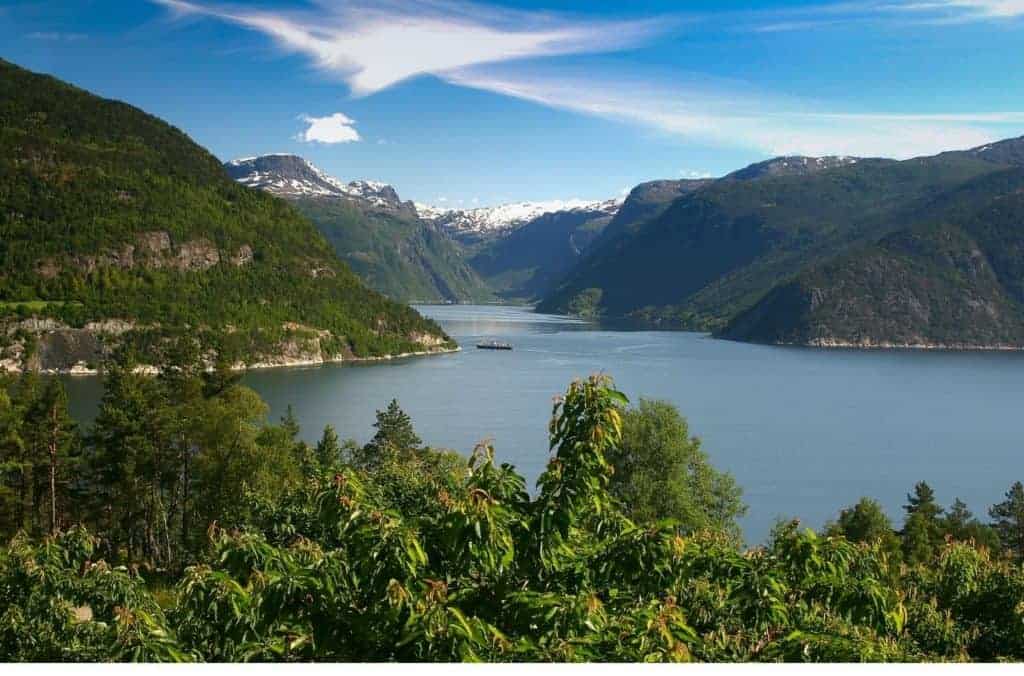
The Hardangerfjord is the second-longest fjord in Norway and is often voted the most beautiful. Known as an important area during the Viking Age, this is where English monks introduced the apple to the country in medieval times. Today Hardanger produces 80% of Norway’s apples and they are famous, especially when put in cider form! The tourist road winds around the Hardangerfjord, and there are a number of farms you can visit along the way.

Ryfylke Tourist Road

Ryfylke is a traditional district and part of the Rogaland County in south-west Norway. The name comes from the Old Norse word meaning ‘person who eats rye’ and refers to the Rugiere, a Germanic tribe that emigrated from southwestern Norway to Pomerania around 100AD. The landscape in Ryfylke is characterised by high mountains though the outer islands are much flatter. Narrow fjords cut into the mountain areas throughout the entire area. The oldest settlement in the county took place in the mountains at least 7,000 years ago. The region today is protected and a tourist road because of the industrial growth that emerged here in the 19th century, especially with regards to mining and power production. The drive is short but is a scenic alternative to the Rv13.

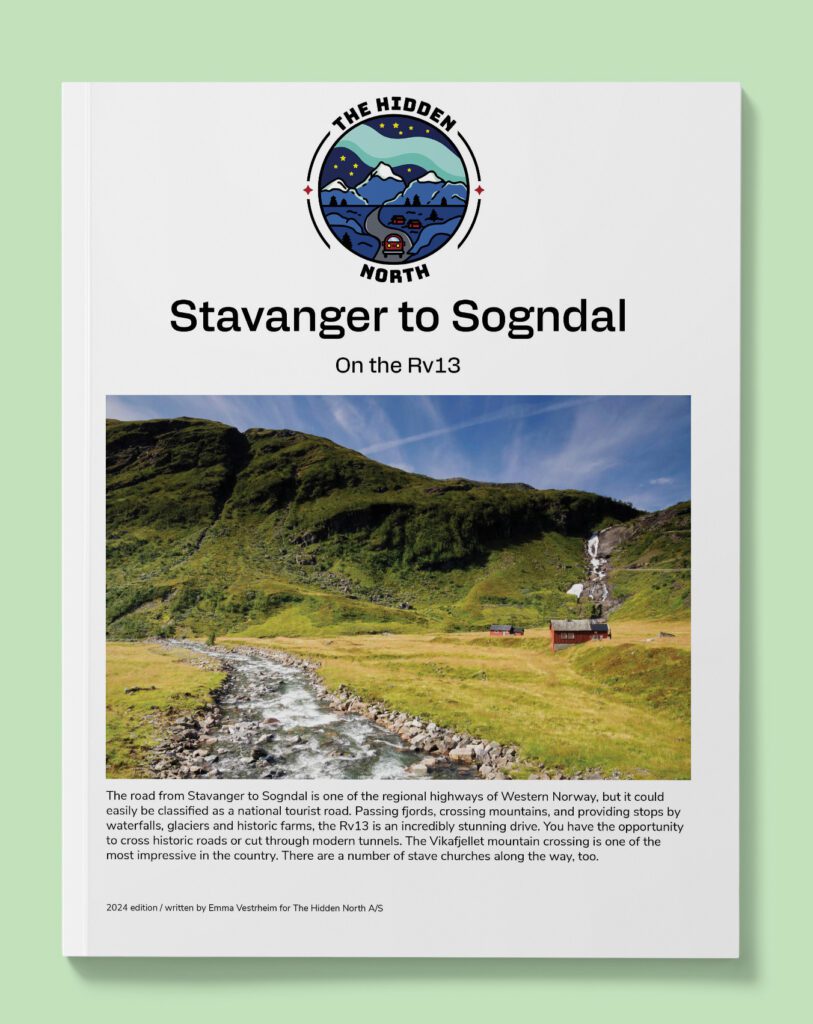
Stavanger to Sogndal on the Rv13

The road from Stavanger to Sogndal is one of the regional highways of Western Norway, but it could easily be classified as a national tourist road. Passing fjords, crossing mountains, and providing stops by waterfalls, glaciers and historic farms, the Rv13 is an incredibly stunning drive. You have the opportunity to cross historic roads or cut through modern tunnels. The Vikafjellet mountain crossing is one of the most impressive in the country. There are a number of stave churches along the way, too

Self-Guided Walks

No self-guided walks are currently available for Odda

Odda on YouTube

Watch my YouTube videos featuring Odda

History of Odda

Odda developed from a small fjord settlement into an important industrial town during the early 20th century following the expansion of hydroelectric power and heavy industry. The powerful waterfalls and rivers surrounding the area created ideal conditions for electricity production, attracting factories and industrial investment. Large industrial plants transformed the town economically and socially, bringing workers and new communities to the region. Nearby Tyssedal became one of Norway’s earliest major hydropower centres.

Before industrialisation, the Hardanger region was primarily known for farming, fishing and fjord trade. Fruit orchards thrived along the fjord due to the relatively mild climate, and many traditional farms remain active today. Boats were historically essential for transport between isolated fjord communities long before modern roads connected the region.

In recent decades, tourism has become increasingly important to Odda’s economy, especially following the international popularity of Trolltunga. Outdoor recreation, fjord tourism and glacier experiences now attract visitors from around the world while industrial heritage remains an important part of local identity.

Odda Today

Modern life in Odda revolves around tourism, outdoor recreation and the dramatic landscapes of the Hardanger region. The town has become a major base for hikers visiting Trolltunga, Folgefonna and surrounding mountain areas. During summer, visitors from around the world fill cafés, hotels and outdoor shops throughout the town centre.

Despite growing tourism, Odda still maintains a strong connection to its industrial heritage and local community traditions. Residents enjoy close access to hiking, skiing, fishing and fjord activities throughout the year. The surrounding orchards and farms also continue to play important cultural and economic roles within the region.

The atmosphere in Odda is relaxed and nature-focused, with mountains and waterfalls visible from almost everywhere in town. Seasonal changes strongly shape local life, from glacier hiking in summer to snow-covered mountain landscapes during winter. The combination of industry, fjords and outdoor culture gives Odda a unique identity within western Norway.

Travel Information

Getting Here

Fly: The nearest larger airports are Bergen Airport and Haugesund Airport. Travellers usually continue to Odda by car, bus or fjord transport through western Norway’s scenic mountain and coastal routes.

Drive: Odda is reached by scenic roads through Hardanger and western Norway’s fjord region. Driving routes include waterfalls, mountain plateaus, tunnels and ferry crossings with spectacular scenery throughout the journey.

Train: There is no railway station in Odda. The nearest train connections are typically combined with buses from Bergen, Voss or eastern Norway.

Ferry: Ferries throughout Hardangerfjord connect fjord communities and form part of many scenic journeys through the region. Boat travel remains an important part of experiencing the fjord landscapes.

Getting Around

Odda’s compact town centre can easily be explored on foot. Rental cars are highly recommended for reaching hiking trails, glaciers and scenic fjord routes throughout Hardanger. Shuttle buses operate seasonally to popular hiking areas such as Trolltunga. Guided tours, fjord boats and kayaking excursions are also widely available during summer.

Shops

Places to Eat

Cafes & Bakeries

Smeltehuset – A lively café and cultural venue known for coffee, local food and concerts connected to Odda’s industrial heritage atmosphere.

Restaurants

Vertshuset Hardanger – Restaurant serving hearty Norwegian dishes, seafood and international favourites in a relaxed atmosphere.

High End & Unique Eats


Places to Stay

All my hotel recommendations are based on research and experience. I don’t recommend somewhere unless I think it is wonderful! The Hidden North focuses on accommodation that provides good quality for price or offer local or unique experiences. 

Camping

Odda Camping is one of the main campgrounds. 

Click here to view rates & book

Trolltunga Hostel – Popular budget accommodation for hikers visiting Trolltunga, offering practical facilities and scenic surroundings near the fjord.

Cabins & B&Bs

Trolltunga Hotel is a guesthouse with basic rooms and a restaurant. 

Click here to view rates & book

Chains & Mid-Range


High End & Unique Properties

The Tyssdeal Hotel is a historic building from 1913 in the Art Deco style. 

Click here to view rates & book

All Posts About Odda