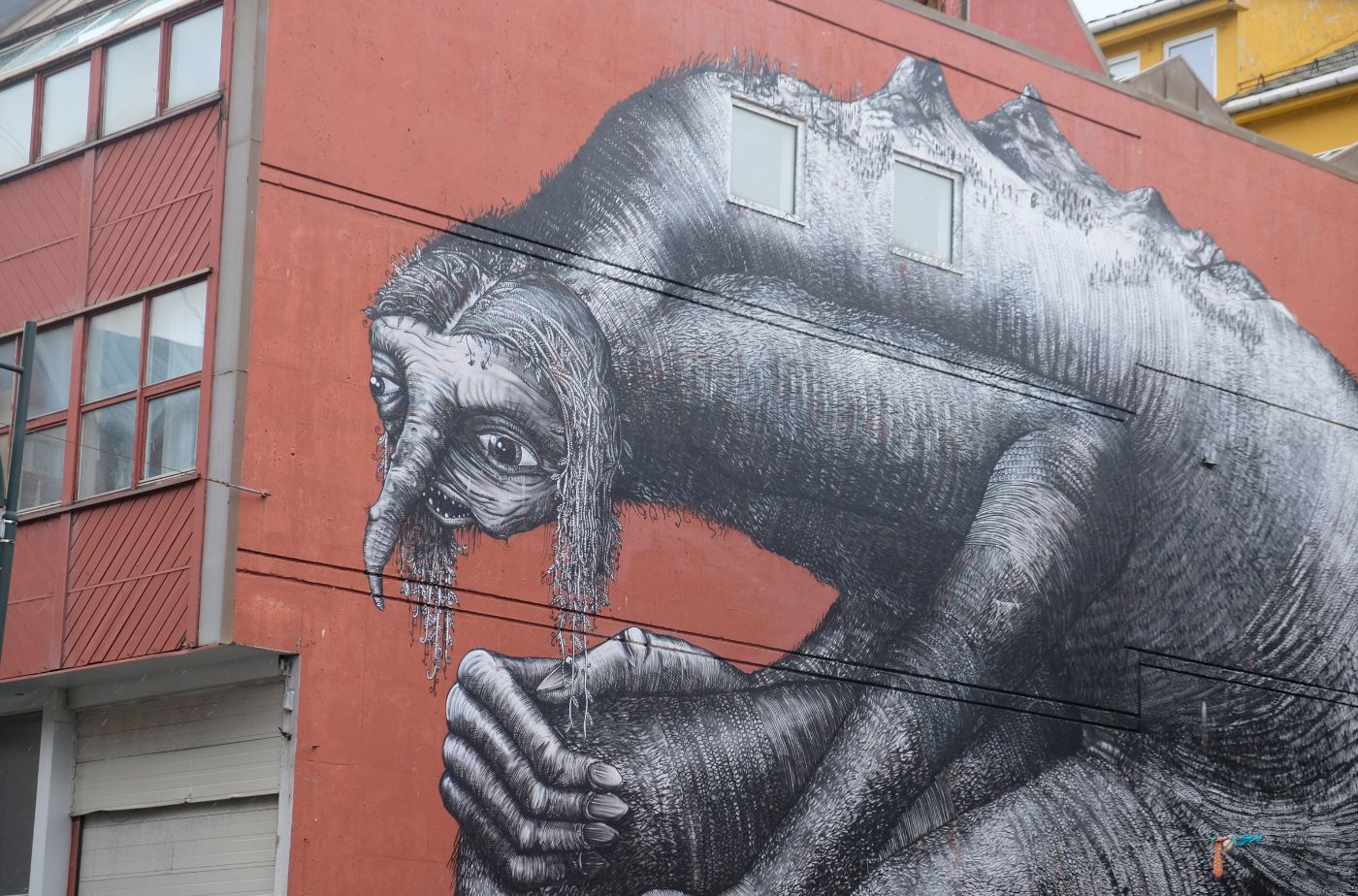
Exploring Street Art in Bodø
Here’s my overview of where you can find the best street art in Bodø!
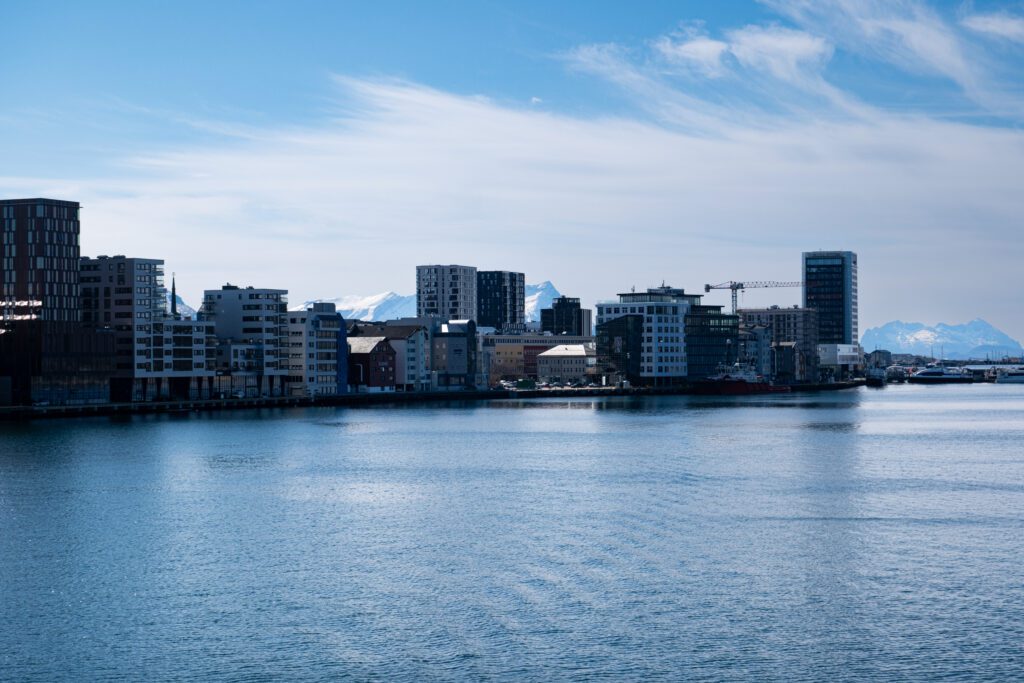
Bodø is a lovely town. Located just north of the Arctic Circle, the city is currently undergoing a huge transformation. It was mostly destroyed during the Second World War and rebuilt in a functionalist style but is now the European Capital of Culture for 2024. Artists and musicians come to Bodø, and now the city is earning a reputation for being very cool.
Latitude: 67.2 degrees north
Population: 53,000
Sami name: Bådåddjo
Hottest Month: July
Coldest Month: February
Wettest Month: October
Windiest Month: January
Annual Precipitation: 654mm
Bodø Municipality
Here are some things that you must do and try in Bodø
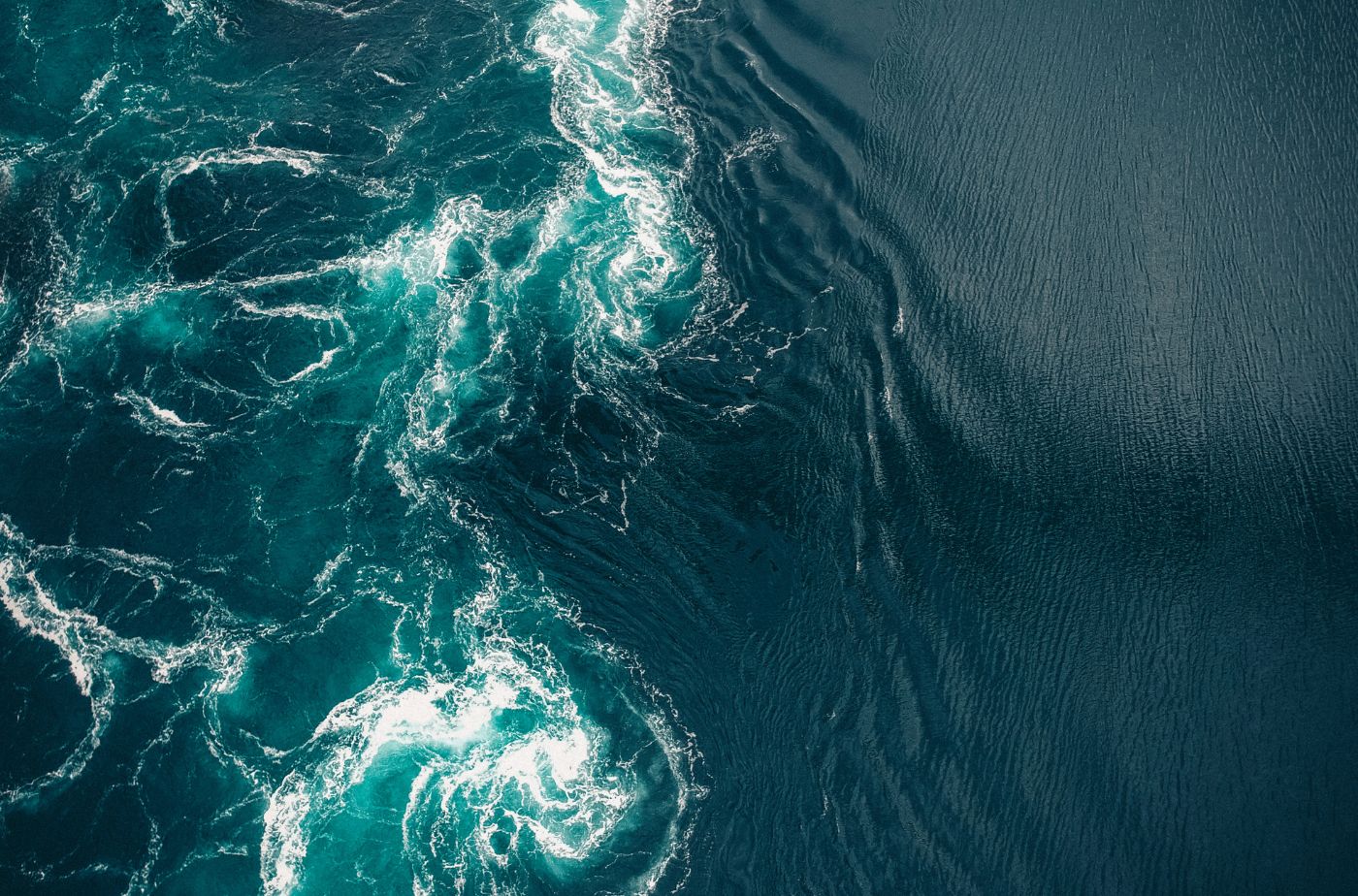
This is amongst the strongest tidal currents in the world, with water speeds reaching 22 knots (41km/h, 25 mph). It is possible to drive there, but I recommend taking a guided zodiac boat there. The area is also popular with anglers (record-size cod and halibut are caught here) and sea eagles often circle above, swooping down for fish flung up by the churning waters.
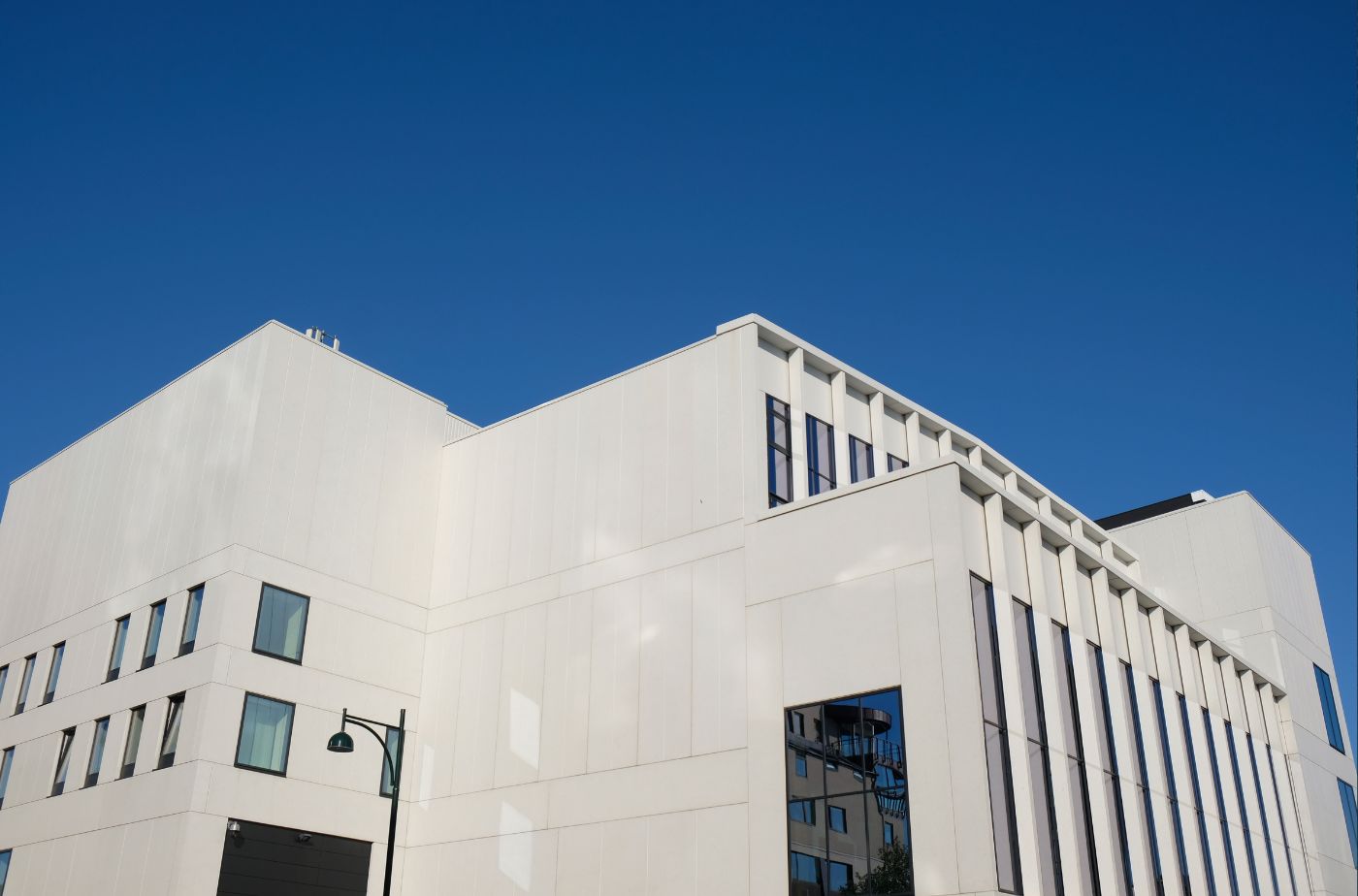
The new cultural centre Stormen opened in 2014 and contains a library, concert hall and theatre. The building was designed by Daniel Rosbottom and David Howarth from London-based DRDH architects.
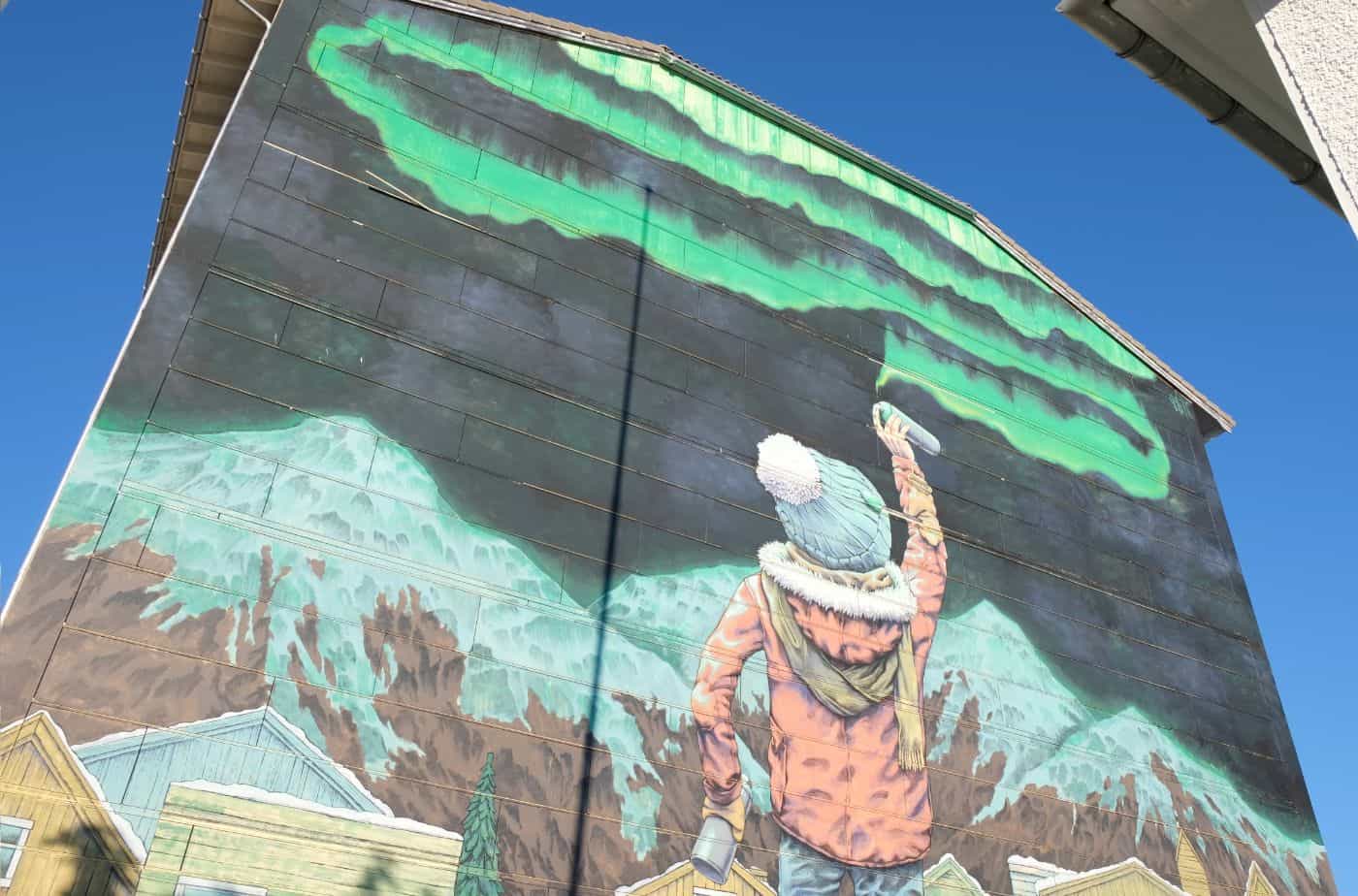
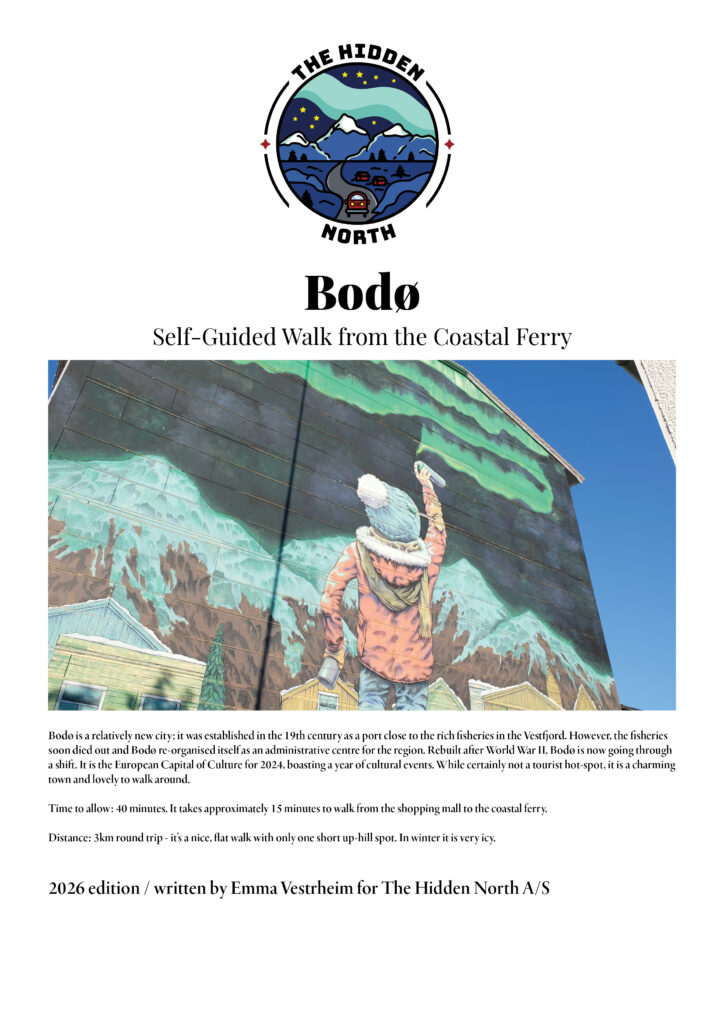
Bodø is famous for its street art. You’ll see many incredible works around the city.
Here’s an overview of some of the best things to see and do in Bodø.
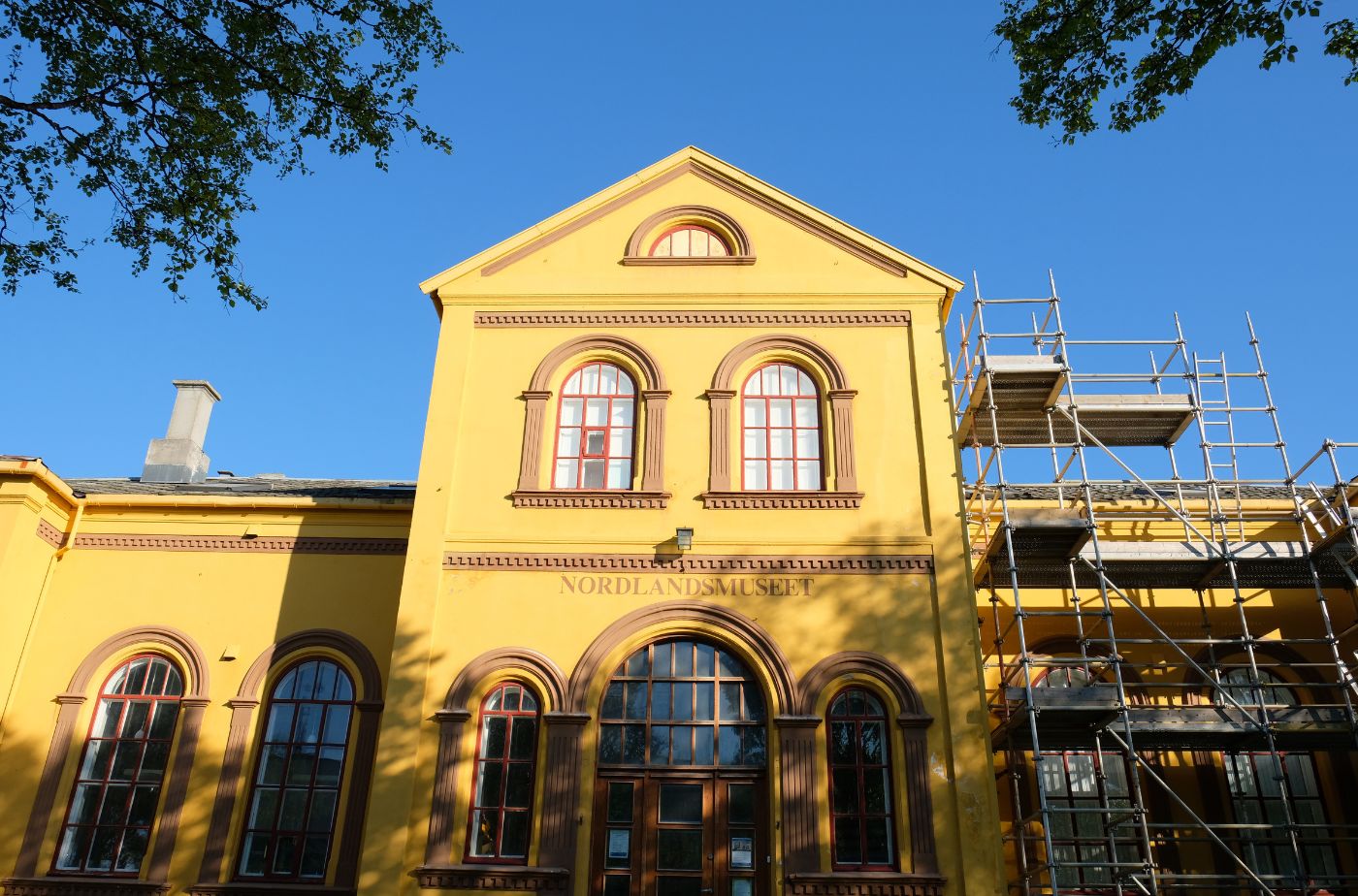
The Bodø City Museum features various exhibitions on both local history and events from around the world. Be sure to check their website for updated information.
Explore Norway’s aviation history at the country’s national flying museum in Bodø. The distinctive propeller-shaped building houses over 40 civilian and military aircraft, including a WWII Spitfire, a Cold War-era Starfighter, and the famous U-2 spy plane that once put Bodø on the world map. Interactive exhibits let you test a flight simulator and learn how Norway’s air network helped connect remote Arctic communities. This is the largest aviation museum in the Nordic countries, with 10,000 m² of exhibits under one roof
The Bodø City Museum has exhibitions on the Lofoten fisheries, a Sami exhibiton, Viking treasures, and an exhibition about Bodø’s history.
The Norwegian Jekt Trade Museum opened in 2019 and is where you can see the Anne Karoline, the last of the trade ‘jekts’ (wide wooden cargo vessels). For centuries these ships carried stockfish to Bergen, and the museum tells this story.
Looking to go for a hike or take part in a unique experience? Here are our recommendations!
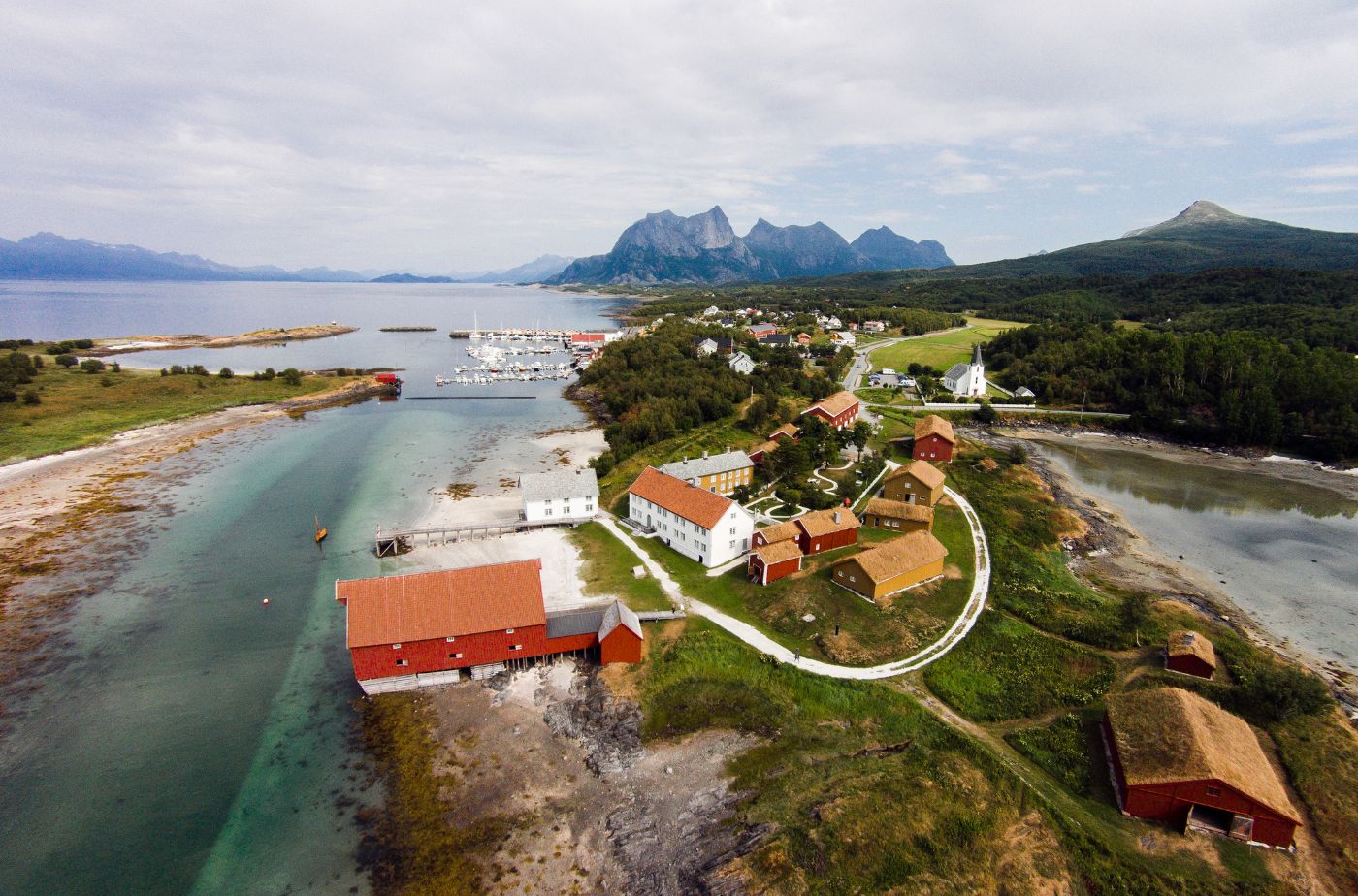
Step back into the 19th century at this open-air museum on a coastal island just north of Bodø. The Kjerringøy Old Trading Post preserves 15 historic buildings in a beautiful seaside setting. Once one of northern Norway’s richest mercantile hubs, it showcases the life of both wealthy traders and local fishermen circa 1800s. A guided tour (available in summer) leads through storehouses, the stately main house, and barns filled with traditional equipment. There’s a quaint café and museum shop on site, and getting here is half the fun – a scenic 40-minute drive from Bodø plus a short ferry ride from Festvåg to Kjerringøy
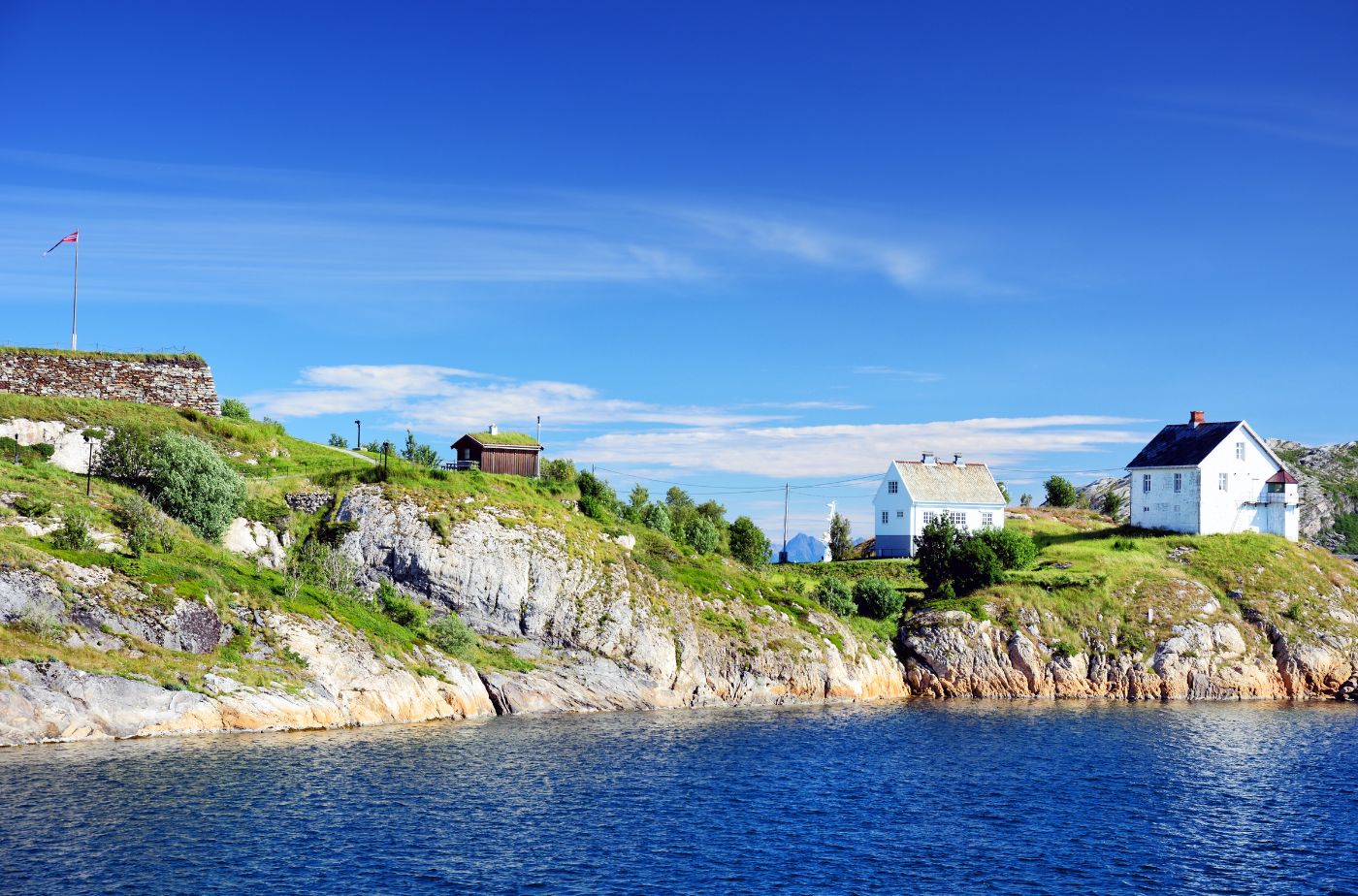
Nyholmen is a fortress that was built to protect the city’s grain stocks from British warships during the Napoleonic Wars. It is a nice place to walk, but takes about 45 minutes from the city centre.
The hike Fykantrappa is a unique experience. It’s a wooden staircase that was built in 1919 by the ‘Rallare’. The Rallare were lower class Norwegians who’d mostly get work on construction jobs. The staircase was built so they could construct a hydropower station. The staircase has 1129 steps and is 1.7km long, reaching a height of 300 metres.
Bodø’s signature hike – a “not very demanding” trek to a superb viewpoint. A well-marked 5.5 km round-trip trail (with sturdy stone steps built by Sherpas) leads to the peak, which overlooks Bodø city and the sea. It takes 2–3 hours return on an easy-to-moderate incline. At the summit you’re rewarded with a 360° panorama: to the north, the craggy Lofoten Islands; south, the Helgeland coast; east, snow-topped mountains on the Swedish border. There’s a sheltered cabin (“Kværmannsbu”) at the top to escape the wind on blustery days. This hike is popular year-round – midnight sun hikes in summer and even winter ascents with headlamps or snowshoes when conditions allow.
The hike Fykantrappa is a unique experience. It’s a wooden staircase that was built in 1919 by the ‘Rallare’. The Rallare were lower class Norwegians who’d mostly get work on construction jobs. The staircase was built so they could construct a hydropower station. The staircase has 1129 steps and is 1.7km long, reaching a height of 300 metres.
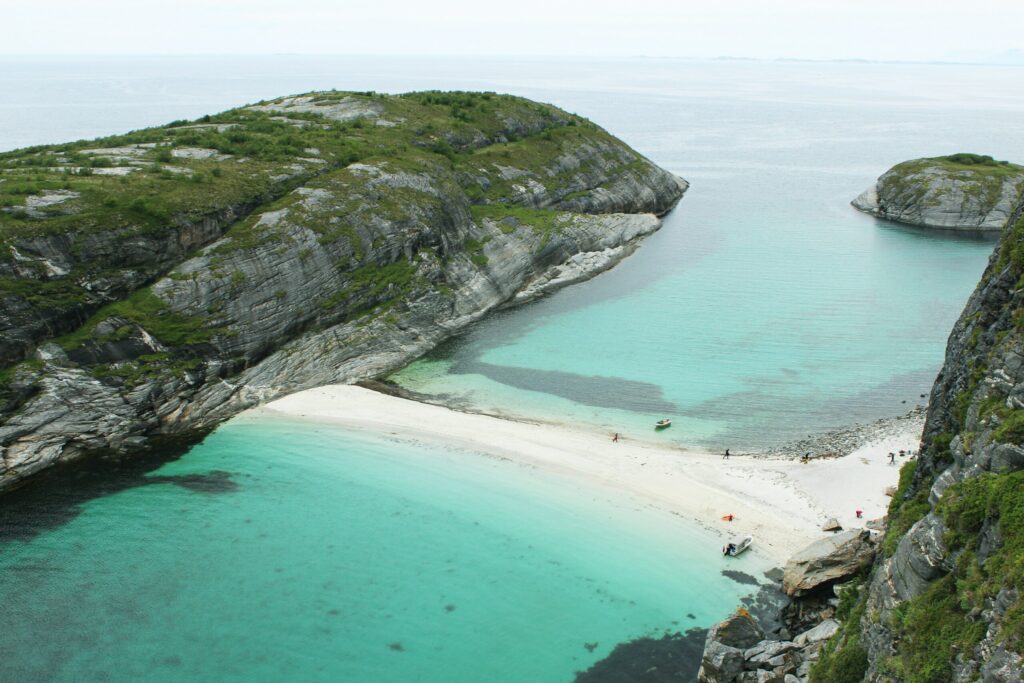
Hovsundet beach is a famous beach near Bodø. To get there, you need to do a 1.5 hour hike.
An easy 2.2 km wander to a unique Arctic beach. The trail starts from a car park 20 km north of Bodø (reachable by bus + 3 km walk) and gently winds through coastal heath to Mjelle – a cove with sand often glowing red-pink from crushed garnet stones. In summer, it’s an idyllic spot for a picnic under the midnight sun; in winter, it offers serene views of the wild Norwegian Sea and snow-dusted rocks. Benches and picnic tables along the way suit all fitness levels. Locals love this area – as a famous local song goes, “Mjelle is different from everything else. You have to be here to understand.”
Follow our road-trip guides for scenic trips around Bodø.
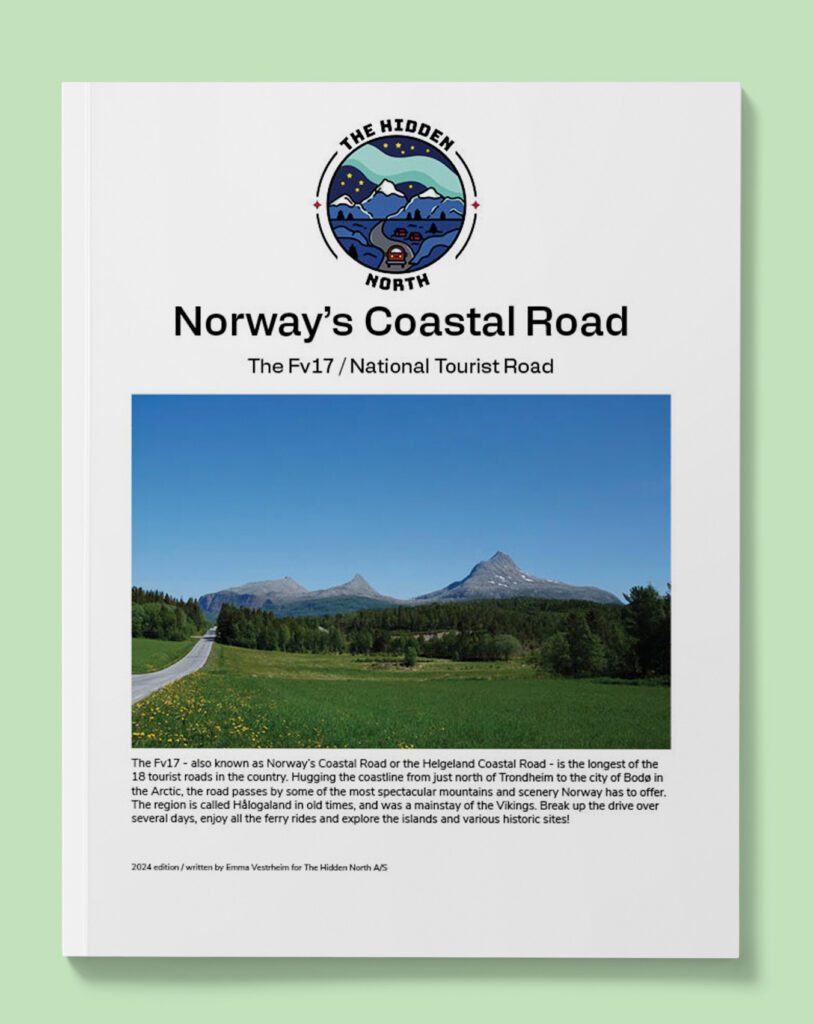
The Coastal Road is the longest of Norway’s 18 national tourist roads, and covers the length from Trondheim to Bodø.
Here are our self-guided walks for Bodø.
Tromsø is one of the most historic cities in Northern Norway, and this self-guided walk will take you past the major attractions including the cathedral, shopping street, hotdog stand, and Polar Museum.
Watch our YouTube videos featuring Bodø.
Join me for a walk around Bodø in December around the polar night season. This walk was done during the coastal ferry journey when in port.
Join us on the last stretch of Norway’s famous coastal road.
Bodø was established as a trading town in 1816 on the Bodø peninsula. The town’s founders aimed to tap into the lucrative fish trade – particularly the export of dried cod (stockfish) which had long been the “gold” of Nordland. Indeed, by the 19th century, stockfish from this region was one of Norway’s main exports, ferried south by the jekt cargo boats every summer. An early international incident, the Bodø Affair of 1818, saw British merchants caught smuggling contraband fish from Bodø and demanding compensation – putting the tiny town briefly in the global eye. Despite such drama, Bodø grew slowly, its economy centered on fisheries and trade.
World War II brutally altered Bodø. On 27 May 1940, German bombers devastated the town, flattening about 420 of 760 buildings and leaving thousands homeless. Bodø’s entire city centre was almost wiped off the map in a single day. After the war, a massive reconstruction effort began. The downtown was rebuilt in a functional modernist style – simple concrete buildings with large windows and gabled roofs (practical for heavy snow) defined the new Bodø. The city we see today still retains this 1950s character and a few surviving pre-war structures (like Bodø’s 1903 post office and the 1912 Customs House which withstood the bombing). The war years are documented at the Bodø War Museum, and a reconstructed German communications bunker near the harbour can be visited for a glimpse into the occupation period.
Owing to its strategic northern location, Bodø became a Cold War hotspot. The Royal Norwegian Air Force established a major NATO airbase here, and throughout the Cold War Bodø’s airport hosted Norwegian and allied fighter jets guarding the Arctic skies. In 1960, Bodø was thrust into international headlines when an American U-2 spy plane (piloted by Gary Powers) was shot down over the Soviet Union – its flight plan revealed Bodø as the destination, which greatly angered the Soviets. Nikita Khrushchev even threatened retaliation on Bodø, making the city a pawn in the superpowers’ chess game. Although nothing happened, locals still refer to the U-2 incident as the day Bodø appeared on world maps. The Norwegian Aviation Museum now displays a piece of that U-2 plane and recounts this tense episode.
Post-1960s, Bodø blossomed into a vibrant regional capital. In 1968 it absorbed the surrounding rural municipality (Bodin), boosting its population and area. Fishing and shipping remained important, but new industries arrived – education, establishing a regional university (today Nord University), and later, tourism. By the 1990s and 2000s, Bodø was transforming from a mere transport hub to a city with its attractions. The decommissioning of the Air Force fighter wing (completed by 2017) freed up land and impetus for urban renewal. In a symbolic nod to its cultural rise, Bodø was named European Capital of Culture 2024, the first Arctic town to ever hold that title. This recognition culminated Bodø’s historical journey – from a tiny trading post to a war-torn village to a confident Arctic city known for nature and culture.
Today Bodø is a thriving city of about 50,000 people, often dubbed Northern Norway’s “mini metropolis”. It combines urban amenities with a rugged outdoor lifestyle. Strolling through downtown, you’ll see modern glass buildings alongside functional 1950s blocks, filled with cafes, shops, and street art. The waterfront has been revitalised with the sleek Stormen Library and Concert Hall – once a car park, now a cultural heart where locals attend concerts, art exhibits and readings. The city’s skyline is modest but growing – new hotels, apartments and even plans for relocating the airport to expand the city show Bodø’s forward-looking mindset. Despite occasional Arctic blasts of weather (Bodø is known for being windy!), the infrastructure is solid – roads, public transport, hospitals and schools serving as a hub for the whole Salten region.
Bodø’s designation as a 2024 Culture Capital was no accident – the city has embraced arts and innovation. There’s a burgeoning creative scene, with young entrepreneurs and artists energising former industrial spaces. For instance, a disused grocery shop on Storgata is now Noua, a contemporary photo art gallery and community space started by returning Bodø natives. Small music venues, like the waterfront Beddingen Kulturhus, host local bands and visiting Sami musicians, reflecting an increased pride in indigenous culture.
Modern Bodø has a surprisingly rich food scene for a small city. There’s a strong local food culture – weekends might involve trips to the fishmonger for fresh cod or prawns straight off a trawler, or hunting and foraging in autumn (moose, grouse, cloudberries). Many Bodø residents are avid coffee drinkers; Norwegians per capita are among the world’s top coffee consumers. The city is dotted with cosy cafés where friends meet over a kanelbolle (cinnamon roll) or the local specialty møsbrømlefse (a hot flatbread with goat cheese sauce and syrup)
Fly: Bodø Airport is a well-connected airport.
Drive: Bergen is located on the two major European highways – the E16 and the E39 – that run through Norway.
Train: Bodø is the northern terminus of the Nordland Line, which connects the city to Trondheim.
Ferry: Bodø is a port of call for the coastal ferry, which stops here for 2 hours on the northbound journey. Ferries connect Bodø to the Lofoten Islands. You can read my guide for taking the ferry via the link below.
Bodø is a walkable city.
Gundersons is one of my favourite print shops in Norway. Here you can buy beautiful prints of Northern Norway.
The clothing brand Gøril and Frøydis is a locally designed clothing brand – you can check it out at the store O´Johanson (Storgata 28).
Bådin Brewery is a little bit out of town (Tolder Holmers vei 6) but is Bodø’s local microbrewery. You can buy beer there or at some grocery stores in town.
Studio EBN uses salmon leather to created designer bags and accessories – they have been featured in magazines like Vogue, and you can buy them at Storgata 8.
Lastly, you can buy handmade chocolate and macaroons from Craig Alibone in the city centre.
Cafes & Bakeries
Craig Alibone – A taste of Paris in Bodø – this high-end pâtisserie is run by an award-winning pastry chef. Indulge in exquisite cakes, macarons, and handmade chocolates, or even a glass of champagne in the afternoon. It’s small and elegant, ideal for a special treat or dessert stop.
Kafe Kjelen – this café serves Møsbrømetse – flatbread with brown cheese, sugar and melted butter.
Brødrene Berbusmel – a beloved bakery-cafe known for its cozy vibe and delicious pastries. You’ll also find local products for sale.
Melkebaren – Part coffee shop, part ice-cream parlour and roastery. Melkebaren reportedly has “the best coffee and ice cream in town,” plus they sell locally roasted beans and artisanal foods to go. It’s a bright little spot to try a scoop of ice cream in summer or a frothy latte any time.
Casual Eateries
Hundholmen Brygghus – huge menu of beers at this inviting, dimly lit gastropub that serves classic pub meals and Norwegian dishes.
Bryggekaia – A harbourside restaurant with a rustic maritime charm, famous for super-fresh seafood. Locals recommend the fish soup, peel-your-own shrimp platters, and seasonal halibut here. In summer, you can sit on the pier terrace overlooking the boats. It’s casual but can be very lively – a must for seafood lovers.
Gatsby Burger & Bar – Bodø has its share of burger joints. Gatsby is known for a menu of 14 different burgers (from classic beef to chicken and veggie) plus sides like sweet potato fries. They even have shuffleboard and board games, giving it a fun atmosphere. Burgasm, on the other hand, channels a retro American diner vibe with “mind-blowing burgers, fries and milkshakes” – great for a quick, indulgent bite.
High End & Unique Eats
Ohma Asian Cooking – Often cited as one of Bodø’s best restaurants, Ohma offers an upscale Asian-fusion experience. It’s praised for “incredible cocktails and the best sushi in town,” plus delectable dishes like crispy duck and Thai curries. The ambiance is classy yet unpretentious, and it’s located in the Radisson Blu hotel building (convenient for a fancy night out). Reservations recommended on weekends.
Bjørk Restaurant – A chic restaurant known for Italian and Nordic fusion cuisine. Bjørk has a stylish timber-and-glass interior and a menu featuring everything from wood-fired thin crust pizzas and fresh pasta to local delicacies like grilled stockfish with brown butter (their signature dish). It manages to be both a family-friendly pizzeria and a top spot for fine dining – you can go casual or have a multi-course meal. Excellent wine list as well.
Lyst På – An elegant dining room overlooking the marina, focusing on seasonal, locally-sourced dishes. For example, you might find pan-seared Arctic char, reindeer tenderloin with lingonberries, or creative vegetarian dishes using local produce. Bodø’s fine dining scene is still growing, but chefs here pride themselves on authentic northern Norwegian flavors served in modern style
All my hotel recommendations are based on research and experience. I don’t recommend somewhere unless I think it is wonderful! The Hidden North focuses on accommodation that provides good quality for price or offer local or unique experiences.
Campgrounds & Hostels
Bodø Hostel is great for those who want to save money but still be in a great location.
Click here to view rates & book
Geitvågen Camping – For budget travellers and nature lovers, Geitvågen Bad & Camping is a popular choice just 10 km outside Bodø. Set around a natural saltwater lagoon, it offers cabins plus spots for tents, caravans and even hammocks. In summer, Geitvågen is a local recreation area. There’s a sandy beach, a diving tower into the lagoon, and it’s one of the best places to experience the midnight sun over the sea (hence the site’s address on Midnattsolveien, “Midnight Sun Road”). Facilities are basic but include a small café and free Wi-Fi. Waking up to seagulls and mountain views is worth a slightly chilly night.
Guesthouses & BnBs
Opsahl Gjestegaard – A charming guesthouse/B&B in a historic wooden villa (one of the few older houses left in Bodø). Each room is individually decorated with vintage furniture. The atmosphere is homely and quiet, and a continental breakfast is often included. It’s in a residential area a short walk from the centre – offering a more personal stay and a glimpse of Norwegian home life.
Chains & Mid-Range
Clarion Hotel Grand is where I have stayed in town, and it was one of my favourite places on a road-trip around Northern Norway. A historic hotel that survived WWII, right on Storgata (the main street). It’s a smaller, boutique-style hotel with a warm atmosphere. One big perk: they include a complimentary light evening buffet for all guests (typically soup, salad, and a hot dish) which is perfect on cold nights when you don’t want to venture out. The Grand also has memorabilia from its long history in the lobby. Its central location and “great service” are frequently praised. If you like a sense of history and homeliness, this is a good pick.
Click here to view rates & book
Smart Hotel Bodø is an affordable hotel in the city centre.
Click here to view rates & book
The Radisson Blu is a popular chain and they have a hotel in Bodø.
High End & Unique Properties
Located out of Bodø, Kjerringøy Bryggehotell is a unique property that is perfect for those who’d rather be out in nature.
Click here to view rates & book
Wood Hotel Bodø – Opened in 2024, this is Bodø’s newest luxury escape – an “experiential” hotel made primarily of wood perched on Rønvikfjellet hill, about 15 minutes drive from downtown. With 177 rooms, all offering spectacular panoramas of the city, Vestfjord and Børvasstindan mountains, it’s built to blend sustainability with comfort. Guests have prime access to nature (hiking trails start right outside) as well as on-site indulgences like a rooftop heated outdoor pool and sauna with a view. There’s a gourmet restaurant (ATTME) by an award-winning chef and a ground-floor café on the site of the old Turisthytta, Bodø’s historic mountain lodge. In summer you can bask in the midnight sun from the hotel’s terraces; in winter you might catch the Northern Lights flickering above while you relax in the warm pool. This hotel is a destination in itself and perfect for travellers seeking something unique.
Sunrise: 10:19am
Sunset: 2:04pm
Average Temperature: -1C (30F)
Sunrise: 8:16am
Sunset: 4:17pm
Average Temperature: 2C (30.2F)
Sunrise: 6:24am
Sunset: 6pm
Average Temperature: 0C (32F)
Sunrise: 5:17am
Sunset: 8:50pm
Average Temperature: 3C (37F)
Sunrise: 3:05am
Sunset: 10:56pm
Average Temperature: 7C (45F)
Midnight sun
Average Temperature: 10C (50F)
Midnight sun until 13 July
Sunrise: 1:47am
Sunset: 12:30am
Average Temperature: 13C (55F)
Sunrise: 4:27am
Sunset: 9:43pm
Average Temperature: 13C (55F)
Sunrise: 6:19am
Sunset: 7:34pm
Average Temperature: 10C (50F)
Sunrise: 8:02am
Sunset: 5:33pm
Average Temperature: 6C (43F)
Sunrise:9:03am
Sunset: 2:29pm
Average Temperature: 2C (36F)
Sunrise: 11:18am
Sunset: 12:49pm
Average Temperature: 0C (32F)

Here’s my overview of where you can find the best street art in Bodø!
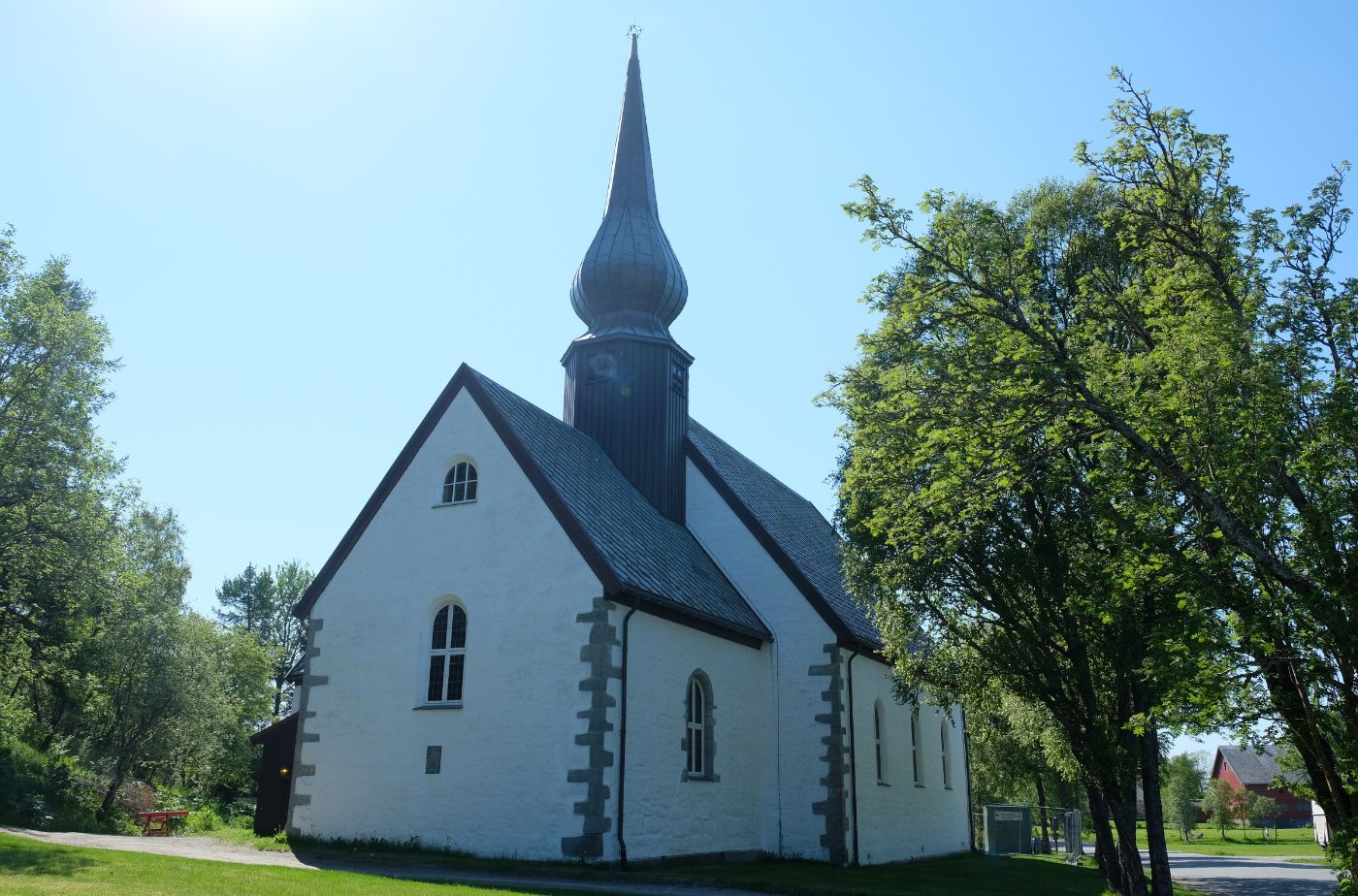
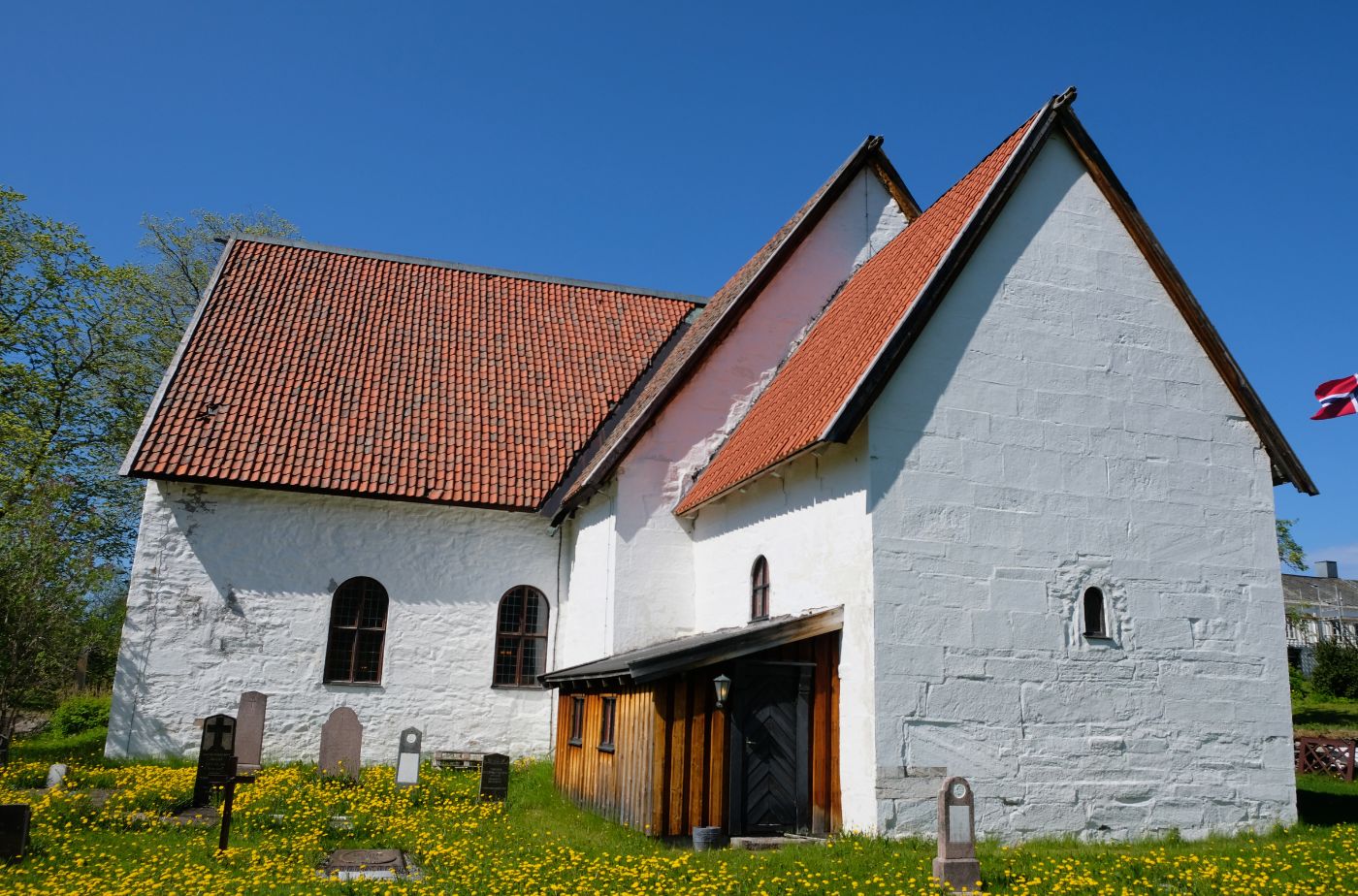
Visit the best-preserved medieval site in Northern Norway!

The Bodo to Moskenes ferry is the most cost-effective and scenic way to get to the Lofoten Islands.
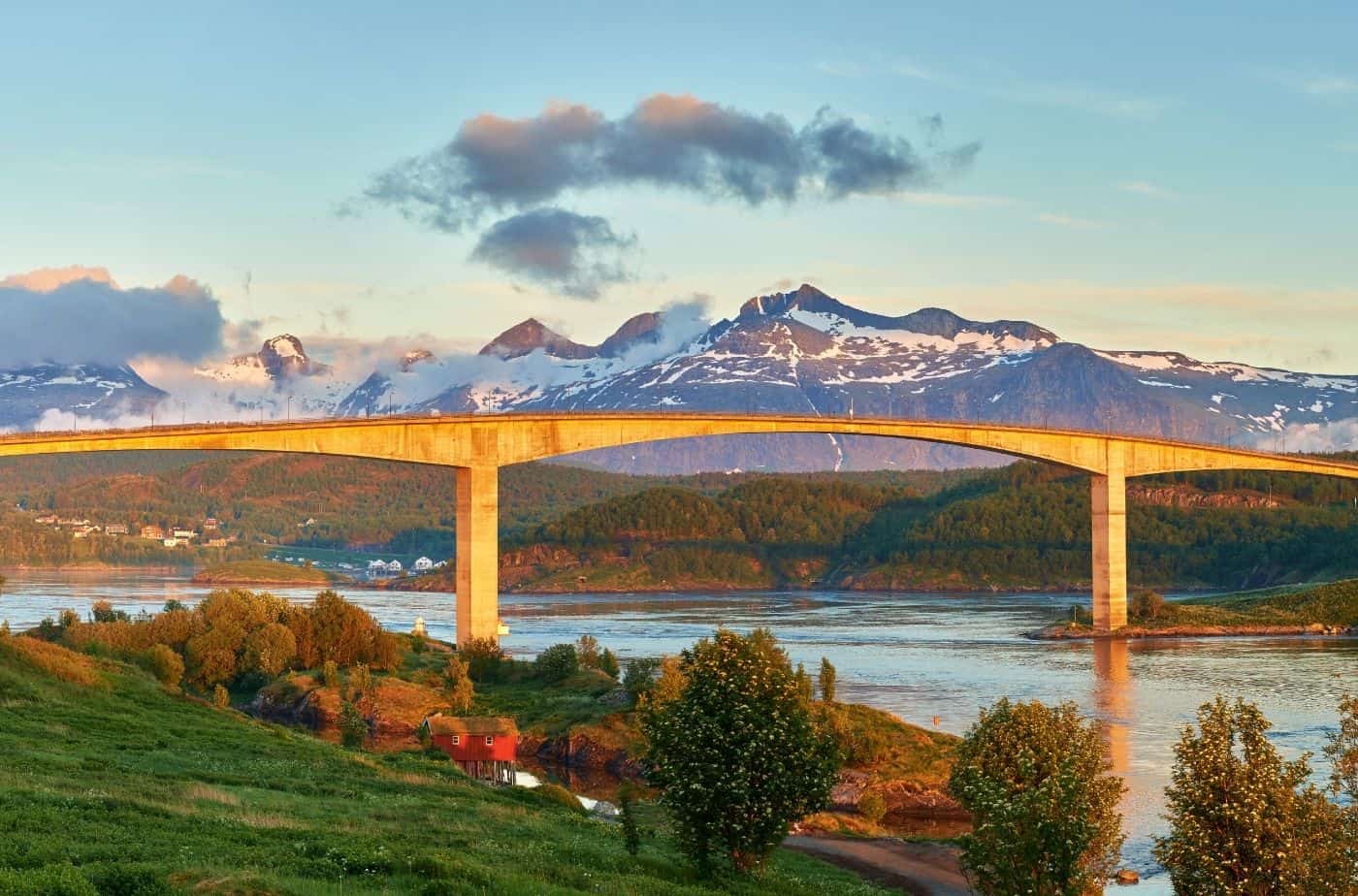
Drive it Yourself: The Coastal Road Day 5 – Forøy to Bodø The Coastal Road that runs from Brønnøysund to Bodø is one of Norway’s

From World War II to Street Art: Bodø Self-Guided Walking Tour Located just above the Arctic circle, Bodø is a city of transformation. Built up in