Population 3,000 / 59.8 degrees north

Rjukan, Norway

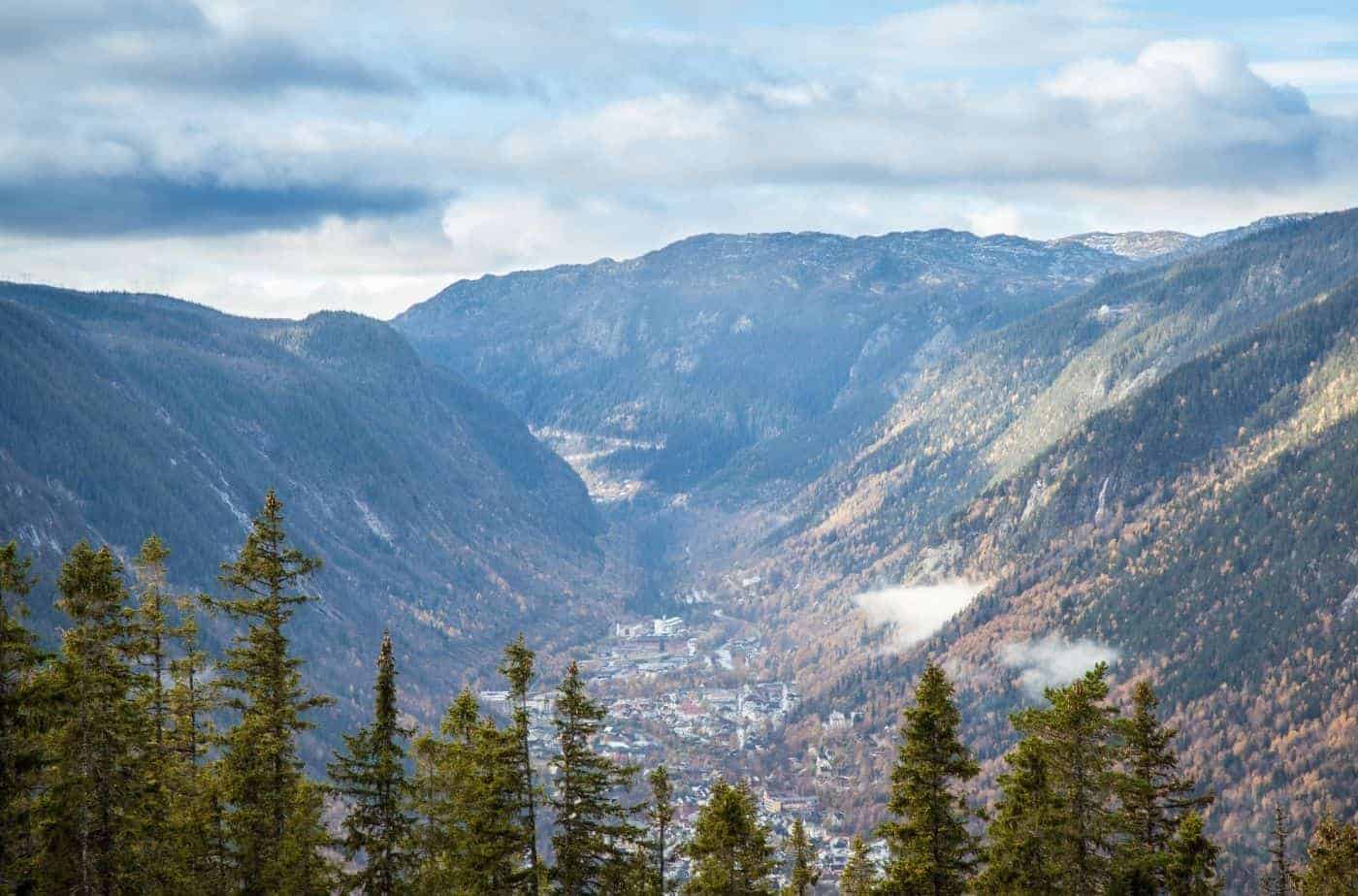
Situated deep in a valley, Rjukan is a charming town in Telemark. The town has a number of key attractions – it is part of the UNESCO World Heritage Area for industrial history, it’s home to the famous Vemork Power Plant, and there are incredible hikes in the surrounding area. 

About Rjukan

Latitude: 59.8 degrees north

Population: 3,000

Tinn Municipality

In this Travel Guide...

Things to See & Do

Here’s an overview of some of the best things to see and do in Rjukan

Museum

Norwegian Industrial Workers Museum

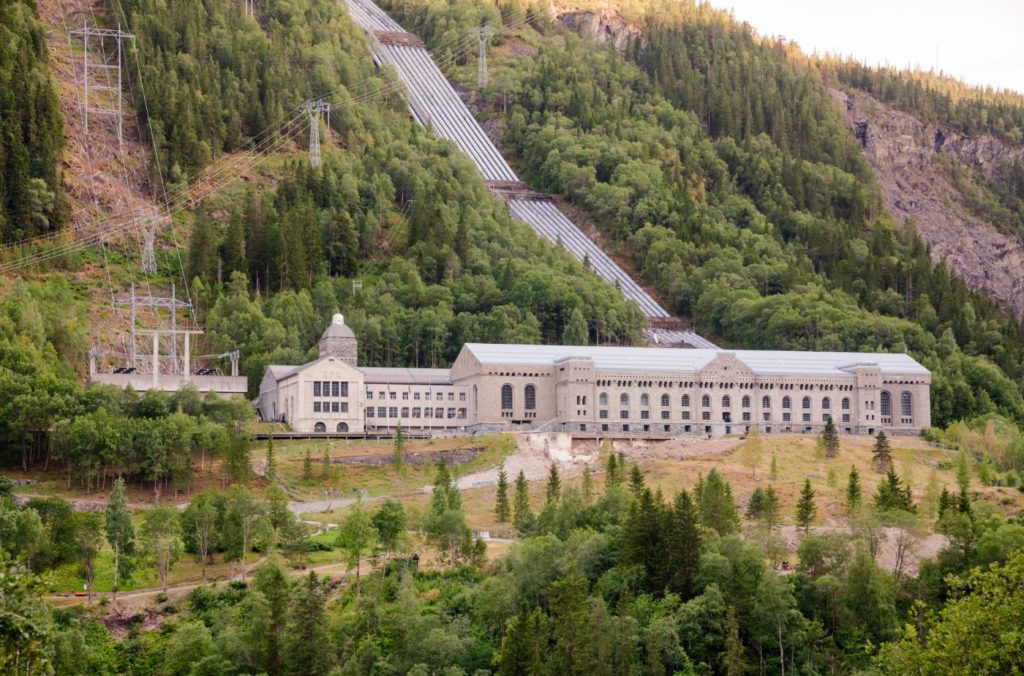
The museum is about the industrial heritage in Rjukan and development of hydropower. This is also the site of the famous ‘Heavy Water War’. Here, during World War II, the occupying Germans built a heavy-water production plant – the heavy water was being used in the production of nuclear weapons. In 1943, British and Norwegian saboteurs air-dropped into the mountains and planted explosives that destroyed the facility. 

Cablecar

Krossobanen

Krossobanen is Northern Europe’s first cable car, opened in 1928 by Norsk Hydro. It carries visitors from the valley floor to spectacular viewpoints overlooking Rjukan, Gaustatoppen and the surrounding mountains. The cable car was originally built so residents could reach sunlight during the dark winter months when the town lies in mountain shadow. The views from the top are among the best in Telemark.

Sun Mirror

Sun Mirror

One of Rjukan’s most unusual attractions is the Sun Mirror installation above the town. Large mirrors mounted on the mountainside reflect sunlight down into the town square during the winter months when direct sunlight cannot reach the valley floor. Visitors often gather in the illuminated square to experience this unique engineering project. The mirrors have become a symbol of Rjukan’s innovative spirit and determination to overcome the valley’s long winter darkness.

Hikes, Day Trips & Experiences

Looking to go for a hike or take part in a unique experience? Here are my recommendations!

Museum

Gaustabanen

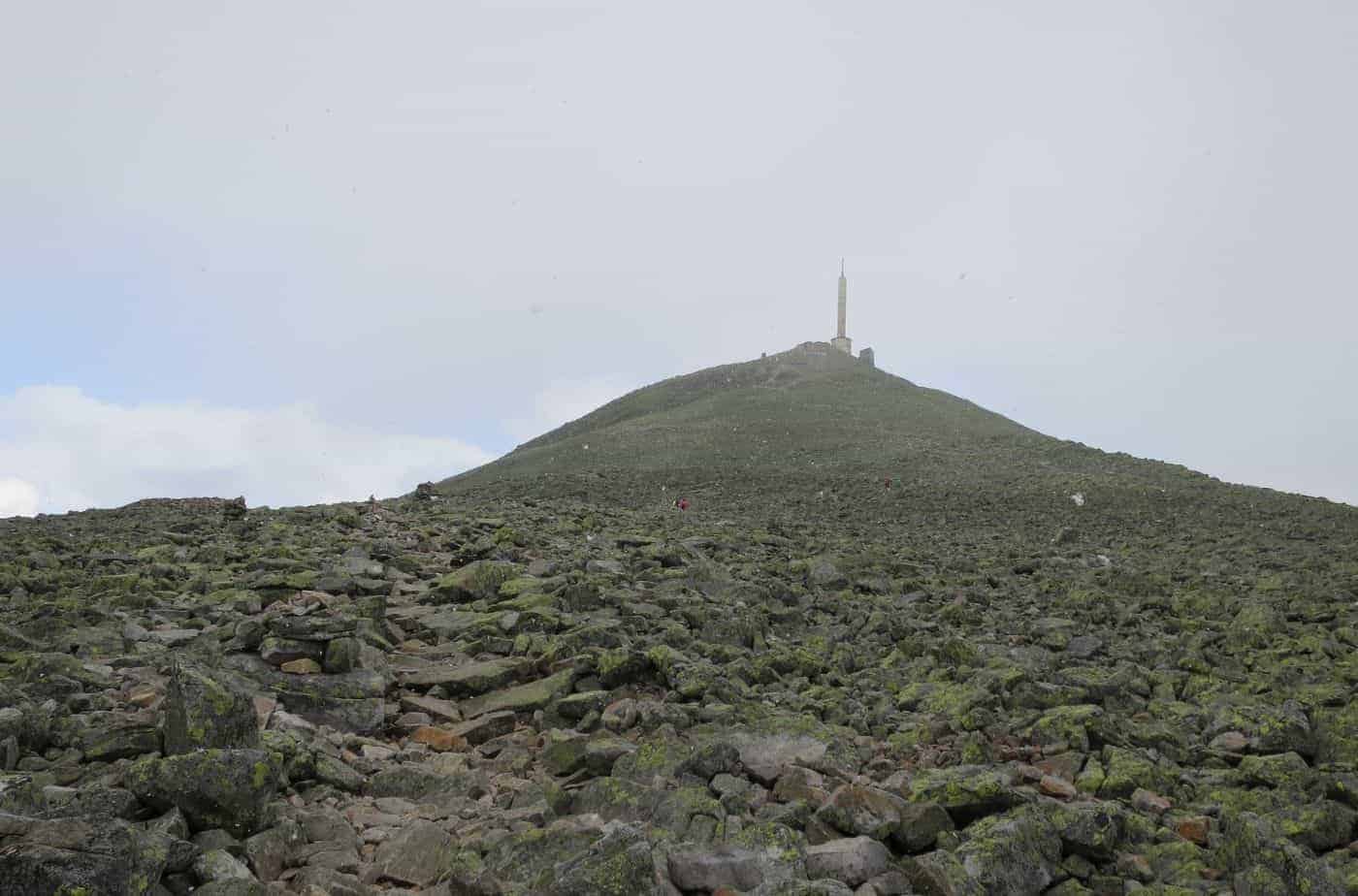
Gaustabanen is a cable railway that was built by NATO in the 1950s into the mountain of Gaustatoppen. The journey takes you 1800 metres above sea level, and on a clear day you can see 1/6 of Norway. 

Mountain

Gaustatoppen

Gaustatoppen is one of Norway’s most famous mountains and dominates the landscape above Rjukan. Standing at 1,883 metres, the summit offers views across nearly one-sixth of mainland Norway on clear days. Hiking routes range from demanding mountain trails to easier options using the unique Gaustabanen mountain railway inside the mountain itself. The area is equally popular during summer hiking season and winter ski touring months.

Historic Railway

Rjukanbanen

The historic Rjukan Railway was built in 1909 to transport Norsk Hydro products from the valley to international markets. Today, parts of the railway operate as a museum railway, allowing visitors to experience an important component of the UNESCO World Heritage Site. Historic stations, locomotives and ferry connections help bring the industrial era to life. The route also played a major role in the famous heavy-water operations during World War II.

Historic Railway

Hardangervidda National Park

Rjukan serves as one of the gateways to Hardangervidda, Europe’s largest mountain plateau. Visitors can explore vast open landscapes, mountain lakes, hiking trails and wild reindeer habitats throughout the park. The area offers excellent opportunities for hiking, fishing, cycling and skiing depending on the season. Its expansive scenery contrasts dramatically with the steep valley surrounding Rjukan.

Road-Trips

Follow our road-trip guides for scenic trips around Rjukan

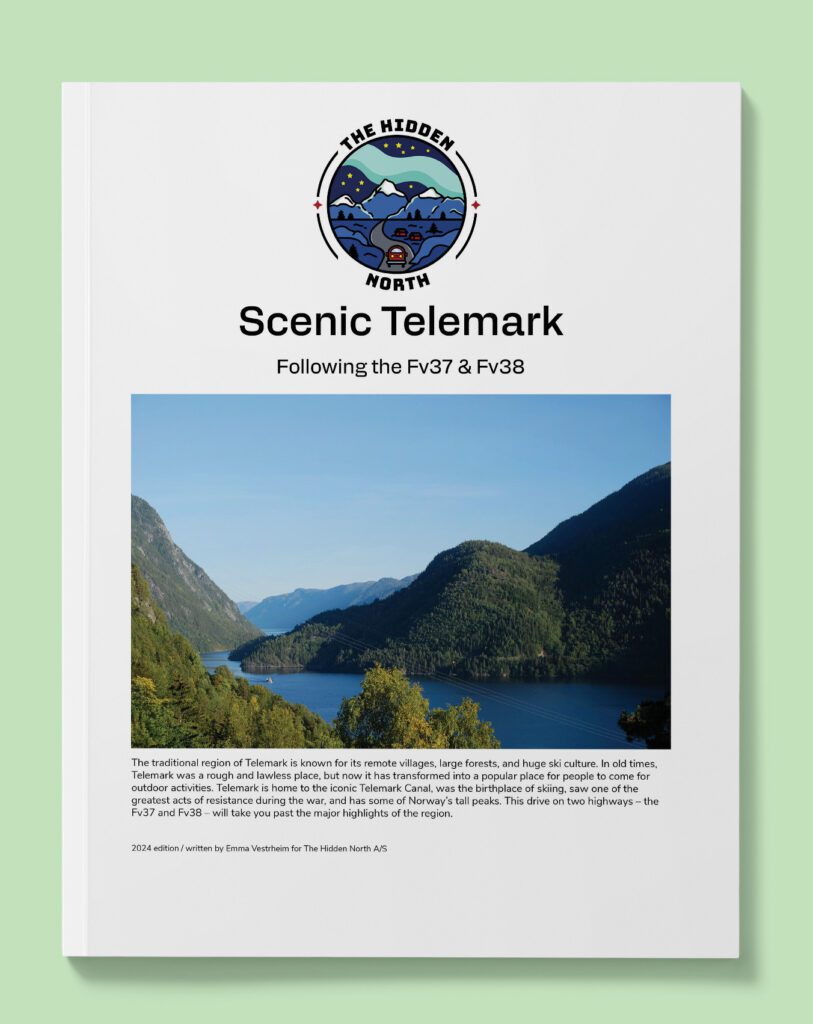
Scenic Telemark Drive (Fv37 & Fv38)

The traditional region of Telemark is known for its remote villages, large forests, and huge ski culture. In old times, Telemark was a rough and lawless place, but now it has transformed into a popular place for people to come for outdoor activities. Telemark is home to the iconic Telemark Canal, was the birthplace of skiing, saw one of the greatest acts of resistance during the war, and has some of Norway’s tall peaks. This drive on two highways – the Fv37 and Fv38 – will take you past the major highlights of the region.

Self-Guided Walks

No self-guided walks are currently available for Rjukan

Rjukan on YouTube

Watch my YouTube videos featuring Rjukan

Telemark Scenic Drive

Rjukan is one of the stops on our scenic drive through Telemark. 

History of Rjukan

Rjukan is one of Norway’s most remarkable planned industrial towns. At the beginning of the 20th century, entrepreneur Sam Eyde and Norsk Hydro harnessed the immense power of the nearby Rjukanfossen waterfall to generate hydroelectricity for fertiliser production. Within a decade, a small mountain valley was transformed into a modern industrial town complete with housing, schools, transport systems and social institutions.

The town became a centre of technological innovation and played a crucial role in what historians often describe as the second industrial revolution in Northern Europe. Hydroelectric power plants, railways, ferries and factories created an integrated industrial landscape that was later recognised as a UNESCO World Heritage Site. Rjukan’s industrial development helped modernise Norway and shaped the country’s economic growth throughout the 20th century.

Rjukan gained international attention during World War II due to the heavy water production at Vemork. Norwegian resistance fighters carried out a series of sabotage operations that became among the most famous acts of resistance during the war. These events remain central to the town’s identity and historical significance.

Rjukan Today

Modern Rjukan combines industrial heritage, outdoor recreation and tourism. Although large-scale industry no longer dominates the local economy, the UNESCO designation has helped transform the town into one of Norway’s most important heritage destinations. Museums, historical attractions and guided tours attract visitors interested in industrial history, engineering and wartime stories.

Outdoor activities are equally important to local life. Residents enjoy immediate access to mountains, hiking trails, ski areas and Hardangervidda National Park. Winter sports, climbing and mountain recreation continue to attract visitors throughout the year, creating a lively seasonal tourism industry.

Despite its global historical significance, Rjukan retains the atmosphere of a small Norwegian mountain town. The dramatic valley setting, steep mountain walls and strong sense of local identity create a distinctive character that sets it apart from many other destinations in Norway.

Travel Information

Getting Here

Fly: The nearest larger airports are Sandefjord Airport Torp and Oslo Airport. From there, visitors continue by car or bus.

Drive: Rjukan is located on the Fv37, which is a short drive off the E134 across southern Norway. 

Train: No train access

Ferry: No ferry access. 

Getting Around

Rjukan’s centre is compact and walkable, though a car is highly recommended for exploring surrounding mountains and attractions. Local buses connect nearby villages and activity areas throughout Telemark. Guided tours provide convenient access to Vemork, Gaustatoppen and Hardangervidda. Cycling is popular during summer, while winter visitors often rely on ski transport and mountain shuttles.

Shops

Places to Eat

Cafes & Bakeries

Restaurants

Gaustablikk Restaurant – Restaurant known for local dishes and spectacular views towards Gaustatoppen.

High End & Unique Eats

Places to Stay

All my hotel recommendations are based on research and experience. I don’t recommend somewhere unless I think it is wonderful! The Hidden North focuses on accommodation that provides good quality for price or offer local or unique experiences. 

Camping

Cabins & B&Bs

Rjukan Hytteby & Kro has lovely cabins down by the riverbank and a restaurant with cozy meals.

Click here to view rates & book

Birkelunden Bed & Breakfast – Welcoming guesthouse offering traditional Norwegian hospitality and easy access to local attractions.

Chains & Mid-Range

High End & Unique Properties

Rjukan Admini is the historic hotel of Rjukan. 

Gaustablikk Hoyfjellshotel is a mountain lodge close to the ski slopes. 

Click here to view rates & book

All Posts About Rjukan