
Elverum is located alongside the Glomma River, which is the longest river in Norway. While very close to the larger and more historic city of Hamar, Elverum is still an interesting destination and a regional centre for commerce and industry. Elverum is close to some beautiful forest areas and has the nickname the ‘Forest Capital’ of Norway.
Latitude: 60.8 degrees north
Population: 15,000
Hottest Month: July
Coldest Month: January
Wettest Month: August
Windiest Month: June
Annual precipitation: 766mm
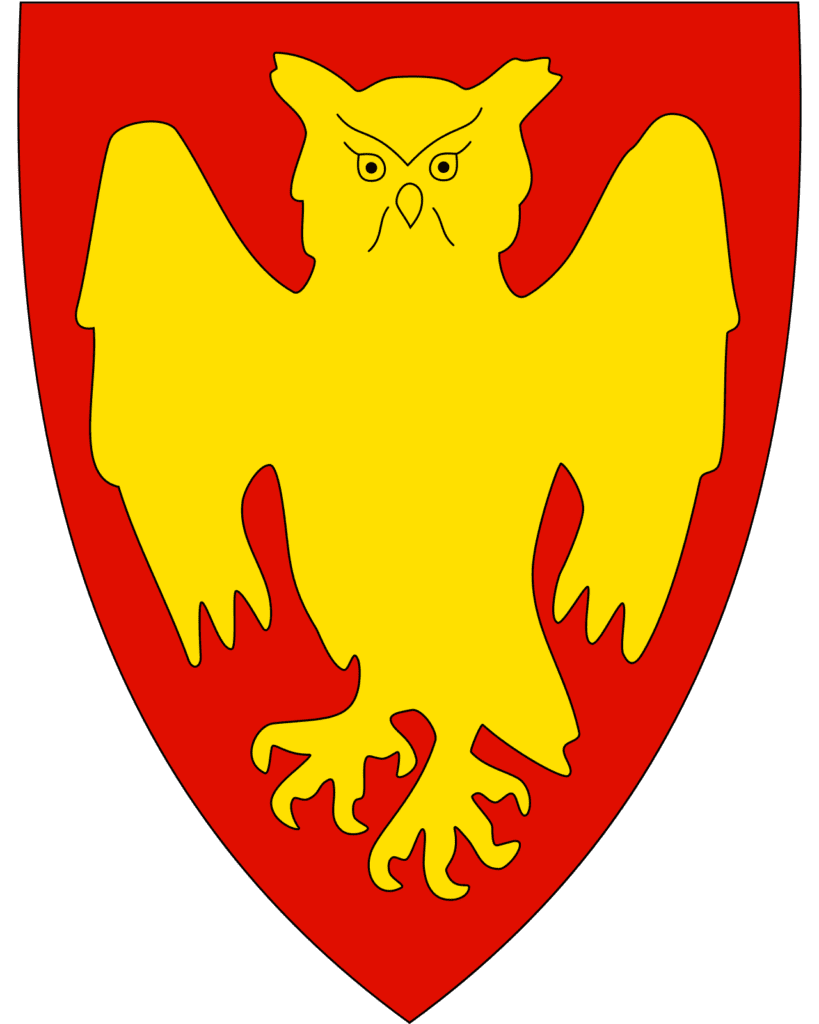
Elverum Municipality
Here’s an overview of some of the best things to see and do in Elverum
Elverum Church is from 1736 and is built of wood and has space for 700 people. The church was greatly changed in 1878 under the leadership of architect Henrik Thrap-Meyer. In 1937, the interior was restored back to the 1700s.
The Norwegian Forest Museum is one of Norway’s most popular museums. It is a national museum recognising the importance of forestry, hunting and fishing to the Norwegian history and economy.
The Glomdal Museum is one of the largest outdoor museums in Norway and has numerous houses from the Østerdalen valley.
Explore Christiansfjeld Fortress (ruins of a 17th-century hilltop citadel in town) and Terningen Skanse (an intact star-shaped Napoleonic-era earthwork a few km west). Wander the ramparts, moats and earthworks for panoramic views and military history.
Munch Centre and Klevfos (in Løten): About 20 minutes’ drive. Visit Edvard Munch’s childhood home (Munch Centre) and the Klevfos Paper Mill Museum.These sites feature Munch’s early influences and hands-on exhibits (kids can make paper, etc.). Worth a detour for art and industrial history.
Looking to go for a hike or take part in a unique experience? Here are our recommendations!
Raskiftet (809 m): The highest peak in the region. A moderate 2‑hour hike from Gransætra lodge, with panoramic views of Trysil’s forests and the Rondane mountains. Suitable for fit hikers in spring–autumn.
A scenic 4 km forest walk to the Øksna waterfall. Park at Øksnabru bridge and follow a marked path through woods to the falls; often with swimming holes in summer. Family-friendly and shaded.
Join Finnskogen Adventures for a guided moose-watching tour. You trek quietly through the forest with a guide and dog, learning about moose habits; tours (~3 hrs) often include hot drinks and moose-scented snacks
Follow our road-trip guides for scenic trips around Elverum
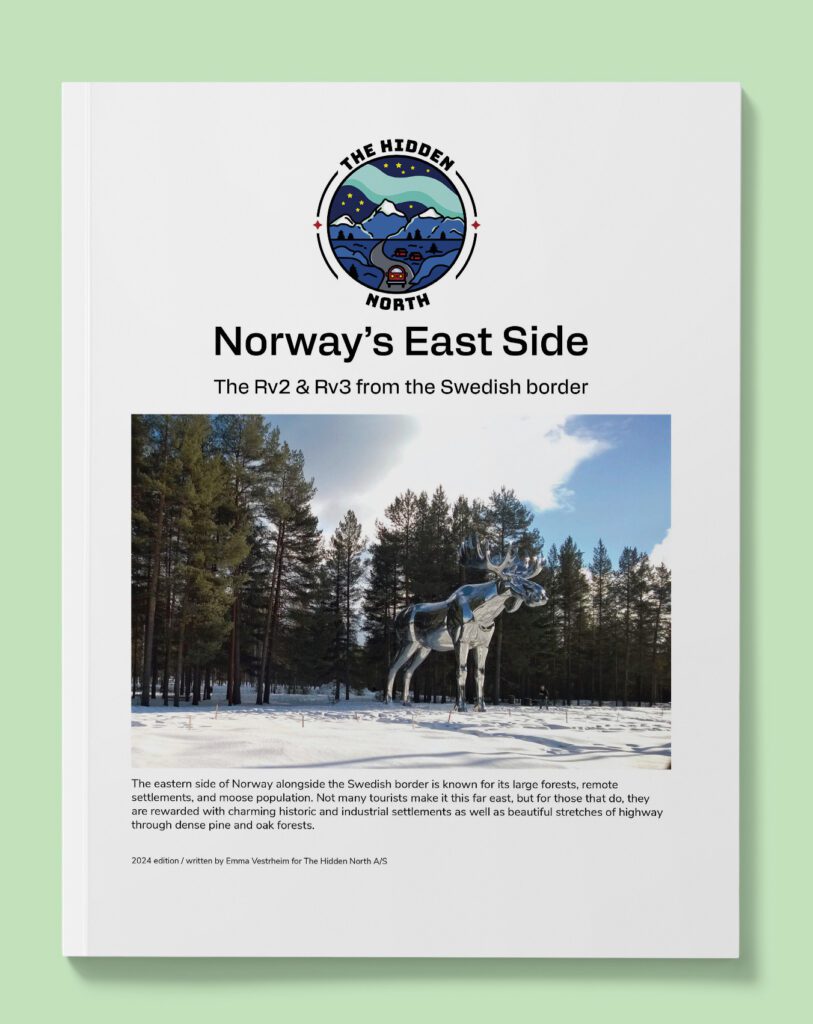
The eastern side of Norway alongside the Swedish border is known for its large forests, remote settlements, and moose population. Not many tourists make it this far east, but for those that do, they are rewarded with charming historic and industrial settlements as well as beautiful stretches of highway through dense pine and oak forests.
Watch our YouTube videos featuring Elverum
Here are some things that you must do and try in Elverum
Christianfjeld Fortress is a historic fortress that you can visit. Today it is a park area with traces of the military activity still visible
During the Nordic Seven Years War, Swedish troops invaded Norway at a number of locations. In 1563, Norwegian troops stopped the Swedish advance at Elverum, which proved to be a strategic point since it lay on both north-south and east-west travel routes. A Norwegian infantry regiment, the Oppland Regiment, was formed in 1657 and Eleverum became a garrison. The neighbourhood east of the river is called Leiret, which means ‘the camp’ when translated. The neighbourhood was built up by soldiers as well as merchants and craftsmen.
Eventually a fortress was constructed in the neighbourhood Leiret. The fortress was called Christiansfjeld Fortress after King Christian V of Denmark. Although the fortress was manned through the Great Northern War, it was spared major battles and closed in 1742.
Elverum developed as an important market town. After Hamar Cathedral was burned in 1570 and the castle was destroyed by Swedes, Hamar lost its city status and there was no market city between Oslo and Trondheim. Eastern Norway needed an organised market for traded goods, and the Grundset market in Elverum grew to meet the need. It has existed since the 17th century and got special privileges from the King in 1765. By 1767, it was described as Norway’s most famous market. The market ended in 1901.
Elverum had the first female politician in Norway, when the teacher and labor democrat Ingeborg Torstejnson was elected to the municipal council.
Elverum was the first town to be destroyed at the beginning of World War II. During the first days of the German invasion in 1940, the king, cabinet, and members of the parliament escaped by moving to Hamar, Elverum and Trysil. The parliament meeting at Elverum gave the cabinet full authority over the government of Norway as long as parliament was not able to convene in ordinary session.
Today Elverum still has some military significance, with Terningmoen hosing several sub units within the Norwegian army.
Elevrum has several schools as well as higher education centres. The Høgskolen i Innlandet is a college for nursing, mental health, sports and outdoor life.
Elverum is the ‘forest capital’ of Eastern Norway, with several smaller wood industry companies. Here is the head office for the Glommen Forest Owners Association and a regional office for the Norwegian Forestry Association. Elverum also has two glass processing companies, food industry, production of pharmaceuticals and a sawmill.
Fly: Fly into Oslo Airport (Gardermoen) and take a train or express bus to Elverum. Buses run frequently from Oslo (journey ~2 hours). There are no airports closer.
Drive: Elverum is on the Rv3 that runs through the Østerdalen valley.
Train: Take the train from Oslo to Hamar, then transfer to the Rørosbanen line (heading north) to Elverum. There is no direct Oslo–Elverum train, but the Hamar connection is fast and scenic (through Gudbrandsdalen). Elverum’s station is on the main street, an easy walk from central hotels.
Ferry: No ferry
Elverum is compact and very walkable (especially the Leiret centre). Only two local bus routes serve the suburbs, so hire a car or bike for countryside access. Taxis are available for longer trips. (Most hotels have parking.) In winter, local buses also serve the ski trailheads and Starmoen sports area.
Stroll along Storgata (“Main Street”) for unique finds: woodcrafts, local art, souvenirs and Norwegian knitwear. Don’t miss the museum shops – the Forest Museum gift shop sells forest-themed crafts and nature books.
In nearby Løten (15 min drive), visit the Løiten Brænderi complex: Løiten Lys (hand-poured candles) and Bokloftet (antique books). There you can also buy Løiten aquavit and artisanal cheeses. In Elverum, glassware from Magnor Glassworks (just north on Rv2) and local knitwear make great gifts.
Cafes & Bakeries
Elgstua Kafé – Legendary since 1959, this cosy café (Thon Elgstua Hotel) serves Norwegian classics (meatballs, pork stew, elk stew) alongside burgers and sandwiches.Famous for its huge heart-shaped waffles and lakeside setting.
Kafé Øst – A relaxed, artsy café on the edge of town centre (Leiret). It offers seasonal Norwegian fare and wood-fired pizzas with local toppings (e.g. smoked elk with lingonberry). Great for brunch or lunch.
Casual Eateries
FAVN Bar & Spiseri – A rustic-chic spot in town serving hearty daily specials (stews, soups, roasts) and sandwiches, plus beers and cocktails. It feels like a local pub kitchen, with a focus on home-style cooking.
Steinbua Mat & Vinhus – Set in a charming 1897 stone building, this restaurant has a varied menu – from sushi and tapas to steaks – and a cosy wine bar atmosphere. A favourite for date nights.
High End & Unique Eats
Forstmann Spisested – Located in the Forest Museum, this fine-dining restaurant focuses on local game and ingredients (reindeer, elk, bear, grouse, river fish). The ambience is elegant yet rustic, and the chef cures and cooks much of the meat in-house.
Lokket Spiseri – A cosy, highly-rated bistro on Main Street specialising in traditional Norwegian fare. Seasonal menus might feature reindeer stew, fresh seafood and homemade desserts. (Warm service and a relaxed atmosphere.)
Camping
Elverum Camping – Riverside campsite on the Glomma (next to the Forest Museum). Offers winter-insulated cabins (from ~NOK 650/night) and spaces for RVs or tents (camping from ~NOK 400). On-site you can rent bikes or canoes, and there are fire pits and a playground.
Cabins & B&Bs
Solvårs Bed & Breakfast – A homely wooden house just minutes from town. Family-run with a peaceful garden, it has a few comfortable rooms with breakfast included. (Another option is Elverum Bed & Breakfast in a suburban area – friendly hosts and home-style décor.)
Chains & Mid-Range
Hotel Central – A modern city-centre hotel (Storgata 22, Thon Partner) Comfortable rooms, a bistro restaurant and easy access to shops/cafés.
Thon Partner Elgstua Hotel – On Trondheimsvegen at the town’s west edge. Also offers relaxed rooms; its on-site “Jaktlaget” restaurant serves wild game specialties. Both hotels are within walking distance of the main attractions.
High End & Unique Properties
Elverum has no luxury resorts, but nearby (30–60 km) are spa and resort hotels in the Finnskogen area (e.g. Finnskogtoppen Spa & Wellness). For a boutique stay, book one of the renovated holiday cabins (hytter) in the surrounding forests or mountains.
Sunrise: 9:09am
Sunset: 3:39pm
Average Temperature: -9C (16F)
Sunrise: 7:56am
Sunset: 5pm
Average Temperature: -7C (19F)
Sunrise: 6:29am
Sunset: 6:16pm
Average Temperature: -2C (28F)
Sunrise: 5:53am
Sunset: 8:35pm
Average Temperature: 4C (38F)
Sunrise: 4:28am
Sunset: 9:53pm
Average Temperature: 9C (48F)
Sunrise: 3:39am
Sunset: 10:49pm
Average Temperature: 13C (56F)
Sunrise: 4:09am
Sunset: 10:28pm
Average Temperature: 16C (60F)
Sunrise: 5:24am
Sunset: 9:09pm
Average Temperature: 14C (57F)
Sunrise: 6:41am
Sunset: 7:34pm
Average Temperature: 10C (50F)
Sunrise: 7:56am
Sunset: 6:01pm
Average Temperature: 4C (38F)
Sunrise: 8:18am
Sunset: 3:37pm
Average Temperature: -2C (28F)
Sunrise: 9:20am
Sunset: 2:57pm
Average Temperature: -8C (18F)