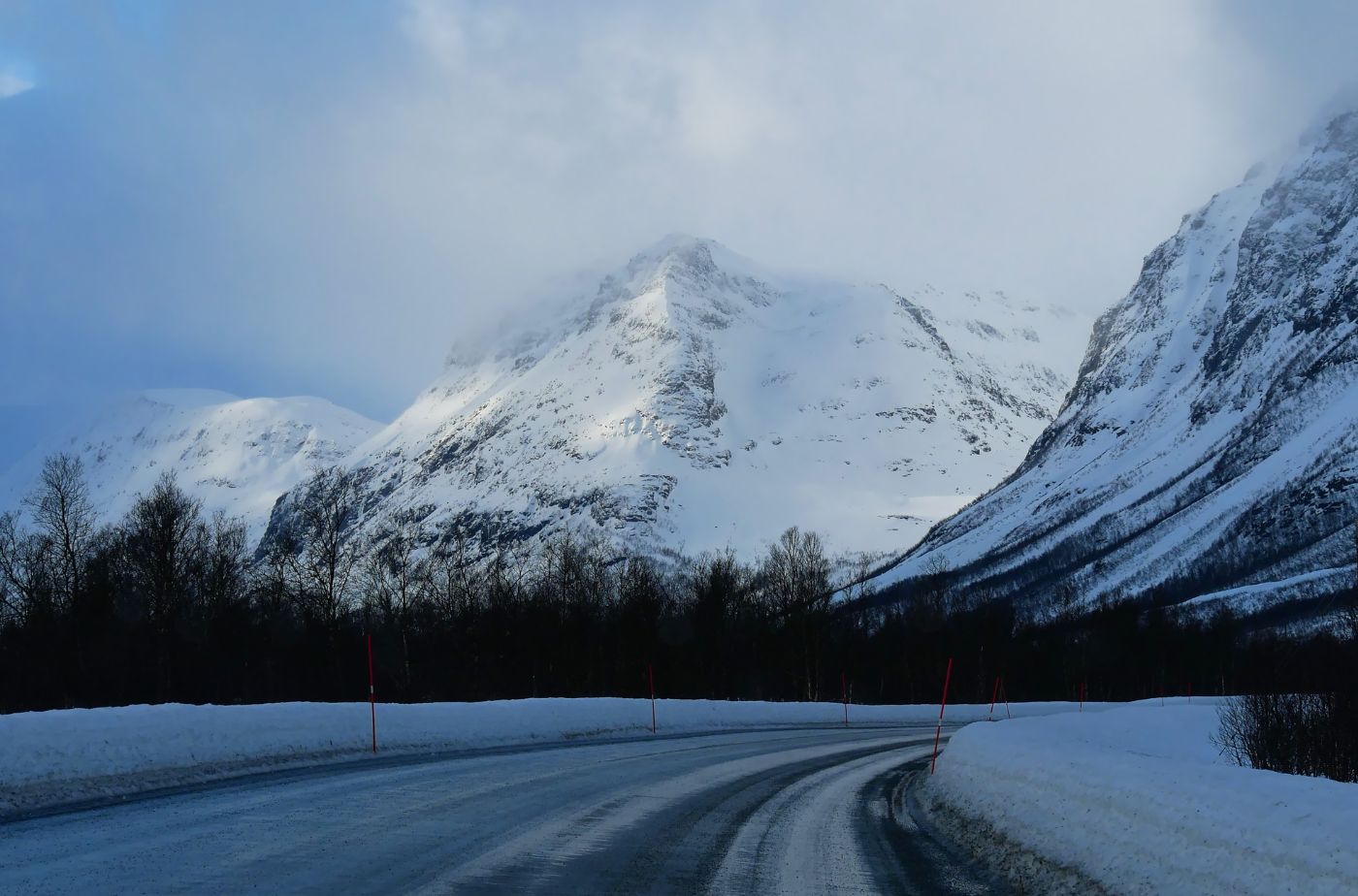
Drive it Yourself: Oslo to Bergen on the E16
View our guide to the scenic drive between Bergen and Oslo.

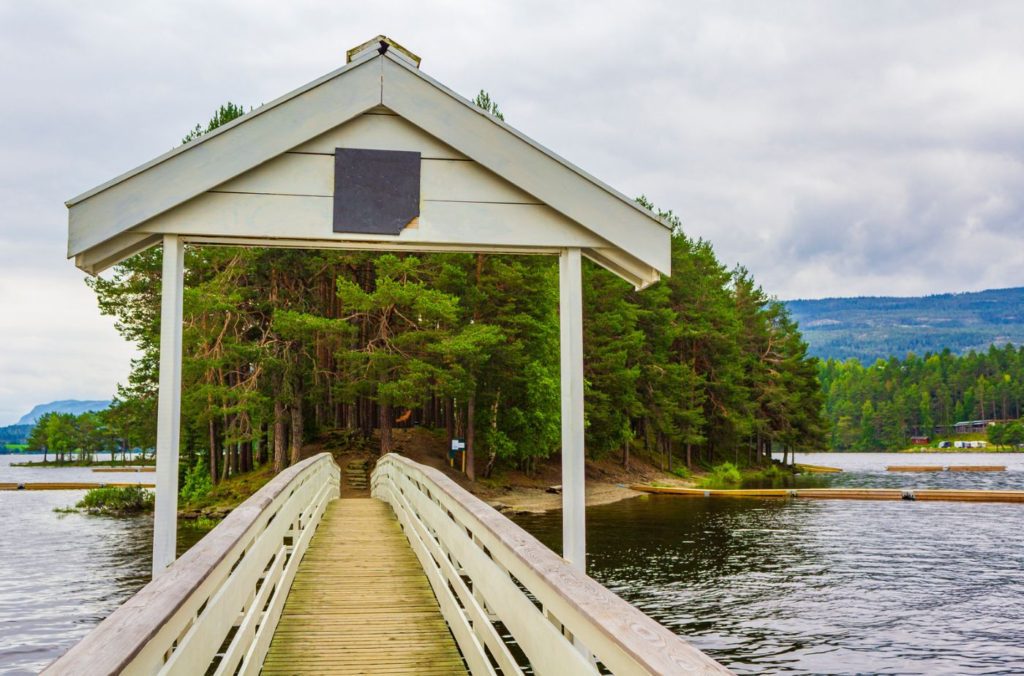
Fagernes is a beautiful town located on the E16 between Bergen and Oslo. The town is centrally located for the Valdres nature region and is the perfect spot for breaking up any road trip!
Latitude: 60.9 degrees north
Population: 1,951
Hottest Month: July
Coldest Month: January
Wettest Month: July
Windiest Month: June
Annual Precipitation: 437mm
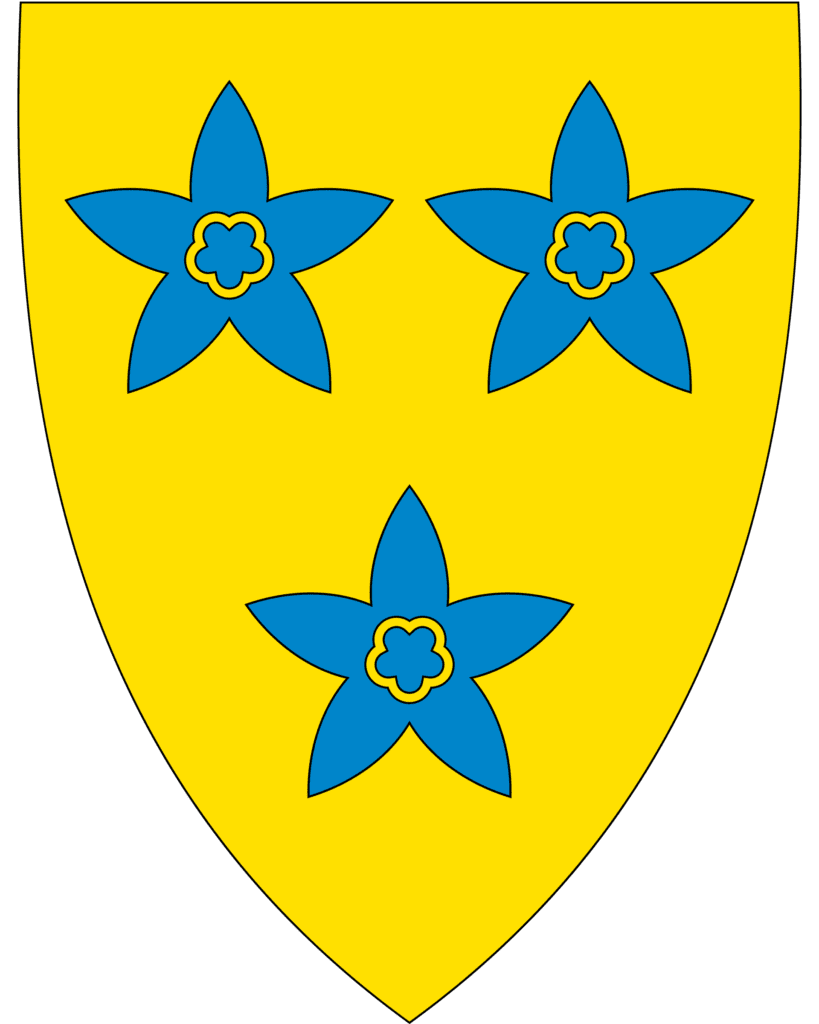
Nord-Aurdal Municipality
Here’s an overview of some of the best things to see and do in Fagernes

Hegge Stave Church is one of Norway’s 28 remaining stave churches.
An expansive open-air museum on a lakeside promontory, featuring historic farm buildings, exhibits of Norwegian folk music instruments, dance, and the national folk costume collection.
.
Looking to go for a hike or take part in a unique experience? Here are our recommendations!
Please note – the links provided are affiliate links. I only recommend experiences that I have researched and/or tested and focus on providing unique, local things to do!
There is a fantastic guided tour from Fagernes that will take you to the Jotunheimen region as well as a boat tour on a lake!
A short but steep hike right from Fagernes center that leads up to ~542 m above sea level. The trail is about 3 km round-trip (1–1.5 hours) with ~210 m elevation gain. It’s a vigorous climb through birch forest, but within half an hour you’re rewarded with a panoramic vista over Fagernes, Strandefjorden, and the Valdres valley. There’s a little white pavilion at the top and remnants of old cotters’ farm foundations – a great spot for photos, especially in autumn when the foliage is golden.
The Valdres region offers numerous day hikes in the highlands reachable by a short drive. A popular choice is Bitihorn (1,607 m) near Beitostølen – a relatively moderate 3–4 hour hike that rewards with 360° views into Jotunheimen National Park. It’s one of Valdres’ most famous hikes, often combined with a scenic drive over the Valdresflye plateau.
Other accessible peaks include Synshorn (with a Via Ferrata for adventure-seekers) and Bjørgovarden (a gentler 1,138 m hill offering vistas over the valley). Trails are well-marked in summer; always carry a map and check weather, as conditions can change quickly in the mountains.
For a multi-day trekking experience, you can literally follow history: the Valdres Pilegrimsvegen. This long-distance trail traces parts of the Bergenske Kongevegen (old Bergen King’s Road) that linked Oslo to Bergen over the Filefjell pass.
Starting near Fagernes (at Aurdal) you hike westward past medieval landmarks – including ancient stone bridges, the Gardberg prehistoric site, and the Einang Runestone (a 5th-century runic stone).
The route also passes stave churches and traditional farmsteads, making it a hike rich in cultural and archaeological significance. It’s a journey for seasoned walkers (the full route is ~100 km) but shorter segments can be done as day hikes to experience the history.
Immerse yourself in Valdres’ rural life by visiting a summer farm (“støl”). The Opplev Stølslivet experience (literally “Experience the Summer Farm Life”) allows you to meet farm animals like goats and cows up on the alpine pastures and sample farm-fresh products. Many farms, such as Noraker Gård near Fagernes, welcome visitors to try traditional foods – Noraker has been run by the same family for 14 generations and is famed for its production of rakfisk (fermented trout) using age-old methods.
Tasting a slice of rakfisk or some freshly churned sour cream in situ, and perhaps some local goat cheese, gives an authentic flavour of Valdres. These farm visits are typically offered in summer; check with the tourist office for schedules or guides who can arrange a visit (some include a light lunch or tasting session).
Follow our road-trip guides for scenic trips around Fagernes
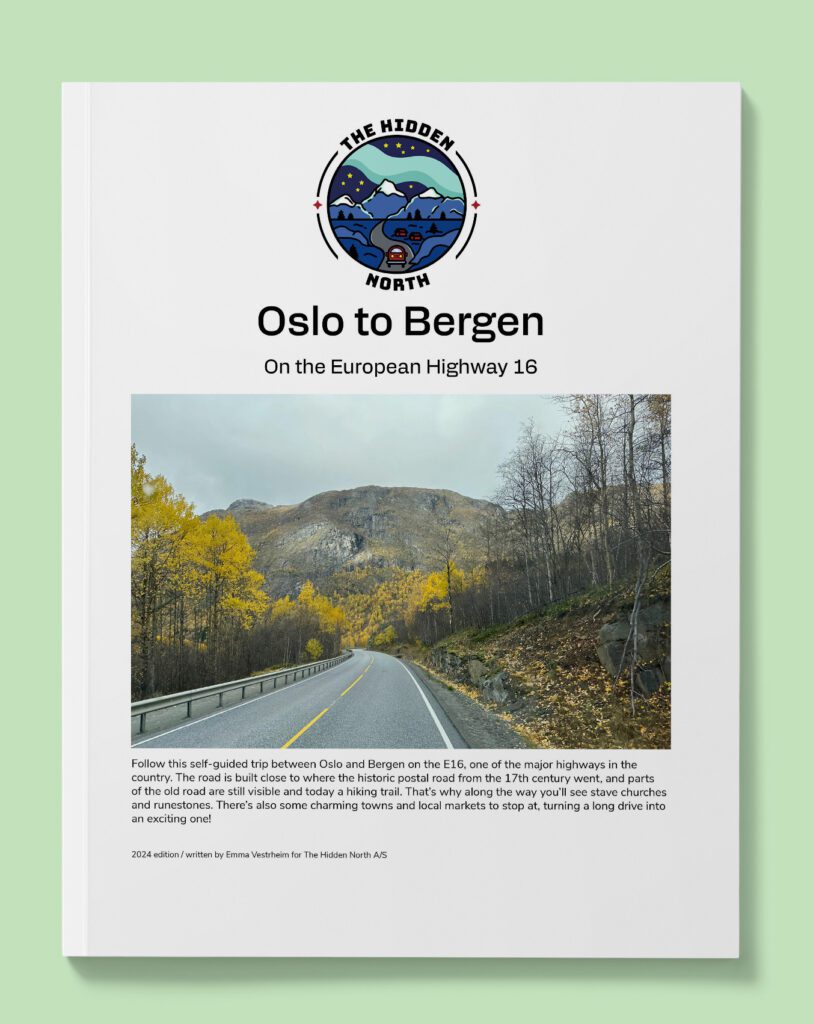
Follow this self-guided trip between Oslo and Bergen on the E16, one of the major highways in the country. The road is built close to where the historic postal road from the 17th century went, and parts of the old road are still visible and today a hiking trail. That’s why along the way you’ll see stave churches and runestones. There’s also some charming towns and local markets to stop at, turning a long drive into an exciting one!
We currently do not have any self-guided walks available in Fagernes
Watch our YouTube videos featuring Fagernes
Enjoy this scenic drive on one of Norway’s 18 national tourist roads.
Here are some things that you must do and try in Fagernes
Fagernes is the main place to try Rakfisk, a Norwegian delicacy. The Norsk Rakfiskfestival each November celebrates the local delicacy rakfisk (semi-fermented trout) – this food festival draws over 25,000 visitors and is one of Norway’s largest.
Historically, Valdres was the corridor between eastern and western Norway. The Kongevegen (King’s Road) over Filefjell – parts of which you can still hike today – was the first road connecting Oslo (Christiania) to Bergen, completed in the 18th century along older trail routes. Fagernes, roughly in the middle, became a critical rest stop for traders and postal coaches crossing the mountains. Inns and stables lined the path in this area.
Fagernes’ name means “Fair Headland” (from fager = pretty and nes = headland), fitting its beautiful lakefront setting. The town itself was established around 1857 as a trading centre on the headland, when the first permanent merchants set up shop.
By 1875, Fagernes had its first hotel serving travellers on the carriage road, and in 1906 it gained a railway connection – the terminus of the Valdres Line. The train brought growth, making Fagernes a hub for lumber, livestock, and tourists; though the railway was shut down in 1989, the old rail route is now a bike trail (Valdresbanen path) for history-minded cyclists.
This legacy of connectivity continues: during World War II, for instance, Valdres’s central roads made it a point of military movements (the local museum documents some wartime history, including a German troop camp in Fagernes). In 2007, Fagernes’ long role as a regional crossroads was recognised when it was officially granted town status, timed with the 150th anniversary of its founding.
Today Fagernes is the administrative centre of Nord-Aurdal municipality and the unofficial capital of the Valdres region. It’s home to around 1,800 residents, making it one of Norway’s tiniest cities by population. However, count the surrounding villages like Leira and the number of people in town on any given day (shoppers, tourists, cabin owners), and it feels busier than the census suggests.
The community takes pride in preserving local customs. Traditional music (particularly the Hardanger fiddle) and dance are actively kept alive – as seen with the annual Jørn Hilme folk festival begun in 1960 to honour Valdres traditions.
Farming heritage remains visible, too: many farm buildings are painted with the red Valdresrosa symbol, a decorative rose motif that became a regional emblem.
This was adopted in the early 1900s as farmers sought to brand their produce and identity. Fagernes also played a role in more recent transport history—it had a small airport (Leirin) inaugurated in the 1980s. While regular flights have ceased, during the 1990s, charter planes carrying skiers from Europe did land here.
Interestingly, when the lake freezes solid in winter, it has even been used as an impromptu airstrip for light aircraft, harking to the resourcefulness of rural Norway. Today, Fagernes balances progress with preservation, ensuring its story continues to be told to new generations.
The economy of Fagernes revolves around services, small industries, and tourism. As a regional capital, it hosts municipal offices and institutions (likely you’ll notice the town hall and a cluster of professional services). There’s also a significant retail sector – in addition to local shops, bigger chains have outlets here given the draw of shoppers from across Valdres. Traditional economic activities like agriculture and forestry are still important in the surrounding areas, and Fagernes functions as the marketplace for those goods (the Rakfisk festival, for example, is both a cultural event and a huge economic boon, selling tons of fermented fish). Tourism peaks in summer and winter, with a calmer shoulder season in spring and autumn. Summers see backpackers, cyclists, and families passing through or staying over en route to fjords or Jotunheimen.
Fly: No airport.
Drive:Fagernes is conveniently located along the E16 highway, roughly the midway point between Oslo and Bergen. Driving from Oslo takes under 3 hours (about 185 km / 115 miles) via a scenic route that winds through forests and alongside lakes.
From Bergen, it’s around 4.5–5 hours (circa 250 km) eastward – the E16 crosses the Filefjell mountain pass into Valdres; this road is kept open year-round and is one of the main all-season crossings of Southern Norway (with occasional short closures in extreme weather).
There’s also a summer bus line that extends west over the mountains, effectively connecting Fagernes and Bergen (check Nor-Way bus schedules for the “Øst-Vest Xpress” service). By public transport from Bergen off-season, you’d typically bus or train to e.g. Gol or Lillehammer and catch a bus from there.
Train: No train access.
Ferry: No ferry access
Once in Fagernes, the town itself is compact – you can walk from one end of the centre to the other in 10 minutes. Most hotels, restaurants, and shops cluster within a few blocks, and strolling is the best way to enjoy the vibe (the main street is pleasantly lit and decorated, especially in winter). Taxis are available if needed (the taxi stand is near the bus station), but they can be expensive for short distances. For exploring the wider area without a car, there are buses to major villages: e.g. daily buses run from Fagernes to Beitostølen (for Jotunheimen trails), to Bagn/Gol (southward), and to Gjendesheim (for the Besseggen hike in summer). These are somewhat infrequent, so check timetables at the tourist office.
In summer, a special tourist bus connects Fagernes to hiking hotspots like Bygdin and Gjende lakes, syncing with boat schedules – perfect for trekkers.
Valdres Folk Museum Gift Shop
Located at the museum entrance on Strandefjorden, this shop offers local handicrafts, traditional folk costume accessories, souvenirs, books about Valdres history, and bunad-related items. It’s excellent for unique cultural gifts.
Husfliden Valdres / Tourist Office Crafts Corner
Adjacent to the museum and town’s tourist information centre, this outlet stocks high-quality local products—Valdres silver jewellery, woollen goods, ceramics (often with the regional Valdresrose motif), and local food items like rakfisk and cured meats.
Gåsjord / Valdres Solvsmie & Keramikkverksted
While technically just outside Fagernes, their outlets (some mobile or pop-up in the town) sell Valdres‑designed ceramics and silver pieces, featuring the distinctive “Myrull” and “Korn” patterns. Stylish and locally crafted.
Cafes & Bakeries
Bakeriet i Valdres (the Valdres Bakery) is renowned for its delicious pastries and breads, baked with top-quality ingredients and no shortcuts – try their cinnamon buns or the seasonal cloudberry cake.
Cafe Husfliden in the town centre is the best spot for freshly baked breads, cakes and pastries.
Reasonable Restaurants
For casual dining, Fagernes has a handful of informal restaurants and pubs where portions are generous and the atmosphere relaxed. Khalles Corner is a popular tavern-style restaurant on the main street – it has a warm, wood-accented interior and a menu of crowd-pleasers: think burgers, steaks, pizzas, kebabs and Norwegian pub classics.
Tasty House is another favourite. It is a bar and grill offering a mix of cuisines—you can get Italian-style pizzas, grilled meats, and “ekte kebab” (authentic kebab) all under one roof.
If you’re craving Asian food, Fagernes cafe og Kinarestaurant serves affordable Chinese-Norwegian dishes (sweet-and-sour pork, fried rice, etc.) in a no-frills setting – a hit with locals for its huge portions.
High End & Unique Eats
Hippegården is renowned for its use of locally sourced ingredients and creative twist on regional cuisine. Here you might enjoy Valdres mountain trout with a buttery Sandefjord sauce or succulent roast lamb from a nearby farm, paired with a nice wine – all while overlooking the lake.
Restaurant Valdres at the Scandic Valdres Hotel offers a refined menu in a stylish setting; they serve everything from reindeer fillet to vegetarian risottos, and their breakfast buffet was voted the county’s best in 2022. The hotel’s lakeview dining room makes it a lovely spot for a romantic dinner, and you can have a cocktail at the adjacent Meetingpoint bar after. Just outside town, in case you’re exploring, a few destination restaurants are worth mentioning: Herangtunet (a boutique hotel 20 minutes away) provides a unique fine-dining experience with seasonal Norwegian-French fusion courses – ideal if you’re on a driving tour.
Danebu Kongsgaard (in the hills above Aurdal) is famed for its culinary journey, which uses local game and produce in a historic mountain lodge atmosphere. While these involve a drive, they exemplify Valdres’ high-end dining.
All my hotel recommendations are based on research and experience. I don’t recommend somewhere unless I think it is wonderful! The Hidden North focuses on accommodation that provides good quality for price or offer local or unique experiences.
Camping
Fagernes Camping is the main campground in the area. This 4-star year-round camping is idyllically set by Strandefjorden, surrounded by pine trees. It offers lakeside cabins and apartments (with varying standards from basic to high-standard with bathrooms), as well as ample pitches for tents, caravans, and motorhomes. Facilities include modern washrooms, a campers’ kitchen, laundry, and a small kiosk – plus a waterfront sauna and swimming area in summer. Many campers love the convenience: you’re a 5-minute walk from the town centre, yet it feels like nature.
Lodges & B&Bs
Chains & Mid-Range
The main hotel in town is the Scandic Valdres, a modern 4-star hotel right on the lakeshore. It was formerly the historic Fagernes Hotel but has been refurbished with contemporary comforts. Here you get spacious rooms (many with a balcony and lake view), an excellent included breakfast, and facilities like an indoor swimming pool, sauna, and gym open to guests.
High End & Unique Properties
About 20 minutes south, in a forest clearing, is Herangtunet Boutique Hotel – often mentioned as one of Norway’s most charming hotels.
It’s a design hotel where each room is themed (Swiss Chalet, New York Loft, etc.) and furnished luxuriously, yet it retains a rustic lodge feel. Gourmet dinners and personal service make it a destination for couples.
Another is Danebu Kongsgaard, perched on a hill above Aurdal – a historic mountain lodge renovated into a stylish hotel with panoramic views. It offers fine dining and ski-in/ski-out access to a small ski slope in winter. Try sleeping in the trees for something truly different: the Fosstopp Treetop Cabins in Hedalen (about 1 hour from Fagernes) let you stay in a luxurious cabin high among the pine branches – an unforgettable glamping-style experience.
Sunrise: 9:19am
Sunset: 3:46pm
Average Temperature: -7.6C (18F)
Sunrise: 8:05am
Sunset: 5:09pm
Average Temperature: -6.7C (20F)
Sunrise: 6:42am
Sunset: 6:34pm
Average Temperature: -2.4C (28F)
Sunrise: 6:04am
Sunset: 8:43pm
Average Temperature: 3.8C (37F)
Sunrise: 4:38am
Sunset: 10:01pm
Average Temperature: 8.1C (47F)
Sunrise: 3:47am
Sunset: 10:59pm
Average Temperature: 12.8C (55F)
Sunrise: 4:16am
Sunset: 10:40pm
Average Temperature: 15.4C (59F)
Sunrise: 5:31am
Sunset: 9:21pm
Average Temperature: 13.8C (57F)
Sunrise: 6:48am
Sunset: 7:46pm
Average Temperature: 9.4C (49F)
Sunrise: 8:03am
Sunset: 6:12pm
Average Temperature: 3.4C (38F)
Sunrise: 8:26am
Sunset: 3:48pm
Average Temperature: -1.8C (29F)
Sunrise: 9:29am
Sunset: 3:06pm
Average Temperature: -6.6C (20F)
View our guide to the scenic drive between Bergen and Oslo.

My overview of the essential traditional foods to try
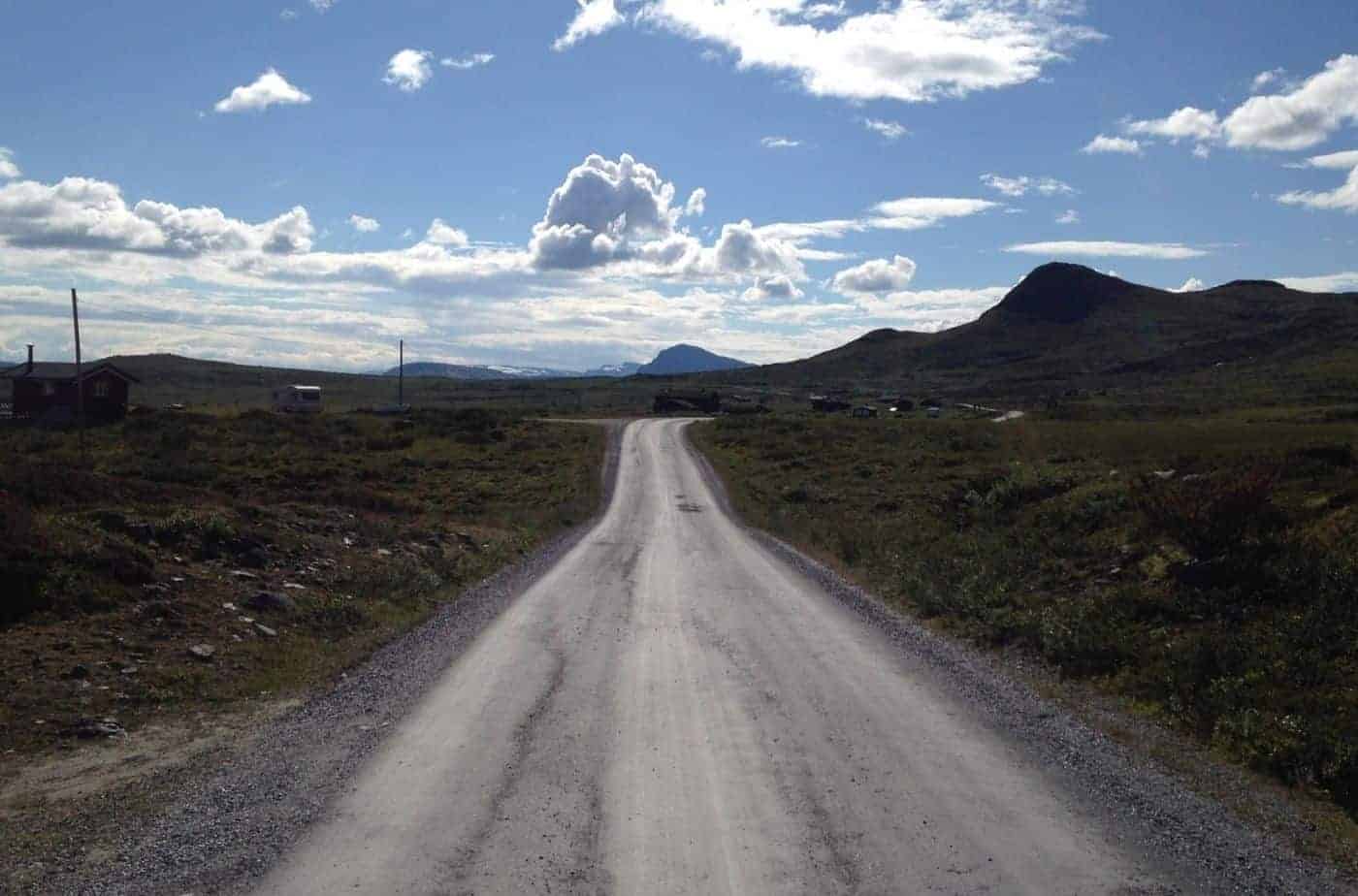
This scenic drive takes you alongside the Jotunheimen National Park, with breathtaking views aplenty.
Deep beneath the renovated surface lies a stave church with a unique story, plus some carved faces on the staves!

Fagernes is more than a town on a highway; it’s rich in tradition, home to one of Norway’s best open-air museums and close to hikes, skiing trails and mountains.