Travel Around Norway in Winter: A Comprehensive Guide
Winter is one of my favourite times of year in Norway. Yeah, it can be more challenging, but it’s also a peaceful time with incredible snowy scenery and many northern lights. If you are travelling to Norway in winter, it can feel intimidating at first. So, I’ve compiled a comprehensive guide on how to travel around Norway in winter, and what you can see and do along the way.
In this article...
Winter Conditions: Weather, Snow and Daylight
Norwegian winters are long, cold, and pretty bleak – but they are also magical. Winter typically runs from November to March, with snow still above the Arctic Circle until the end of April. Temperatures vary by degrees: In Oslo, January averages around -4C, while Tromsø averages -6C. However, much colder periods occur – during one January, Oslo dropped to -16 °C and Tromsø to -19 °C.
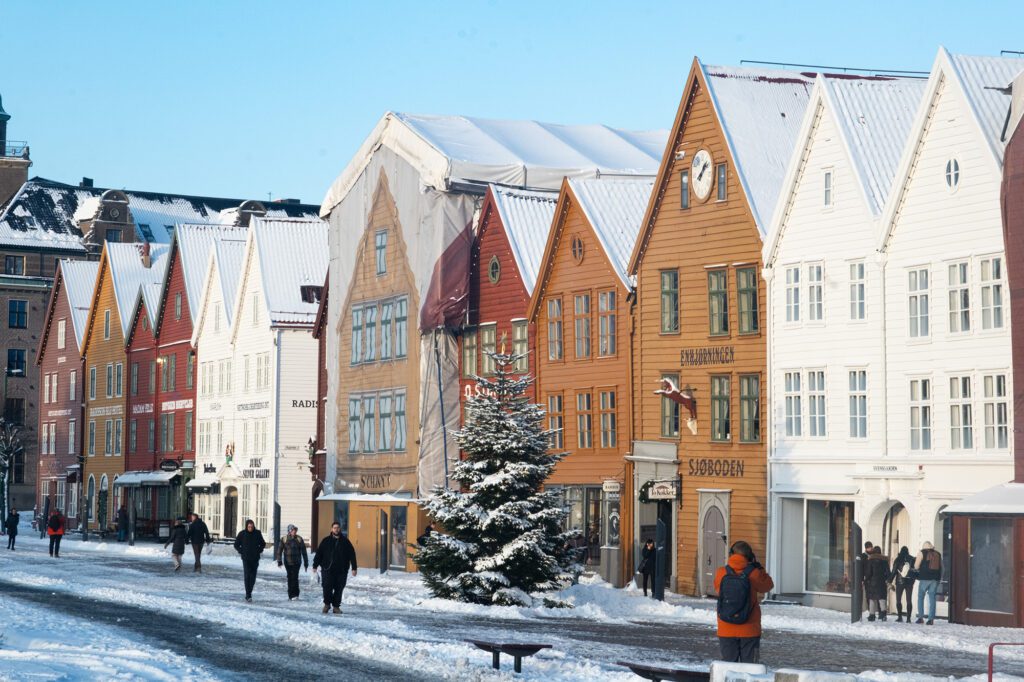
Expect plenty of snow, especially in Northern Norway. Coastal areas like Bergen are milder, with winter temperatures often hovering near freezing, sometimes with surprisingly little snow. By contrast, inland valleys and high plateaus get far colder and snowier.
Daylight is in short supply during this time, and you must be prepared to spend much of your trip in the dark. In the south of Norway, you get a few hours of sunlight in mid-winter, but above the Arctic Circle, the polar night means there’s no sunrise for up to two months. That said, ‘no sunrise’ doesn’t mean total darkness: you still get a few hours of twilight, with beautiful pink and purple skies—Svalbard experiences 24-hour darkness in mid-winter. Many travellers find the polar night cosy and atmospheric – plus, long nights mean more chances to spot the northern lights.
Winter travel also means fewer crowds in most of Norway. Summer is the high season for Oslo, Bergen, the fjords and Lofoten; in winter, these places see far fewer tourists. On the other hand, the far north is in its peak season: Tromsø and the Arctic draw travellers chasing the aurora borealis, making December-March a busy time there.
Travel Around Norway in Winter: Transport Options
Travelling around Norway during winter is possible, but always allow extra time to travel. Delays are common throughout the winter months. Here are the different ways you can travel around Norway in winter.
Trains
Pros:
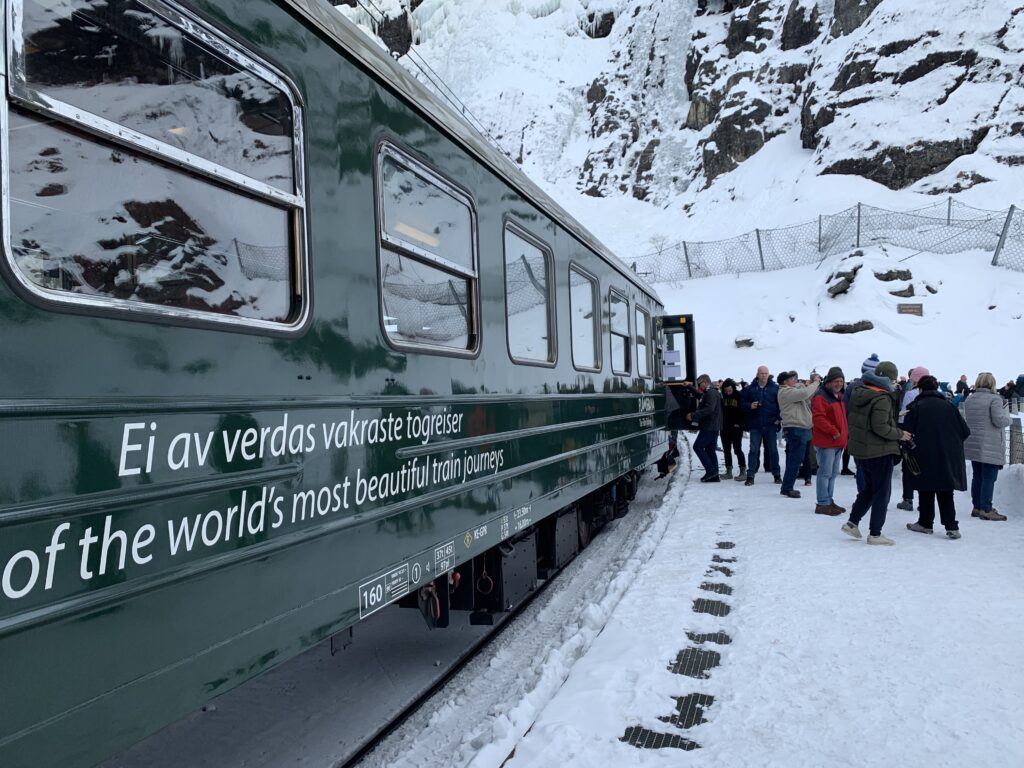
- Scenic and Comfortable: Rail journeys in Norway are beautiful, cutting through snowy mountains and along fjords.
- All-Weather Reliability: Main lines operate throughout the year and aren’t affected by icy roads.
Cons:
- Limited Network: Trains don’t reach every region, so you’ll need to find alternative transport to reach many fjord areas, Lofoten, or the Arctic.
- Speed: For long distances, trains are slower than flying. Oslo to Bodø by train is 18 hours, while it’s 1.5 hours by plane
- Weather Delays: Heavy snow can cause occasional delays or slower speeds.
Buses
Pros:
- Extensive Coverage: Norway has an excellent bus network that links cities, towns, and even remote villages year-round.
- Local Access: Buses reach many fjord communities and rural areas not served by trains. For example, from Tromsø, you can take the bus to smaller towns like Skjervøy or Finland.
- Experienced Drivers: If you haven’t driven on the snow or ice before, this is a much safer way of getting around
- Affordable: Bus fares can be cheaper than train tickets or flights, and seniors/youth often get discounts
Cons:
- Slower Journeys: Travel times can be long, and the buses drive slowly and carefully in winter.
- Weather Disruptions: Storms or heavy snowfall can close roads, leading to delays or cancellations. Mountain passes might shut temporarily, and buses have to wait it out.
- Sparse Schedules: Winter bus timetables are reduced in some rural areas. You’ll need to plan around infrequent departures, especially north of the Arctic Circle.
Rental Car
Pros:
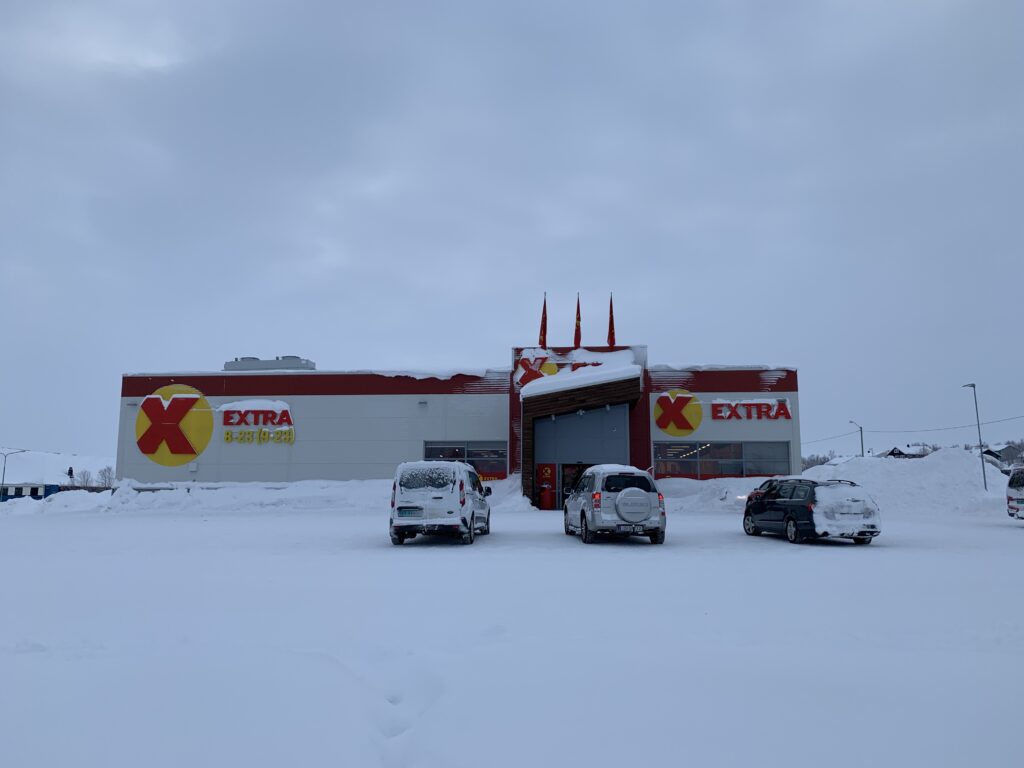
- Maximum Freedom: With a car, you can go at your own pace, detour at will, and reach off-the-beaten-path spots that tours and public buses might miss
- Roads Maintained: Main roads are regularly ploughed and gritted. Norwegians are used to winter driving, so the infrastructure works hard to keep routes open. Some mountain highways are kept open with convoys or snowplough escorts if needed.
- Scenic Drives: The landscape is stunning under snow—if you’re experienced with winter conditions, a road trip can be rewarding.
Cons:
- Challenging Conditions: Driving on icy, snowy roads in the darkness is dangerous if you lack experience. It’s legal but not recommended for everyone. Steep or twisting roads plus potential blizzards require confident winter driving skills.
- Regulations and Gear: By law, cars must be on appropriate winter tyres in winter conditions. Rental cars will have these, but you should still confirm. Carry tire chains if heading into the mountains. And remember, headlights on at all times.
- Closures and Detours: Some scenic roads are closed in winter, and you may need longer routes. Always check Statens Vegvesen before driving.
Domestic Flights
Pros:
- Fast and Convenient: This is Norway’s quickest way to cover significant distances, for example. Oslo to Tromsø is 2 hours by plane and 24+ hours by car.
- Good Network: Dozens of local airports mean even remote towns are reachable by daily flights. Carriers like SAS, Norwegian and Widerøe connect the country.
- All-season Reliability: Airports operate in winter conditions with robust de-icing and snow clearance. Weather delays happen, but major airports are well-equipped for snow.
Cons:
- Cost: Tickets can be expensive, especially if booked at the last minute. However, planning or flying off-peak can result in decent fares.
- Missed Scenery: You’ll fly over the beautiful winter landscape, so it’s less of a sightseeing experience. Also factor in time to reach airports, security and so on
- Weather Delays: Extreme weather can affect flights. Heavy snowstorms or fog might shut small airports. Strong winds prevent planes from landing in the winter, and many flights experience short delays due to de-icing.
Coastal Voyage
Pros:
- Scenic Voyages: The coastal ferry links Norway’s countless fjords and islands throughout the year. In winter, taking a cruise can be breathtaking.
- Essential Connection: Many island communities depend on ferries, so services run every day of the year.
- Northern Lights Guarantee: The coastal ferry is considered one of the best ways to see the northern lights. In fact, they have a northern lights promise! (read more here).
Cons:
- Speed: Ferries are not about speed. For example, Hurtigruten takes over five days to travel from Bergen to North Cape.
- Weather: Rough seas or storms can delay or cancel sailings.
Regional Accessibility in Winter
Not every corner of Norway is equally accessible in winter, but all the major regions and cities can be visited year-round. Here’s what to expect in those key areas:
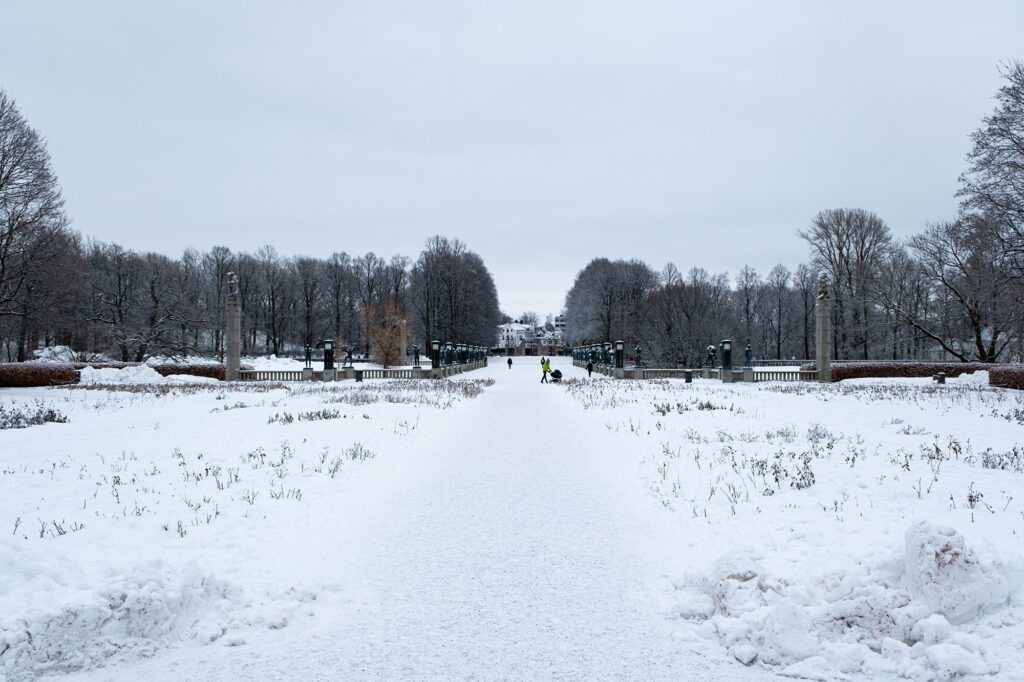
Oslo & Southern Norway
Oslo, the capital, is in the far south and remains easily accessible through winter. Oslo’s international airport runs a full schedule (Norway’s airports don’t shut for a bit of snow), and intercity trains and highways to Oslo stay open year-round. The city handles snow well – buses, trams and metros run in winter (often with minor delays on heavy snow days). Winter weather in Oslo is cold but moderate compared to the north: temperatures usually hover around 0 °C to –5 °C, with occasional deep freezes. Snow is common, but also periods of cold rain or slush.
Daylight in mid-winter is about 6 hours, enough for sightseeing. Oslo in winter feels calm and uncrowded; as one traveller put it, in January it “felt like a ghost city” with very few tourists, yet everything was open as usual. Museums, restaurants, and shops operate year-round, and in December, the city comes alive with Christmas markets and decorations.
Roads in southern Norway (around Oslo, Bergen, Stavanger, etc.) are generally clear – the main highways rarely close, though you should still watch for icy patches on more minor roads. If you plan to drive over mountain passes between east and west (like Hardangervidda on the Rv7 or Filefjell on E16), note that these can close temporarily during blizzards. Overall, southern Norway’s cities and towns are well-prepared for winter, and travel here is straightforward aside from the need for warm clothing!
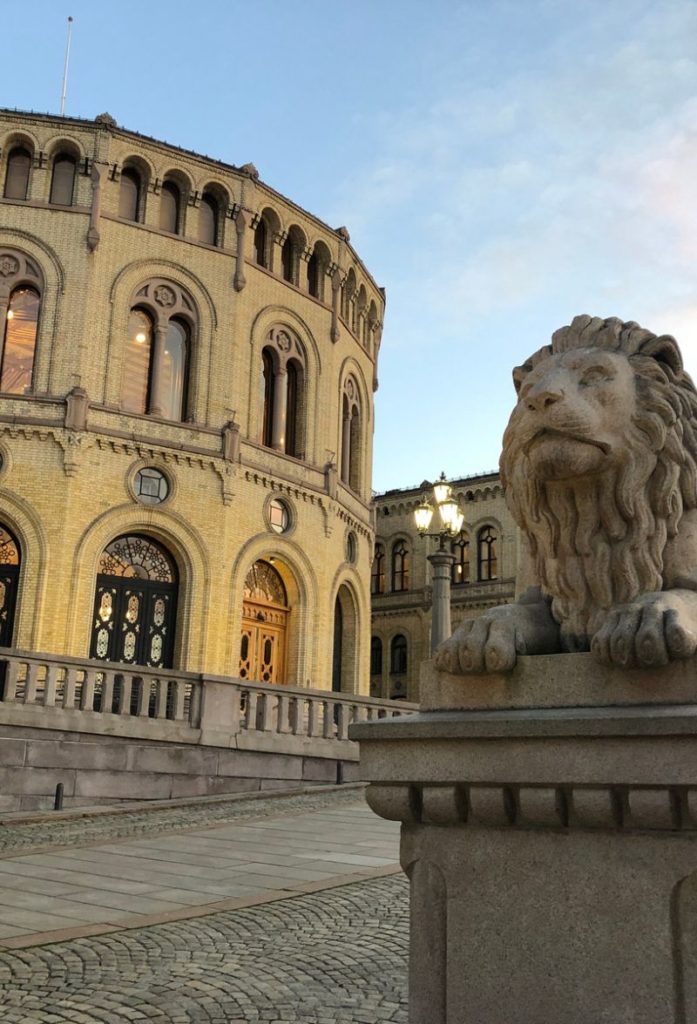
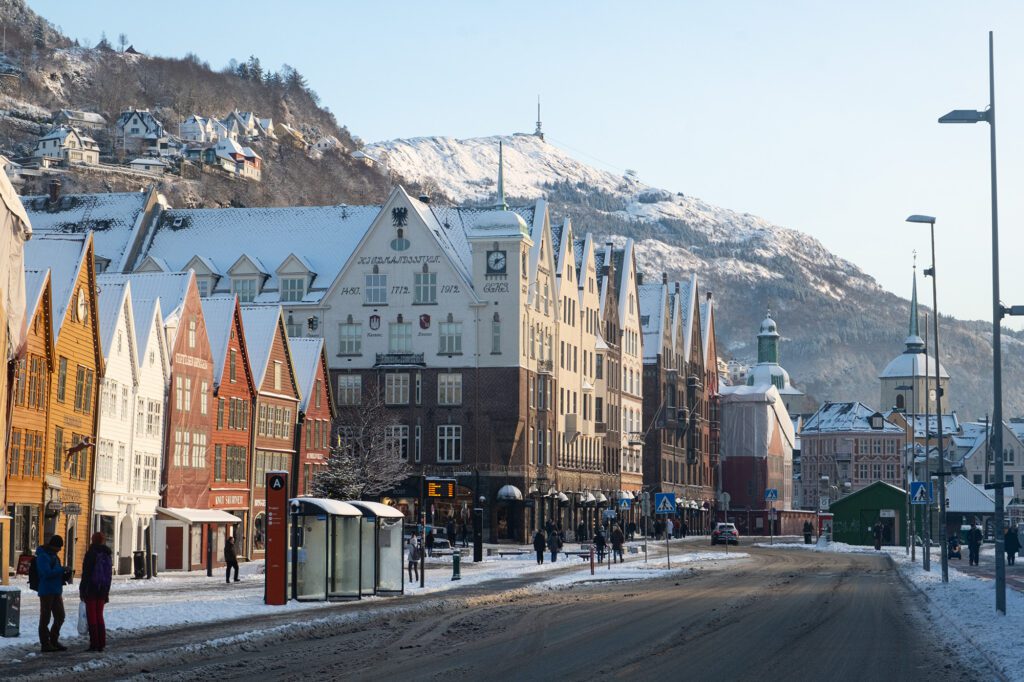
Bergen & The Fjords
Bergen, Norway’s second-largest city, sits on the west coast and is famed for its fjords. Thanks to the Gulf Stream, Bergen’s winters are milder than inland – expect more rain and sleet than deep snow (temperatures often +1 to +5 °C in daytime). This makes it a great choice if you want slightly less brutal cold.
Bergen is reachable by air (a busy airport with flights from Oslo and Europe), by rail (the Oslo–Bergen line runs year-round across snowy mountains), and by road (the E16 highway, which includes mountain tunnels). Be aware that the high mountain stretch on Route 7 over Hardangervidda often has extreme weather; even though it’s kept open, convoys and short-term closures happen in storms. Always check the road status in winter before driving to Bergen’s region.
In the fjords, winter accessibility varies. Major towns like Flåm, Voss, Alesund, and Stavanger are reachable annually (by road, rail or flights sometimes). Many fjord ferries continue to serve local communities through winter – for example, winter cruise boats on the Nærøyfjord and Sognefjord, albeit less frequently than in summer. However, specific tourist routes and mountain roads do close for the season. A prime example: the famous Trollstigen road (with its 11 hairpin bends) closes with the first autumn snow (usually Oct/Nov) and doesn’t reopen until May or later.
Likewise, the road over Aurlandsfjellet (between Flåm and Lærdal) is closed in winter, though a long tunnel provides an all-year alternative. Geiranger, the iconic fjord village, becomes very quiet in winter – the direct mountain road from Geiranger to Trollstigen is closed. However, Geiranger can still be accessed via the road from the south (which is kept open, as villagers live there year-round). Many hotels and tour services in small fjord villages take a winter break, so you’ll want to plan for accommodation (e.g. the famous Hotel Union in Geiranger closes late autumn until spring). On the bright side, the fjords are gorgeously serene under snow, and you’ll have popular viewpoints nearly to yourself. Just be flexible with your itinerary in Western Norway – if a storm hits, a road or ferry might shut for a day or two. Check local tourist offices or websites for winter timetables and consider using the coastal Hurtigruten ship to move between west-coast towns if roads are iffy.
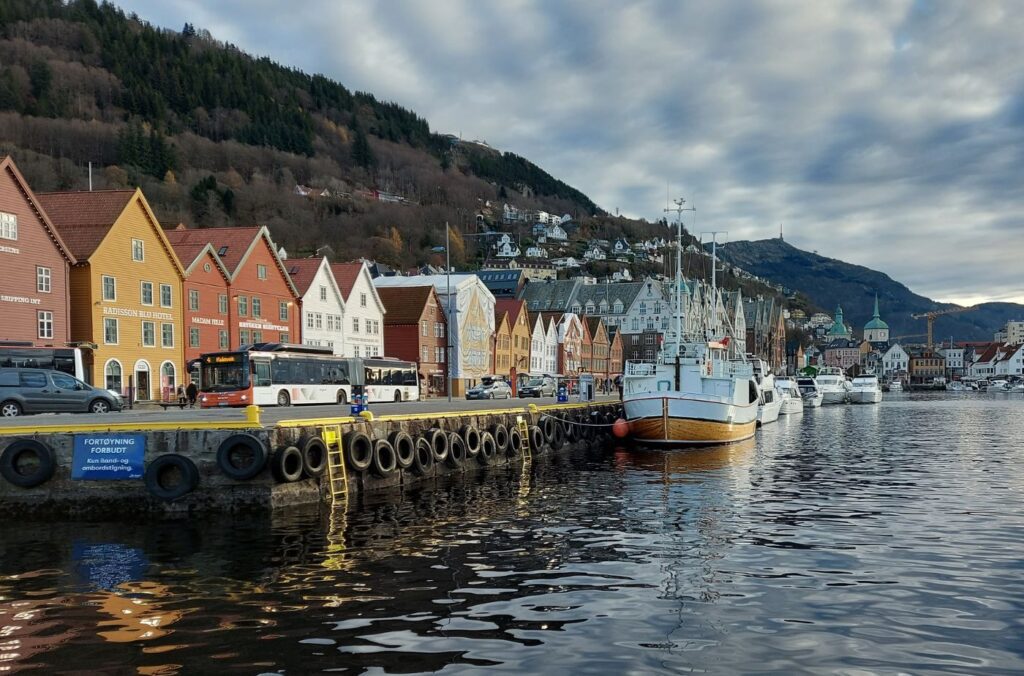
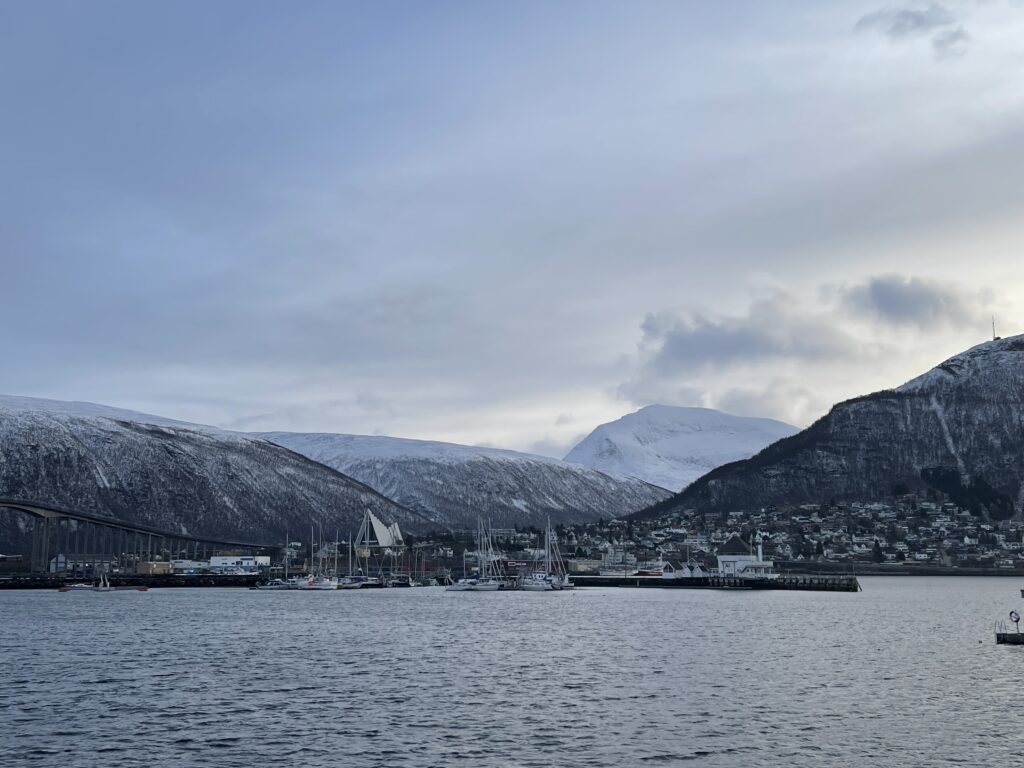
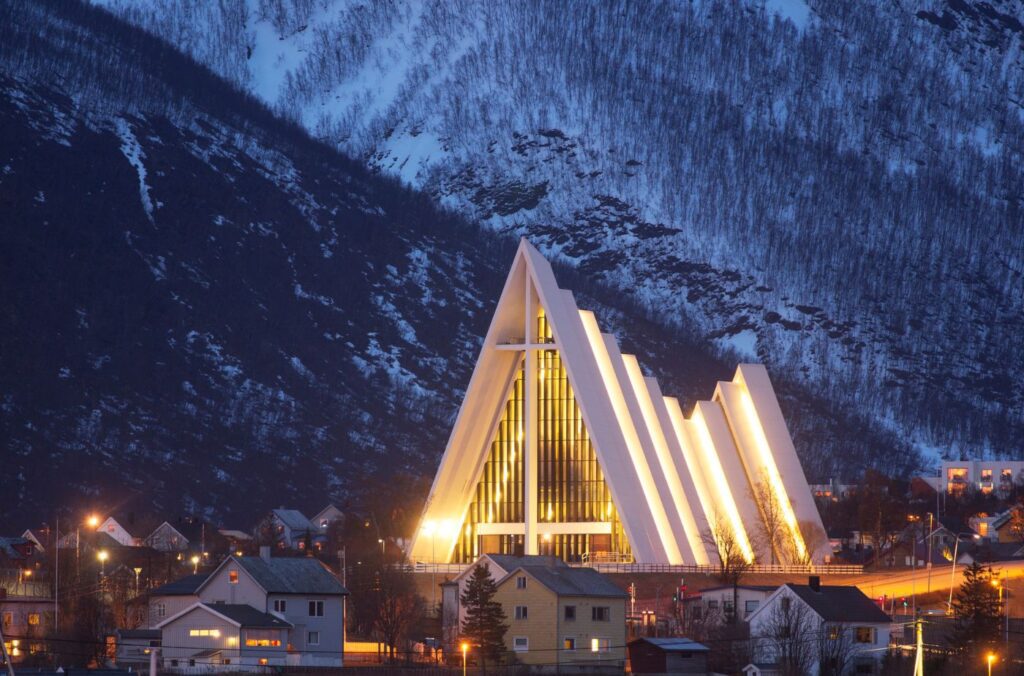
Tromsø & Northern Norway
Northern Norway in winter offers the quintessential Arctic experience—polar night, aurora displays, and deep snowy landscapes. Tromsø is the main hub of the north and is very well connected in winter. In fact, winter is Tromsø’s peak tourist season because of the Northern Lights.
You can fly to Tromsø easily (multiple daily flights from Oslo and other cities). Once there, despite its far-north location (69°N), Tromsø functions like a small city: roads are ploughed, buses run regularly, and tours depart daily for aurora hunting, dog sledding, etc. Do expect the sun to be absent between late November and January. During this period, Tromsø gets only a dim bluish light for a couple of hours in late morning. This doesn’t stop activities, but it means you plan outdoor excursions in twilight or darkness. The weather up north can be extreme: frequent snow, heavy blizzards, and occasional mild spells with icy rain. Tromsø’s coastal climate means temperatures might be around -5 °C to 0 °C much of the winter, but wind chill and storms can make it feel colder.
Travel beyond Tromsø to other parts of Finnmark (northernmost Norway) is certainly possible in winter, but requires more planning. The road E6 runs to Kirkenes on the Russian border and is kept open year-round. However, smaller highways in Finnmark can shut down temporarily during fierce weather. For example, visiting Nordkapp (North Cape) in mid-winter is an adventure: the last stretch of road to Europe’s northern tip is only open by escorted convoy – snowploughs lead groups of cars at set times each day. If conditions are too severe, even the convoy is cancelled, and you might wait a day in the nearest town. Coastal towns like Alta, Hammerfest, Honningsvåg, and Kirkenes have airports. They are also stops on the Hurtigruten coastal ship route, which is a reliable way to travel the region in winter. In extreme weather, the Hurtigruten ships might skip a port or be slightly delayed, but they are rarely outright cancelled since they’re a lifeline for coastal communities.
Lofoten Islands
The Lofoten Islands deserve special mention. Lofoten lies north of the Arctic Circle, famous for dramatic peaks and fishing villages. Winter access to Lofoten is good: you can fly into small airports at Svolvær, Leknes, or Evenes (Harstad/Narvik Airport) on the mainland and drive ~4 hours along the E10 highway. The E10 road connects Lofoten’s islands via bridges and undersea tunnels, and it stays open through winter most of the time – it’s a main regional road ploughed regularly. That said, Lofoten can experience powerful windstorms and blizzards (~2–3 per month in winter), occasionally forcing road closures and ferry cancellations, temporarily isolating the islands. For instance, the bridges along E10 have automatic gates that close in extreme winds for safety. It’s wise to allow some buffer in your schedule when visiting Lofoten in winter; if you’re on a tight timetable, a cancelled ferry (like the Bodø–Moskenes ferry) could disrupt plans. The trick is to monitor weather forecasts closely and be ready to hunker down for an extra day if a storm hits – it’s all part of the Arctic experience. Many of Lofoten’s tourist accommodations (famous rorbuer or fisherman cabins) remain open in winter, and tour operators run activities like aurora chases, sea eagle safaris, and whale safaris. Don’t expect every café or gallery to keep summer hours – the islands are quieter, with some businesses only opening on request or weekends. Public transport does exist (buses along E10), but winter schedules are limited, so renting a car or joining tours is more convenient during the off-season. And remember: if a big storm is forecast when you’re due to depart Lofoten, consider leaving a day early or be prepared to stay longer. Travel insurance that covers weather delays is highly recommended in these parts.
In summary, all regions of Norway are accessible in winter, but flexibility is key. Stick to main transport links for the most reliable travel, and watch weather advisories. The reward for your effort is experiencing Norway’s diverse regions’ tranquil, spellbinding winter modes – from Oslo’s snow-dusted cityscapes to Lofoten’s wild, stormy beauty.
Travel Around Norway in Winter: Staying Safe in Winter Conditions
Clothing & Gear
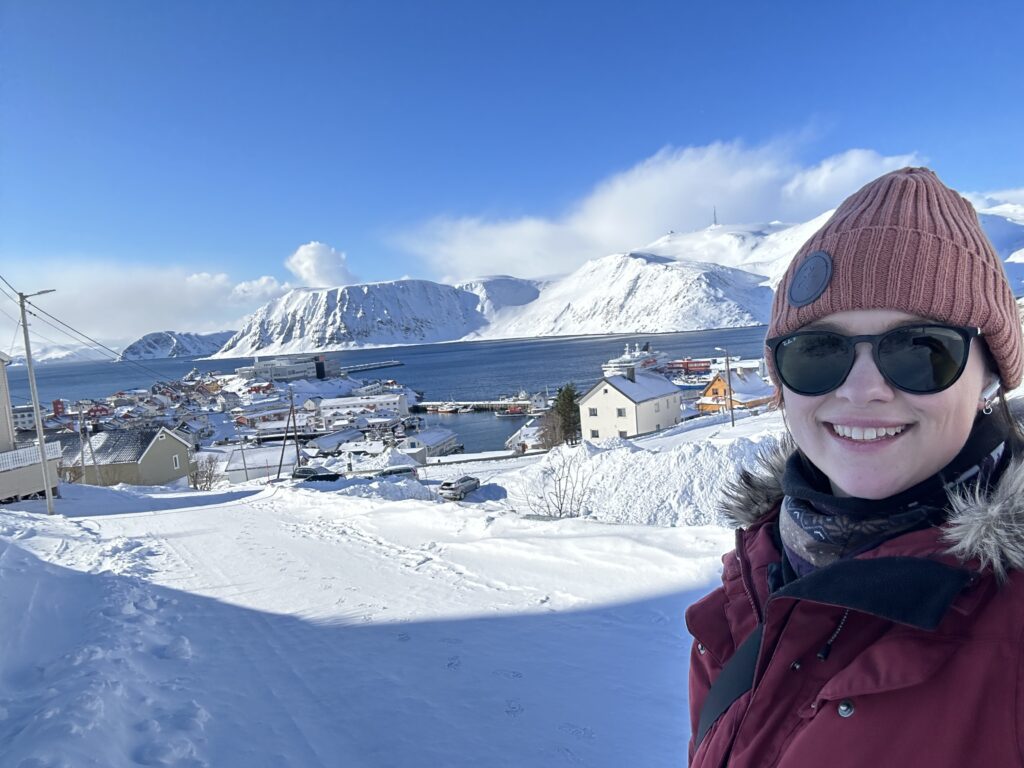
Winter travel in Norway is safe, provided you prepare for and respect the climate. Start packing the right gear: you will want insulated, waterproof clothing from head to toe. Key items include a quality winter coat, thick sweaters or fleeces, and thermal base layers to trap body heat. Always bring a hat, gloves, and a scarf/buff to cover your neck and face – the winds can be biting. Sturdy waterproof boots with a good grip are a must, as city streets can be icy; consider adding micro spike grips to your shoes, which stretch over the shoe to prevent slipping on ice.
You can buy these at Norwegian outdoor shops if you forget any of this.
Driving
If you are driving, ensure your rental car is equipped for winter. Norwegian rental companies will provide cars with winter tyres in the cold season—it’s required that the tyres be safe for the conditions. Verify this at pickup, and ask for snow chains if you plan to drive the mountain routes. Adjust your driving style to the conditions: go slow, brake gently and early (never slam brakes on an icy road), and keep a large distance from the car ahead.
Remember that on many rural roads, especially in the north, there may be no streetlights – you’ll need to use high beams in dark areas, and dim them for oncoming cars to avoid blinding others. Watch for wildlife: hitting a moose or reindeer can be very dangerous, so heed warning signs and be alert in forested or coastal areas where animals roam. If conditions are bad, it’s perfectly fine (and smart) to drive below the speed limit; locals will understand. If a line of cars builds up behind you, use turnouts to let them pass when safe. And if you genuinely don’t feel confident driving in a blizzard or on an icy mountain, don’t risk it – delay your trip or use public transport instead. There’s no shame in staying safe. Norwegian authorities frequently close particular mountain passes and roads when weather makes them unsafe; respect these closures and do not attempt to bypass barricades. Always check the live road reports (via the Vegvesen website/app or by dialling 175 in Norway) on the day of your drive for any closures or convoy controls. Carry some emergency supplies in the car, especially in remote areas: warm blankets or a sleeping bag, a flashlight, snacks, water, and a shovel. In extreme northern winter, a hot tea/coffee thermos is a nice companion too. These can be lifesavers if you get stuck in the snow or wait for a road closure.
Weather Awareness
Even if you’re not driving, weather awareness is essential. Winter conditions in Norway change quickly – blue skies can turn into a blizzard in an afternoon. A day that starts above freezing can drop to –10 °C by nightfall. Always check the forecast each morning (the Norwegian Meteorological Institute’s YR app is excellent and has hour-by-hour data). If venturing into nature (hiking, snowshoeing, etc.), heed local advice on avalanche risk and daylight timing – don’t start an all-day trek at noon when dusk is 3 pm. Bring a headlamp if you’ll be out after dark (which comes early).
Suppose you’re in the far north during polar night. In that case, a headlamp or reflective vest is wise even when walking around town since it’s dark most of the day, and drivers appreciate any visibility of pedestrians.
Staying Healthy
Staying healthy and comfortable involves pacing yourself. The cold can be draining, and you might not realise you’re dehydrated (cold air is dry). Remember to drink water and moisturise your skin and lips to prevent chapping. When moving between extreme cold outdoors and hot indoor heating, your body works hard to adjust – so allow yourself warm-up breaks. Norwegians have mastered the art of kos (cosiness) to get through winter: don’t hesitate to duck into a cafe for a steaming cup of cocoa when you feel chilled or tired. Nearly every attraction, from museums to shops, has a cloakroom or lockers so that you can shed your bulky layers indoors. Take advantage and don’t overheat yourself by keeping all your woollies on inside! Operators often provide thermal suits if you’re doing an outdoor tour (like Northern Lights chase or whale watching); still, wear your good base layers underneath.
Safety Services
Safety services: Norway has a very professional rescue system. In an emergency, you can call 112 for police, 110 for fire, or 113 for ambulance (or 112 for any, and they’ll route you). In winter, the most significant hazards are road accidents and the occasional avalanche in backcountry areas – the risks are low for general travellers sticking to roads and tourist activities. Do make sure you have travel insurance that covers winter-related disruptions. As mentioned, weather can delay transport – for instance, you might need an extra hotel night if a flight is cancelled or a road is closed by a snowstorm. Insurance can take the sting out of those unplanned expenses. If you’ll do those, it’s also wise to have coverage for adventure activities (e.g. snowmobiling or skiing).
Flexibility and Patience!
Finally, be flexible and patient. Winter travel requires a sense of adventure and acceptance that nature sometimes wins. If a blizzard shuts down your plans for a day, take it in stride – relax at your hotel or find a local indoor activity. When the weather clears, Norway will reveal another aspect of its beauty, and you’ll be glad you waited. As one travel guide author put it, the Norwegian winter is “no joke” and you must use your best judgment about what’s safe, but with proper respect, it is gratifying.
Travel Around Norway in Winter: Final Thoughts
Travelling in Norway in winter requires more preparation than a summer trip – but it rewards you with experiences that don’t exist elsewhere. You’ll leave with memories of polar-night skies, crisp air, and landscapes transformed by snow and ice. If you plan smart, stay flexible, and bundle up, a winter journey through Norway can be truly magical.
Safe travels (or as the Norwegians say, god tur) and enjoy your Arctic adventure!