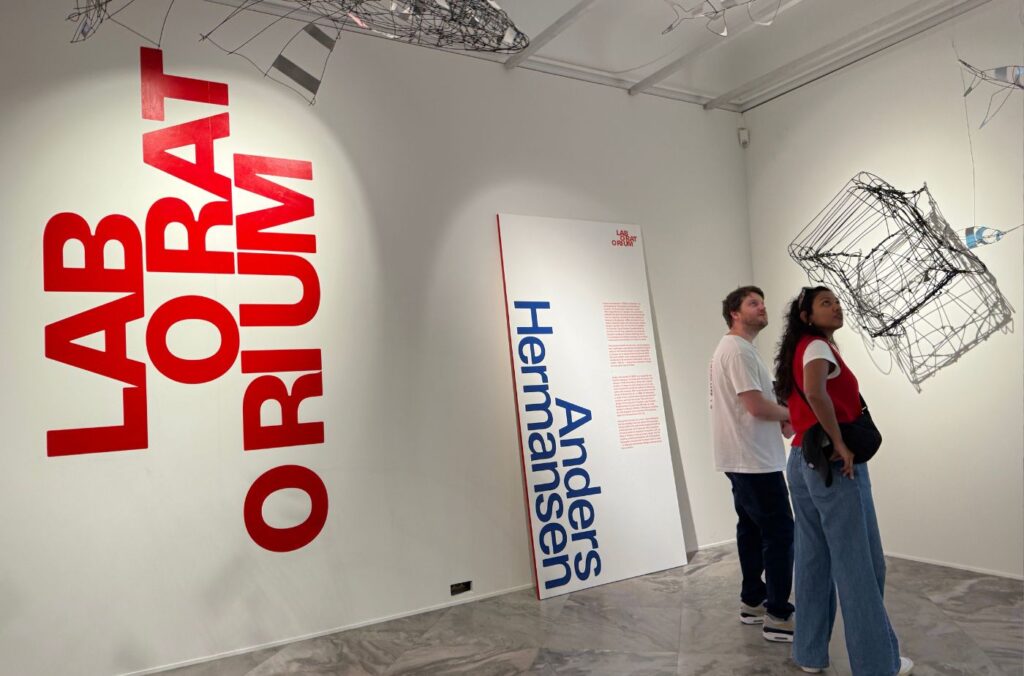
The Resistance Museum in Denmark – Everything You Need to Know Before You Go
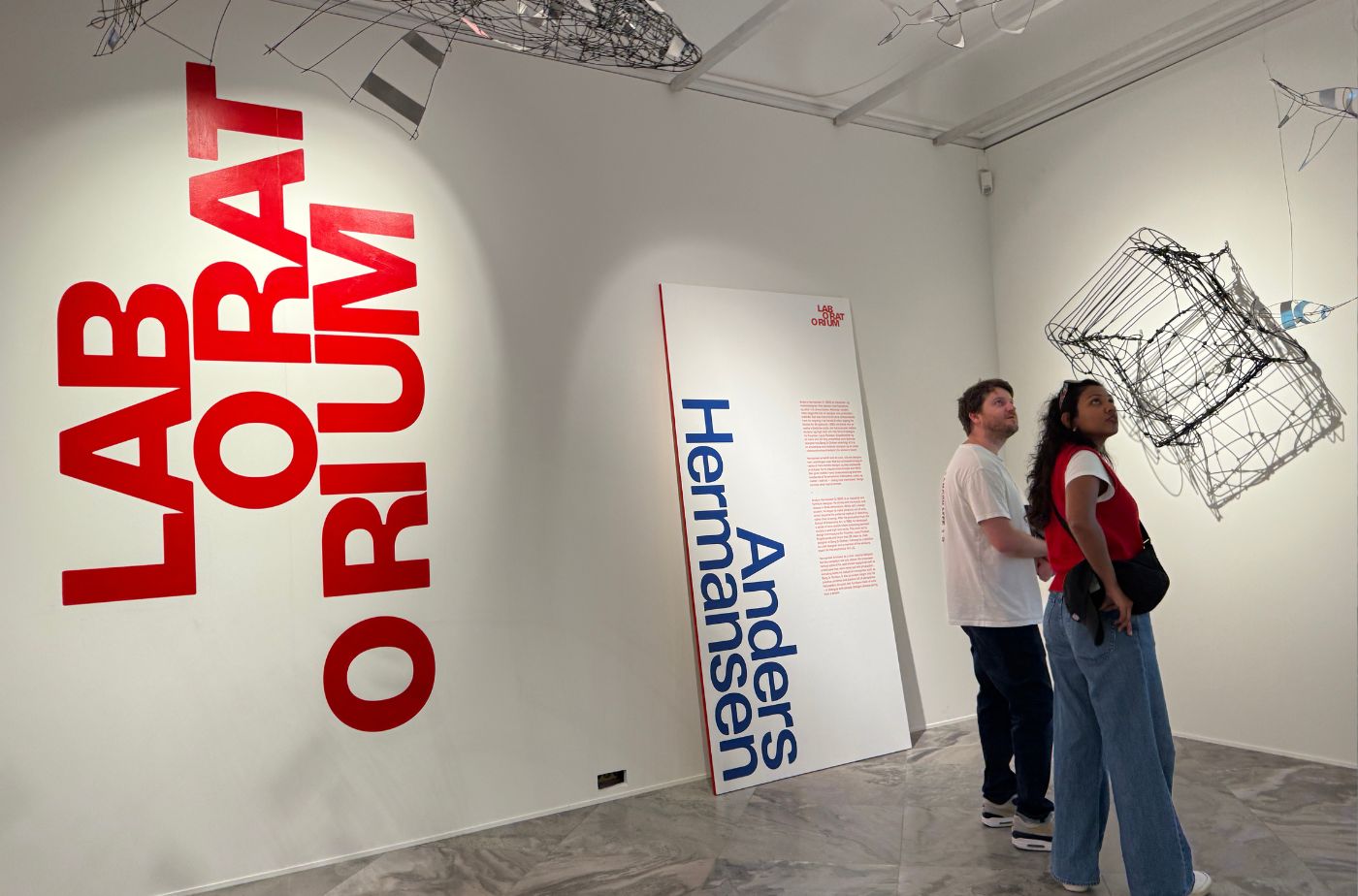
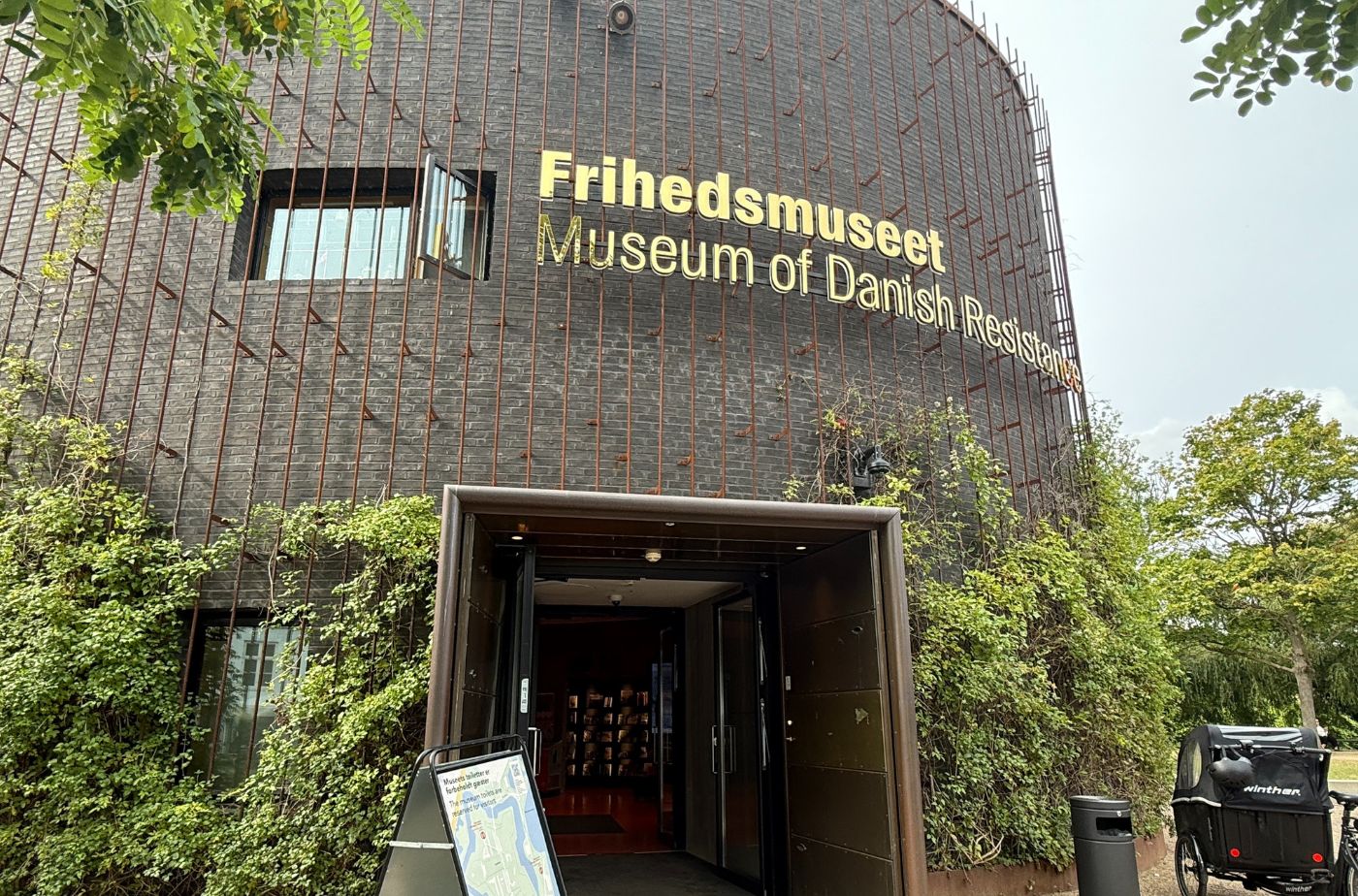
Explore Denmark’s Resistance Museum and dive into World War II history that shaped Danish resilience and courage.

Copenhagen is a wonderful city. A hub of culture and design for Scandinavia, the city is also historic, charming, and home to world-class museums. Any visit to Scandinavia has to include a visit to Copenhagen!
Latitude: 55,4 degrees north
Population: 1.4 million
Hottest month: July
Coldest month: February
Wettest month: August
Windiest month: January
Annual precipitation: 312mm
Copenhagen Municipality
Here are some things that you must do and try in Copenhagen
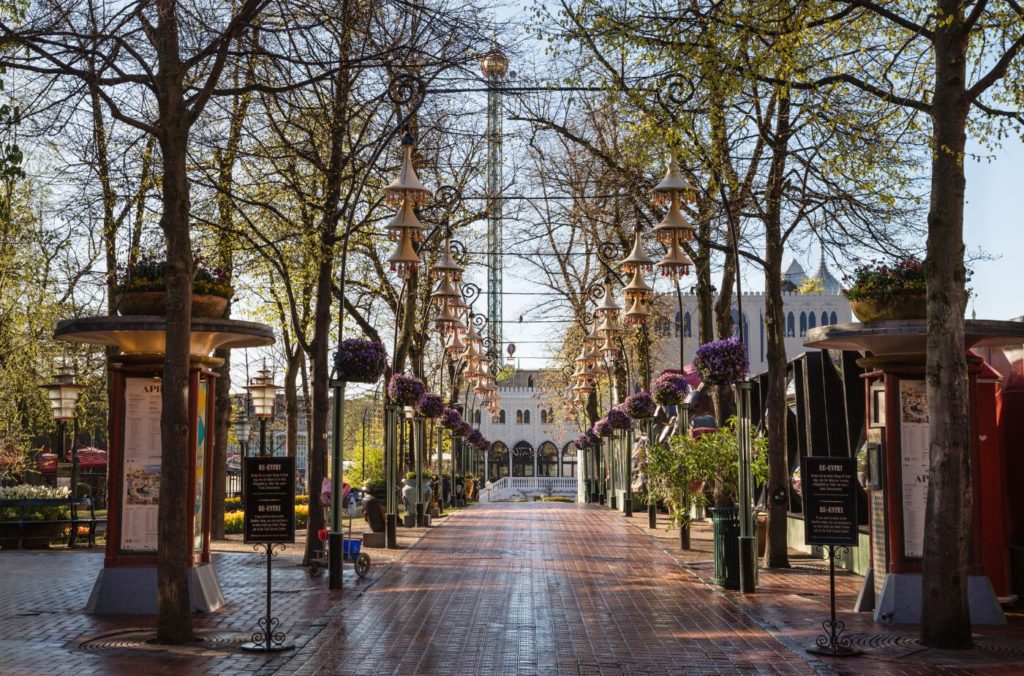
Established in 1843, Tivoli Gardens is a must-see in Copenhagen. It is the second-oldest seasonal amusement park in the world and inspired the likes of Walt Disney.
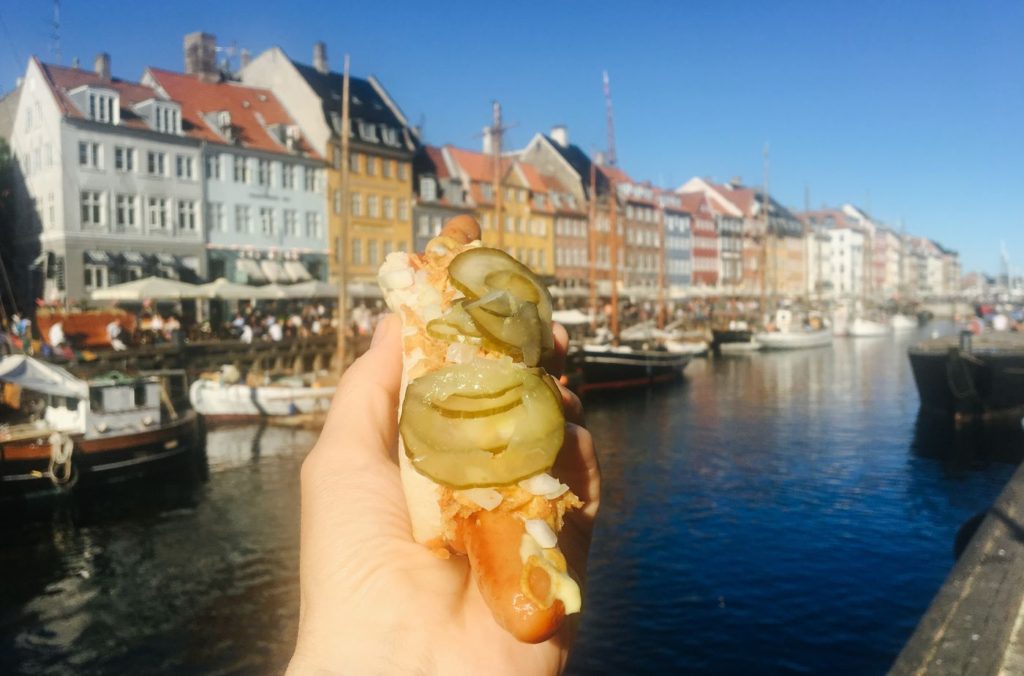
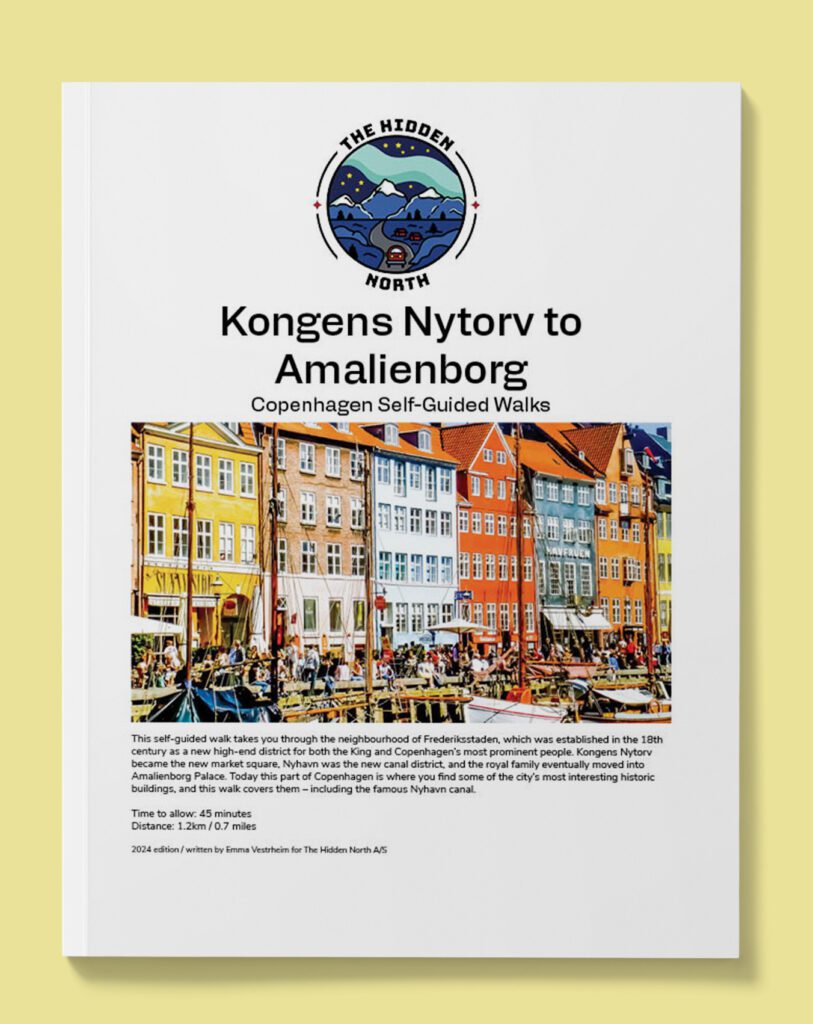
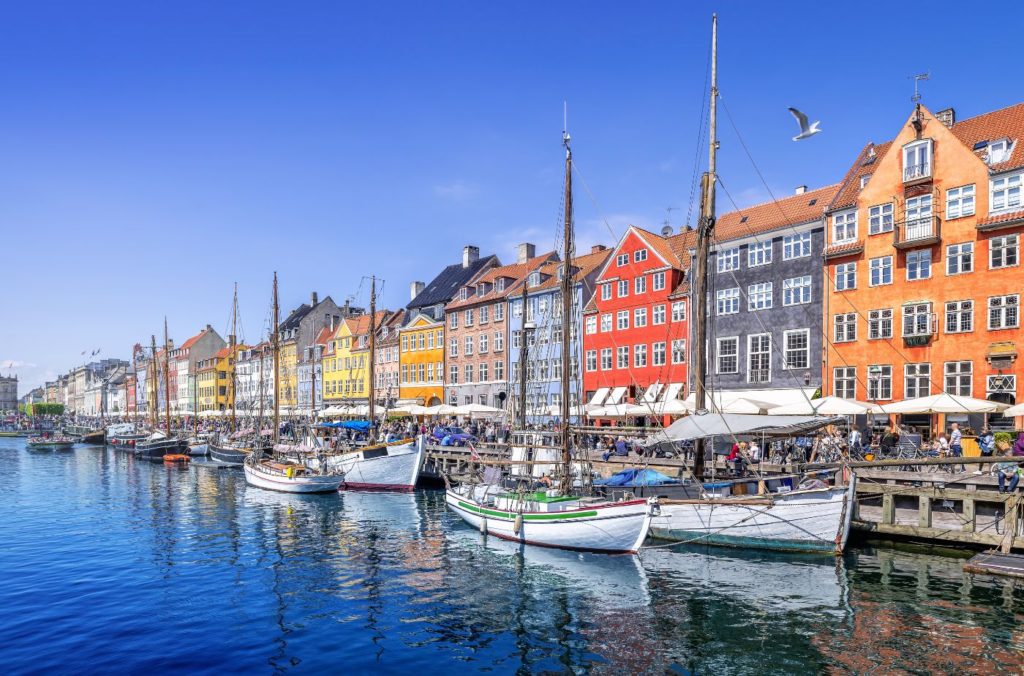
Nyhavn is the historic harbour area. It was built to connect Kongens Nytorv to the harbour and developed as a sailors neighbourhood, though Hans Christian Andersen did live here for a while.
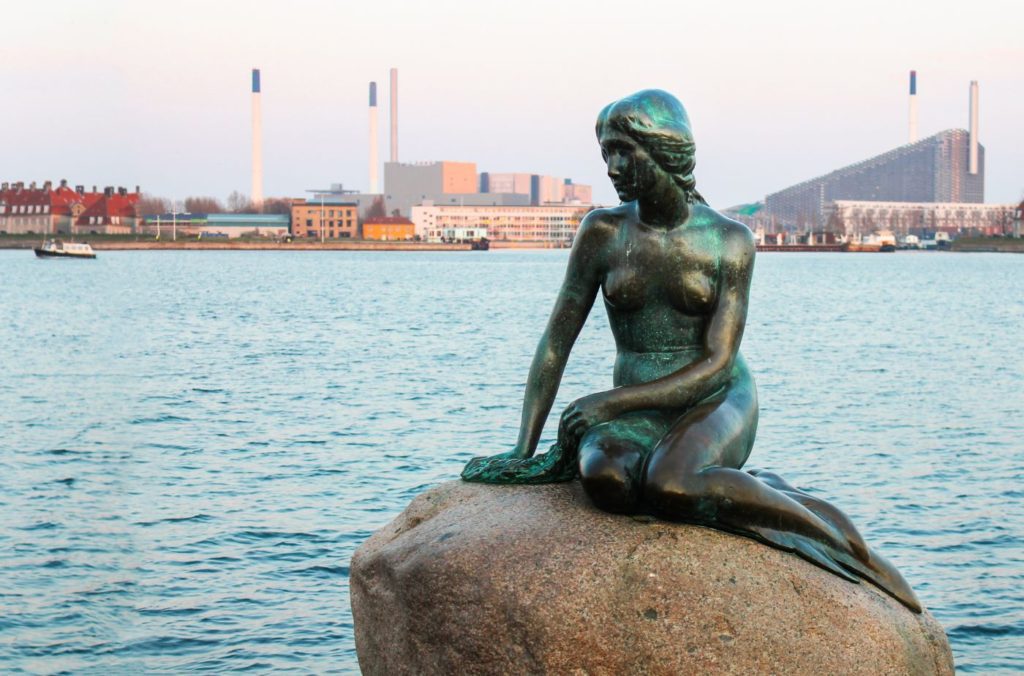
Is it a tourist trap? Yes. Should you still see it? Absolutely! The Little Mermaid is an icon of Copenhagen. It was commissioned in 1909 by the Danish beer baron Carl Jacobsen and has since become quite famous.
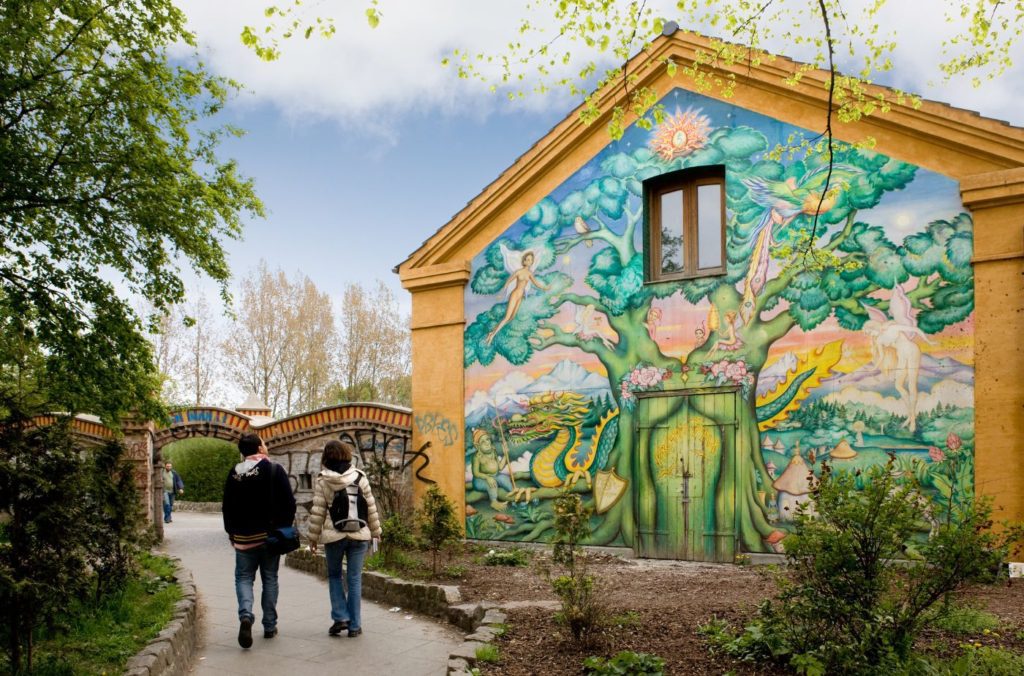
Freetown Christiania was established by squatters in 1971 and is today a hippy and artists neighbourhood. There is the sale of hash and marijuana on the street Pusher Street (note – very illegal), but any other place in Christiania is lovely.
The dirty looking hot dog carts you see around Copenhagen are the perfect place to try one of the most beloved fast foods in the city.
Here’s an overview of some of the best things to see and do in Copenhagen
The National Museum of Denmark is a great overview of Danish history, with an excellent Viking exhibition.
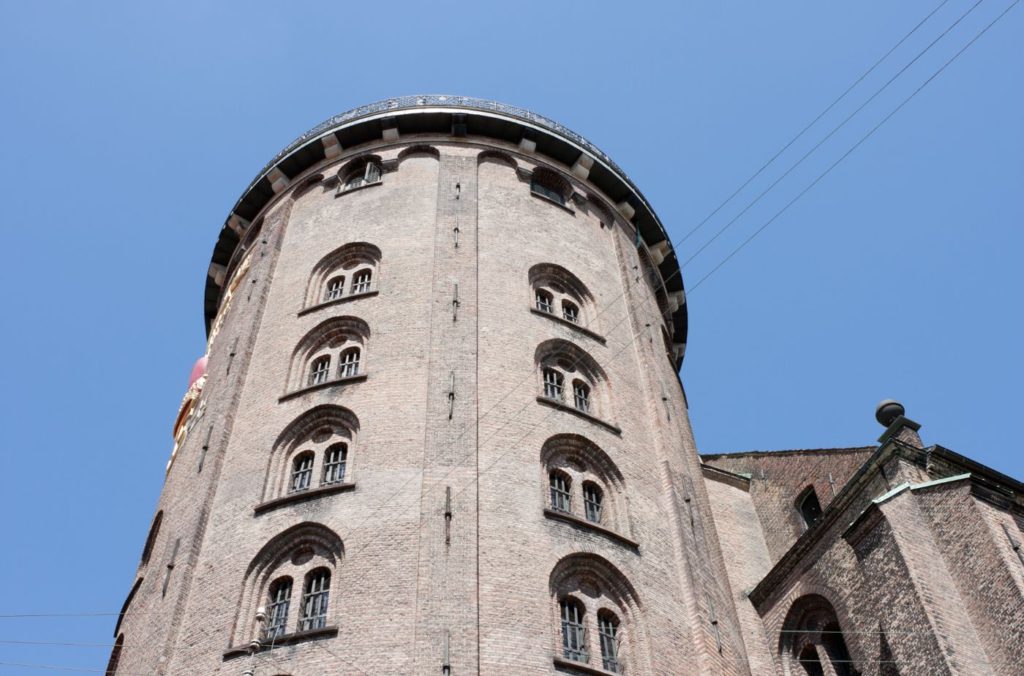
The Round Tower was constructed in 1642 under King Christian IV as an observatory. Today it is possible to walk to the top for lovely views of Copenhagen.
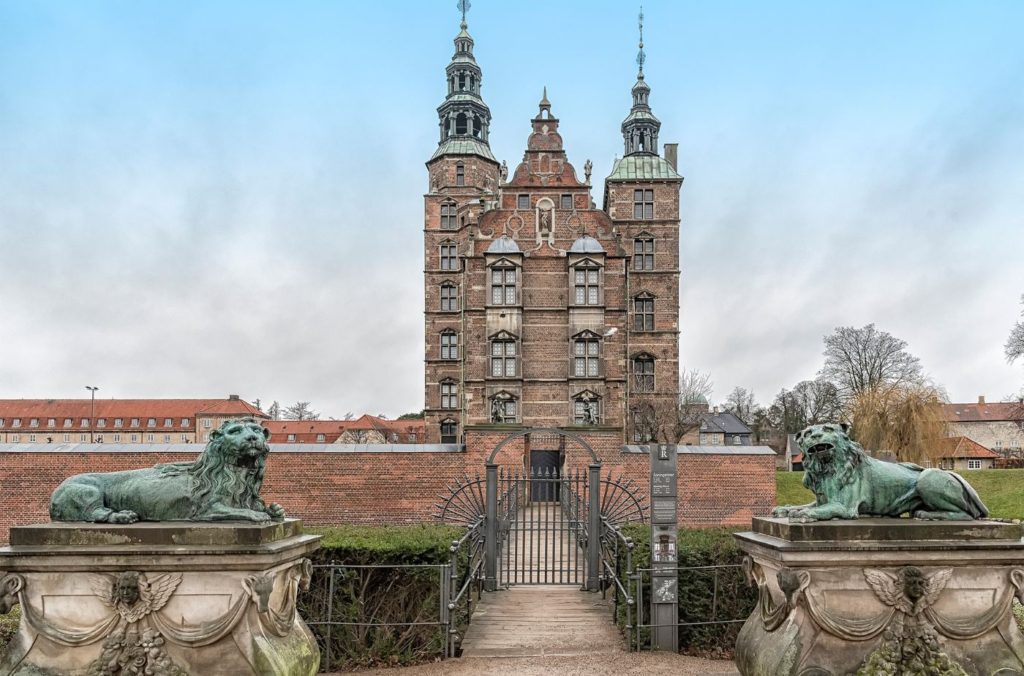
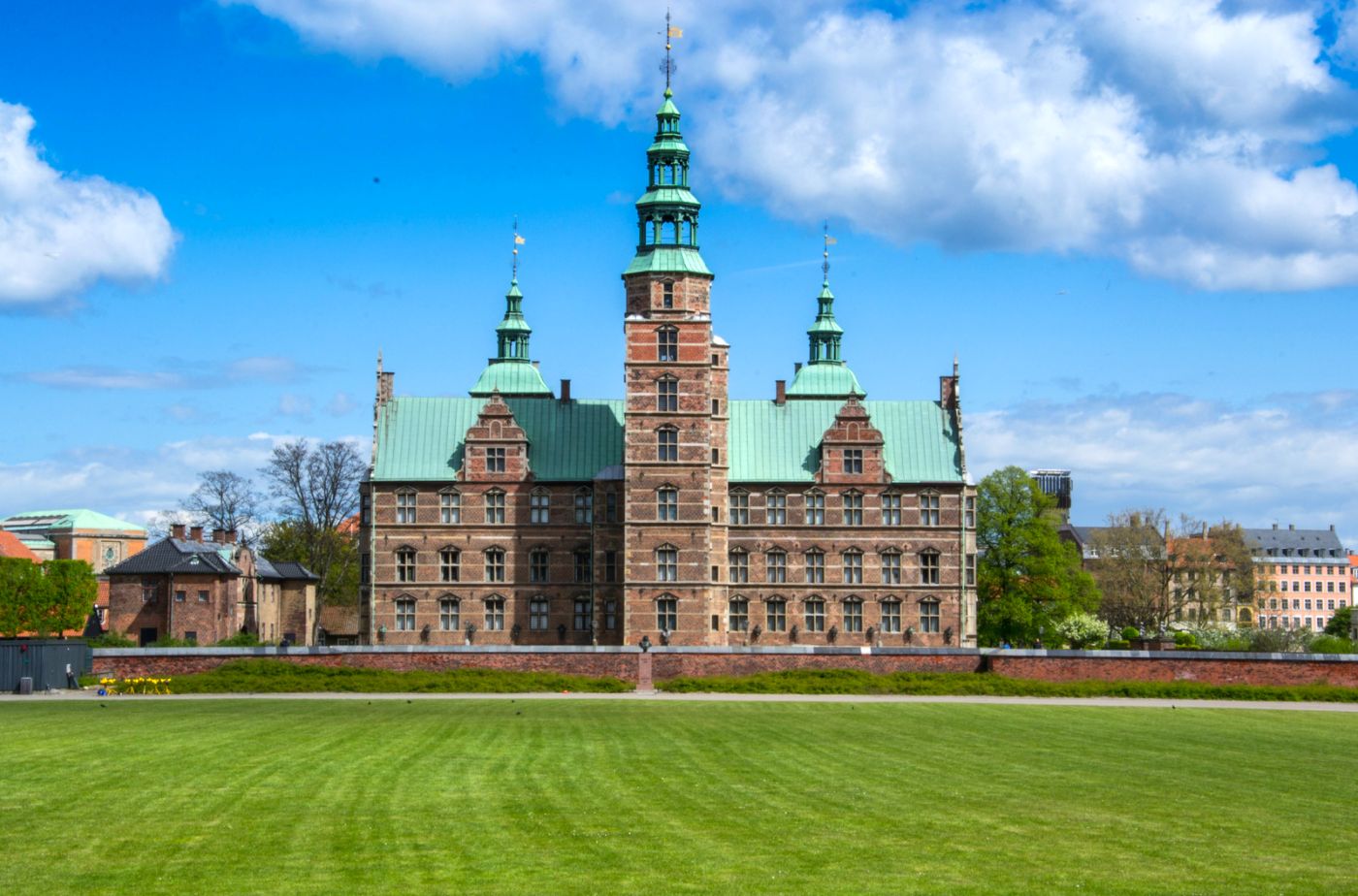
Rosenborg is one of my favourite attractions in the city. It was built as a summer palace for King Christian IV in the early 17th century and feels almost like the Graceland of Copenhagen.
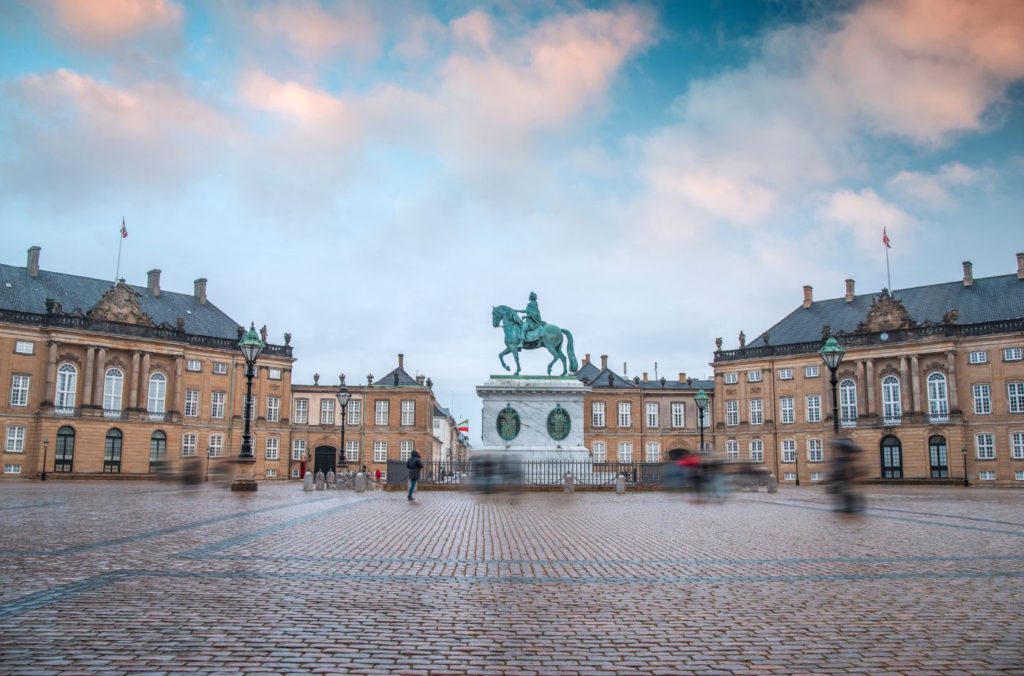
Amalienborg is the royal residence of Denmark. It is possible to walk around the courtyard, and one of the buildings has an exhibition about the monarchy.
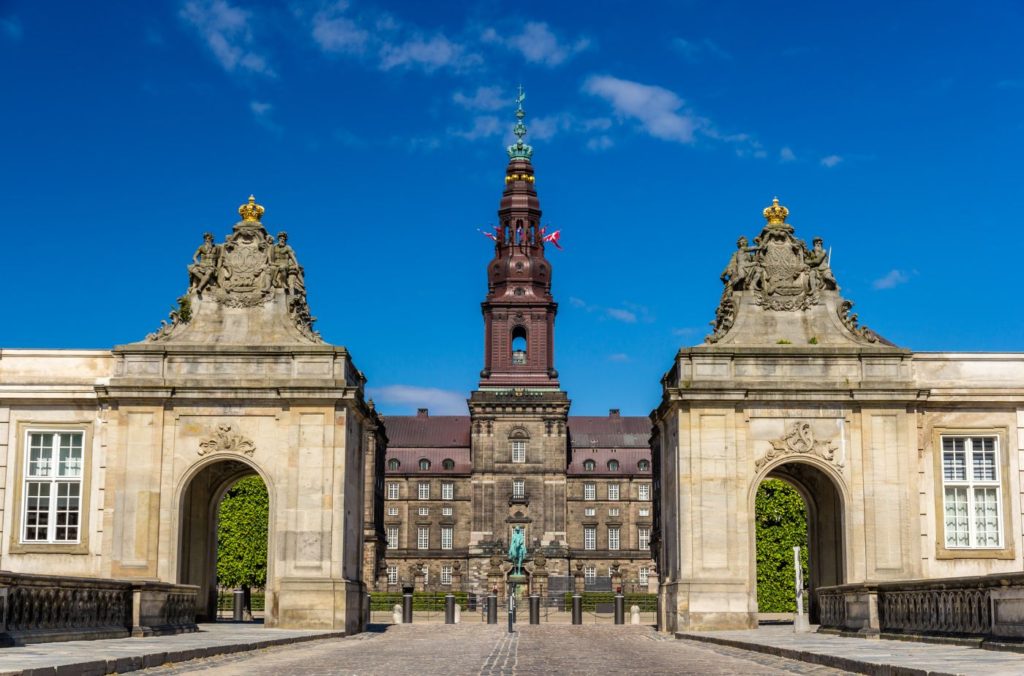
Christiansborg is home to the Danish Parliament, Prime Ministers Office, Royal Reception Rooms and the Supreme Court. It is built on the site where the original castle stood.
This elegant 18th-century church near Amalienborg is known for its immense green copper dome (one of Europe’s largest) and neoclassical marble façade.
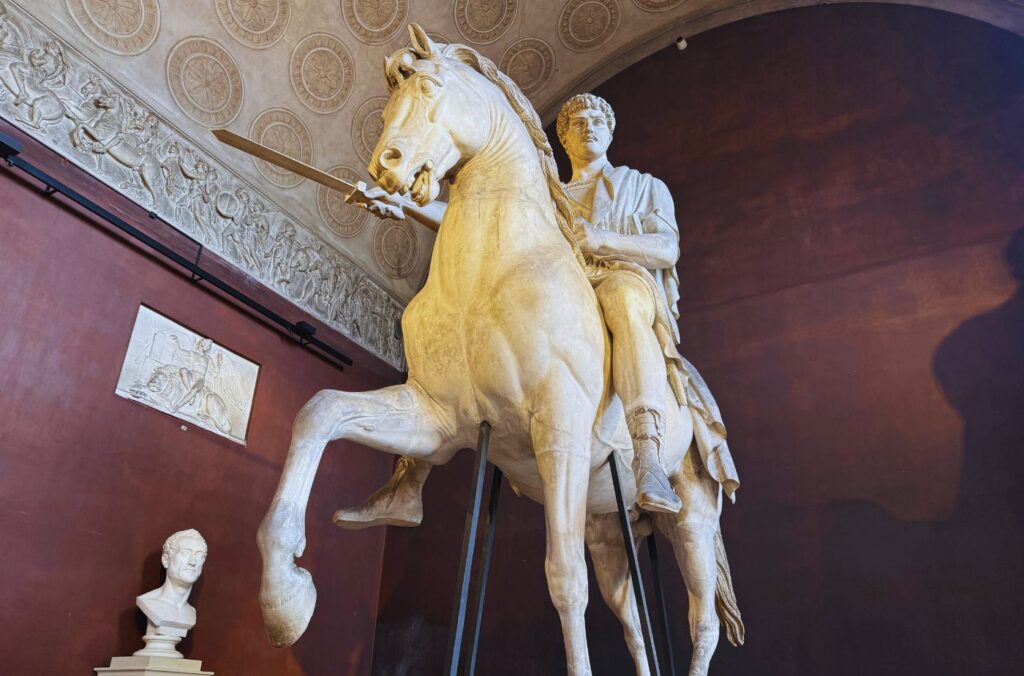
Dedicated to the sculptor Bertil Thorvaldsen, this is a wonderful museum to visit!
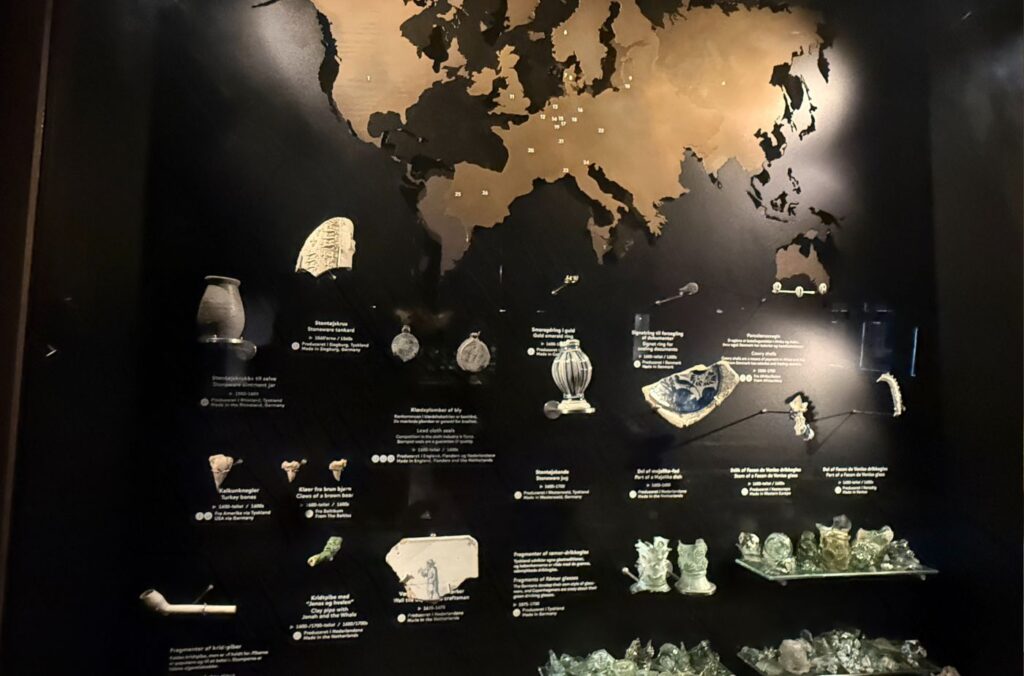
Looking for a comprehensive overview of how Copenhagen came to be? The Museum of Copenhagen is probably the city’s most underrated museum!
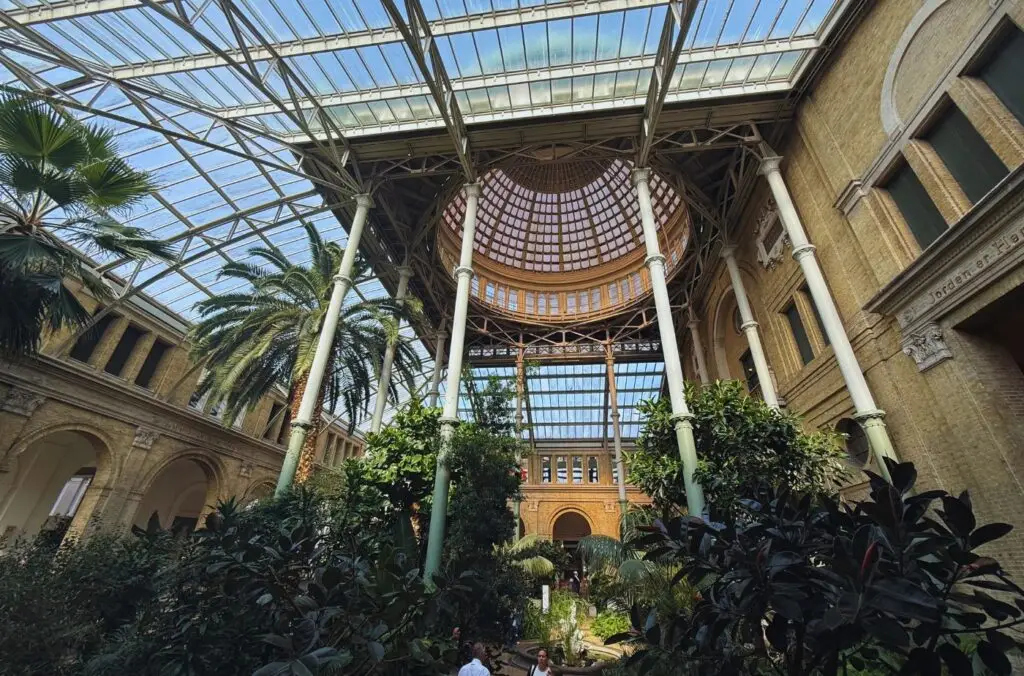
This is arguably the most famous of all Copenhagen’s museums/galleries.
Learn about the history of Danish design through this incredibly put together museum.
Looking to go for a hike or take part in a unique experience? Here are our recommendations!
A canal cruise is essential in Copenhagen! Stromma runs classic 1-hour audio cruises past the Little Mermaid, Amalienborg and Christianshavn. The official Netto Boats run hourly guided harbour cruises (English commentary) from Nyhavn or Holmens Canal. These glide under the Opera House, by the Stock Exchange and past Amalienborg. (In summer, the boats are open; in winter, they’re heated and covered.)
Copenhagen is the Mecca for cyclists, with amazing cycle paths everywhere. The city is also completely flat, so you won’t break much of a sweat.
I recommend Bike Copenhagen with Mike.
Dragør is a charming fishing village located just south of Copenhagen, making it perfect for a day-trip.
A 13 km walking/biking route around the harbour from Nyhavn to Sydhavn.This loop passes modern waterfront developments, historic ships and green spots; you’ll see parks, houseboats, urban art and the sea. (It can be broken into shorter sections to suit all fitness levels.)
Wander Copenhagen’s oldest royal garden (created 1606) around Rosenborg Castle. This tidy park has lawns, statues and flowerbeds; it’s great for a peaceful stroll or picnic. (The adjoining King’s Gate and Queen’s Gate entries are worth noting.)
We currently have no road-trips out of Copenhagen.
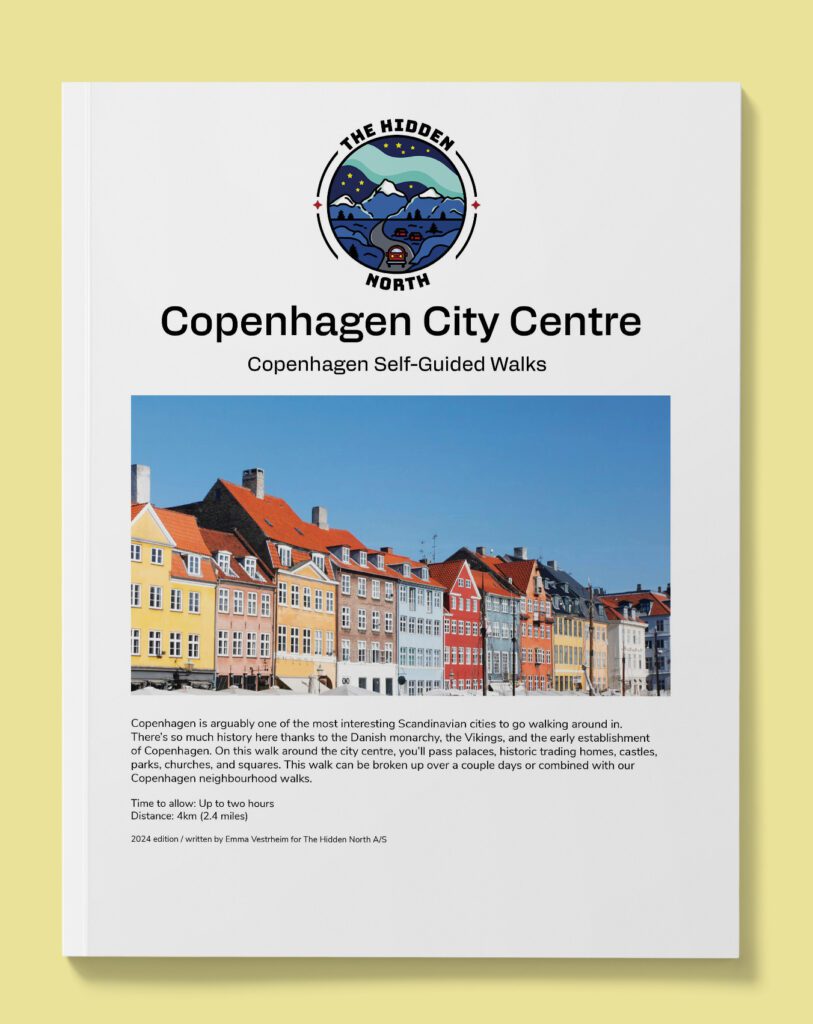
Copenhagen is arguably one of the most interesting Scandinavian cities to go walking around in. There’s so much history here thanks to the Danish monarchy, the Vikings, and the early establishment of Copenhagen. On this walk around the city centre, you’ll pass palaces, historic trading homes, castles, parks, churches, and squares. This walk can be broken up over a couple days or combined with our Copenhagen neighbourhood walks.
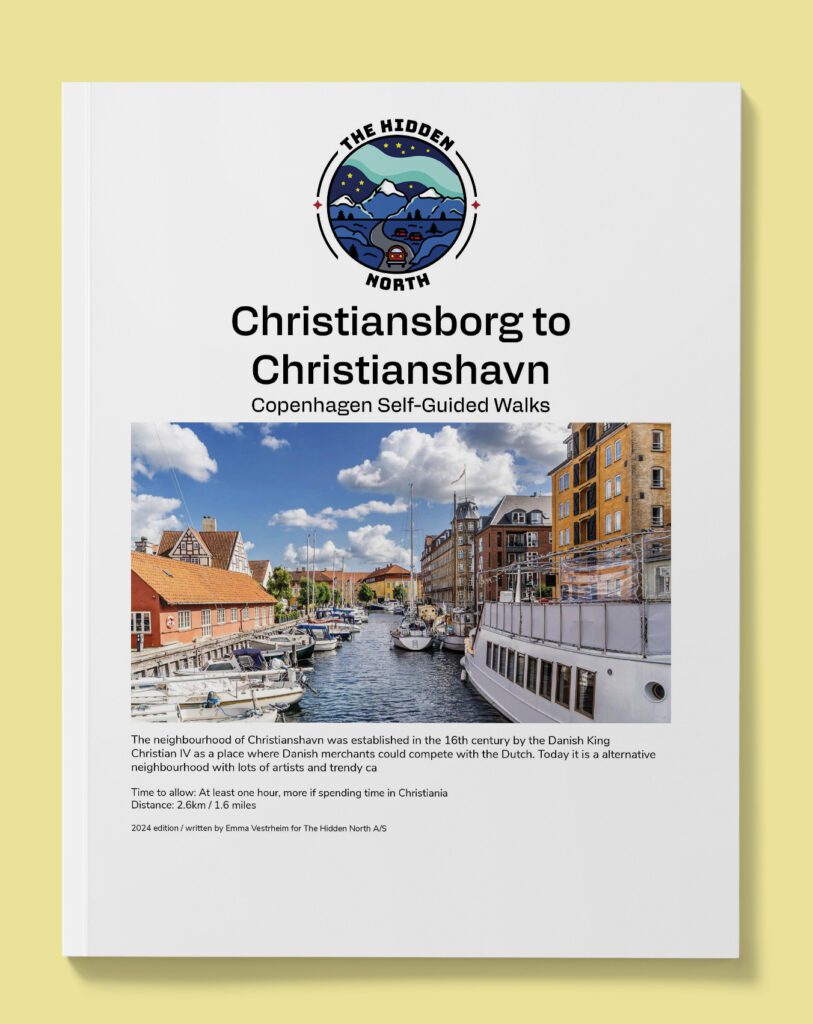
The neighbourhood of Christianshavn was established in the 16th century by the Danish King Christian IV as a place where Danish merchants could compete with the Dutch. Today it is a alternative neighbourhood with lots of artists and trendy cafes. You will also find some of the oldest houses in Copenhagen here, making it a fascinating place to explore.
Watch our YouTube videos featuring Copenhagen
Follow me for an early morning walk around Copenhagen.
Copenhagen was founded in 1167 by Bishop Absalon, who also built the first castle here. The city grew in importance from the 14th century onwards as it developed as a trade harbour and then when King Erik of Pomerania made it the capital in 1416.
It wasn’t until King Christian IV, however, that the city was developed as a fashionable and important capital. Christian IV had a number of Dutch Renaissance buildings constructed, and many still stand today. One of the buildings, Borsen, is Europe’s first stock exchange.
Copenhagen was hit by the plague in 1711 and a number of tragic fires throughout the 18th century changed the style of the city. It wasn’t until the 19th century that the city expanded beyond its walls. The city managed to escape destruction during World War II, though it was occupied by the Nazis.
Today Copenhagen is a modern and progressive capital that regularly ranks high on the quality-of-life indexes.
Fly: Copenhagen Airport is a major international airport with flights to practically everywhere.
Drive: Copenhagen is well connected to the rest of Europe via the highways.
Train: There are trains connecting Copenhagen to Stockholm (via Malmo) and then across to various places in Denmark. It is also possible to take the train between Copenhagen and Hamburg.
Ferry: There are ferries connecting Copenhagen with Oslo and Swinoujscie, Poland.
Copenhagen is a very walkable city and it is the best way to explore.
If you are planning on using public transport, get the Copenhagen Card as it’ll also give you free entrance to most of the museums.
If not, you can just download the public transport app onto your phone. Public transport is excellent and easy in all seasons. The Metro (M1/M2/M3/M4 lines) and S-train network link all districts quickly. Buses (and harbour ferries) fill gaps. The rechargeable Rejsekort ticket works on trains/buses/metro.
The historic Strøget and surrounding streets (like Købmagergade) host major brands and department stores (Magasin du Nord, Illum). For something quirkier, explore Latin Quarter lanes (Kompagnistræde, Larsbjørnsstræde) with indie boutiques. Værnedamsvej (“Copenhagen’s Little Paris”) between Vesterbro and Frederiksberg is lined with cafés, delis, lingerie and lifestyle shops.
Copenhagen is known for its design. Visit the flagship Royal Copenhagen and Georg Jensen stores for classic Danish porcelain and silver. Contemporary fashion labels (Ganni, Stine Goya, Baum und Pferdgarten) have stores in city centre. For art and gifts, see Shrig Shop (David Shrigley’s whimsical prints and merch) Crime Passionnel (niche perfumes with unusual scents) and Studio Arhøj (playful handmade ceramics). The colourful Peech shop on Nørrebro sells modern sex toys in a fun environment (reflecting Copenhagen’s open-minded culture).
Cafes & Bakeries
Copenhagen’s café culture is strong. Seek out artisanal coffee shops (e.g. Coffee Collective, Prolog, Democratic Coffee) and bakery-cafés (Sankt Peders Bageri, Hart Bageri) serving wienerbrød (Danish pastries) and sandwiches. Open-faced sandwiches (smørrebrød) are a must-try local speciality, dense rye bread piled with herring, roast beef, or salmon and garnishes. Many cafés also offer brunch dishes with Nordic twists (eggs, smoked fish, rye, pickles) and all-day pastries.
Quick Bites & Street Food
Gasoline Grill has been voted one of the best burger places in the world.
For a casual meal, try Copenhagen’s street-food and market halls. Torvehallerne near Nørreport is an upscale food market with 60+ stalls of gourmet foods: organic produce, cheeses, smørrebrød, tapas, ramen and more. Other casual spots include the Reffen street-food market (Christiania harbour), Broens Gadekøkken on the Paper Island bridge, and trendy neighbourhood eateries in Nørrebro and Vesterbro serving everything from falafel and tacos to smörrebröd and kebabs. Don’t miss trying a “rød pølse” hot dog at DØP (a classic organic frankfurter stand) as a street snack.
Reasonable Restaurants
Heering on Nyhavn is a great seafood restaurant.
High End & Unique Eats
Copenhagen is known for world-class fine dining (New Nordic cuisine). Top-tier restaurants (Noma, Geranium, Alchemist, AOC) hold multiple Michelin stars. Many upscale places offer Nordic tasting menus featuring local ingredients (foraging, craft butchery, innovative produce). For something less formal but still gourmet, chef-led bistros like Relæ, Höst or Barr offer creative Nordic fare. There are also excellent sushi, Italian and French restaurants that earn acclaim. (Reservations are often needed for high-end spots.) In general, expect a focus on seasonal, locally-sourced ingredients.
Hostels & Camping
Copenhagen Downtown Hostel is a centrally located hostel with bike rental and free dinner (if you book on their website).
Wake Up Copenhagen is by no means a hostel, but the prices are comparable and the rooms are great. I use them when I want a budget trip to CPH.
There are a few campsites near Copenhagen. For example, Copenhagen Camping (in Klampenborg, north of the city) offers wood cabins and caravan sites in a wooded area. Charlottenlund Fort Camping is close to beaches and the Deer Park. Bellahøj Camping lies in parkland near Utterslev Mose lake. These give a budget-friendly nature stay but are away from central sights (you’ll need a car or train).
B&Bs and Guesthouses
Ibsens Hotel is a nice guesthouse with basic rooms. Bed-and-breakfasts and guesthouses offer homey lodging. Some city-centre B&Bs have Danish design or historic charm. For youth and backpackers, hostels like Urban Camper (where you can rent stylish rooftop tent cabins) or Generator Hostel are popular. (Also check Airbnb/short-let apartments for local stays.) Many Danish people host travelers in spare rooms (“hospitable home stays”), which can be cosy options.
Chains & Mid-Range
There aren’t many ‘mid range’ options here. Hotels are generally very expensive. Look for the Scandic chain for mid-range options.
Copenhagen has many modern 3–4 star hotels. Well-known chains include Wakeup Copenhagen (budget-modern rooms in central locations), CitizenM (compact boutique rooms), Scandic or Comfort hotels. Also local chains like Axel Guldsmeden (eco-friendly boutique hotels) or Cabinn hotels (capsule-style rooms). These generally offer comfortable rooms and basic facilities in central areas like City Centre, Vesterbro or Nyhavn. Many include breakfast and easy public-transit access.
High End & Unique Properties
Upscale options abound. Landmark luxury hotels include Brøchner’s Nimb Hotel (in Tivoli, with an elegant Art Nouveau interior and rooftop pool) and Hotel d’Angleterre (classic 5-star at Kongens Nytorv). Other high-end spots: the new Manon Les Suites (chic jungle-themed rooftop pool), Villa Copenhagen (restored 1912 post office near Tivoli), and Palace Hotel (historic, connected to City Hall). There are also design-boutique hotels (such as SP34 in Latin Quarter, Hotel Sanders, or Admiral Hotel by the harbour) that combine Danish style with top service. All are year-round, many with on-site restaurants and bars.
Sunrise: 8:29am
Sunset: 4:08pm
Average Temperature: 1C (34F)
Sunrise: 7:35am
Sunset: 5:13pm
Average Temperature: 1C (34F)
Sunrise: 6:24am
Sunset: 6:14pm
Average Temperature: 3C (38F)
Sunrise: 6:04am
Sunset: 8:16pm
Average Temperature: 7C (45F)
Sunrise: 4:57am
Sunset: 9:15pm
Average Temperature: 12C (53F)
Sunrise: 4:25am
Sunset: 9:55pm
Average Temperature: 15C (59F)
Sunrise: 4:47am
Sunset: 9:43pm
Average Temperature: 18C (64F)
Sunrise: 5:42am
Sunset: 8:44pm
Average Temperature: 17C (63F)
Sunrise: 6:42am
Sunset: 7:26pm
Average Temperature: 14C (57F)
Sunrise: 7:41am
Sunset: 6:08pm
Average Temperature: 10C (49F)
Sunrise: 7:45am
Sunset: 4:02pm
Average Temperature: 5C (42F)
Sunrise: 8:33am
Sunset: 3:56pm
Average Temperature: 2C (36F)

Explore Denmark’s Resistance Museum and dive into World War II history that shaped Danish resilience and courage.

Here’s my guide to visiting the Design Museum in Denmark, including the exhibitions, highlights, and practical information.
Explore the most important Danish royal sites as we trace the history of the Danish royal family!
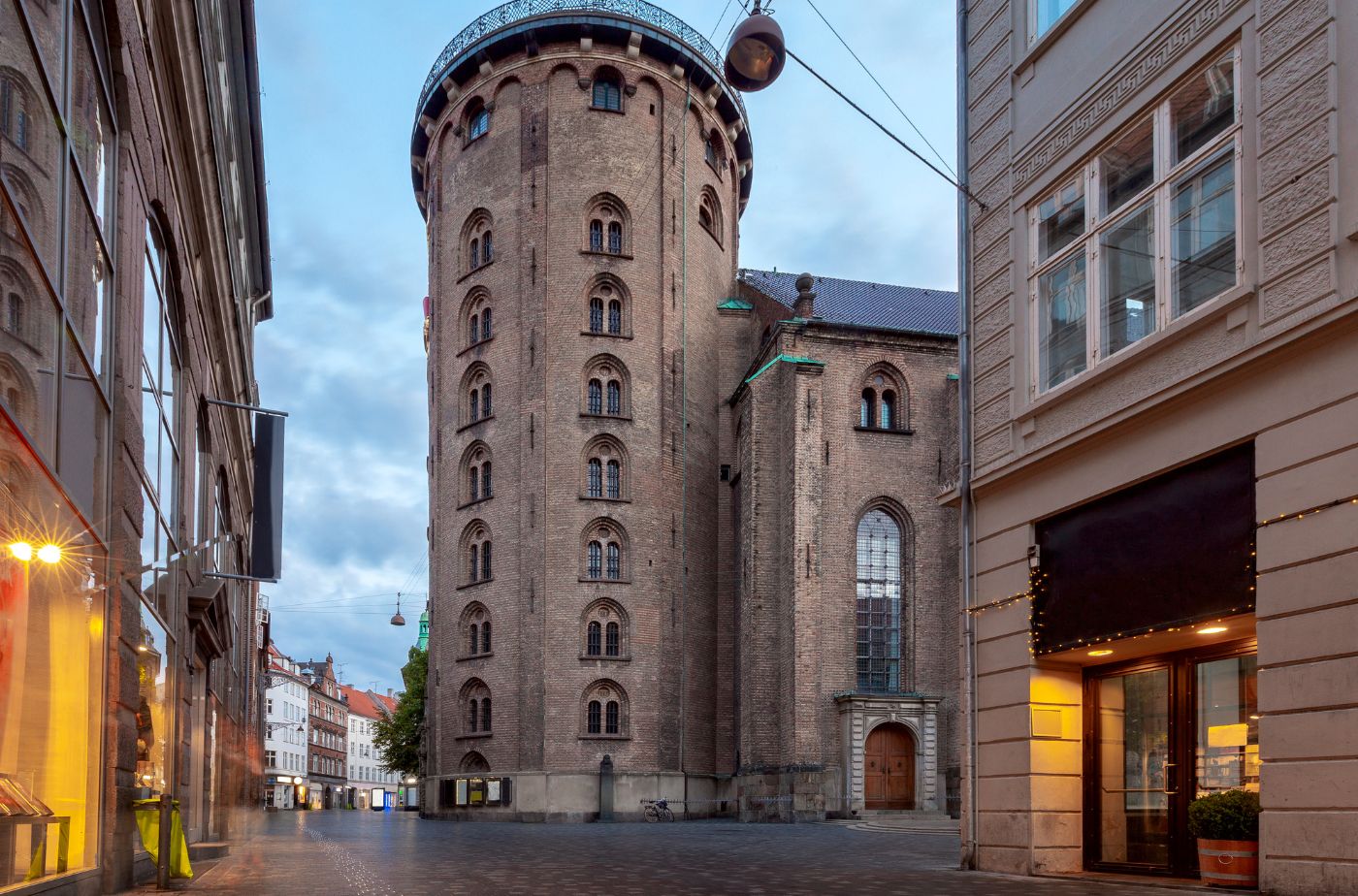
Explore the Round Tower – Europe’s oldest-functioning observatory and iconic 17th century building in the heart of Copenhagen!
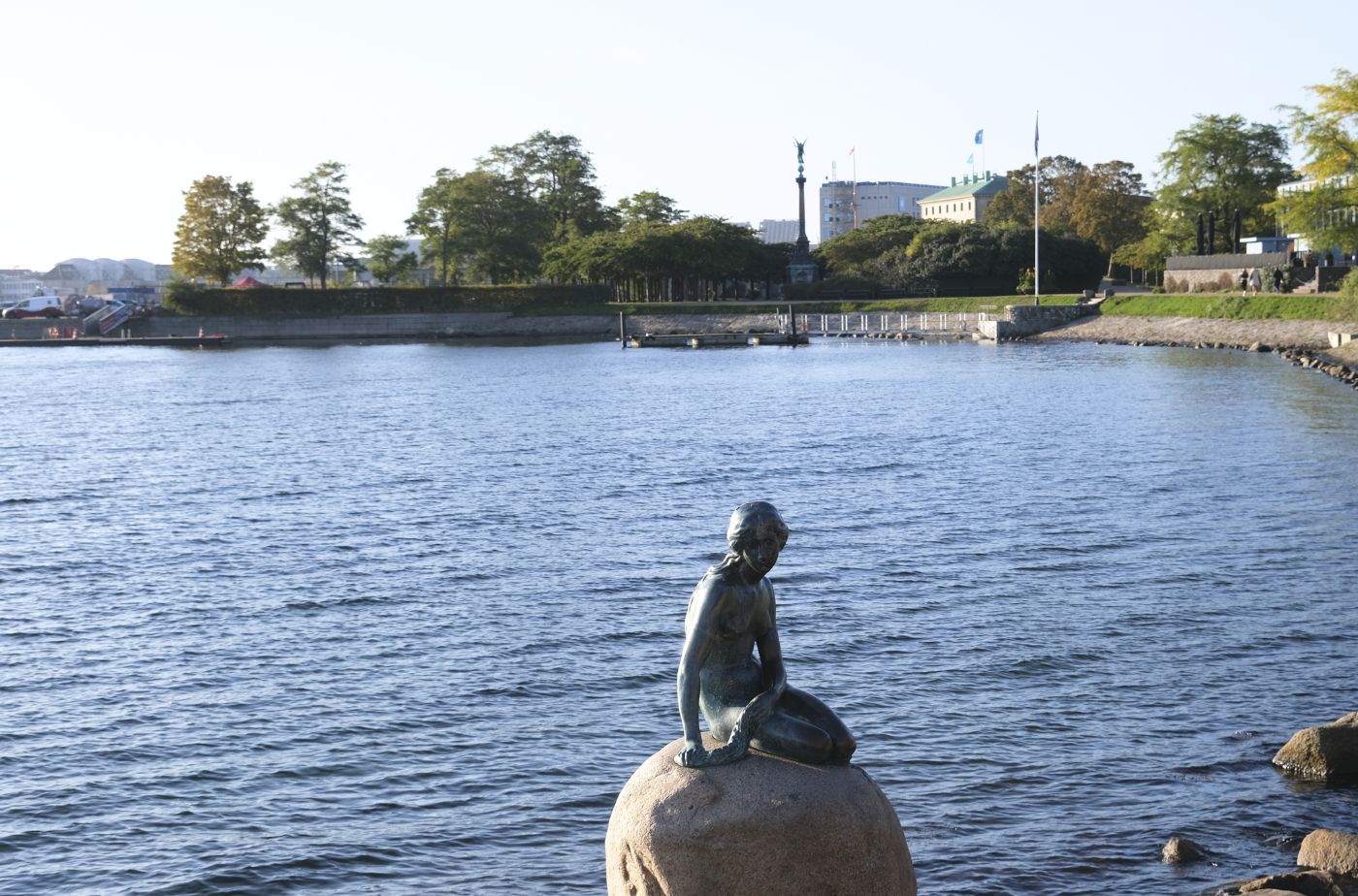
The Little Mermaid is the most visited attraction in Copenhagen, but why is it so popular? Read my guide here!

Here’s my guide to visiting Thorvaldsens Museum in Copenhagen, including the exhibitions, highlights, and practical information.