Drive it Yourself: Bergen to Balestrand on the E39
Visit Balestrand on the Sognefjord with this scenic drive from Bergen.

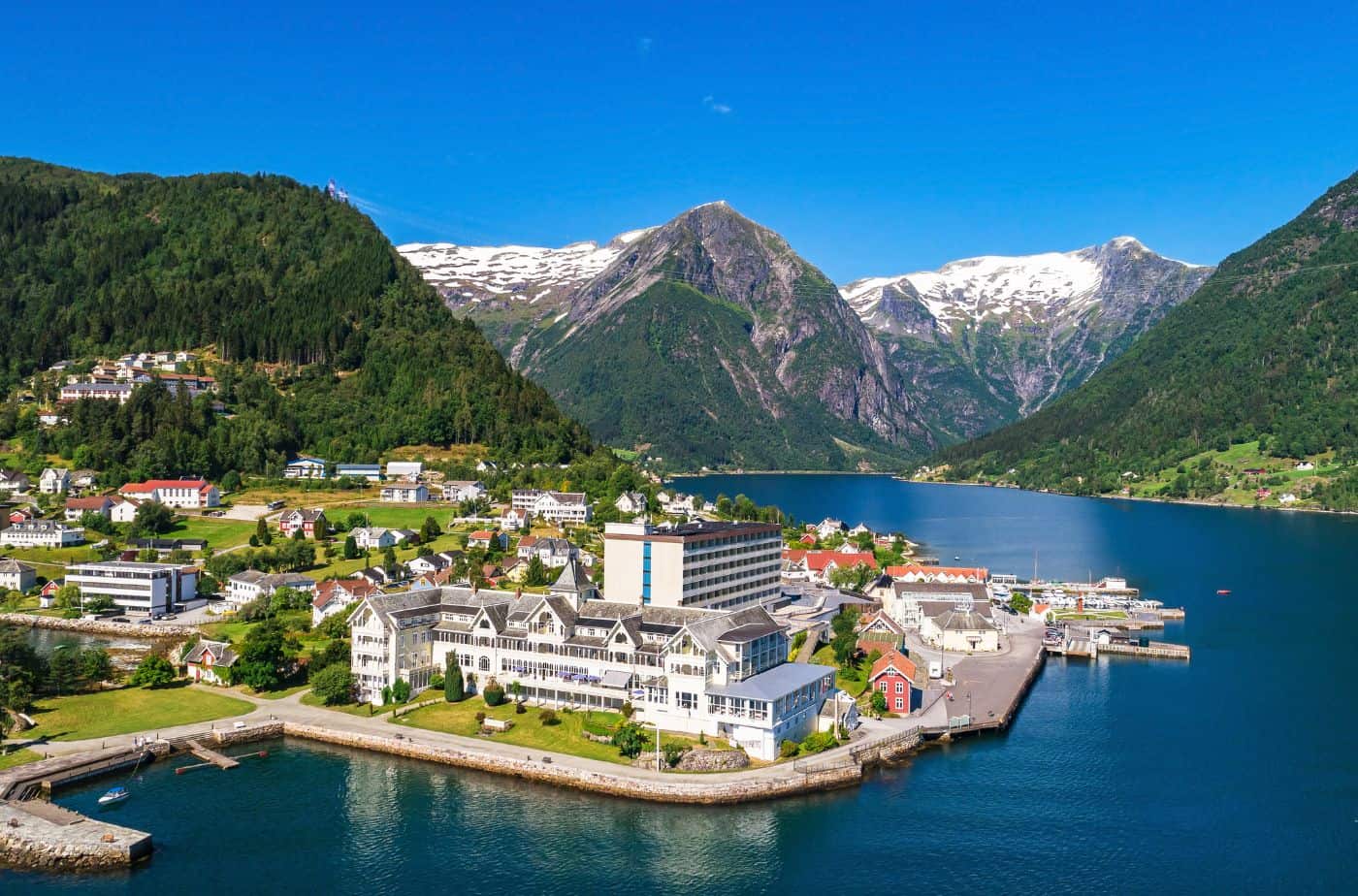
Located on the northern side of the Sognefjord, practically across the way from Flåm, Balestrand is a beautiful town that many choose to spend their time at. It is close to glaciers, hikes, fjord trips, and the Kviknes Hotel is one of the most magnificent hotels in Western Norway.
Latitude: 61.1 degrees north
Population: 1,300

Sogndal Municipality
Here are some things that you must do and try in Balestrand
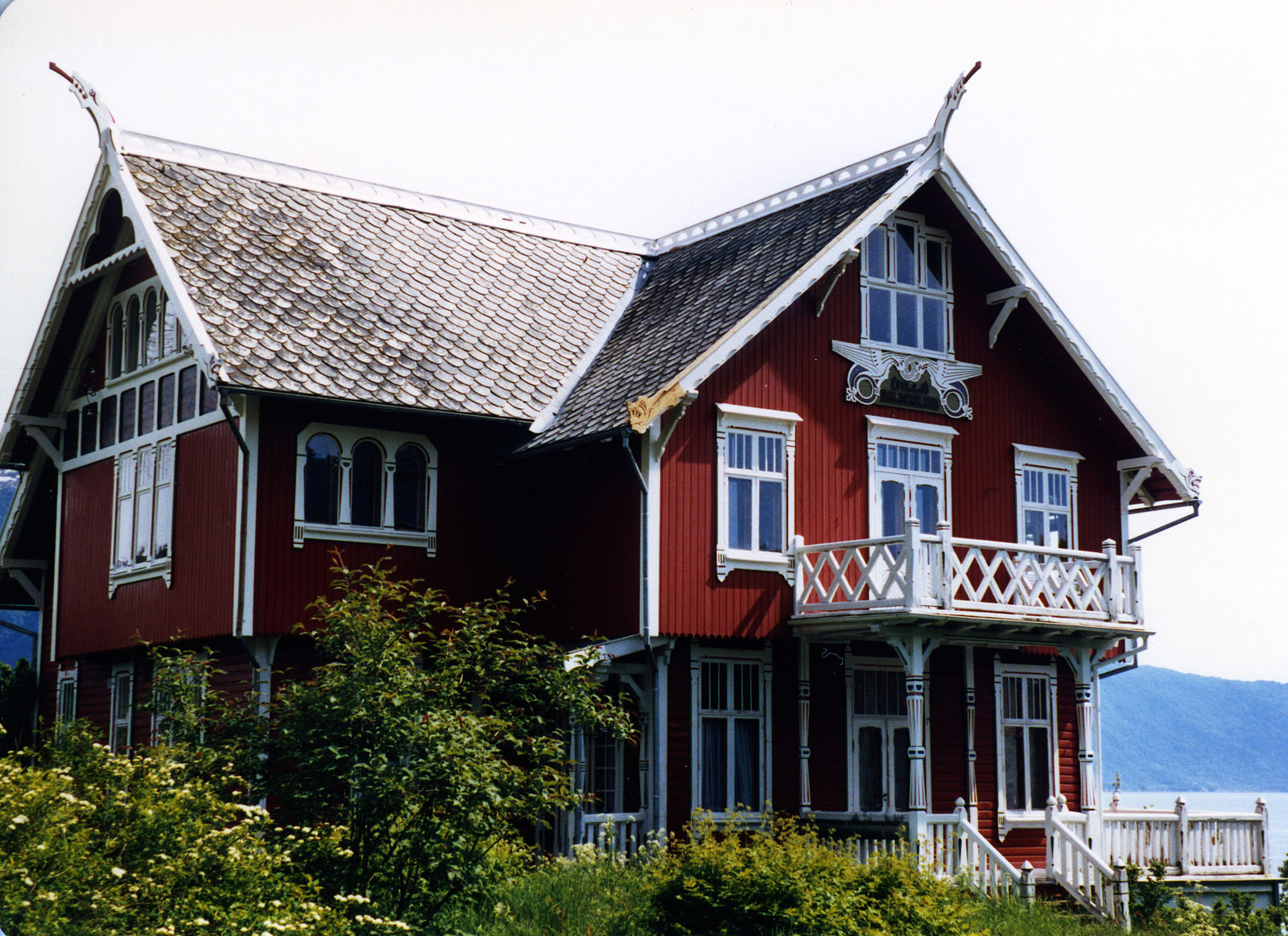
Balestrand has some good examples of wooden buildings in the Dragestil style from the 1890s. The most important source of inspiration for Dragestil was older Norwegian stave churches. You’ll see many of the best examples of this style along the shore—they were mansions built for the wealthy coming to visit Balestrand.
1km south of the town is the site of an excavation. The pair of mounds revealed remnants of a boat, two skeletons, jewellery and several weapons. One mound is topped with a statue of the legendary Viking King Bele, erected by Kaiser Wilhelm II.
Here’s an overview of some of the best things to see and do in Balestrand.
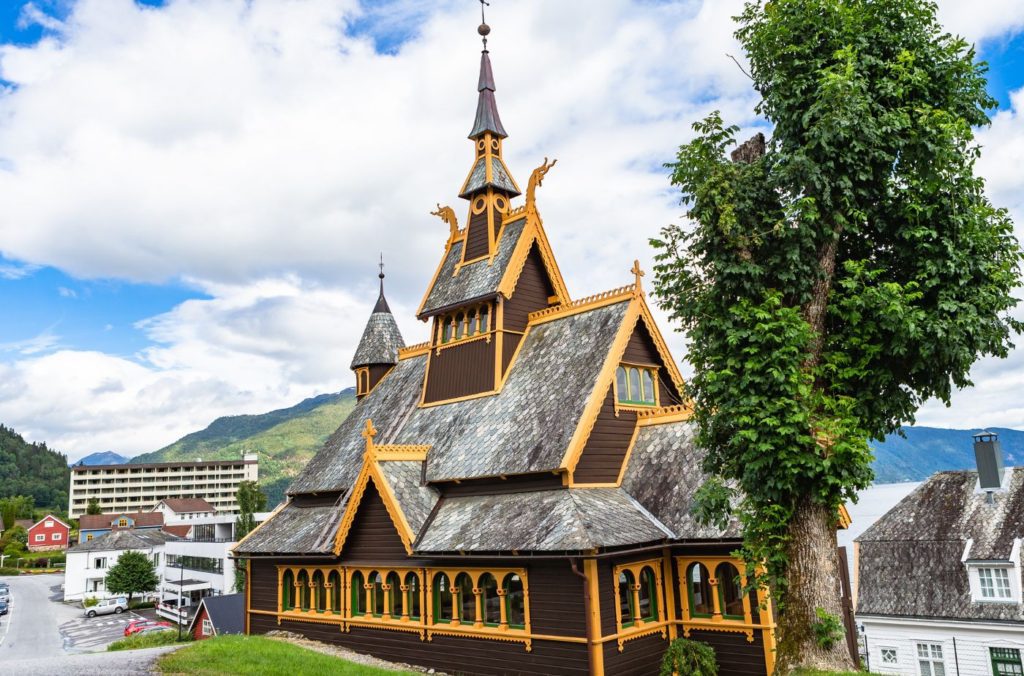
St. Olaf’s Church is often nicknamed as the English Church. This is because in the latter half of the 19th century, Balestrand was a popular place for English tourists. One of these was the English clergyman’s daughter and climbing pioneer Margaret Sophia Green. She enjoyed the Norwegian mountains and in 1890 married Knut Kvikne, the innkeeper at Kviknes Hotel. Sadly, she contracted tuberculosis and died in 1894. On her deathbed, she told her husband that she had a dream that an English church would be built in Balestrand. So, Knut allocated a plot of land from the hotel and the church was built.
The church was built in 1897 as an imitation of a stave church. Today, it is an Anglican church.
The Norwegian Tourism Museum was newly built as the national museum for tourism. The building is cut into the bedrock. It traces the history of tourism in Norway and how tourism contributed to the establishment of many of the towns here.
The Sognefjord Aquarium has 100 different species of fish and sea animals found in the Sognefjord. There is also a cinema showing life in the Sognefjord and an exhibition on wood carving.
Don’t miss the statue of King Bele in the harbour garden – a bronze Viking-era king atop what local legend holds to be his burial mound. Kaiser Wilhelm gifted this statue to Balestrand in 1913, inspired by the popular Fridtjov’s Saga about King Bele’s daughter and a Viking hero. In fact, across the fjord at Vangsnes stands a matching colossal statue of Fridtjov the Bold, also donated by the Kaiser in the same year
Looking to go for a hike or take part in a unique experience? Here are our recommendations!
Please note – the links provided are affiliate links. We only recommend experiences that we have researched and/or tested and focus on providing unique, local things to do!
The local company Balestrand Adventure offers RIB safaris, fishing trips, hikes and cider tasting.
There’s a great tour that will combine all of Balestrand’s into one. On the tour, you’ll visit the Fjærlandsfjord, Bøyabreen Glacier & Norwegian Glacier Museum.
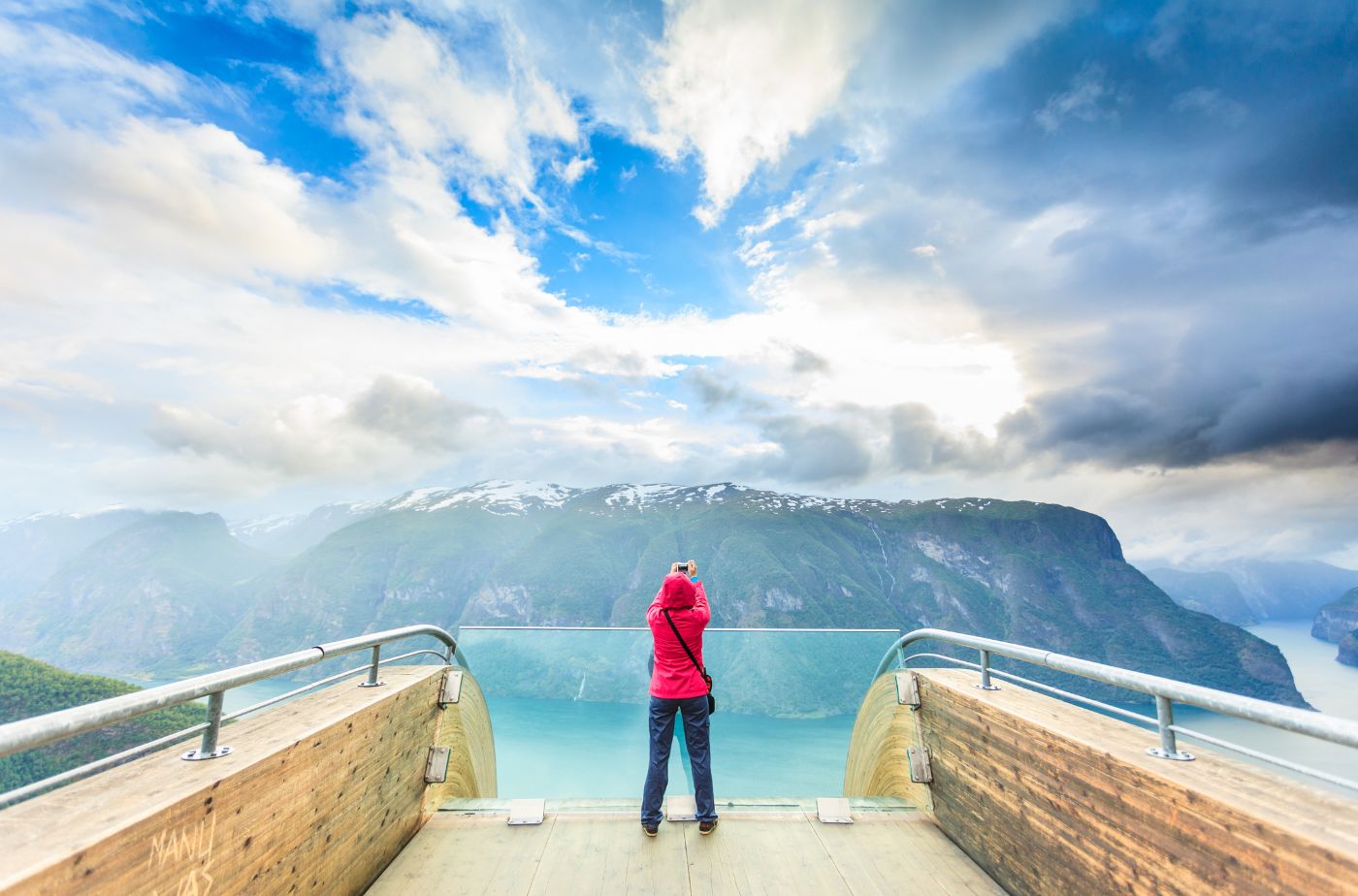
For those up for a moderate hike, a popular goal is the Orrabenken viewpoint. This lookout is partway up the mountain behind Balestrand and is reached by a well-maintained trail that starts from the Kreklingen parking area in town. It’s about an hour or so of uphill walking through birch forest to reach Orrabenken (literally “the grouse bench”) at roughly 370 metres above sea level. As the name suggests, there’s a bench where you can catch your breath and enjoy a panoramic view over the village and fjord. Hikers can continue onwards from Orrabenken – one rewarding target is the Buråsi Bench at 575 m, which offers a sweeping vista down to the Esefjord valley
The crown jewel of Balestrand’s hikes is Raudmelen. This 972-metre peak looms directly above the village and delivers a jaw-dropping fjord panorama to those who conquer it. The trail to Raudmelen is well-marked (helped by steps installed by Sherpa craftsmen on the steeper parts) and begins near the elementary school, only a five-minute walk from the quay.
Don’t be fooled by the proximity – it’s a big climb (about 950 metres of elevation gain), and you should allow around 5 to 6 hours for the round trip depending on your fitness
Follow our road-trip guides for scenic trips around Balestrand.
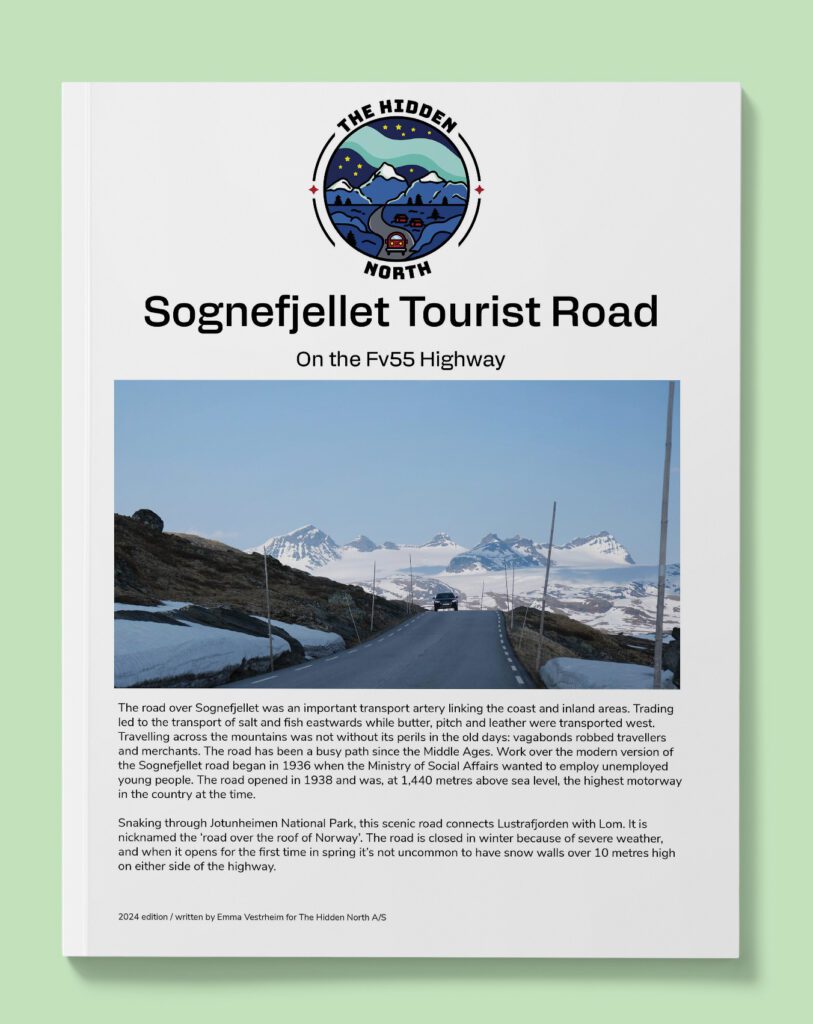
The Sognefjellet Tourist Road is one of the most unique roads in Norway and is often nicknamed “the roof over Norway”.
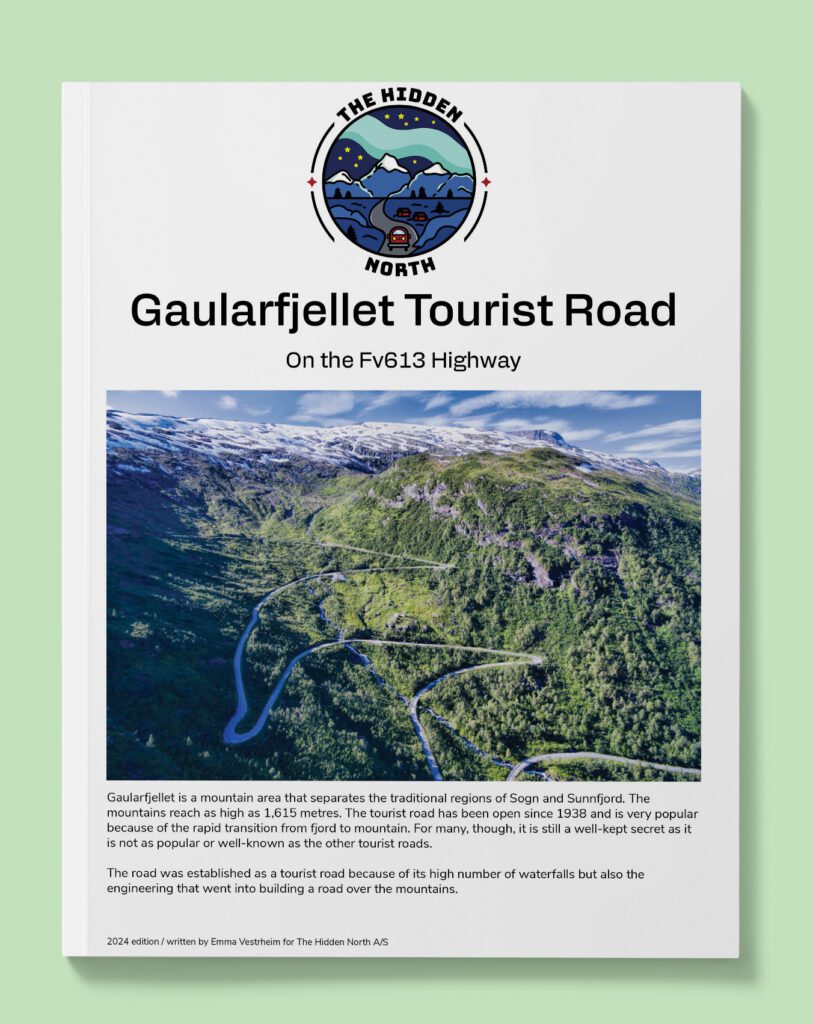
Gaularfjellet is a mountain area that separates the traditional regions of Sogn and Sunnfjord. The mountains reach as high as 1,615 metres. The tourist road has been open since 1938 and is very popular because of the rapid transition from fjord to mountain. For many, though, it is still a well-kept secret as it is not as popular or well-known as the other tourist roads.
The road was established as a tourist road because of its high number of waterfalls but also the engineering that went into building a road over the mountains.
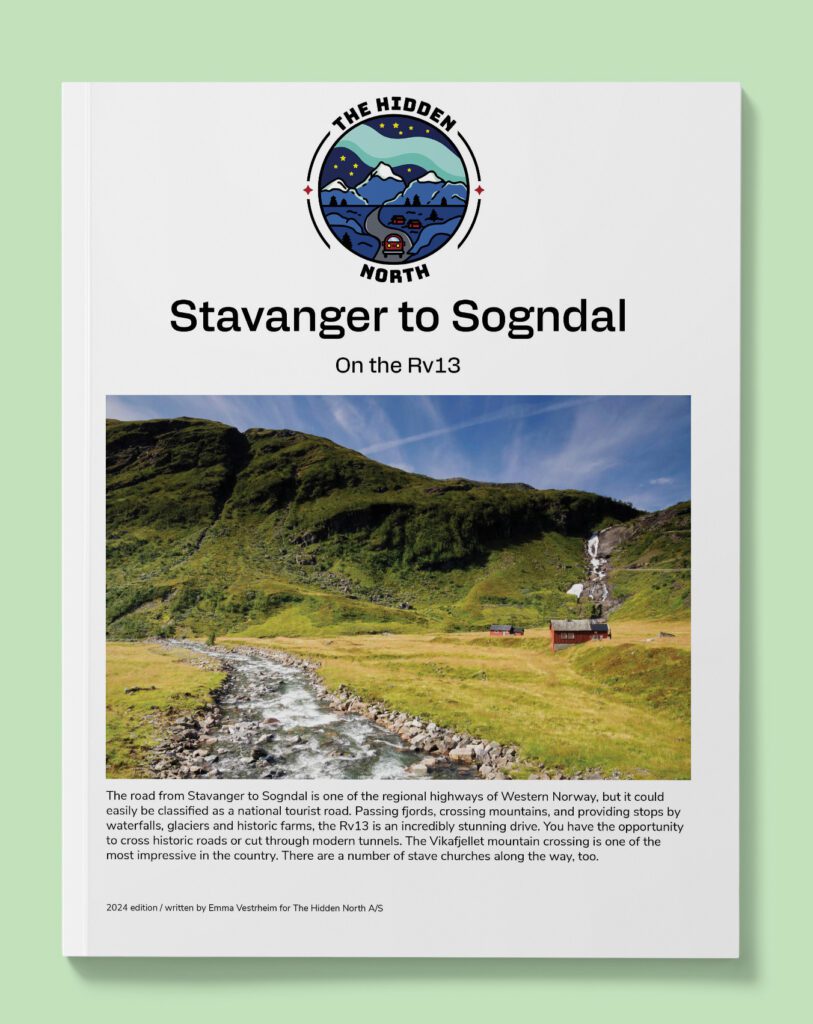
The road from Stavanger to Sogndal is one of the regional highways of Western Norway, but it could easily be classified as a national tourist road. Passing fjords, crossing mountains, and providing stops by waterfalls, glaciers and historic farms, the Rv13 is an incredibly stunning drive. You have the opportunity to cross historic roads or cut through modern tunnels. The Vikafjellet mountain crossing is one of the most impressive in the country. There are a number of stave churches along the way, too
We currently do not have any self-guided walks available in Balestrand.
Watch our YouTube videos featuring Balestrand.
Watch this scenic drive from Bergen to Balestrand on the E39.
Despite its modest size, Balestrand has an outsized history shaped by art, tourism and even a touch of royal drama. The area has been settled for centuries – local legend puts a Viking chieftain, King Bele, here in the heroic age, hence the burial mounds by the harbour. (Whether King Bele himself was real or mythological is debatable, but the saga attached to him certainly put Balestrand on the map in later years) In the early 19th century, a wave of romantic nationalism swept Europe, and people became fascinated with Norway’s Viking sagas and sublime landscapes. The epic Fridtjov’s Saga, published in 1825 by Esaias Tegnér, featured King Bele and the star-crossed love of his daughter Ingebjørg – and it captured European imaginations.
Tourists started coming to see the places described in the saga, and Balestrand, with its ancient burial mounds and fjord vistas, was a highlight. In the 1820s, antiquarians excavated the largest mound (Belehaugen) and found a Viking-era grave beneath, fueling the saga lore.
By the mid-1800s, Balestrand was transitioning from a quiet farming parish into a budding resort village. A pivotal moment came in 1858 when a forward-thinking vicar helped establish regular steamship service to the village. Suddenly Balestrand was accessible to travelers coming up the mighty Sognefjord. This coincided with the “discovery” of Norway’s dramatic fjords by foreign artists and aristocrats. Prominent painters like Hans Gude, Johannes Flintoe, and later Hans Dahl and Adelsteen Normann visited or lived in Balestrand, immortalising its mountains and fjords on canvas.Their paintings – with vivid blues, towering cliffs and peaceful Nordic farm scenes – were exhibited in Europe, inspiring more people to venture to the Sognefjord. Balestrand quickly became a favourite summer retreat for the European elite. Grand “dragon-style” and Swiss chalet villas sprouted along the shore, built as summer homes for artists and wealthy visitors around the 1890s. The Kvikne family opened a guesthouse in 1877 (what is now the Kviknes Hotel) and expanded it into a magnificent wooden hotel that offered fine lodging amid the wilderness.
By the late 19th century, guidebooks were touting Balestrand as a must-stop on the Norwegian fjord circuit. The village’s mix of wild nature and refined society was part of its charm – you could hike by day and then dress for a civilised dinner at the hotel in the evening.
Balestrand’s most illustrious repeat guest was Kaiser Wilhelm II of Germany. Starting in 1889, the Kaiser’s yacht and escort ships would appear almost every summer, anchoring grandly in the fjord while the monarch spent holidays in Balestrand.
Wilhelm II struck up friendships with local figures (including painter Hans Dahl) and even contributed to the town’s landmarks – he donated the King Bele statue and personally unveiled the giant Fridtjov statue across the fjord in 1913.
In a curious historical footnote, the Kaiser was actually in Balestrand in July 1914 when he received telegrams about the outbreak of World War I; legend has it he was sitting in a chair in the Kviknes Hotel’s wood-carved lounge – one of Dahl’s chairs – when duty called him home.
World War I marked the end of Balestrand’s first tourism boom. The international visitors stopped coming during the war and its aftermath, and the Kaiser never returned. Yet the legacy of that era is very much alive in Balestrand’s architecture and identity. After a quieter period, tourism picked up again post-World War II, and Balestrand carefully preserved its heritage while welcoming new generations of travellers.
An important chapter in local history is the tale of Margaret Kvikne (née Green), the Englishwoman behind St. Olaf’s Church. She was a Yorkshire vicar’s daughter and avid mountaineer who came to climb Norwegian peaks, and ended up marrying Knut Kvikne of the hotel family.
Margaret never felt at home with Lutheran services, and on her deathbed in 1894 she expressed a wish for an Anglican church in Balestrand. Her husband honoured that promise – the result is the beautiful St. Olaf’s Church we see today.
It stands as a symbol of the cosmopolitan influences in this tiny village (and is also Margaret’s resting place). The church’s English ties remain strong; it’s under the Church of England’s jurisdiction and British clergy still hold summer services there.
Meanwhile, the Kviknes Hotel grew to host royalty, writers, and adventurers from around the world. Over four generations, the Kvikne family have kept it running, and it remains the centrepiece of Balestrand’s hospitality – a living museum of its golden era.
In modern times, Balestrand has maintained its charm while joining the 21st century. The municipality (which was established in 1850) merged into a larger unit in 2020, but the village of Balestrand still thrives as a distinct community.
Locals are proud of their history – so much so that they opened the new Travel Museum to showcase it. The town’s story, from Viking legends to tourist haven, is layered into every aspect of Balestrand. When you sip coffee on the hotel terrace, stroll past artist villas, or watch the express boat arrive as it did a century ago, you’re experiencing living history. Balestrand may be small, but as one visitor aptly put it, it offers “the essence of Norway” – natural grandeur, cultural richness, and a warm welcome that has been extended to travellers for over 150 years.
Modern life in Balestrand moves at a relaxed fjord tempo, closely attuned to nature and the seasons. The village has around 1,200 inhabitants, many of whom can trace their roots in this area. Tourism and farming are the twin pillars of the local economy – in summer, residents welcome visitors into hotels, run guided tours or work in cafes, and in autumn, many families harvest apples and plums from orchards on the gentle slopes around the fjord. Balestrand’s apples have actually gained renown in recent years through a resurgence in craft cider-making, marrying tradition with trendy entrepreneurship. The Ciderhuset’s success (offering tastings and direct sales of Balholm cider) is one example of how this small community innovates while keeping things local.
There are also niche industries, like a workshop that produces made-to-order kitchens and a little factory (Nesseplast) that makes plastics – surprising, perhaps, but indicative that Balestrand isn’t just a museum piece; it’s a working town adapting to modern needs
Fly: No airport in Balestrand.
Drive: Balestrand is located on the Fv55, which runs along the northern side of the Sognefjord towards Sogndal and then to the Sognefjellet Tourist Road.
Train: No train access. The closest train is in Flåm.
Ferry: The coastal ferry does not call at Aurland, but there are local ferries connecting Balestrand to other fjord communities.
Balestrand is a small town, so you can walk around easily.
Quick Bites
or a light bite or coffee with a view, Balestrand’s cafés won’t disappoint. The Vindreken Café inside the Travel Museum is a lovely spot to recharge during sightseeing. It offers home-baked pastries, sandwiches and good coffee in a tranquil setting – plus huge windows overlooking the fjord and mountains.
By the waterfront, the Korall Café is another unique find – it’s attached to the Sognefjord Aquarium (entrance to the café is free) and has a mellow vibe. You can enjoy an ice cream or waffle on their deck while watching boats in the harbour, or try their simple lunch dishes (perhaps a fish soup made with fjord catch).
Casual Eateries
Ciderhuset is open for lunch in summer. From May to September, the Cider House runs a daytime café serving à la carte lunches featuring local ingredients with a Mediterranean twist – think salads with local goat cheese, fruit chutneys, and bread drizzled with their own apple cider vinegar. It’s delightful to sit in their orchard garden, nibbling on seasonal Norwegian-meets-international fare, with a glass of craft cider of course.
Right in the heart of the village is Gekken’s Restaurant & Café, a family-owned establishment known for its unpretentious, home-style Norwegian food. The menu might include meatballs with lingonberry jam, creamy fish soup, or fresh salmon – nothing too fancy, but everything tasty and cooked as if by a Norwegian grandma. Gekken’s has indoor and outdoor seating, and locals often dine there (a good sign of quality and value). A newer addition to the dining scene are two eateries run by Ukrainian families: Pearl by Harbor (at Holmen 6) and Golden Fork (Holmen 21). Both serve authentic Eastern European dishes – borscht, varenyky dumplings, chicken Kyiv – which brings a novel option to Balestrand.
High End & Unique Eats
The Kviknes Hotel Restaurant is the top choice for fine dining, offering a blend of historic ambience and gourmet fare. In the grand dining room overlooking the fjord, Kviknes sets out a renowned buffet dinner that focuses on local ingredients.
All my hotel recommendations are based on research and experience. I don’t recommend somewhere unless I think it is wonderful! The Hidden North focuses on accommodation that provides good quality for price or offer local or unique experiences.
Camping
The main campground is Veganeset Camping, about 9 km east of the village centre near Dragsvik. Set right by the Sognefjord, Veganeset is known for its peaceful, scenic location – ideal if you have a car or bicycle (there’s little noise besides birds and water). You can pitch a tent or park your campervan on the grassy sites, many of which have direct views of the fjord. The campground provides clean amenities: showers, toilets, a small kiosk, and kitchen facilities, as well as simple cabins for hire if you prefer four walls.
BnBs & Guesthouses
Tjugum Cabins is a short drive from the centre in the hamlet of Tjugum. They offer a few cosy cabins and apartments right by the fjord, complete with kitchenettes and even boat hire for guests who want to row or fish on the water.
Chains & Mid-Range
Balestrand Hotel is a small family hotel in a modern block.
Click here to view rates & book
Balestrand Fjord Apartments is a lovely property in the centre of town.
High End & Unique Properties
Kviknes Hotel is the top choice in town, but it does come at a price. However, the hotel is on the list of historic hotels in Norway and in many ways is the reason for Balestrand’s popularity, so it’s worth spending the money to stay there.
Visit Balestrand on the Sognefjord with this scenic drive from Bergen.