
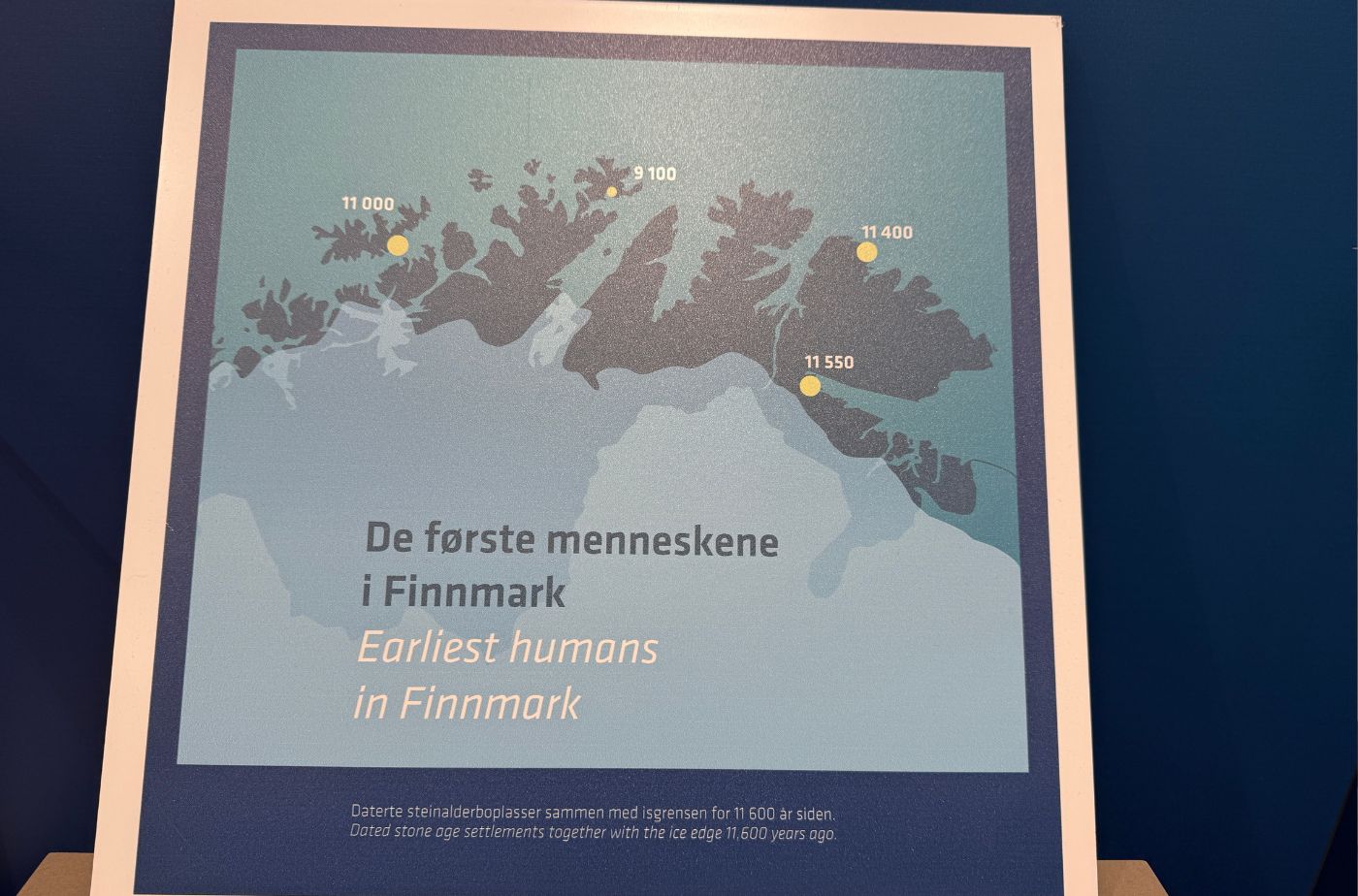
Artefacts and information from the earliest inhabitants of the region, tracing local history from the Stone Age through to modern times. A map shows where the earliest humans in Finnmark county settled, with the earliest known settlement on Magerøya being from 9,100 years ago. Evidence of an early Stone Age camp has been found on the island and was probably used for a single hunting season.
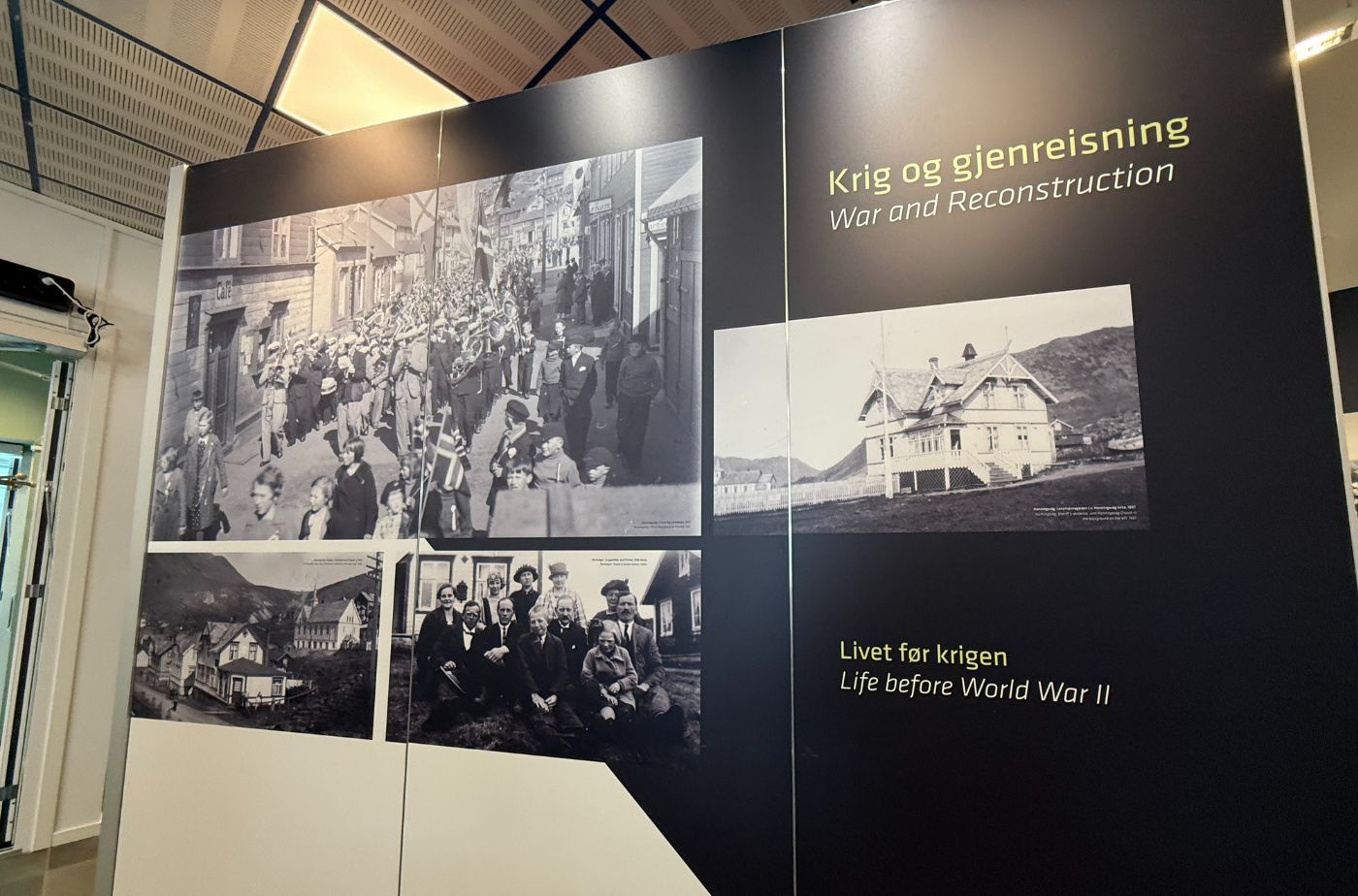
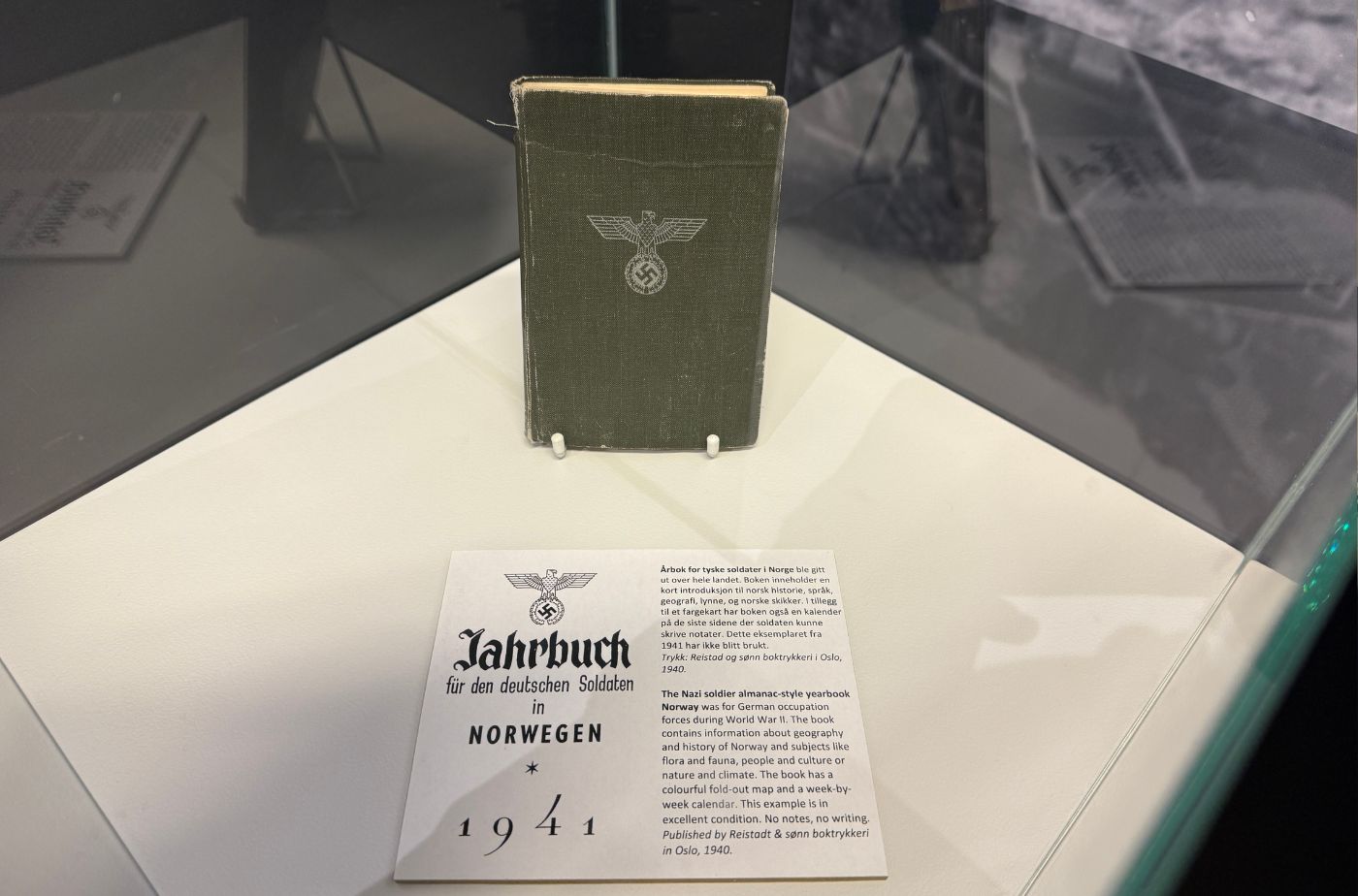
A moving exhibition covers the destruction of Honningsvåg in World War II and its aftermath. Honningsvåg was burned to the ground in 1944 during the war, and the museum displays wartime artifacts, photographs, and stories of residents, as well as how the town was rebuilt during the post-war reconstruction period. The photographs showing Honningsvåg during the war (such as the image of the German soldiers on their way to a football game in Honningsvåg) and the destruction are worth seeing, as they put the war into perspective. There is also an excellent map showing the Soviet advance and Nazi retreat in Finnmark, as well as the large part of Finnmark destroyed by scorched earth tactics. There are some items on display that locals were able to hide or bury before the town was burned down.
Displays highlight the history of travel and tourism to the North Cape. Through historic photos, travel accounts, and memorabilia, you can learn what it was like to be an early tourist visiting the famed North Cape plateau in bygone days. I loved this section; there’s a great range of photographs showing early travel to Magerøya, including the location where the earliest tourists would visit North Cape. The road to the cape today is only from the 1960s; before then, they’d be dropped off at Hornvika and would have to hike up the steep path to North Cape!
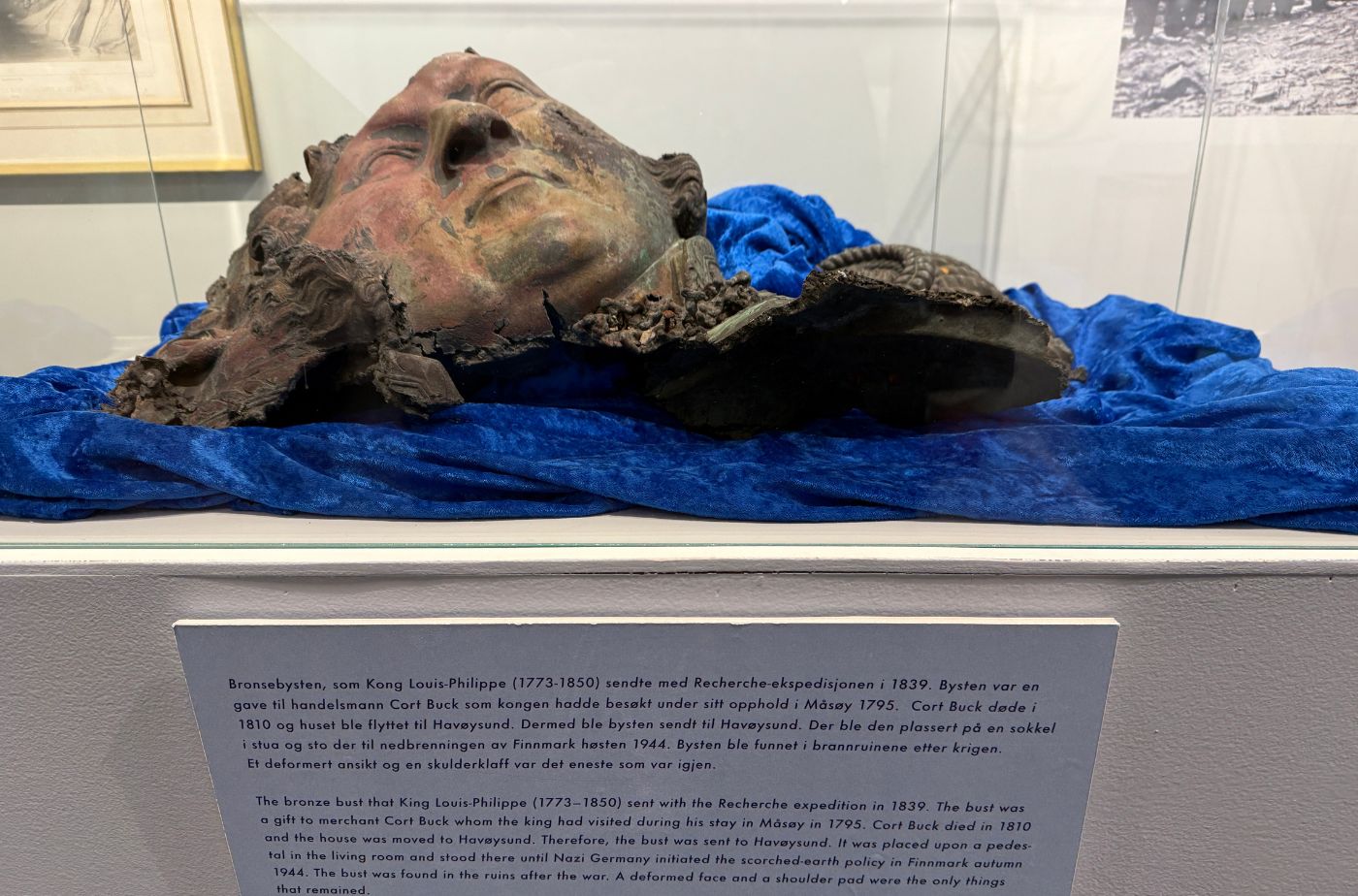
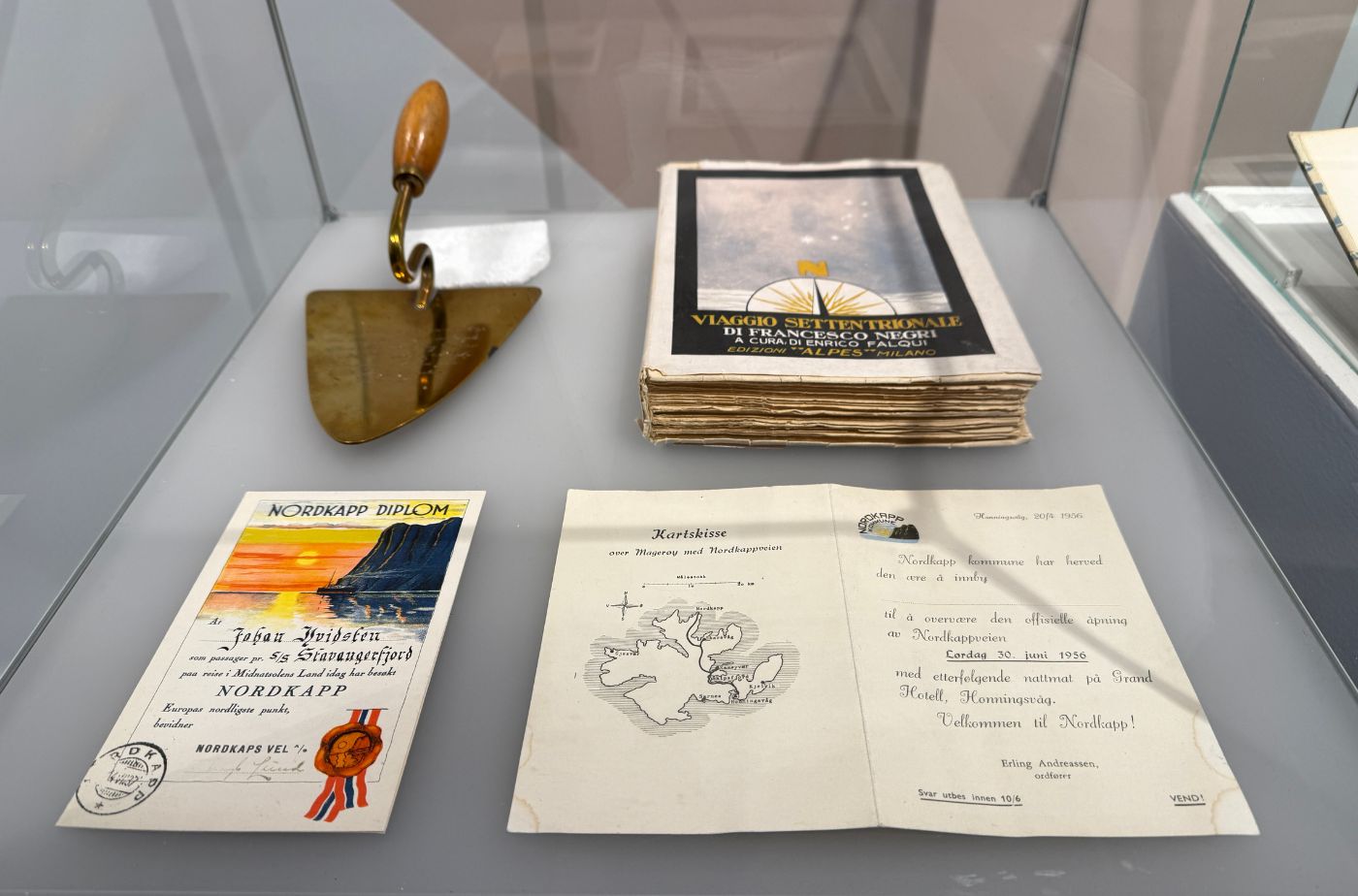
They also have items from famous expeditions led by Europeans, such as the Recherche expedition, where King Louis-Philippe had them take a bust up to Måsøy, a small island close to Honningsvåg. They also have items from the expedition by Francesco Negri, who is considered the first North Cape tourist.
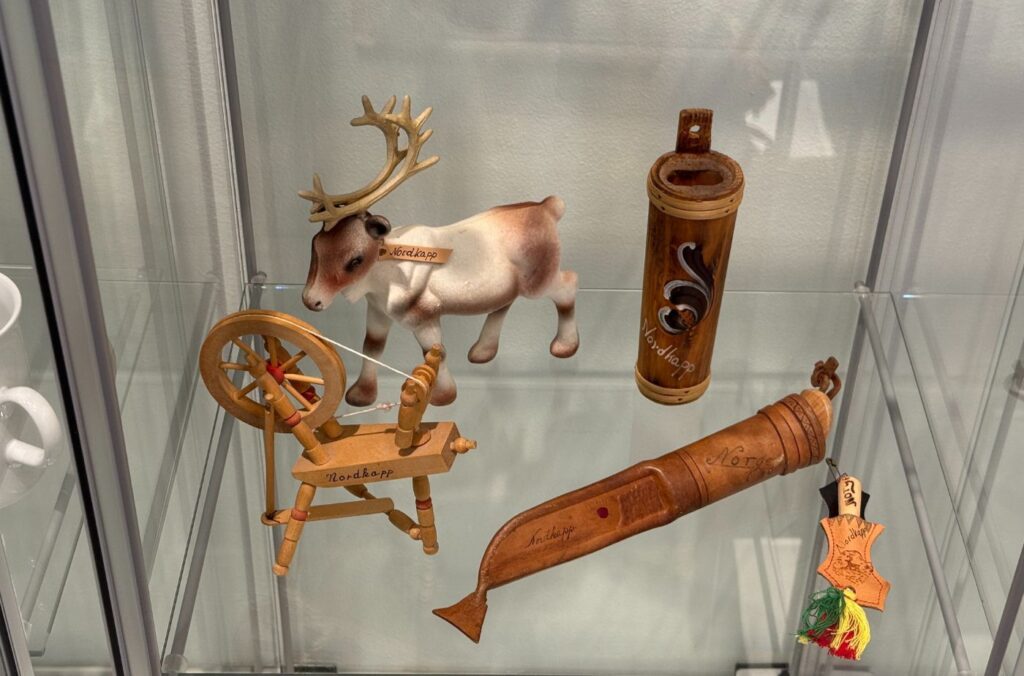
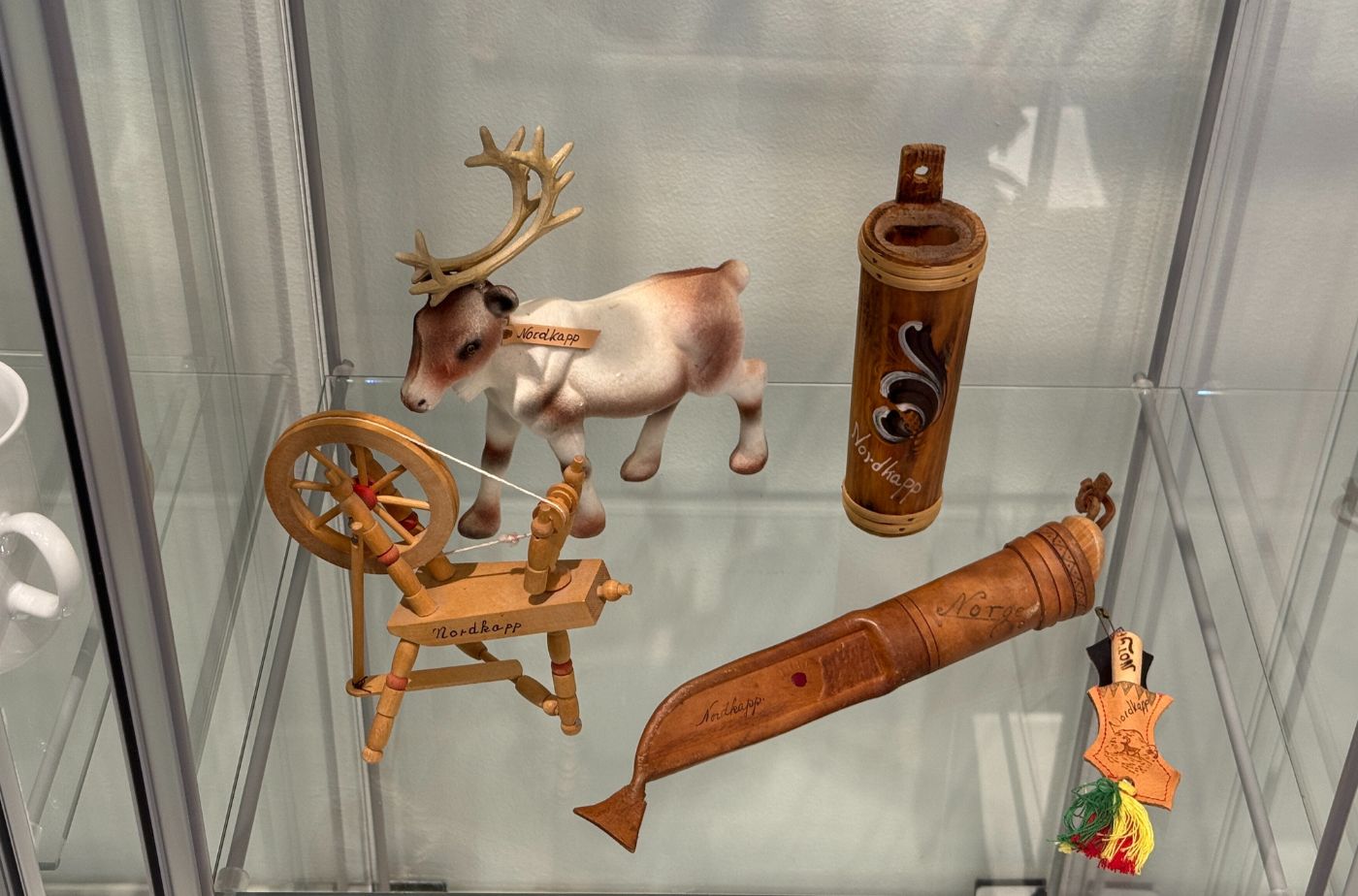
Interestingly, they have a poster called “Sami Boy” considered Norway’s most famous tourist poster. The poster was designed in 1958, and in 1959, it won the world’s best tourist poster by the international travel industry. Speaking of Sami, the cabinet showing souvenirs made by the Sami people for the tourists is excellent! I wish we could still get souvenirs like this.
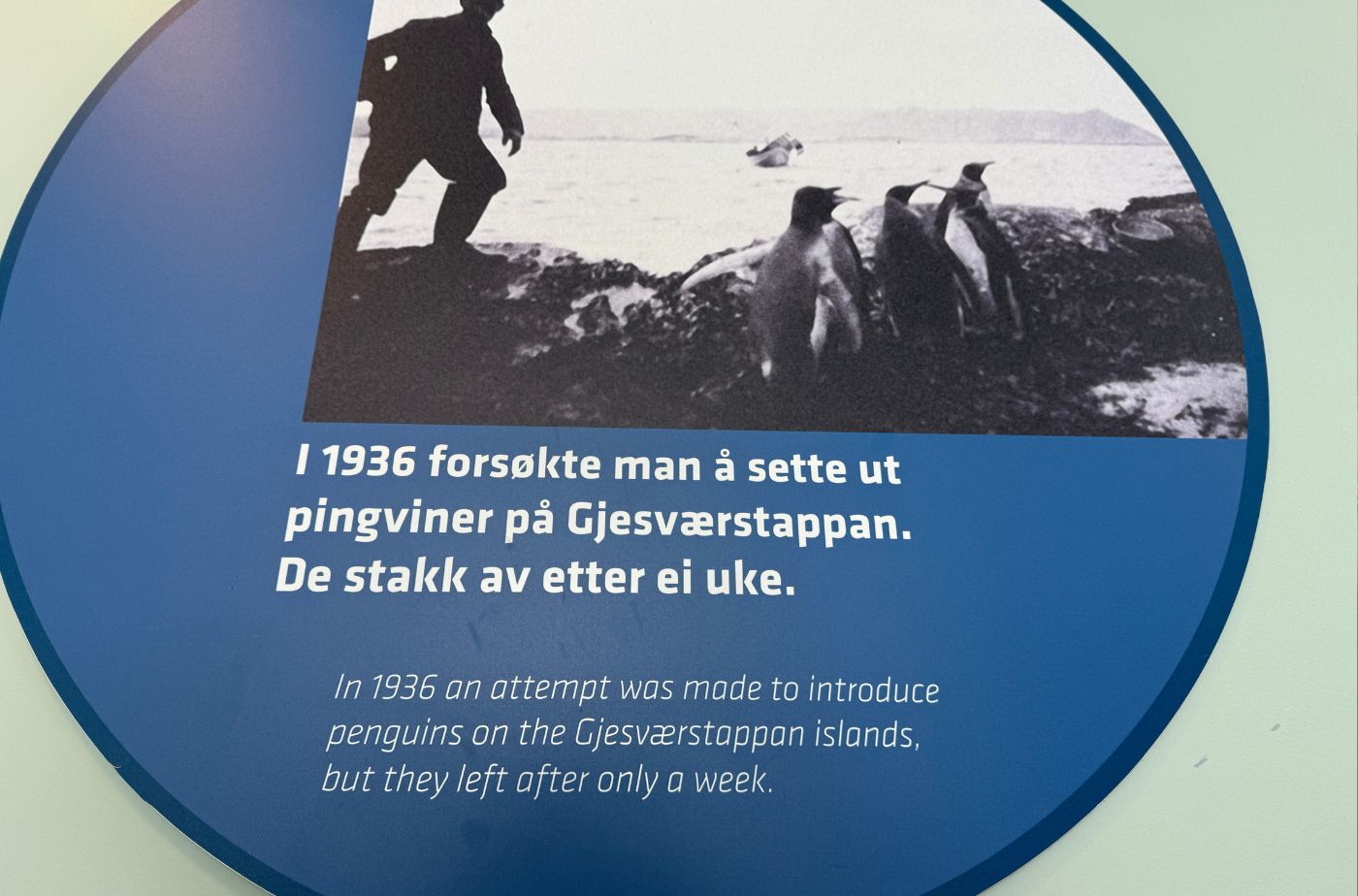
When you take the staircase between the two levels, some ‘fun facts’ are on the wall. For example, in the 1930s, a woman took a driver’s licence in Honningsvåg for the first time! And in 1900-1901, the local newspaper was run by two women in Gjesvær.
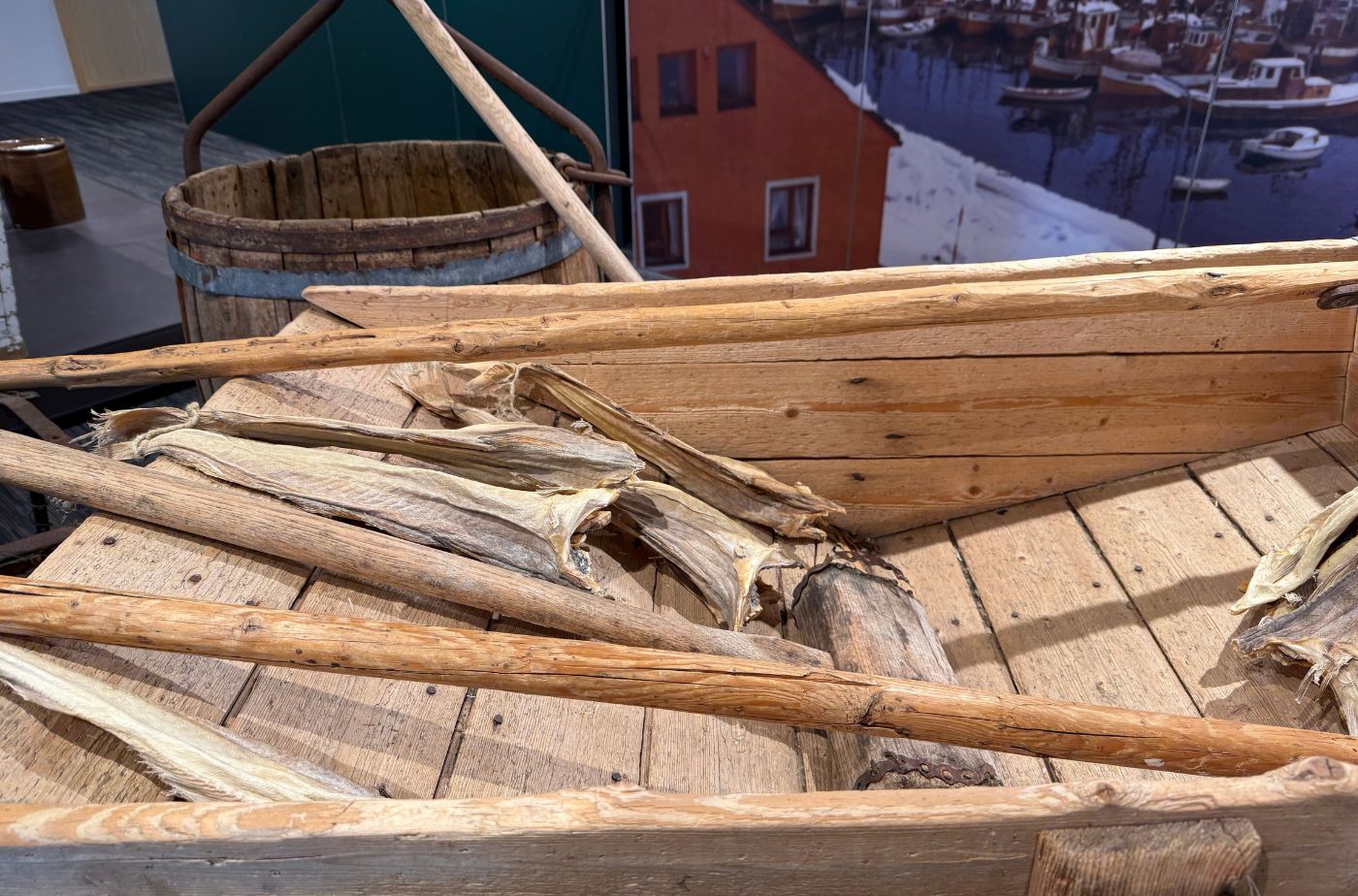
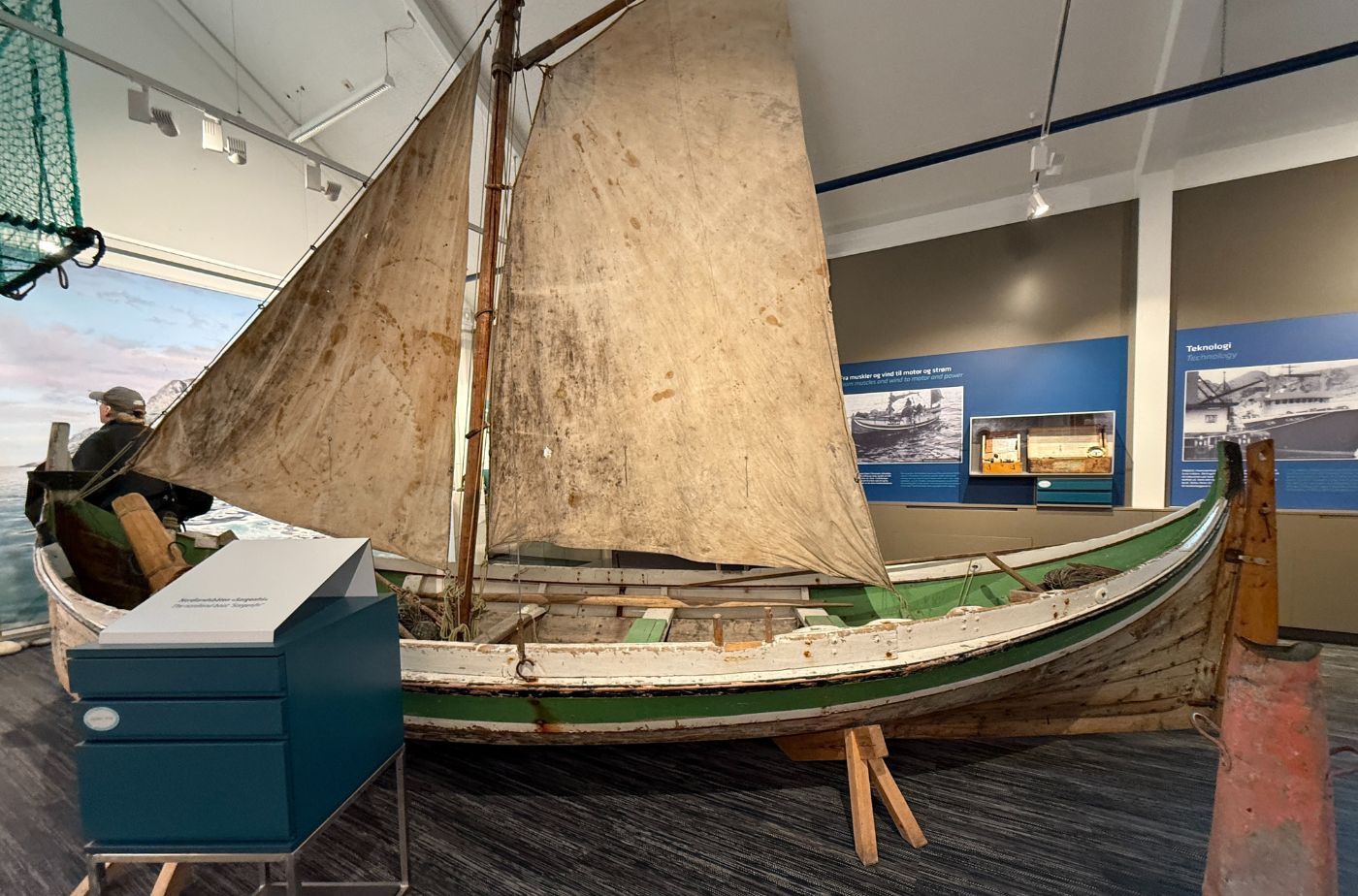
The top floor is mostly about fishing and coastal life, showcasing stockfish and trade with the Russians. Extensive exhibits on the traditional fishing industry and coastal culture of Finnmark, including the development of Arctic fisheries and even whaling history. Visitors can see old fishing gear, models, and photos that illustrate how people lived this far north. There’s also a section outlining whaling in Finnmark, which was an important industry throughout the late 19th century. One of the small fishing boats typically used in Finnmark is on display.
Additionally, there is a small exhibition about the witch trials that took place here in the late 16th and early 17th centuries.
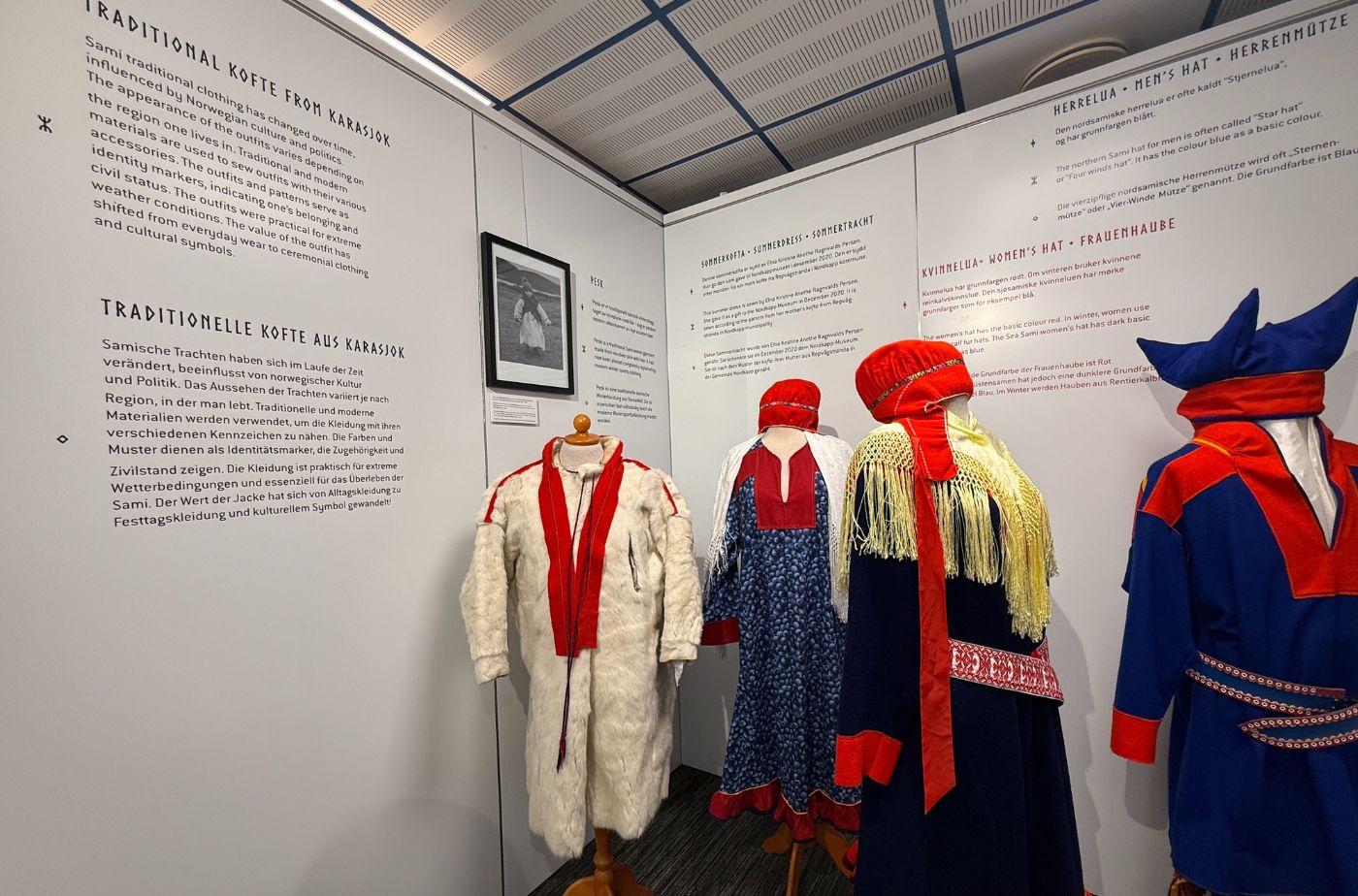
A highlight upstairs is the small exhibition called “Verdde”. Verdde is an old tradition in Finnmark linked to the contact between the people of the inland and the coast. Originally, it was the exchange of goods between permanent residents on the coast and reindeer herders who lived in fishing villages for the summer. The exhibition shows the old relationship between the Sami people from the inland areas, and the permanent residents on the coast. There’s a lovely collection of Sami traditional costumes, photographs of the Sami, and items the Sami used.
One unique aspect of the museum’s scope is that it extends beyond the walls of its main building. Nordkappmuseet owns and cares for Brødrene Isaksen’s Patent Slip (Brødrene Isaksens Patentslipp) in nearby Storbukt—a historic boat slipway from the 1950s, a protected cultural monument. This preserved ship-repair facility (built 1948–53, listed in 1993) is part of the museum’s collection, underlining its dedication to protecting the maritime industrial heritage of Honningsvåg and the North Cape region.