
Stockholm's Most Historic Restaurants & Bars
Stockholm is home to many venerable restaurants and pubs whose walls bear witness to centuries of history. These establishments – from Gamla Stan’s cobbled lanes to Djurgården’s leafy parks – have hosted everyone from royals and Nobel laureates to artists and revolutionaries. Many still operate today much as they did long ago, preserving old-world interiors and traditions. Below is a guide to some of Stockholm’s most iconic historic restaurants and taverns, with a focus on their storied pasts and cultural legacies.
In this article...
Historic Restaurants Stockholm Map
Gamla Stan
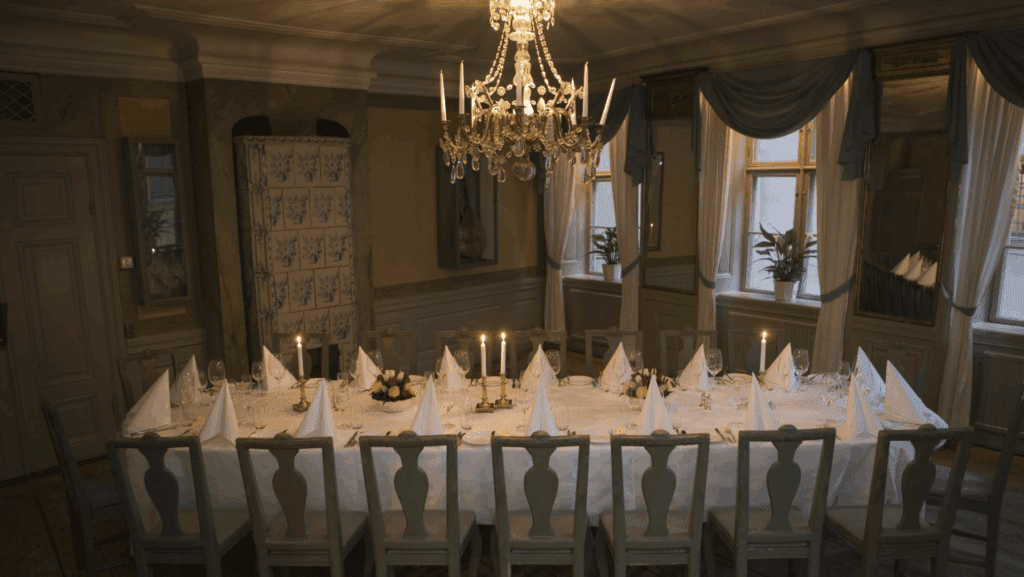
Gyldene Freden (The Golden Peace)
Den Gyldene Freden, tucked on Stora Nygatan in Gamla Stan, is Stockholm’s most historic restaurant. Its history dates back to 1722, and it claims an even older heritage, dating back to 1572, before it moved to its present location. In 1919, artist Anders Zorn purchased Freden, renovated it, and famously bequeathed it to the Swedish Academy, which still owns it today. The Swedish Academy has long held lunches here during Nobel Prize season, cementing the restaurant’s cultural stature. Den Gyldene Freden has traditionally been a gathering place for writers, artists and academics – indeed it was a haunt of Bellman’s era – so much so that Academy members are said to “still eat lunch here and discuss literature and Nobel laureates”. The restaurant’s age, continual operation, and literary associations make it a Stockholm legend.
Källaren Stralsund
Källaren Stralsund is Stockholm’s oldest documented pub. It opened in 1502 at Skeppsbron, run by Mattis (Matthis) Ryaner. During its long life, the inn took on various names (“The Englishman”, “Hôtel du Petersburg”) and even ceased to be a pub for a time (it was used for fish storage). In the 1940s, it reopened at the original address and is today a modest cellar bar. Notably, Stralsund is the oldest tavern in Stockholm with a preserved serving license. While its humble décor is far from grand, it represents the origins of public drinking places in the medieval city.
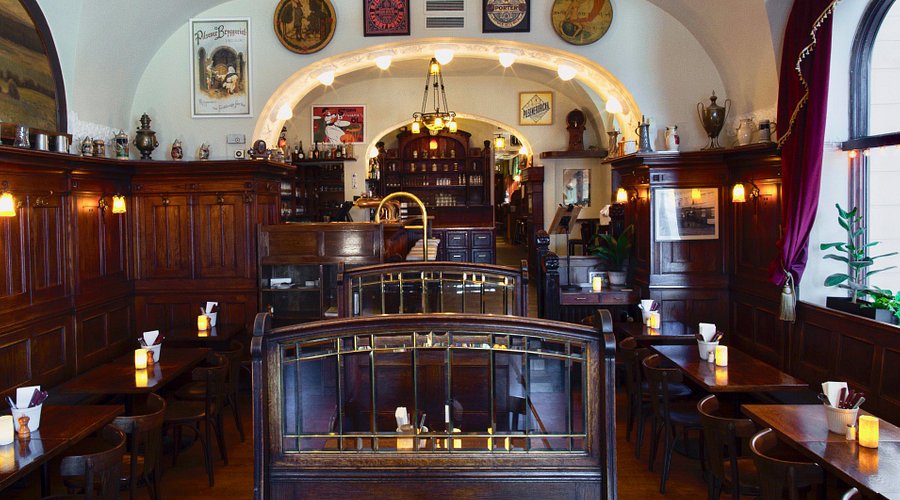
Zum Franziskaner
Zum Franziskaner is a century-old beer hall on Skeppsbron in the Old Town. According to its own history, it opened in 1889 and has operated in the same location ever since (earlier claims of a 15th-century origin have no historical support). The pub retains a turn-of-the-century Jugendstil interior and specialises in German-style beer and cuisine. Its longevity and traditional décor make it one of Stockholm’s oldest continuously run taverns. (Some sources date its founding a little earlier, but in any case, Zum Franziskaner has over 130 years of uninterrupted history.)
Stockholm City Centre
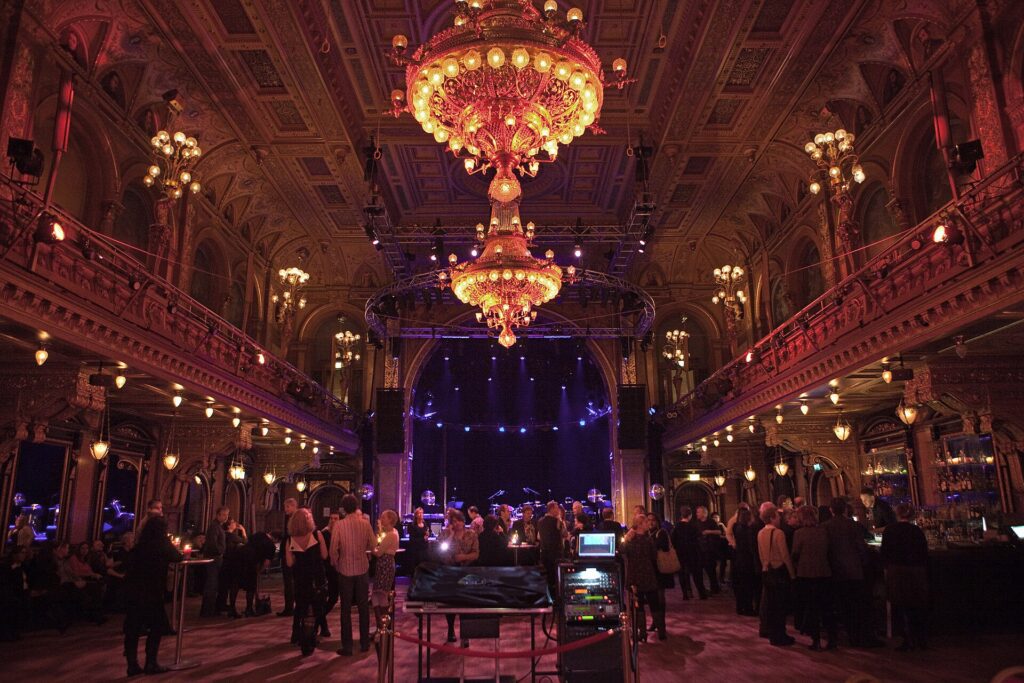
Berns Salonger
Opened in 1863, Berns Salonger at Berzelii Park was built by pastry chef Heinrich Robert Berns as a grand café and concert hall. A second ballroom wing was added in 1886. The richly decorated interiors (mirrors, gilt and chandeliers) have seen every turn-of-the-century fad from vaudeville to disco. In its heyday, Berns was a magnet for international performers and celebrities, including Josephine Baker, Liza Minnelli, Frank Sinatra, Marlene Dietrich, and Louis Armstrong, as well as Swedish stars such as Hasse & Tage and Karl Gerhard. August Strindberg even named two saloons after Berns in his novel The Red Room. Today Berns remains a popular entertainment venue and restaurant, and its 19th-century ballrooms still evoke the glitter of old Stockholm’s nightlife.
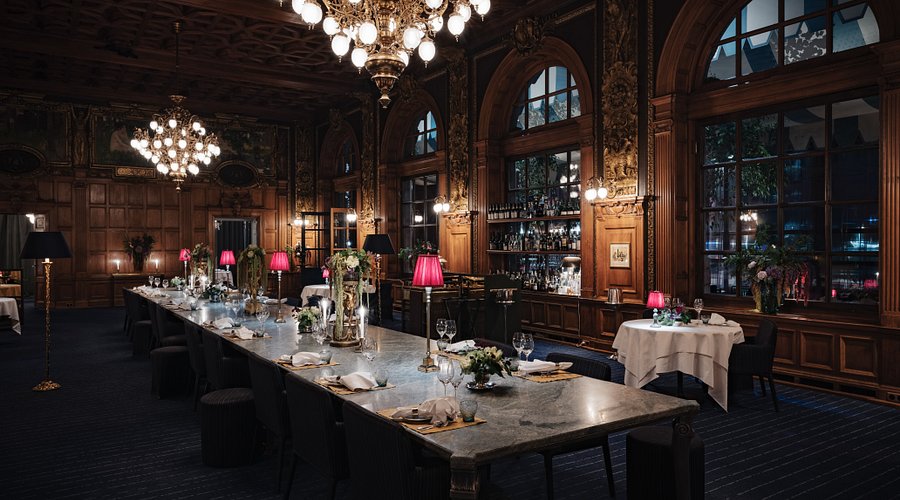
Operakällaren ("The Opera Cellar")
Operakällaren opened its doors in 1787 underneath King Gustav III’s newly built Royal Opera House. The ornate dining hall started as a modest eatery but by the mid-19th century, it had transformed into a fashionable cultural hub. When the old opera house was replaced in 1895, the restaurant moved to the new Opera House, where it has been operating ever since. Under the legendary host Tore Wretman in the 1950s and beyond, Operakällaren gained renown as Stockholm’s premier fine dining restaurant. (Today, it remains celebrated for its gilded interiors and opera culture.) Its ongoing connection to the Royal Opera – Sweden’s foremost cultural institution – makes Operakällaren one of Stockholm’s historic landmarks.
Restaurant Prinsen
Prinsen is one of Stockholm’s oldest continuously run restaurants. It opened on Mäster Samuelsgatan in 1897 as Café du Prince, taking the name “Prinsen” (The Prince) shortly thereafter. It has remained at the same address ever since. In the mid-20th century, its owners (including film producer Anders Sandrew and restaurateur Peder Bornebusch) popularised the dish “plankstek” (steak on a wooden plank) there, making Prinsen a culinary trendsetter of its era. Prinsen’s classic turn-of-the-century interior and unbroken service link it to Stockholm’s Belle Époque.
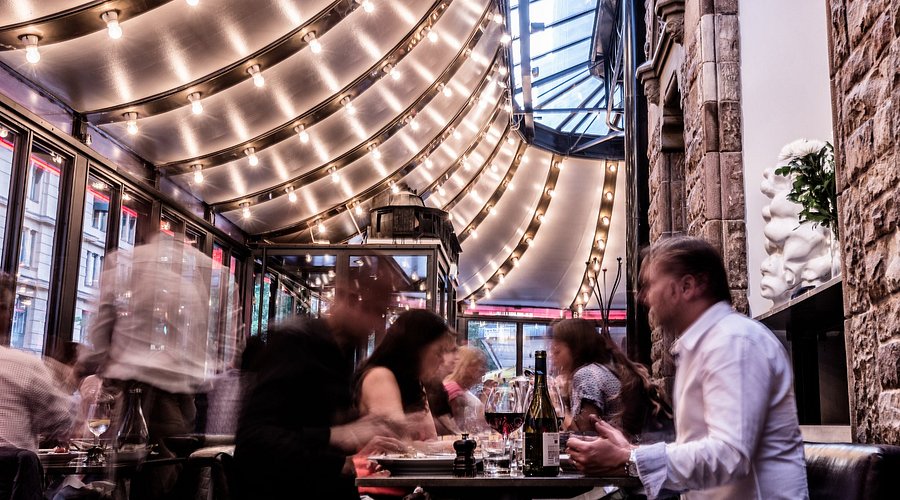
Riche
Riche on Östermalm (Birger Jarlsgatan, opened 1893) is another venerable city institution. Styled after Parisian brasseries, it was founded in 1893 and has stayed in the exact location ever since. In the 1950s and 60s, legendary chefs Tore Wretman and maître Hans Bratt elevated Riche to national fame. (Local lore even credits Riche’s kitchen with inventing Toast Skagen.) Today, the red neon sign and Art Deco interior are celebrated relics of Stockholm’s mid-century nightlife. Riche remains a classic meeting place, linked to generations of Swedish writers and artists who socialised at its bar and veranda. According to legend, the famous “Toast Skagen” appetiser originated in Riche’s kitchen.
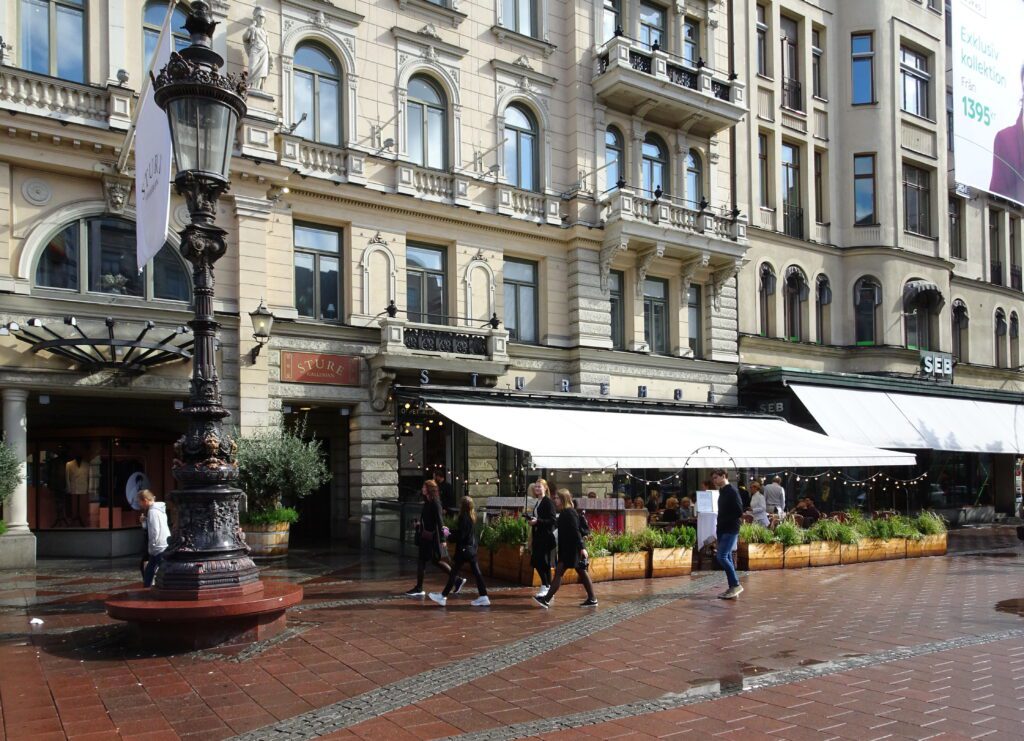
Sturehof
Sturehof on Stureplan was founded in 1897 as a German-style beer hall called Malta. In 1910 Ernst Marcus took over, shifted it to seafood cuisine, and renamed it Sturehof. Under Marcus and his successors, it became a magnet for Sweden’s cultural elite. Directors Ingmar Bergman and Harriet Andersson were regulars, as were actress Ingrid Bergman and UN Secretary General Dag Hammarskjöld (who had his own table). In modern times, Sturehof has hosted politicians and celebrities alike – for example, it famously served Bill Clinton during a 2013 Stockholm visit. Its preserved 19th-century interior and storied guest list make Sturehof a living museum of Stockholm’s urban society.
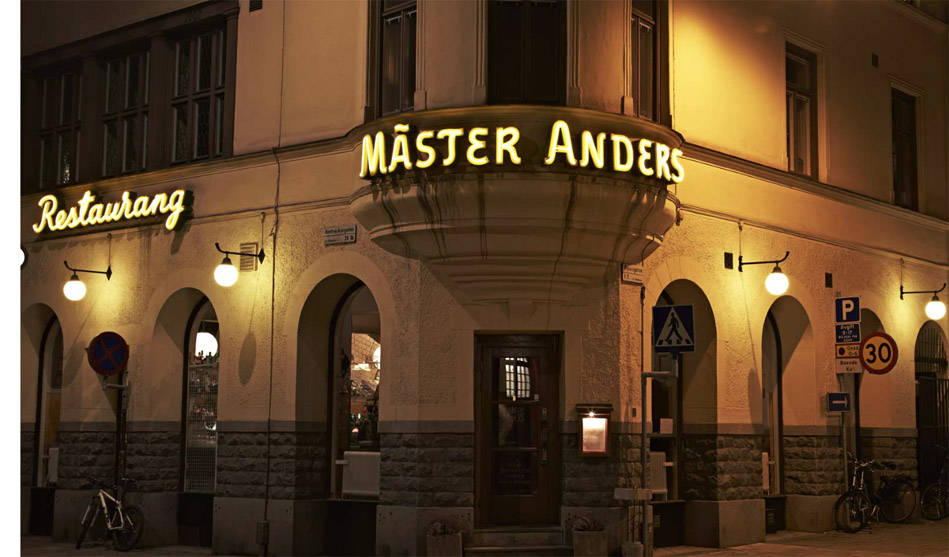
Mäster Anders
This classic Kungsholmen restaurant has been open since 1905. Its name is a homage to an even older family-run eatery. The restaurant has preserved its turn-of-the-century style in features including the tiled floor. The menu is French and Swedish-inspired.
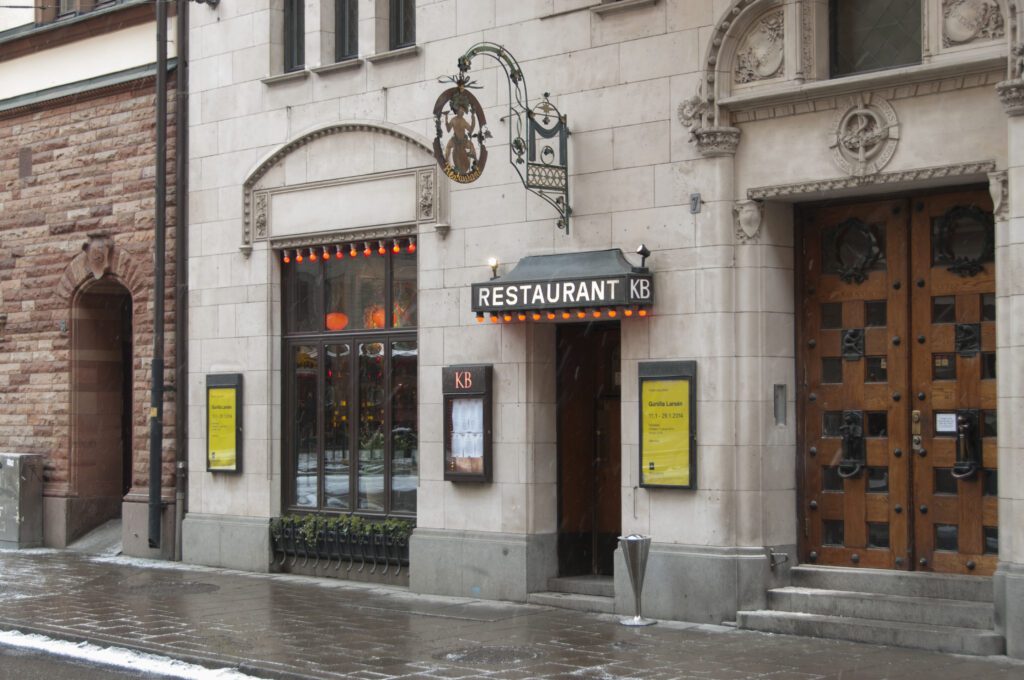
Restaurant Konstnärsbaren
Restaurant Konstnärsbaren, often referred to as KB, is a historic establishment dating back to 1931, when it was founded. The restaurant has been a gathering place for artists and actors since its restoration in 1931. The restaurant is situated in Konstnärshuset, a building constructed in 1898. The façade overlooking the street is finished in Portland limestone with intricate details. Italian and Spanish trends from the 16th century inspire the architecture. Konstnärsbaren is known for its traditional Swedish food.
Södermalm
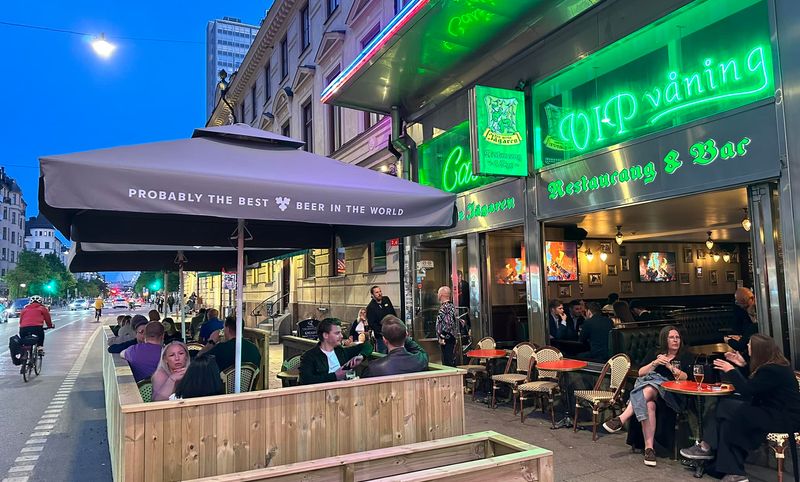
Den gröne Jägaren (The Green Hunter)
Den Gröne Jägaren has roots in 17th-century Södermalm. An inn by that name existed on Sankt Paulsgatan in the 1690s, and it became famous in the early 1800s as a rustic tavern. In the 1970s, the restaurant Den Gröna Jägaren was reestablished in a 19th-century building on Götgatan in Södermalm, retaining its historic name. Today, it is known as a classic wooden-beam pub, decorated with hunting trophies and antlers, recalling its origins as an old country inn. Though modernised, Den Gröne Jägaren still serves as a living link to Stockholm’s past.
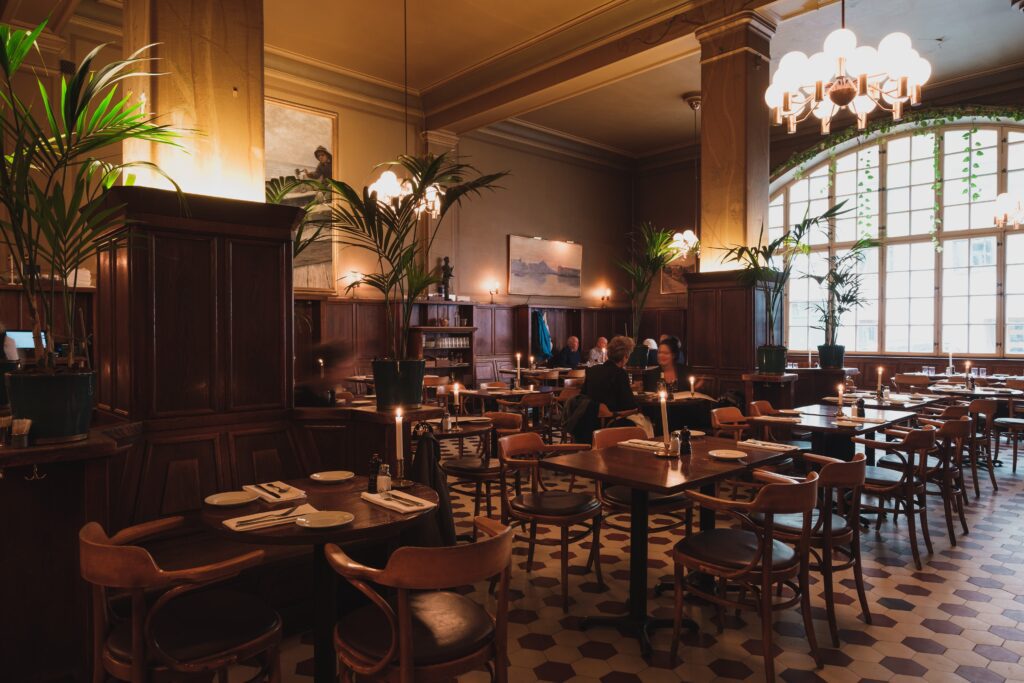
Restaurang Pelikan
Pelikan on Södermalm is one of Stockholm’s most iconic historic restaurants. A tavern by that name dates back to the 17th century, having moved around Gamla Stan over the years. In 1904, it opened on Blekingegatan (then called “Port Arthur”) to serve the working-class locals. It was renamed Pelikan in the 1960s, reviving the historic name that had been dormant for decades. The interior is richly decorated in 1920s style, and many of its original woods and murals have been preserved. Pelikan has long offered affordable meals and beer to Söder’s labourers, and today it still maintains a hearty, old-school atmosphere that evokes the city of a century ago.
Restaurant Kvarnen
Kvarnen, a restaurant in Stockholm, has a history deeply rooted in the Södermalm district. Initially built in 1907 on the site of a former mill, it was designed to house a restaurant from the outset. It quickly became known as a place serving affordable, traditional Swedish food to the working class. While other Stockholm restaurants have shifted towards fine dining, Kvarnen has remained committed to its roots, offering classic dishes and a large selection of beers, making it a popular spot for locals and football fans.
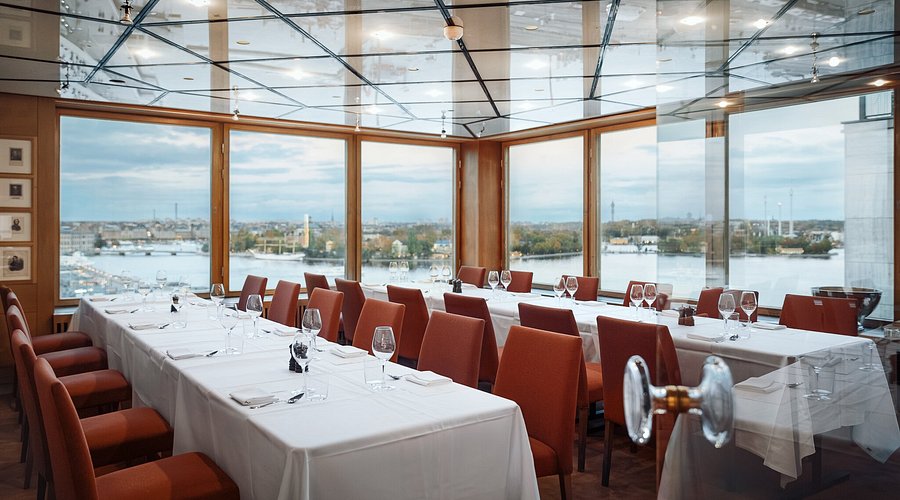
Gondolen
Inspired by a passageway leading up to airships, Gondolen opened in 1935. Initially, it served as a staff restaurant within the Cooperative Union’s building, with a café and bridge connecting it to the Katarina Elevator. It wasn’t until the 1990s, though, when celebrity chef Erik Lallerstedt took over the restaurant, that it became a fine-dining favourite in Södermalm, after having closed several years for renovations. Gondolen reopened in 2023. The management is new, but the unbeatable view remains the same.
Djurgården
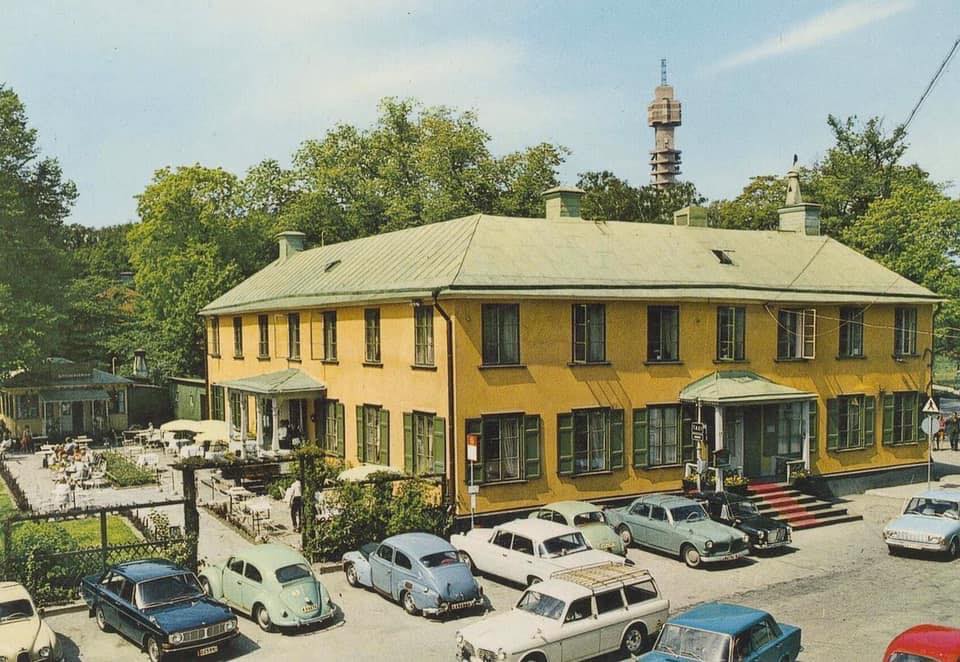
Djurgårdsbrunns Värdshus
The Djurgårdsbrunns Värdshus is a historic inn in southern Djurgården with origins in the 18th century. It was first built in 1742 as part of the Djurgårdsbrunn spa complex. The original timber building burned down in 1988, but a later extension – now Djurgårdsbrunns Restaurant – survives as a cozy remnant of the old inn. Over the centuries, it has served royal hunting parties and day-trippers alike. Though much of the 18th-century structure is gone, the site remains popular for its historic setting by the old spring (brunnsviken) and its quietly traditional ambience.
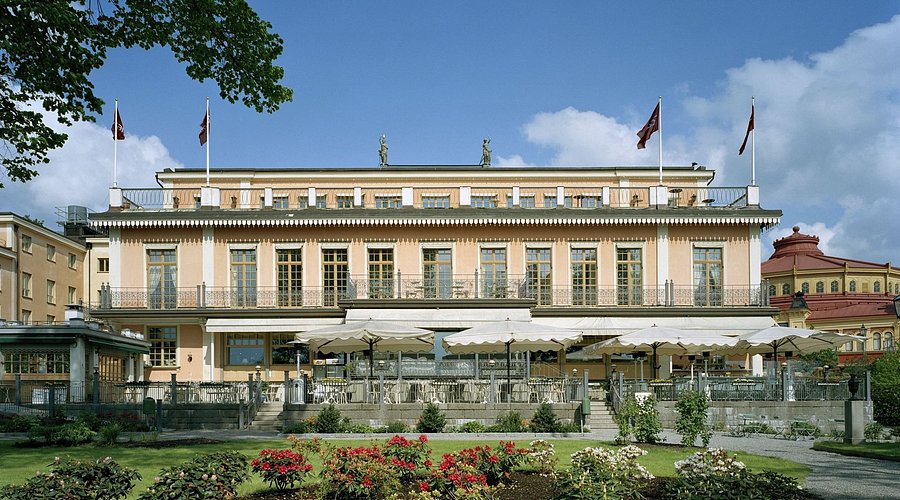
Hasselbacken
Hasselbacken on Djurgården dates to the mid-18th century, when a small waffle and beer cottage called Dunderhyddan stood here. By the 1760s the site was known as Hasselbackskrogen. In 1852, confectioner Wilhelm Davidson bought the property, demolished the old lodge, and in 1853 opened a grand new Hasselbacken designed by architect J.F. Åbom. Over its history, the building has burned down seven times (most recently in 1923) and been rebuilt each time. Legend has it that Hasselback potatoes were first prepared here, giving the restaurant a place in culinary folklore. Throughout, Hasselbacken has remained a popular restaurant in a lush woodland setting, a refuge from the city as it was in Gustavian times.
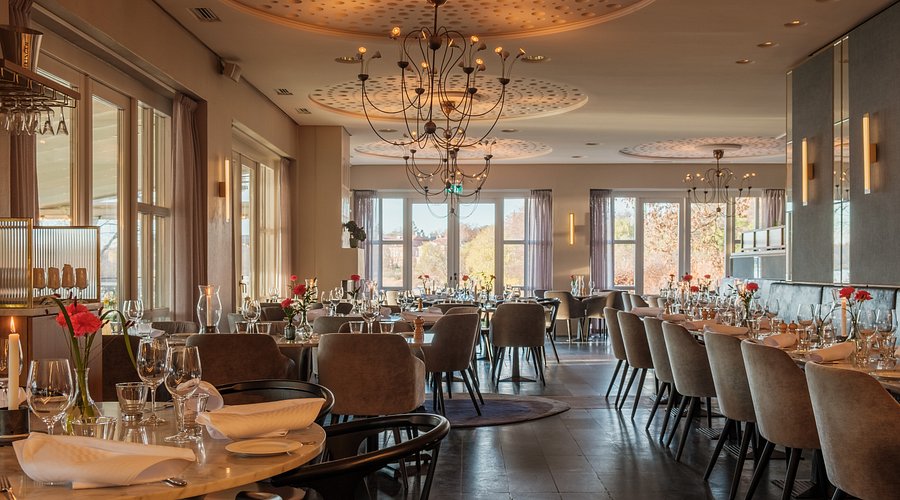
Villa Källhagen
On the shore of Djurgårdsbrunnsviken stands Villa Källhagen, whose roots stretch back to the early 1700s. The site was originally a roadside inn called Röda stugan, part of the Hesslingeberg estate. In 1806, Lt. Anders Chytraeus opened a new inn named “Källhagen” here (from the name of a cottage on the property). The present main building was constructed in the 1980s, but the old red cottage still stands as part of the restaurant complex—Källhagen’s rustic, 19th-century ambience hints at its agrarian past. Dining here today offers views of the old inn and the little orchard behind it – a rare survival of Stockholm’s rural heritage.
Outer Stockholm
Tennstopet
Tennstopet opened in 1867 on Fredsgatan, a time when Norrmalm was filled with newspapers and printing presses. It took its name (“Tin Top”) from a tin workshop that once stood nearby. When the city centre blocks (Klarakvarteren) were demolished in the 1960s, Tennstopet moved to Vasagatan by Vasaparken (its present address since 1965). For decades, it has been known as a cosy enclave of journalists and bohemians. The old wooden panelling and brass lamps have been kept intact, giving Tennstopet the feel of a 19th-century tavern. It remains famous for hearty, traditional dishes and its place in Stockholm folklore.
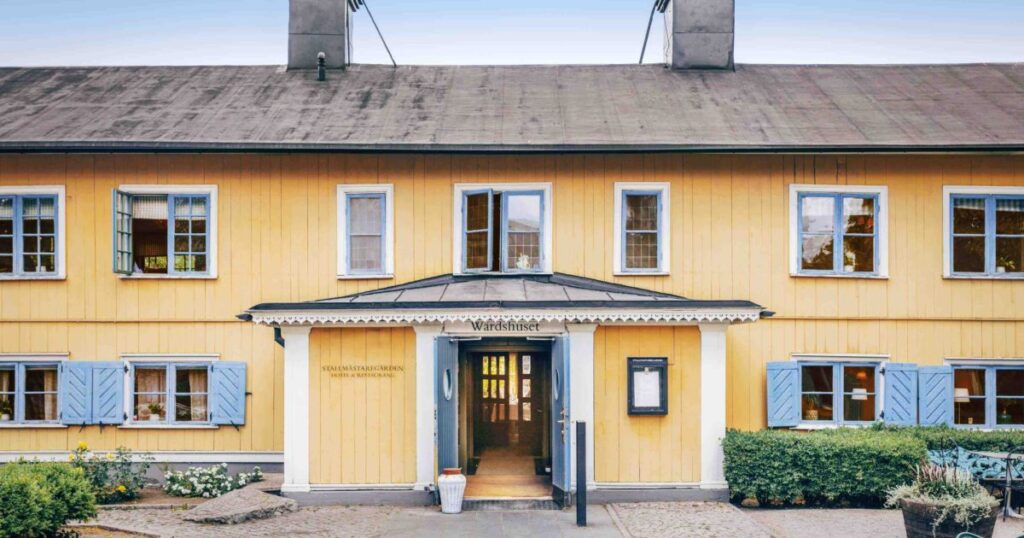
Stallmästaregården
Stallmästaregården (often called “Stallis”) is one of Sweden’s oldest inns. Located by Brunnsviken in Hagaparken (Solna), it dates to the mid-1600s. The main building – with its yellow façade and Baroque interiors – was erected around 1735, and remarkably the original painted ceiling and walls remain inside. The site also retains the 1600s “lusthus” pavilion known as Queen Christina’s Leaf Hall, where the queen once dined. Through the centuries, it has continuously served travellers; originally, it was a stop on the road north of Stockholm. Today Stallmästaregården is a classic countryside tavern, prized for its historic rooms and beautiful garden setting.
Ulriksdals Värdshus
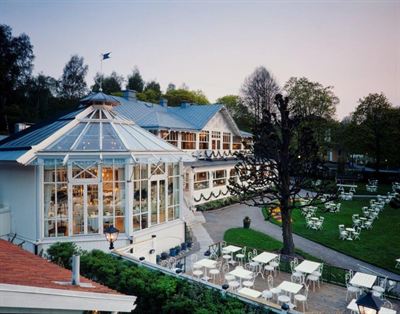
Ulriksdals Värdshus lies on the grounds of Ulriksdal Palace (just north of Stockholm). There has been some form of café or inn here since the 17th century (initially at the Confidencen theatre). The current yellow wooden villa was built in 1868 at the behest of King Karl XV. Initially intended for palace staff and huntsmen, this gingerbread-decorated chalet became a popular restaurant by the early 20th century. Its long history as part of the royal estate and survival as a fine dining inn make it uniquely historic. Patrons today still dine under portraits of Swedish kings and can appreciate that they are continuing a centuries-old tradition at Ulriksdal.
Clas på Hörnet
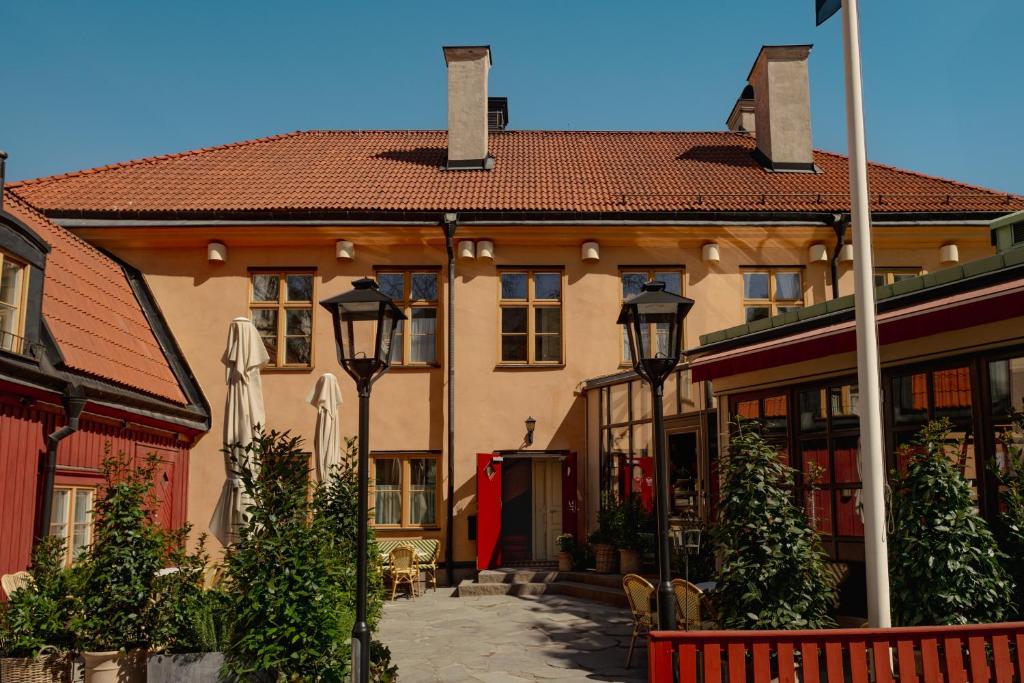
Clas på Hörnet is a Vasastan tavern whose name dates to 1731, when Clas Browall founded the inn Browallshof on that site. It became famed as Clas på Hörnet (“Clas at the Corner”) and was celebrated in Carl Michael Bellman’s songs of the 18th century. In the Gustavian era, it hosted kingly masquerade balls. The original inn closed during the 1834 cholera epidemic, and the building was later converted into apartments. In 1984, restaurateur Christer von Arnold revived the name and location as a restaurant. While the present Clas på Hörnet is modern, it sits on the site of the historic 18th-century tavern mentioned by Bellman. Its legacy lies more in name and heritage than in unbroken operation – yet it is widely regarded as one of Stockholm’s classic taverns.
Edsbacka Krog
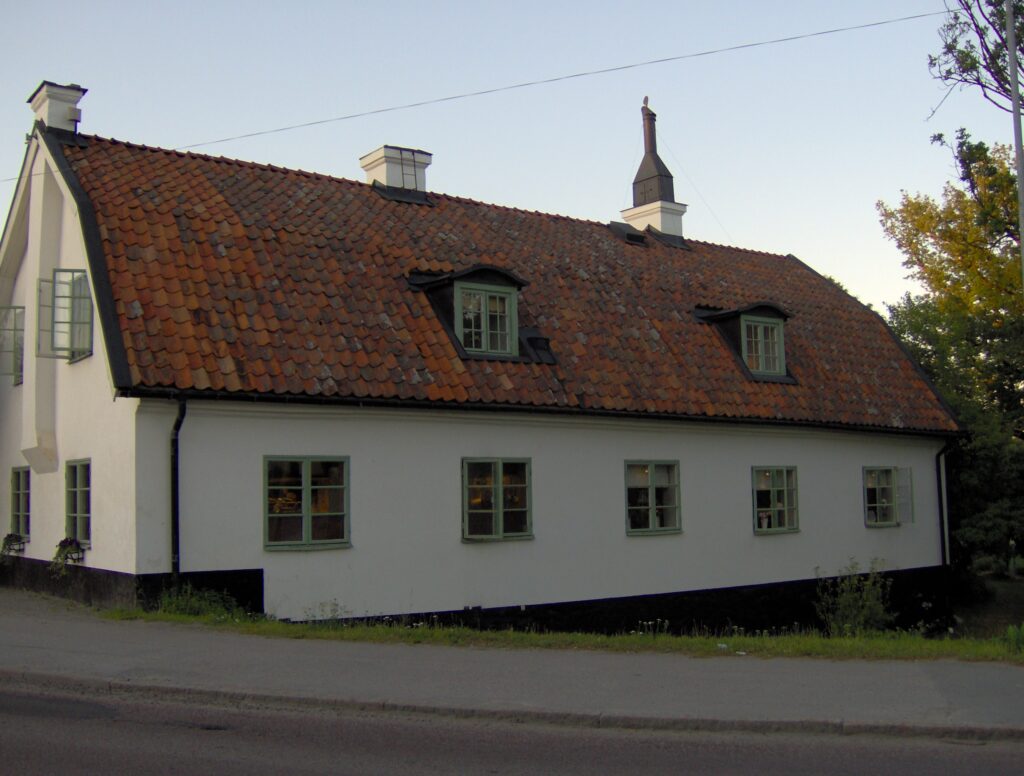
Located on the outskirts of Stockholm, Edsbacka Krog is a historic restaurant dating back to 1626. The restaurant was founded by Henrik Olofsson, who got permission from King Gustav II Adolf to build an inn at Edsbacka. At the time, Edsbacka was located on the historic road between Stockholm and Uppsala, so it made sense to have a place for travellers to eat and rest. The inn closed in 1872 and sat abandoned for a long time. After locating it as the oldest existing inn in Sweden, chef Christer Lingström reopened Edsbacka krog following renovations in 1983. In 1985, he won the Swedish award “Chef of the Year” and was awarded one star in the Michelin Guide in 1992. He got a second star in 2000, making it the first restaurant in Sweden to get two stars. The restaurant closed down in 2010, but a bistro still operates nearby. The building still stands today.
Tranan
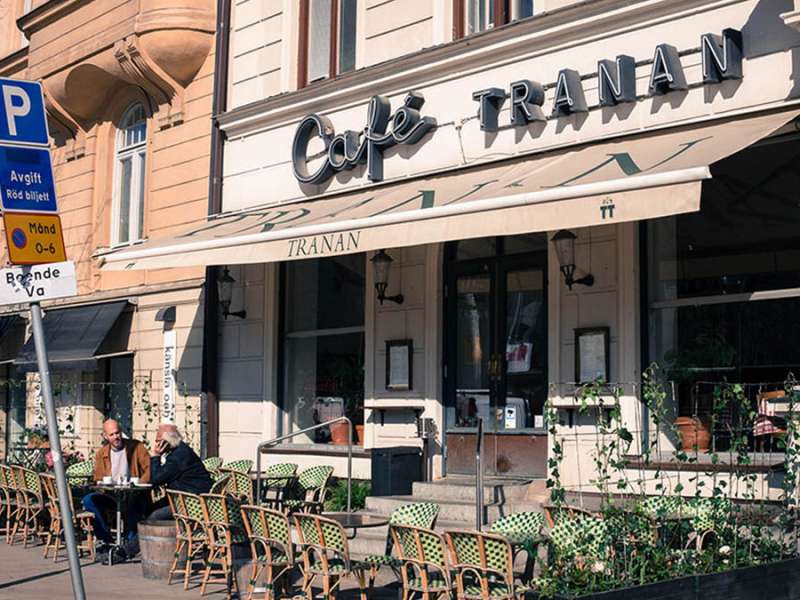
Tranan has been a cornerstone of Vasastan’s nightlife since 1929. Eatery, bar, and occasional nightclub, the restaurant on Odenplan has been many things. But the fried herring and meatballs in gravy have been a fixture on the menu for as long as anyone can remember.
Historic Restaurants Stockholm
I hope this guide has provided you with some inspiration and ideas when you visit Stockholm! As you can see, there are so many good restaurants to choose from. If you want to read move about Stockholm, you can view my travel guide below.