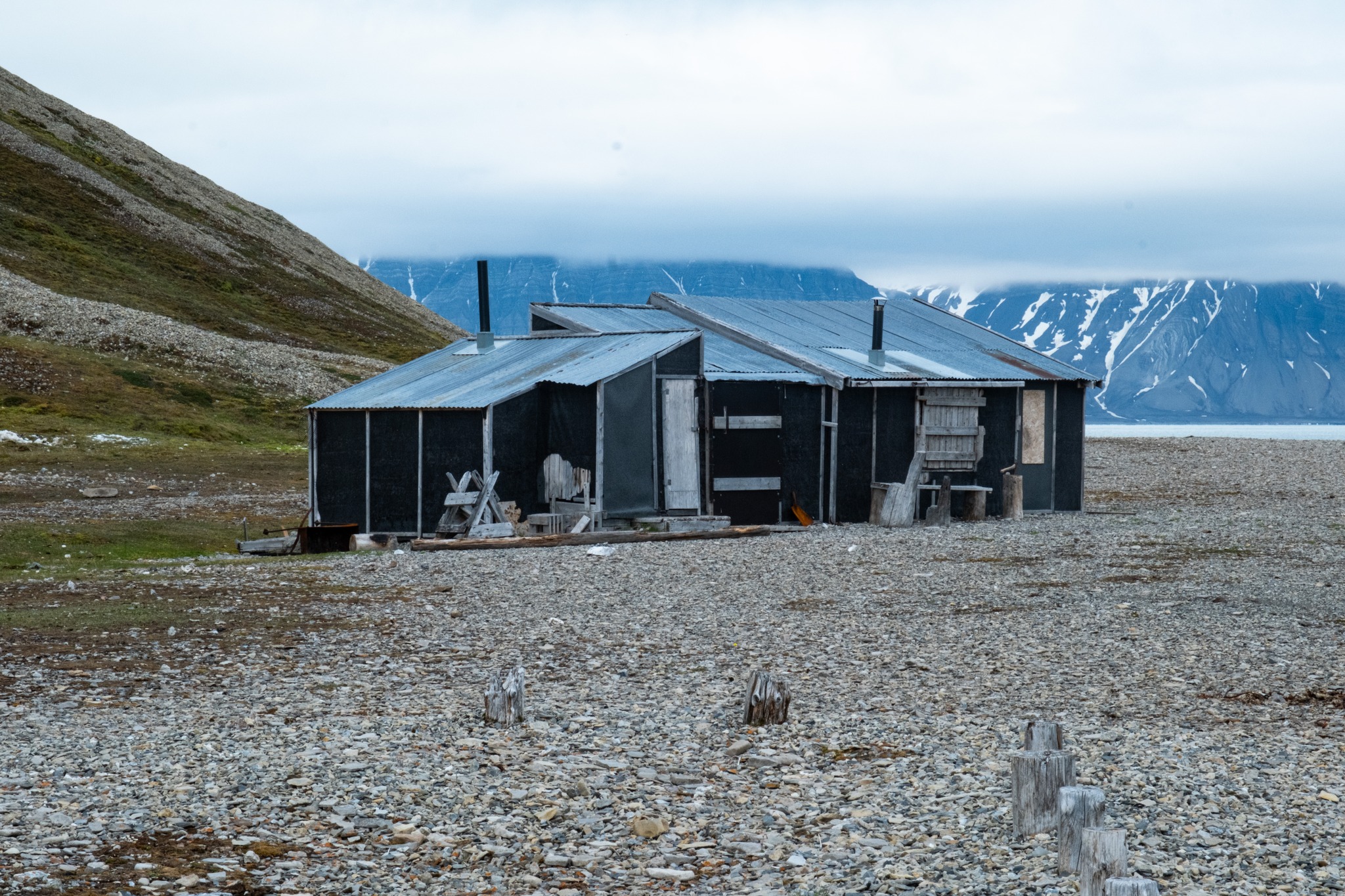
The Fascinating History of Whaling & Sealing in Norway
The history of whaling and sealing is a great read, no matter what side of the debate you are on!

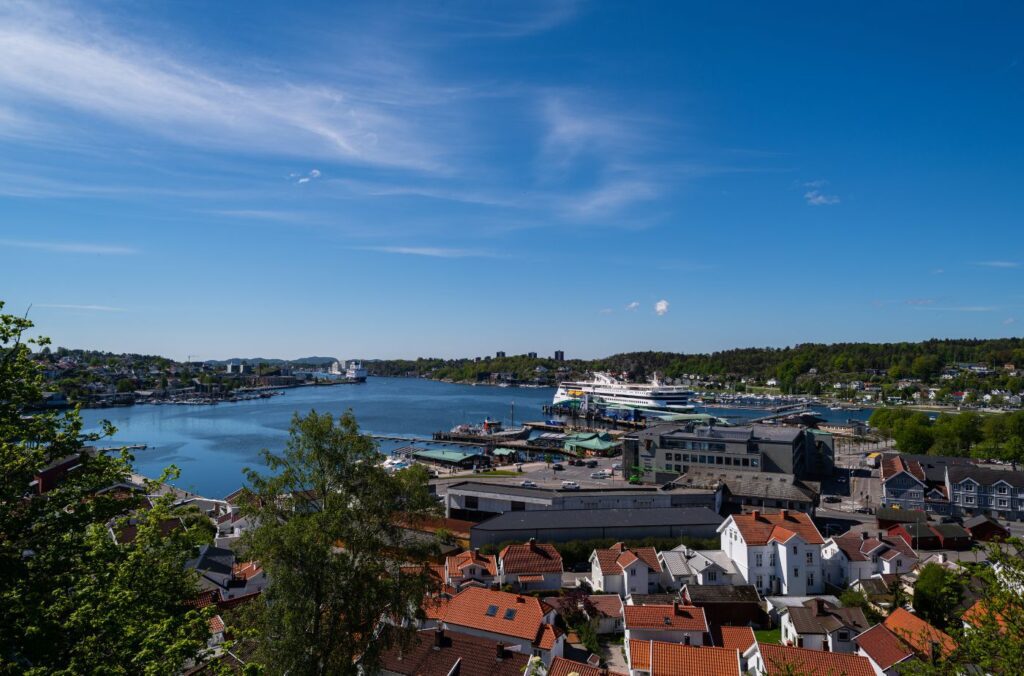
Sandefjord is a coastal community famous for its beaches and close proximity to some nice hikes – it is even nicknamed the ‘Summer City’ of Norway. The city also has a rich Viking history and its prosperous whaling industry made Sandefjord the richest city in Norway at one point.
Latitude: 59.1 degrees north
Population: 46,000
Hottest Month: July
Coldest Month: January
Wettest Month: October
Windiest Month: February

Sandefjord Municipality
Here’s an overview of some of the best things to see and do in Sandefjord
The Whaling Museum is one of Sandefjord’s most important cultural attractions and the only museum in Europe dedicated entirely to the history of whaling. Exhibitions explore the city’s role as one of the world’s leading whaling centres during the 20th century, featuring artefacts, ships and stories from the Antarctic expeditions. Visitors can learn about both the economic importance and controversial legacy of the industry. The museum provides valuable insight into the history that shaped modern Sandefjord.
Midtåsen Sculpture Park combines art, architecture and panoramic views overlooking Sandefjord and the fjord. The park surrounds the former estate of shipping magnate Anders Jahre and features sculptures, landscaped gardens and walking paths. Visitors can enjoy both cultural experiences and peaceful outdoor surroundings. The elevated location offers some of the best viewpoints in the city.
The harbour is the heart of Sandefjord’s maritime identity and remains a lively area filled with boats, restaurants and waterfront promenades. Historic connections to shipping and whaling remain visible throughout the harbour district. Visitors can enjoy walks along the waterfront, watch boat traffic and explore nearby cafés and museums. During summer, the area becomes one of the city’s most popular gathering places.
The Gokstad Mound is one of Norway’s most significant Viking archaeological sites. It was here that the famous Gokstad Ship was discovered in 1880, providing important insight into Viking shipbuilding and burial traditions. Although the original ship is now displayed in Oslo, the burial mound remains a major historical landmark. The site reflects Sandefjord’s deep connections to Viking history.
Located just out of Sandefjord is the Høyjord Stave Church, the only stave church left in Vestfold County. It is also Norway’s southernmost stave church.
Looking to go for a hike or take part in a unique experience? Here are our recommendations!
Folehavna Fort is a historic coastal defence site located on Vesterøya. Visitors can explore wartime bunkers, coastal trails and dramatic sea views overlooking the Skagerrak. The surrounding landscape combines military history with beautiful coastal scenery. It is especially popular for walking, photography and sunset views.
Yxney is a scenic coastal nature area known for hiking trails, forests, beaches and rocky shoreline landscapes. Visitors can walk through protected coastal environments while enjoying views towards islands and open sea. The area offers a peaceful contrast to the city centre and is particularly beautiful during summer. Birdwatching and photography are also popular here.
Located a short drive from Sandefjord, Mølen is Norway’s largest pebble beach and one of the country’s most distinctive coastal landscapes. The area contains ancient burial cairns, geological formations and spectacular views across the sea. Visitors can enjoy hiking, birdwatching and exploring one of Norway’s most unique natural sites. The dramatic coastline makes it an excellent day trip.
Follow our road-trip guides for scenic trips around Sandefjord
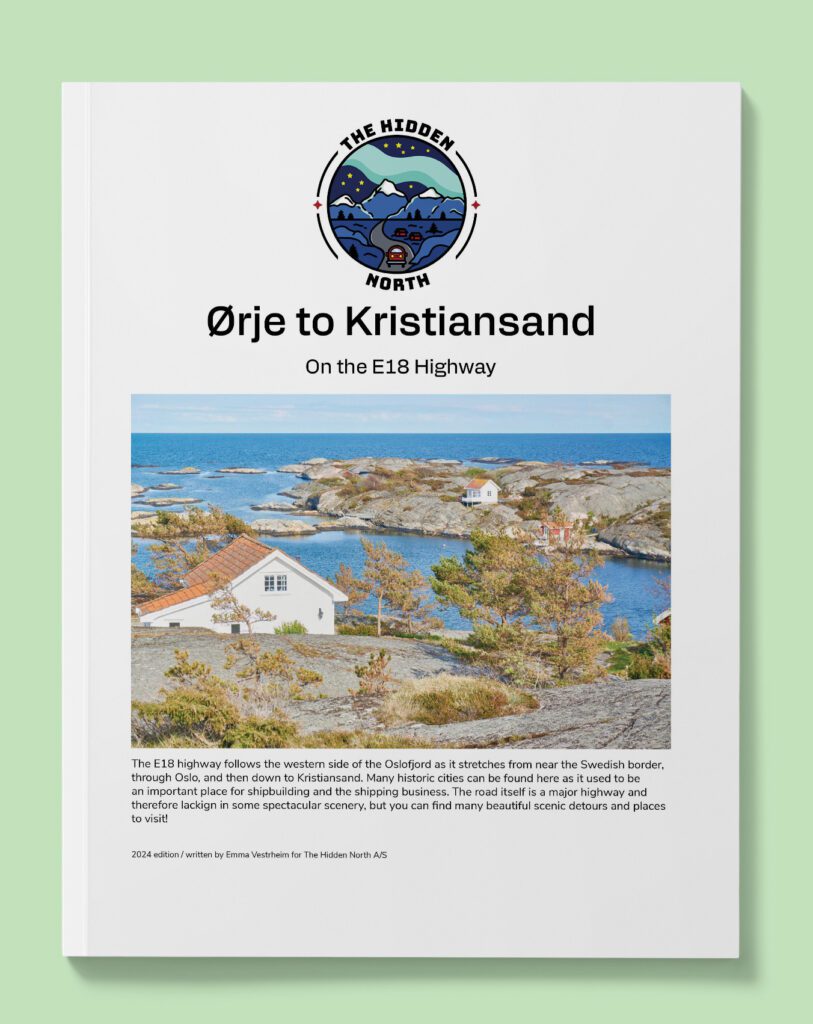
The E18 is the main highway from Oslo down south to Kristiansand. Along the way are several important towns and villages that feature in Norway’s early history.
Sandefjord has been inhabited for thousands of years, and excavations indicate people have been here for at least 3,000 years. Rock carvings found at Haugen Farm are the county’s largest petroglyph side.
The Vikings lived in Sandefjord and many Viking artifacts have been found. One of the most important remains from the Viking Age is the grave site Gokstad Mound, where the Gokstad ship was excavated and is now on display at the Viking Ship Museum in Oslo. A replica of the Gokstad Ship crossed the Atlantic Ocean from Bergen to be exhibited at the World’s Columbian Exposition in Chicago in 1893. The Viking settled in Sandefjord because of the close proximity to other places along the coast.
Sandefjord functioned as a seaport throughout the 17th and 18th century and was formally recognised as a market town by the King in 1845.
Throughout the 19th century Sandefjord became known as a health resort destination. Royalty and important people throughout Europe visited the town for its spas in the late 19th century. The Sandefjord Spa and Resort was one of the most visited baths in Europe until it closed in 1939.
Sandefjord is best known as a whaling community as the centre of the world’s modern whaling industry was located here. Locals from Sandefjord not only made up most of the crews on the Norwegian whaling fleet, but a large number of them also worked in the whaling industry in nearby countries. One man from Sandefjord, Hans Albert Grøn, established the firsst whaling station in the Faroe Islands in 1894. For over 50 years in the late 19th century, Sandefjord was the centre of the whaling industry. Besides leading the fleet, Sandefjord also manufactured equipment and vessels. At its peak, there were 25 whaling companies in Sandefjord. In the beginning of the 20th century, expeditions from Sandefjord went as far as Norwegian Bay in Australia, Stewart Island in New Zealand, Walvis Bay in Namibia, Chile, and isolated places such as South Georgia Island and Bouvet Island. In 1904, Carl Larsen from Sandefjord established a whaling community in South Georgia Island. The last whaling vessel from Sandefjord was sold to Japan in 1971.
During World War II, Sandefjord was occupied by Nazis. The Nazis took over the Sandefjord Spa by raising a Nazi flag on it, and all students in Sandefjord were given a book to learn the German language as well as a copy of Mein Kampf. Nazis constructed two fortresses in Sandefjord. Many locals were killed during the war, including a large number of seamen. After the war, Norway became a founding member of NATO and several air bases were constructed in Norway using NATO funds, including Sandefjord Airport, which was to be used by the United States Air Force in case of war.
Modern Sandefjord is a prosperous coastal city known for its high quality of life, waterfront atmosphere and strong maritime connections. The city combines historic wooden neighbourhoods, modern developments and a lively harbour district filled with restaurants and cafés. Residents enjoy easy access to beaches, forests and outdoor recreation throughout the year.
Tourism, shipping and service industries play important roles in the local economy. The city is particularly popular during summer when visitors arrive for boating, festivals and coastal holidays. At the same time, Sandefjord maintains a relaxed atmosphere compared with larger Norwegian cities.
Local culture remains strongly influenced by the sea, with maritime traditions visible throughout daily life. Community events, sports clubs and outdoor activities help create a strong sense of local identity. Discussions among residents often describe Sandefjord as a family-oriented city with active community organisations and outdoor culture.
Fly: Sandefjord Torp Airport is one of the largest airports in Norway and has a lot of budget-friendly flights. It’s often used as an alternative airport to Oslo Gardermoen. Major airlines using Sandefjord Airport include Widerøe, Ryanair and Wizz Air.
Drive: Sandefjord is easily reached via the E18 motorway connecting Oslo with southern Norway. The drive from Oslo takes around 1.5 hours.
Train: Frequent rail services connect Sandefjord with Oslo, Drammen, Skien and other destinations along Norway’s southern rail network.
Ferry: Ferry services connect Sandefjord with Sweden, making it one of Norway’s most important international ferry gateways.
The city centre is compact and easy to explore on foot, particularly around the harbour and shopping streets. Local buses connect surrounding neighbourhoods, beaches and nearby villages. Cycling is popular during summer thanks to coastal routes and relatively gentle terrain. A car provides the greatest flexibility for exploring Vestfold’s coastline and nearby attractions.
Cafes & Bakeries
Bakgården Café is in a nice wooden building.
Håndverkeren Kaffebrenneri AS – A highly regarded speciality coffee shop known for quality roasting, pastries and a welcoming atmosphere.
Cafe Vintage – A charming café with vintage-inspired décor serving coffee, cakes and light lunches.
Restaurants
Brygga 11 is a seafood restaurant by the waterfront.
High End & Unique Eats
Kokeriet restaurant is modelled after the city’s whaling history.
Camping
Cabins & B&Bs
Chains & Mid-Range
Clarion Collection Hotel Atlantic has had a central position in Sandefjord’s history, and whaling and shipping has left a mark on the hotel’s development and decoration.
High End & Unique Properties
Hotel Kong Carl is the oldest hotel and was built in 1690.
The history of whaling and sealing is a great read, no matter what side of the debate you are on!
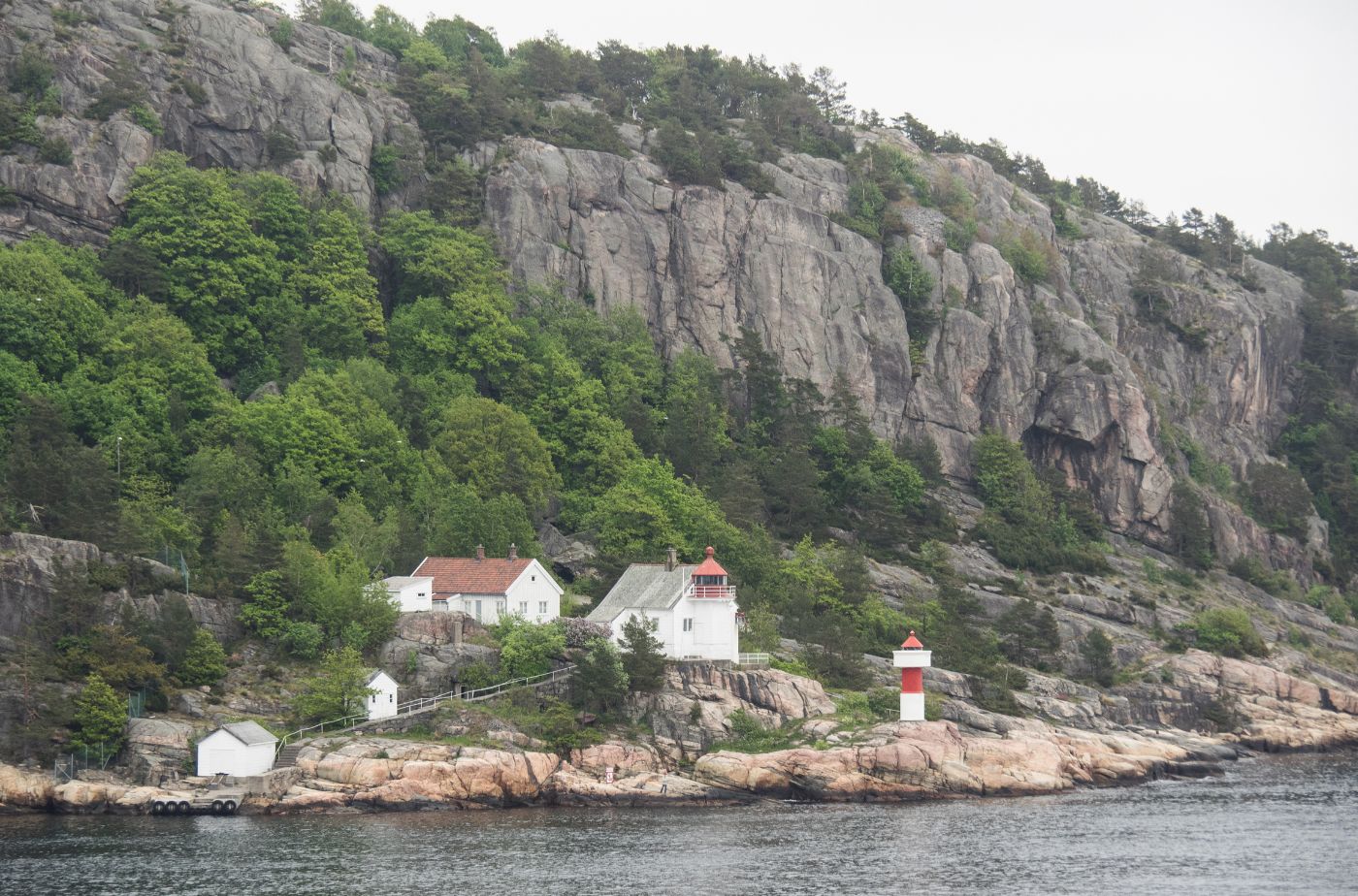
This drive goes from Oslo to Kristiansand in the south of Norway, following the E18.
Sunrise: 9:01am
Sunset: 3:56pm
Average Temperature: -1C (30F)
Sunrise: 7:55am
Sunset: 5:11pm
Average Temperature: -1C (30F)
Sunrise: 6:34am
Sunset: 6:22pm
Average Temperature: 2C (35F)
Sunrise: 6:04am
Sunset: 8:35pm
Average Temperature: 6C (43F)
Sunrise: 4:46am
Sunset: 9:45pm
Average Temperature: 11C (52F)
Sunrise: 4:04am
Sunset: 10:35pm
Average Temperature: 15C (58F)
Sunrise: 4:31am
Sunset: 10:17pm
Average Temperature: 17C (63F)
Sunrise: 5:38am
Sunset: 9:07pm
Average Temperature: 16C (61F)
Sunrise: 6:48am
Sunset: 7:38pm
Average Temperature: 12C (54F)
Sunrise: 7:57am
Sunset: 6:10pm
Average Temperature: 7C (45F)
Sunrise: 8:12am
Sunset: 3:54pm
Average Temperature: 3C (37F)
Sunrise: 9:08am
Sunset: 3:20pm
Average Temperature: 0C (31F)