Population 13,000 / 59.3 degrees north

Notodden, Norway

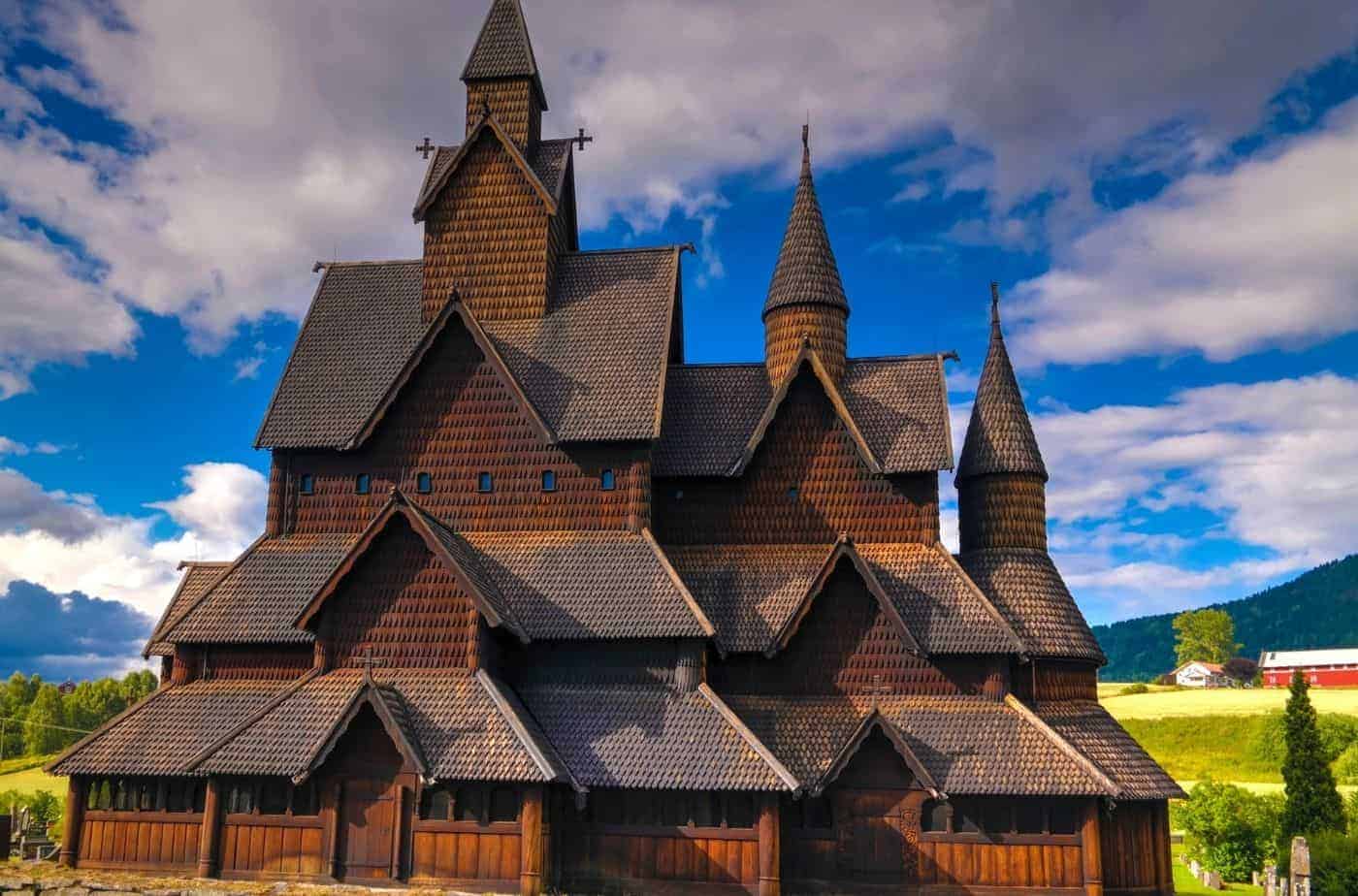
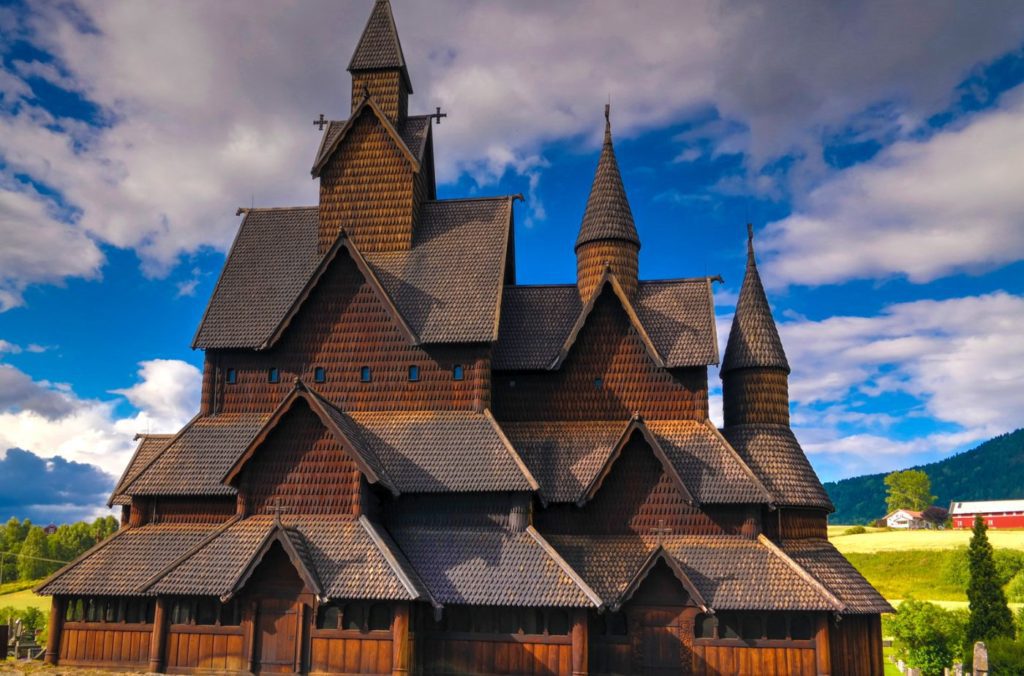
Notodden is an industrial town and part of the UNESCO World Heritage area for industry in Norway. Close by is the famous Heddal Stave Church, the largest of the 28 remaining stave churches. 

About Notodden

Latitude: 59.3 degrees north

Population: 13,000

Hottest month: July

Coldest month: February

Wettest month: October

Windiest month: January

Annual precipitation: 555mm

Notodden Municipality

In this Travel Guide...

Map of Notodden

Uniquely Notodden

Here are some things that you must do and try in Notodden

Heritage Site

UNESCO World Heritage

Notodden’s unique industrial history has put it on the UNESCO World Heritage list together with the towns of Rjukan, Odda, and Tyssedal. 

Festival

Notodden Blues Festival

Notodden hosts one of Europe’s largest blues festivals. 

Things to See & Do

Here’s an overview of some of the best things to see and do in Notodden

Church

Heddal Stave Church

Located a short drive out of Notodden, Heddal Stave Church is Norway’s largest stave church and is from the 13th century. 

Museum

Bok & Blueshuset

Bok & Blueshuset is the cultural centre of Notodden and home to the Norwegian Blues Museum, library, concert venues and creative spaces. The museum celebrates the city’s internationally recognised blues heritage through interactive exhibitions, music memorabilia and recordings. Throughout the year, concerts and cultural events create a lively atmosphere in the waterfront district. The modern building has become one of the defining landmarks of the town.

Waterfall

Tinnfossen

Tinnfossen is a powerful waterfall and hydroelectric site closely linked to Norway’s industrial history and the founding of Norsk Hydro. Visitors can explore the surrounding UNESCO-listed industrial heritage landscape while learning about the development of hydropower and fertiliser production in the early 20th century. The combination of dramatic natural scenery and historic industrial architecture makes the area particularly unique. Walking trails and viewpoints nearby offer excellent perspectives across the waterfall and river.

Museum

Telemark Art Museum

The Telemark Art Museum showcases regional art, industrial history and exhibitions inspired by Telemark’s landscapes and cultural traditions. Visitors can explore both historical and contemporary collections inside buildings connected to the area’s UNESCO industrial heritage. The museum highlights the relationship between art, technology and community development in Notodden. Seasonal exhibitions and cultural events make it an engaging attraction throughout the year.

Hikes, Day Trips & Experiences

Looking to go for a hike or take part in a unique experience? Here are our recommendations!

Canal

Telemark Canal

The Telemark Canal is one of Norway’s most historic waterways and offers scenic boat journeys through lakes, forests and impressive lock systems. Visitors can travel aboard historic canal boats between charming towns while experiencing one of the country’s greatest engineering achievements. The route combines beautiful nature with cultural history and relaxed slow travel. Summer cruises are especially popular for photography and sightseeing.

Mountain

Gaustatoppen

Gaustatoppen is one of southern Norway’s most famous mountains and makes an excellent day trip from Notodden. From the summit, visitors can enjoy panoramic views stretching across large parts of southern Norway on clear days. Hiking routes range from moderate trails to more demanding climbs, while a unique mountain railway inside the mountain transports visitors close to the top. The surrounding alpine scenery is spectacular throughout both summer and winter.

Road-Trips

Follow my road-trip guides for scenic trips around Notodden

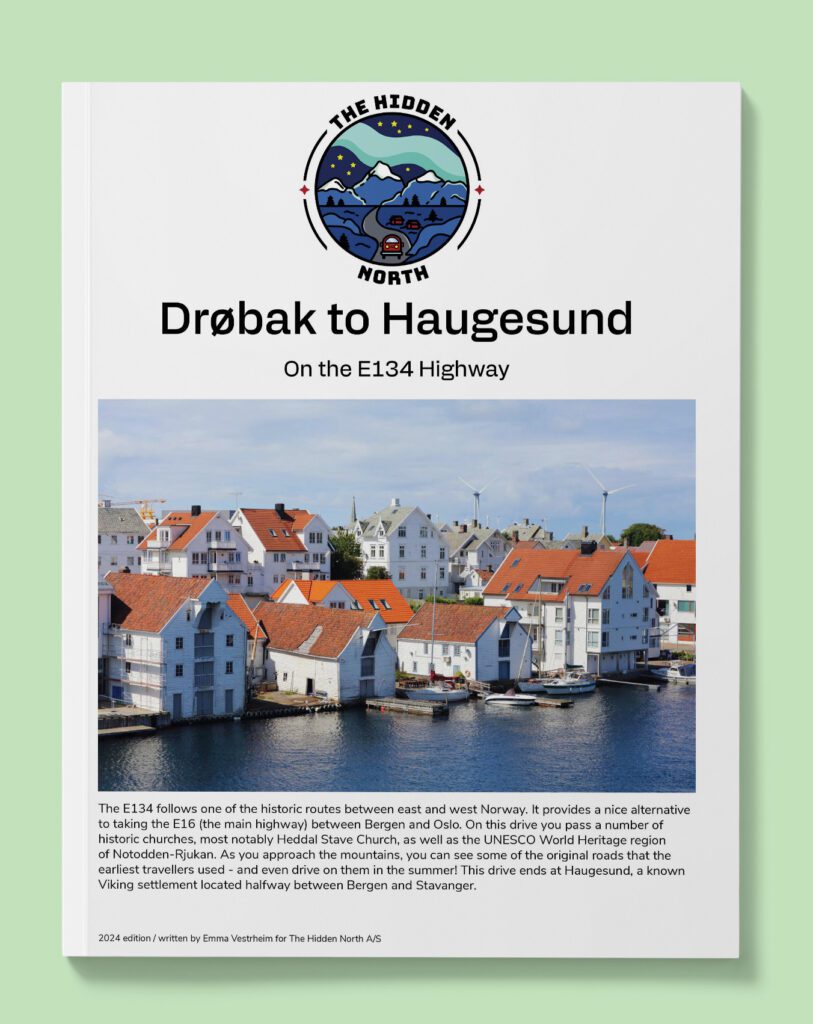
The E134 from Oslo/Drøbak to Haugesund

The E134 follows one of the historic routes between east and west Norway. It provides a nice alternative to taking the E16 (the main highway) between Bergen and Oslo. On this drive you pass a number of historic churches, most notably Heddal Stave Church, as well as the UNESCO World Heritage region of Notodden-Rjukan. As you approach the mountains, you can see some of the original roads that the earliest travellers used – and even drive on them in the summer! This drive ends at Haugesund, a known Viking settlement located halfway between Bergen and Stavanger.

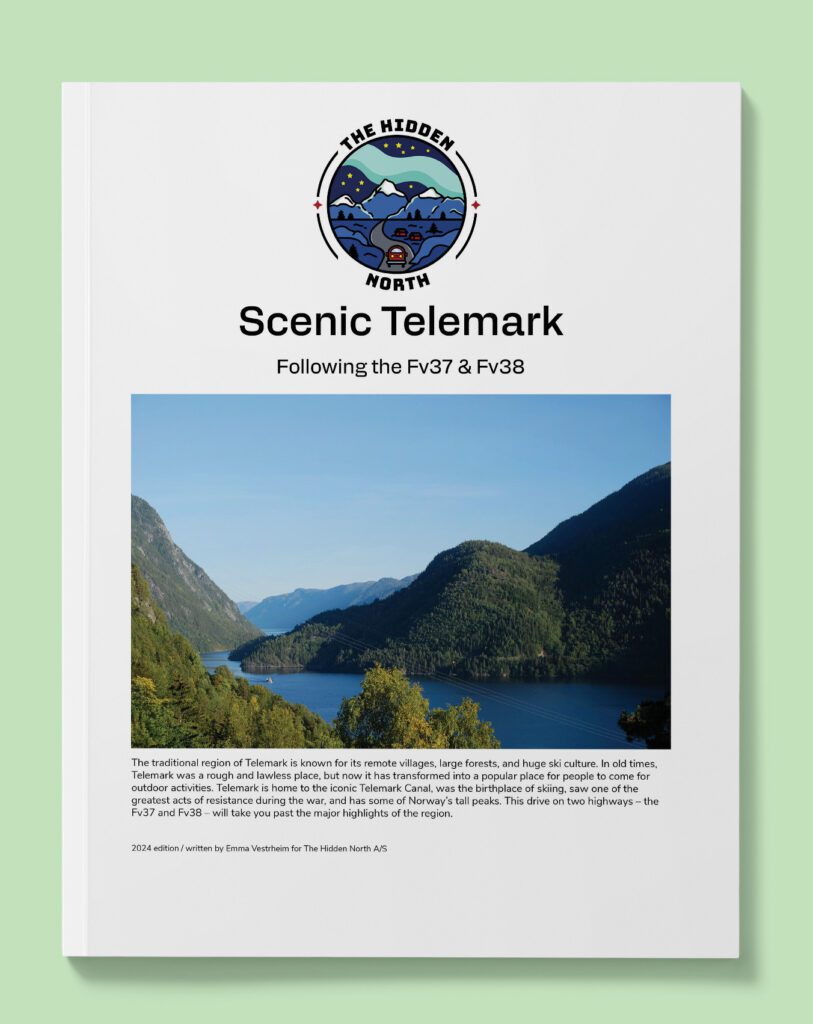
Scenic Telemark Drive (Fv37 & Fv38)

The traditional region of Telemark is known for its remote villages, large forests, and huge ski culture. In old times, Telemark was a rough and lawless place, but now it has transformed into a popular place for people to come for outdoor activities. Telemark is home to the iconic Telemark Canal, was the birthplace of skiing, saw one of the greatest acts of resistance during the war, and has some of Norway’s tall peaks. This drive on two highways – the Fv37 and Fv38 – will take you past the major highlights of the region.

History of Notodden

Notodden developed rapidly during the early 20th century due to the rise of hydroelectric power and heavy industry. The powerful waterfalls and rivers surrounding the town provided ideal conditions for generating electricity, which helped Norsk Hydro establish fertiliser production facilities in the area. Together with nearby Rjukan, Notodden became one of Norway’s most important industrial centres and played a major role in modernising the country. The industrial heritage of the region is now recognised as a UNESCO World Heritage Site. before industrialisation, the area around Notodden was already culturally significant due to farming communities, waterways and religious landmarks such as Heddal Stave Church routes and lake transport connected the region with wider parts of Telemark and eastern Norway. Traditional farming and rural culture remained important even as industry expanded.

In later decades, Notodden also became internationally known for music, particularly blues culture. The establishment of the Notodden Blues Festival helped transform the town into one of Scandinavia’s most important blues destinations, adding a modern cultural identity alongside its industrial history.

Notodden Today

Modern life in Notodden combines industrial heritage, cultural activity and easy access to nature. The town has a relaxed atmosphere shaped by lakes, forests and nearby mountains while still offering cafés, galleries, museums and music venues. Outdoor recreation plays a major role throughout the year, with hiking, skiing, boating and fishing all easily accessible from the town centre.

The UNESCO World Heritage designation continues to influence tourism and cultural development in the region. Historic industrial buildings have been transformed into museums, cultural spaces and educational centres that preserve local identity while attracting international visitors. Music also remains central to community life, especially during the annual blues festival when the town becomes especially lively.

Education, regional services and tourism now play important roles alongside industry in the local economy. Despite its relatively small size, Notodden maintains a strong cultural identity built around both innovation and tradition.

Travel Information

Getting Here

Fly: The nearest larger airport is Oslo Airport, with regional airports also available in Telemark and nearby areas. Most visitors continue to Notodden by car, bus or train from Oslo.

Drive: Notodden is located along the E134 highway and is easily accessible from Oslo and western Norway. Scenic drives through Telemark offer forests, lakes and mountain landscapes throughout the journey.

Train: The Sørlandet Line and regional rail connections link Notodden with other parts of eastern Norway. Train journeys through Telemark provide beautiful views of forests, farmland and lakes.

Ferry: No ferry access. 

Getting Around

The town centre is compact and walkable, particularly around the waterfront and cultural district. Local buses connect nearby villages and surrounding parts of Telemark. Rental cars are recommended for exploring mountains, stave churches and countryside attractions outside the town. Cycling and canal boats are also enjoyable ways to experience the area during summer.

Shops

Places to Eat

Cafes & Bakeries

Café Felicia – café popular for homemade cakes, coffee and relaxed atmosphere in the centre of Notodden.

Restaurants

Eyde Restaurant – Notodden’s best-known dining venues, focusing on Nordic cuisine and seasonal ingredients inspired by Telemark traditions.

High End & Unique Eats

Brattrein Restaurant – connected to Brattrein Hotel, offering refined meals in historic surroundings overlooking Notodden and the surrounding landscape.

Places to Stay

All my hotel recommendations are based on research and experience. I don’t recommend somewhere unless I think it is wonderful! The Hidden North focuses on accommodation that provides good quality for price or offer local or unique experiences. 

Camping

Lystang Glamping & Cabins: Click here to view rates & book

Cabins & B&Bs

Bolkesjø Gård: Click here to view rates & book

Chains & Mid-Range


High End & Unique Properties

Brattrein Hotel: Click here to view rates & book

All Posts About Notodden

Sunrise/Sunset & Weather Averages

January

Sunrise: 9:07am

Sunset: 3:57pm

Average Temperature: -4.5C (24F)

February

Sunrise: 8am

Sunset: 5:14pm

Average Temperature: -3.5C (26F)

March

Sunrise: 6:40am

Sunset: 6:24pm

Average Temperature: 0.5C (33F)

April

Sunrise: 6:08am

Sunset: 8:38pm

Average Temperature: 5.6C (42F)

May

Sunrise: 4:49am

Sunset: 9:50pm

Average Temperature: 10.8C (52F)

June

Sunrise: 4:04am

Sunset: 10:43pm

Average Temperature: 14.6C (58F)

July

Sunrise: 4:30am

Sunset: 10:26pm

Average Temperature: 17.1C (63F)

August

Sunrise: 5:38am

Sunset: 9:14pm

Average Temperature: 15.5C (60F)

September

Sunrise: 6:50am

Sunset: 7:44pm

Average Temperature: 11.2C (52F)

October

Sunrise: 8am

Sunset: 6:16pm

Average Temperature: 4.9C (41F)

November

Sunrise: 8:17am

Sunset: 3:56pm

Average Temperature: 0.6C (33F)

December

Sunrise: 9:15am

Sunset: 3:20pm

Average Temperature: -4.2C (24F)