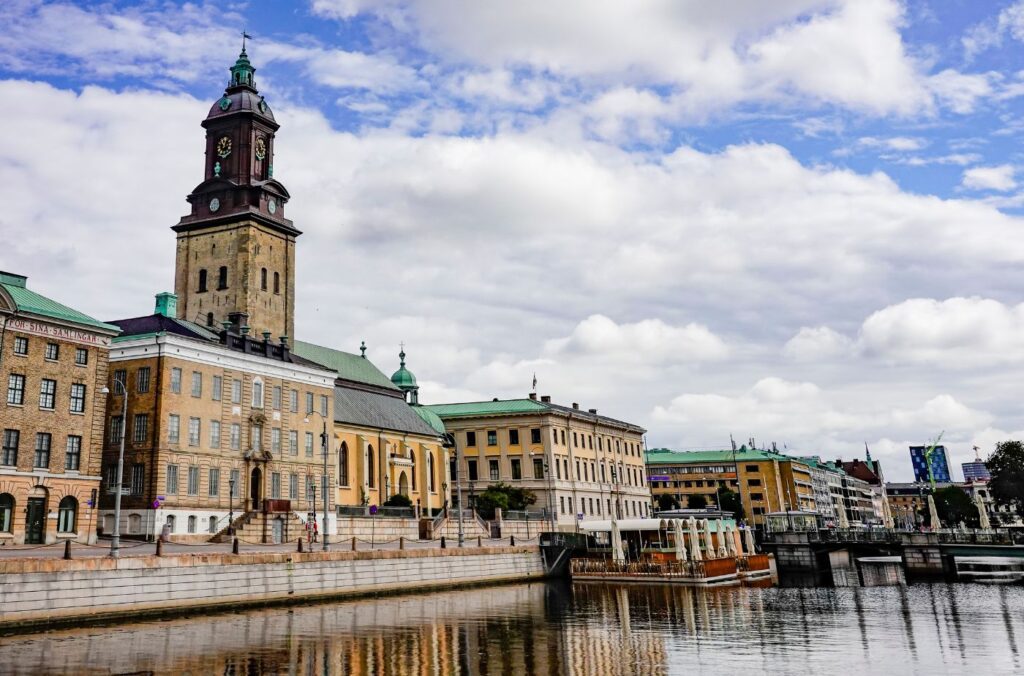
Gothenburg is the second-largest city in Sweden and the fifth largest in the Nordic countries. The city lies on Sweden’s west coast at the outlet of the Gota River. Gothenburg is Sweden’s largest industrial city as well as Scandinavia’s largest port. Despite that, Gothenburg is a green city with parks and a large river bisecting the city.
Latitude: 57.4 degrees north
Population: 606,616
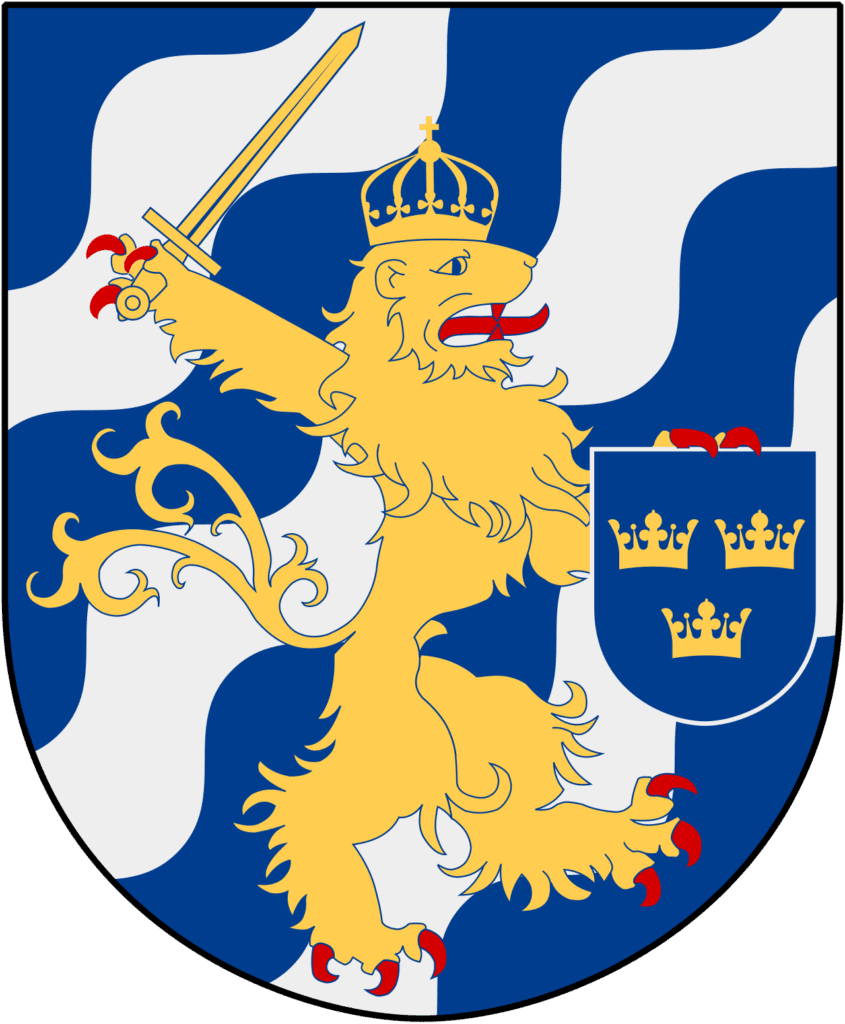
Gothenburg Municipality
Here are some things that you must do and try in Gothenburg
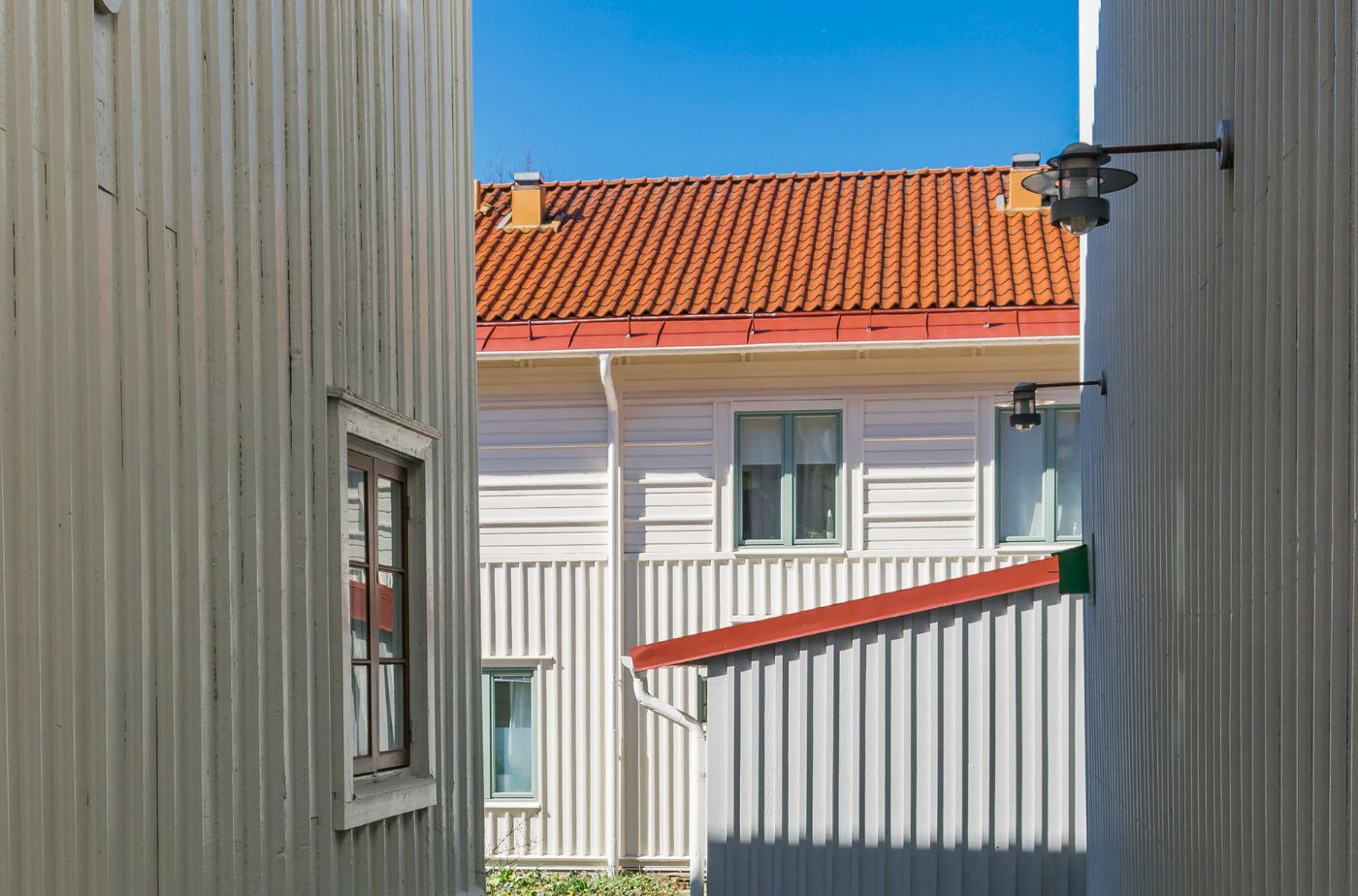
Haga & Linne are the historic working class districts where those who couldn’t afford to live in the city settled, primarily in wooden houses. Haga was supposed to be demolished in the 1980s, and thankfully it survived because you can find timber houses that have been converted into shops and cafes. Be sure to check out Hagabadet, originally a bathhouse built for the poor, and now a pampering spa with Roman baths, pilates classes, and its own brand of luxury cosmetics.
Linne has tall, 19th century tenement buildings and is the best place for nightlife.
The Haga bulle is a unique cinnamon bun similar to the kanelbulle.
The Gustavus Adolphus pastry, eaten every 6 November in Sweden is appreciated in Gothenburg as King Gustavus Adolphus founded the city.
Here’s an overview of some of the best things to see and do in Gothenburg.
Kronhuset and Torstenson Palace are the two oldest buildings in Gothenburg. Kronhuset was built in 1643 in the Dutch style and was originally used as an arsenal for the city garrison and as a granary to store food reserves so the city could survive a siege. Torstenson Palace was built in 1648 for Count Lennart Torstenson, but became the seat of the county administration.
Skansen Kronen is part of the historic fortress that went around Gothenburg. The fort was officially commissioned in 1698 and equipped with 23 guns, though the roof was not actually completed until 1700.
Gothenburg City Museum – the museum is housed in the buidling that was previously used by the East India House. The museum covers the history of the city and region from prehistoric times to the present, with a focus on the 19th century Swedish East India Company.
The Volvo Museum has exhibits of the history of Volvo and the development from 1927 to today. Products shown include cars, trucks, marine engines, and buses. The museum presents Volvo’s productions chronologically, from the curvaceous limousines of the 1930s to the boxy models from the 1990s.
Sweden’s largest science and natural history centre, with aquariums, rainforests, and interactive tech exhibits.
Impressive Nordic and international collections, from Munch and Zorn to Picasso and van Gogh. The top two floors have some of the best artworks, including a whole room of Rembrandt and a room for Picasso. You can also see Scandinavian artists like Bruno Liljefors, Edvard Munch, Anders Zorn, and Carl Larsson.
Medieval stronghold 25 minutes north; climb the tower for views of the Göta River.
Aeroseum used to be an underground aircraft hangar that could survive a hit from an atomic bomb, and how it has been confirmed into an aviation musuem.
Looking to go for a hike or take part in a unique experience? Here are my recommendations!
The amusement park Liseberg is located in the central part of the city and is the largest amusement park in Scandinavia by number of rides. It is the most popular attraction in Sweden.
The Botanical Gardens were built in 1923 and have been voted the most beautiful garden in Swedish.
Paddan City Boat Tour is a tour that will take you on the 17th century canals, moats and low bridges.
Stromma Cruises offers tours out to the archipelago.
Ferries from Saltholmen reach islands like Styrsö, Donsö, and Vrångö. Walk, hire bikes, or swim off smooth granite rocks.
Considered to be one of the best-preserved estates in Northern Europe, this 18th-century estate is south of town, offering tours, a café, and scenic walks.
Follow my road-trip guides for scenic trips around Gothenburg.
Here are my self-guided walks for Gothenburg.
Watch my YouTube videos featuring Gothenburg.
King Gustavus Adolphus founded Gothenburg by royal charter in 1621 as a heavily fortified, primarily Dutch, trading colony. Gothenburg served as the only Swedish gateway to Skagerrak, the North Sea and the Atlantic. The site of the first church (which was subsequently destroyed by Danish invaders) is marked with a stone near the Alvsborg Bridge. The church was built in 1603 and destroyed in 1611.
The design of the city was heavily influenced by the traders King Gustavus Adolphus was attracting to settle here, particularly the Dutch, the Germans and the Scots. The Dutch planners and engineers especially had the skills to drain and build the marshy areas chosen for the city. The town was designed similar to Dutch cities such as Amsterdam. The Dutch initially had political power, and weren’t pushed out until 1652, when the Swedes acquired political power over Gothenburg. During the Dutch time, the town followed Dutch laws and Dutch was proposed as the official language in the town.
Along with the Dutch, the town was heavily influenced by Scots who settled down in Gothenburg. For example, William Chalmers, the son of a Scottish immigrants, donated his fortunes to set up what later became the Chalmers University of Technology.
In the 18th century, fishing was the most important industry. In 1731, the Swedish East India Company was founded, and the city flourished due to its foreign trade and highly commercial expeditions to China.
Today trade and shipping are important to the city, and Gothenburg port is the largest harbour in Scandinavia. Gothenburg is also big for manufacturing and industry. Major companies operating plants in the area include SKF, Volvo, and Ericsson. Volvo Cars is the largest employer in Gothenburg.
Gothenburg has two universities, both of which started as colleges founded by private donations in the 19th century.
Fly: Gothenburg Landvetter Airport (GOT) is 25 minutes from the city. Frequent Flygbussarna airport coaches and taxis run directly to the central station.
Drive: The European highways E6, E20 and E45 pass through Gothenburg. Gothenburg is 3.5 hours from Oslo, 4.5 hours from Stockholm, and 4 hours from Copenhagen.
Train: Gothenburg is well connected via SJ and Vy trains from Stockholm (3 hours) and Copenhagen (4 hours).
Ferry: The Swedish company Stena Line operates between Gothenburg/Frederikshavn in Denmark and Gothenburg/Kiel in Germany.
Gothenburg has an extensive tram network and it is the largest tram network in Scandinavia. The app for buying the tickets is called “Västtrafik To Go”. It’s good to buy your ticket in advance as the drivers don’t sell tickets and there may not be machines on board. Tickets last 90 minutes and can be used freely on buses, ferries and trams.
Gothenburg also has a bus network.
Parking in Gothenburg is expensive and there’s not much free parking available.
Kunsportsavenyen is the city’s main street and has shops for everything.
Haga Nygatan is a cobbled street with souvenir ships and small craft shops.
Nordstan is a shopping mall.
Cafes & Bakeries
Evas Paley is a good place to stop for fika and has excellent cakes.
Café Kronhuset is Gothenburg’s oldest café.
da Matteo – local coffee roaster with several stylish cafés; the Magasinsgatan courtyard location is a must.
Kafé Magasinet – greenhouse-like café serving brunches, pizzas, and local brews in a leafy courtyard.
Kafferosten – Haga favourite for rich espresso and homemade cakes.
Brogyllen – elegant bakery near the canal, known for its pastries and sandwiches.
Café Husaren – home of the kanelbulle the size of a plate – a Haga institution.
Casual Eateries
Feskekorka is the top place to go for seafood in Gothenburg. “The Fish Church” in English, this is the city’s most prominent seafood restaurant.
Tacos & Tequila – lively spot for Mexican-inspired street food in Linné.
The Barn – famous for gourmet burgers and local beers.
Café Kringlan – casual Haga spot with hearty Swedish dishes.
Brewers Beer Bar – craft beer and excellent sourdough pizza.
Smaka – classic Swedish comfort food like meatballs and herring in a cosy timber-lined setting.
High End
Sjomagasinet is a high-end seafood restaurant.
Bhoga – Michelin-starred modern Nordic cuisine with seasonal tasting menus.
Koka – elegant, minimalist fine dining showcasing West Coast seafood and local produce.
SK Mat & Människor – contemporary fine dining with creative wine pairings and a Michelin star.
Project – innovative small-plate restaurant offering a refined yet relaxed atmosphere.
All my hotel recommendations are based on research and experience. I don’t recommend somewhere unless I think it is wonderful! The Hidden North focuses on accommodation that provides good quality for price or offer local or unique experiences.
Camping
Lisebergsbyn – city campsite and cabin area near the amusement park, with good facilities and tram access to the centre.
Göteborg Camping Lilleby – seaside site with cabins, caravan spots, and beach access.
Askim Strand Camping – relaxed coastal camping, ideal for families in summer.
Lodges & B&Bs
Le Mat B&B Göteborg City – affordable and friendly, just off Avenyn.
Linnéplatsens Hotell & Vandrarhem – clean, comfortable guesthouse near Slottsskogen Park.
Chains & Mid-Range
Scandic Rubinen – stylish and central, with rooftop bar views over Avenyn.
Hotel Flora – boutique hotel with Scandinavian chic décor and a great breakfast.
Avalon Hotel – design-forward stay with an outdoor pool and city views.
Comfort Hotel City – central, modern, and excellent value.
High End & Unique Properties
Upper House – luxurious hotel within Gothia Towers, with panoramic skyline views, Michelin-starred dining, and an infinity pool.
Dorsia Hotel & Restaurant – flamboyant, romantic boutique hotel filled with velvet and chandeliers.
Hotel Pigalle – opulent, Parisian-style rooms in the city centre.
Clarion Hotel Post – set in the former post office; sleek design, rooftop pool, and excellent restaurant Norda.