
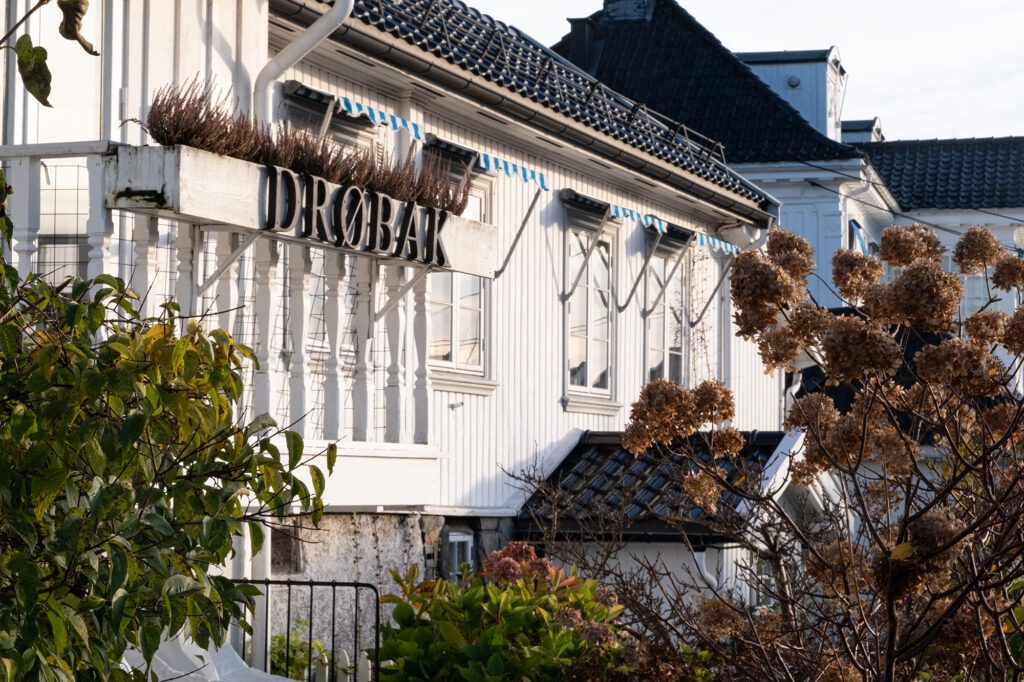
Drøbak grew in the 18th century as a winter port for Oslo, but gained its charm in the 19th century as a popular summer destination along the fjord. The town, which got its name from the many steep hills, has an interesting coastal cultural history and is one of the best-preserved wooden towns in the Oslofjord area.
Latitude: 59.4 degrees north
Population: 13,409
Frogn Municipality
Here’s an overview of some of the best things to see and do in Drøbak
Visit Eastern Norway’s only saltwater aquarium on the harbour (beneath the Tourist Information). Drøbak Akvarium may be small, but it is packed with Oslofjord sea life – various fish, shellfish, crabs and eels in floor-to-ceiling tanks.
Kids love the touch-pool and meeting “Hugo” the catfish, the resident wolffish who’s something of a local celebrity. The aquarium provides a neat educational break and is open daily (yes, including Sundays).
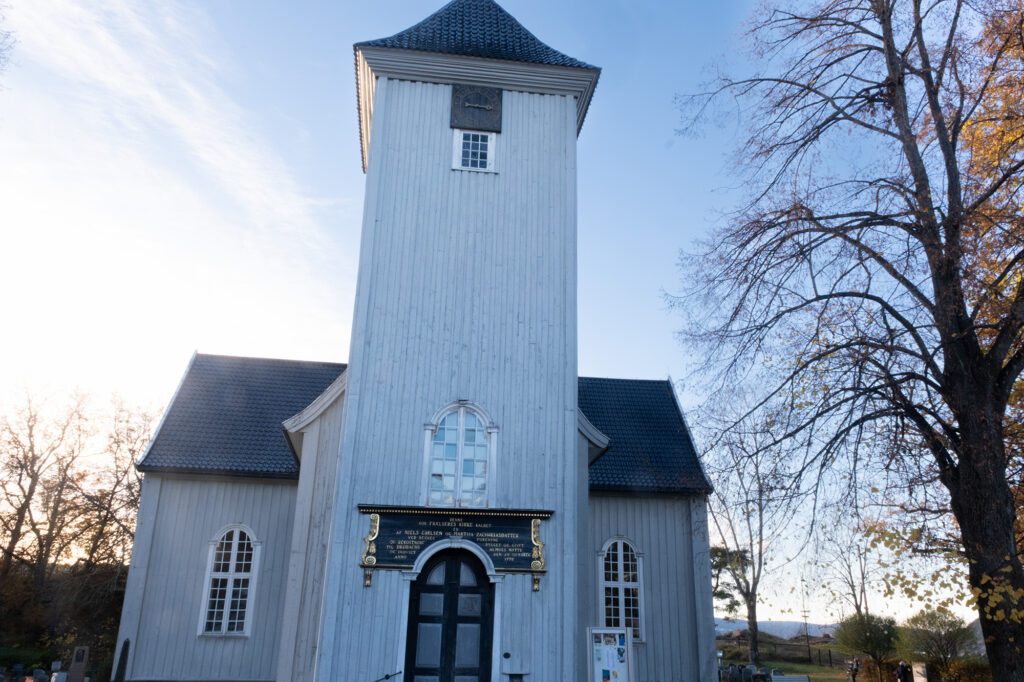
Drøbak Church is from 1776. It was a gift from the merchant, landowner and shipowner Niels Carlsen and his wife. The church was inspired by the Oslo Cathedral.
In the marina in Drøbak is a sculpture called the Three Mermaids. The sculpture was unveiled in 1999.
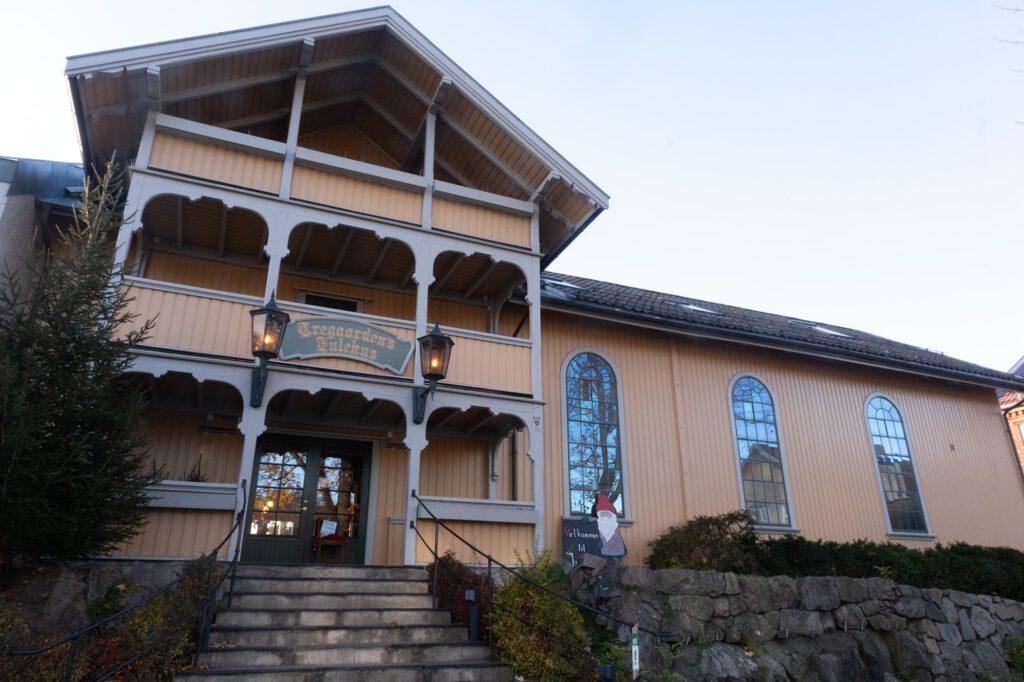
Experience Christmas all year at Drøbak’s famous Julehuset (Christmas House) on the main square – Scandinavia’s only permanent Christmas shop. This big yellow wooden house overflows with ornaments, toys and yuletide décor, much of it designed by founder Eva Johansen. Inside is Santa’s Post Office, where you can write and send letters stamped with Norway’s official Santa Claus postmark. In fact, all mail addressed to “Santa Claus, Norway” is routed to Drøbak, and over 500,000 letters have arrived here for the Norwegian Santa.
Looking to go for a hike or take part in a unique experience? Here are our recommendations!
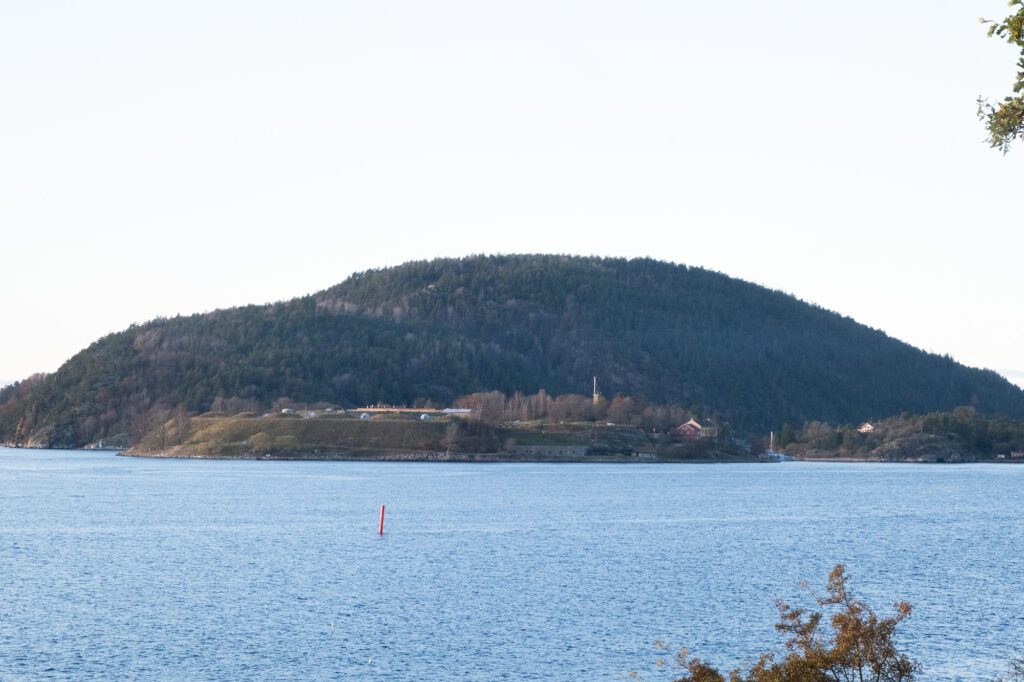
Take a short ferry across the sound to this historic island fort that famously sank the German cruiser Blücher in 1940, delaying the WWII invasion of Oslo.
Today the fortress is open to visitors as a museum and cultural venue, with massive 28 cm Krupp cannons still on display and guided tours offered daily in summer (year-round by appointment). Stroll the ramparts for stunning fjord views and learn about Norway’s coastal defences in the on-site museums (including a restored torpedo battery). In August, the courtyard even hosts the annual Oscarsborg Opera – an open-air opera performance that draws crowds to this dramatic setting
Pack your swimmers in summer, because Drøbak has some lovely spots to enjoy the fjord. Badeparken in the town centre offers a sandy beach and grassy lawn under shady trees – historically an old bathing resort, it remains one of the inner fjord’s finest swimming spots.
You’ll find diving platforms, floating docks, a beach volleyball court and a playground right by the sea. Nearby Parrstranda beach is another local favourite for sunbathing. South of town, Skiphelle beach is ideal for families (gentle shallows and picnic tables), whereas Torkilstranda gets a breeze that makes it popular with windsurfers. There are plenty of hidden coves along the coast too – little “skjær” rocky outcrops where you can find your own private perch by the water.
Even in winter, a seaside walk here is refreshing (if you dare, join the locals in a brisk “ice bath” dip followed by a sauna!).
Annual Festivals & Events: Time your visit to catch one of Drøbak’s lively festivals. In early summer, the Drøbak Festival brings popular Norwegian and international artists for outdoor concerts in Badeparken
Coastal Path to Ramme & Munch’s Hideaway: A rewarding moderate hike (≈10 km round-trip) leads south from Drøbak along the fjord and through peaceful forests. Start at Skiphellestranda beach on Drøbak’s edge and follow the marked Kyststien (coastal trail) through pine woods towards Ramme Gård – a beautiful farm estate that was once Edvard Munch’s summer residence. The trail undulates but is not too steep, offering occasional sea views and passing small ponds that were historically used for ice harvesting (locals cut ice blocks here in the 1800s to export for British gin & tonics!). Allow about 3–4 hours return. You can hike independently or join a guided walk that includes coffee and buns and even provides hammocks for a relaxing rest by the shore.
Håøya Island Trek: Hop on a summer ferry (or kayak) to Håøya, the large forested island just off Drøbak, and conquer the Oslofjord’s highest point. Håøya rises to 230 m, and a hike to the summit is a relatively challenging adventure taking 2–3 hours (the island has about 9–10 km of trails). The reward: panoramic views over the fjord and islands from the top. Along the way you’ll wander through tranquil woods and past remnants of old coastal fortifications (Håøya had gun batteries tied to Oscarsborg). In summer, Håøya Nature Cafe by the shore is a delightful pit-stop – a goat farm that sells homemade goat cheese, pastries and lemonade, perfect for a post-hike treat
Follow our road-trip guides for scenic trips around Drøbak
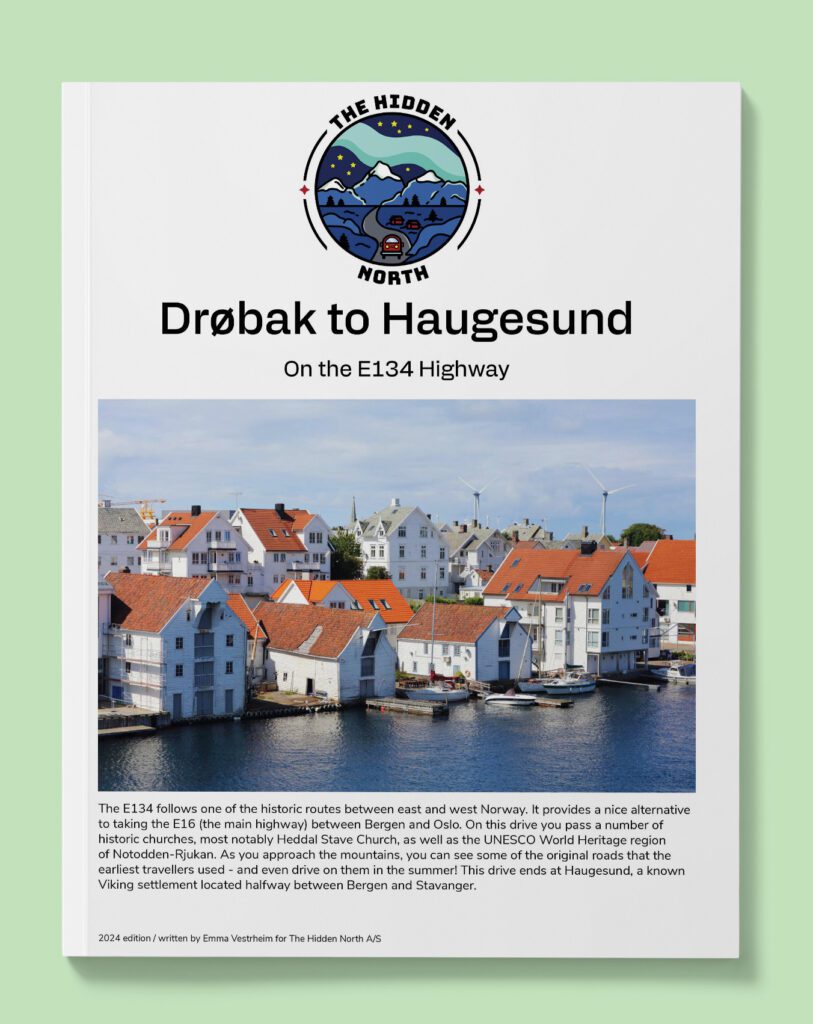
The E134 follows one of the historic routes between east and west Norway. It provides a nice alternative to taking the E16 (the main highway) between Bergen and Oslo. On this drive you pass a number of historic churches, most notably Heddal Stave Church, as well as the UNESCO World Heritage region of Notodden-Rjukan. As you approach the mountains, you can see some of the original roads that the earliest travellers used – and even drive on them in the summer! This drive ends at Haugesund, a known Viking settlement located halfway between Bergen and Stavanger.
Watch our YouTube videos featuring Drøbak
Here are some things that you must do and try in Drøbak
Most of the centre of Drøbak is under conservation laws and more or less looks as it did 100 years ago. The small wooden houses are mostly from the 1700s and were where the fishermen, sailors and tradesmen lived.
Drøbak has attracted many artists. Among these are Knut Hamsun and the poet Herman Wildenvey. Painters like Kristian Krogh, Hans Fredrik Gude and Edvard Driks have also stayed here.
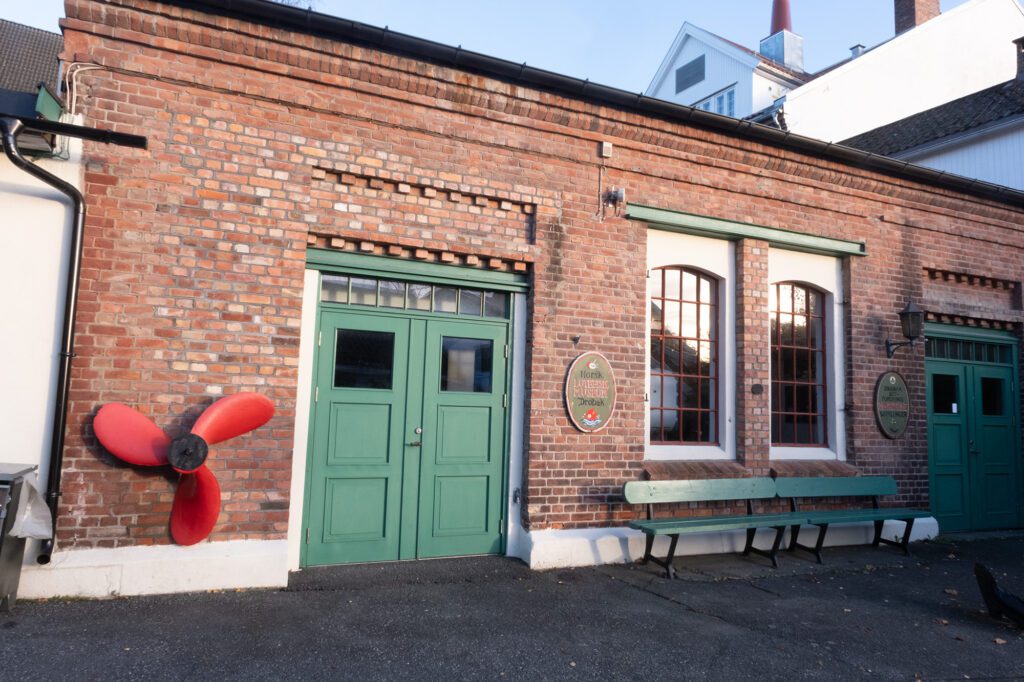
The Lutefisk Museum is the only one in the world, and it is about one fo Norway’s most special and traditional fish dishes.
Traditionally, Drøbak was the winter harbour of Oslo, since in severe winters the fjord would freeze from outside Drøbak to Oslo. The cargo would be taken into Oslo on horse drawn sledges. In the 18th century, Drøbak grew as the sail ship industry established itself here. Here the ships loaded their cargo of ice blocks and timber and returned with grain and industrial products for the Oslo area.
Drøbak is close to Oscarsborg fortress, which played a major role in the early days of World War II. The fortress is located at the narrowed point in the Osofjord and already in 1643, a stronghold was built here. At the end of the 1800s an extensive expansion took place, and in 1905 the fortress was the strongest of Norway’s military defences. This is where the German cruiser Blucher was sunk on the early morning of the 9th of April 1940. The cruiser was transporting German soldiers and bureaucrats for the planned swift occupation of Oslo, but the Battle of Drøbak Sound, resulting in the sinking by the fortress delayed this, and thus allowed the evacuation of the Norwegian royal family, parliament, and cabinet, and for the nation’s gold reserves to be denied to the occupiers. The Blucher still lies at the bottom of the sound, though the ship’s anchors have been lifted and one of them is in the Seaside Park in Drøbak besides a statue of Colonel Birger Eriksen, who was the one who ordered that the Blucher be fired on.
In the 19th century, as Oslo began to grow, Drøbak became an ideal seaside resort for the summer months. Steamboats landed the visitors in Drøbak, and they stayed in the hotels and guesthouses. Eventually, a seaside resort and spa was established near the town.
Drøbak is known as a popular summer destination for Norwegians. Life in Drøbak moves at an easy-going tempo, fitting for a seaside town. Locals often say “we’re never in a rush, especially on Sundays” – evident in the tradition of Sunday-open shops and cafés, which keeps the town buzzing when most of Norway is quiet. Residents enjoy a high quality of life, with plenty of community events, from art exhibitions to outdoor concerts in summer. In warm months, the harbour is filled with pleasure boats and the clink of glasses from waterfront patios; in winter, people gather at cosy cafés or go for brisk walks by the frost-touched fjord before warming up with cocoa at home. The crime rate is low and kids can safely roam the neighbourhood, giving Drøbak a wholesome small-town feel.
Despite its modest population, Drøbak has a vibrant community spirit. There’s a strong emphasis on arts and culture – the town supports multiple galleries and an active art society, and you’re likely to stumble on live music at the pub or an outdoor art market in summer. The local cinema (in an old wooden building) doubles as a theatre for community plays. Drøbak’s schools and sports clubs are central to family life; you’ll see kids playing football or skateboarding at the skatepark by Bølgen bath. The town is also proud of its local entrepreneurs – most businesses are family-run, from bakeries to boutiques, and there’s a push towards sustainability (e.g. shops selling recycled and eco-friendly goods as noted on Visit Greater Oslo guides).
Fly: Drøbak is located around one hours drive from Oslo Airport.
Drive: The E6 highway goes close to Drøbak between the Swedish border and Oslo. The E134 also starts near here before continuing west towards Haugesund.
Train: There are no trains in Drøbak, but express buses run between Oslo and Drøbak.
Ferry: The Express Ferry leaves from Aker Brygge in Oslo. The journey between Oslo and Drøbak takes 1,5 hours including short stops along the way.
Drøbak is a small town, and most can be reached on by foot.
Julehuset is a well-known shop in Drøbak. This is Norway´s only all-year Christmas House and the Christmas house official post office, where you can stamp your letters or cards with the official Christmas post stamp.
The town square has an active market with various stalls selling antiques and bric a brac.
Cafes & Bakeries
Det gamle bageri is in one of the oldest buildings in Drøbak – a house from the early 18th century. Galleri Café Teskje is a local favourite – part art gallery, part café – known for its homemade pastries and quaint vintage decor. Grab a cinnamon bun and enjoy the quirky art on the walls. Håndverksbakeriet (The Artisan Bakery) on Storgata offers fresh-baked bread, sandwiches and delicious skolebrød (custard buns) – perfect for a quick bite. Coffee connoisseurs should try Su Casa Coffee, a tiny specialty coffee bar with single-origin brews and friendly baristas.
Casual Eateries
Skipperstuen is a classic Norwegian restaurant with a nice view to the fjord
High End & Unique Eats
Kumlegaarden is a traditional restaurant in one of the oldest houses in Drøbak. Kumlegaarden is perhaps the most renowned – set in one of Drøbak’s oldest timber houses near the church, it specialises in traditional Norwegian dishes. The name comes from kumle (potato dumplings), and indeed their hearty Norwegian fare (like lutefisk in season, or reindeer stew) has earned them praise far and wide
Telegrafen serves authentic, homemade Spanish tapas, with a large selection of dishes to share in addition to a wine bar with a good selection of Spanish wines. The name means “the Telegraph” as the building functioned as the local telegraph station from 1915 to 1984.
Camping
Cabins & B&Bs
Chains & Mid-Range
Ramma Fjordhotell is styled in the classic Norwegian style. Here you have the chance to rent the former cabin of Edvard Munch, located right on the water. Some of the rooms are named after paintings he created in the area.
High End & Unique Properties
Oscarsborg Hotel & Spa is a high-end spa resort reminiscent of Drøbak’s history 100 years ago.
The town’s flagship hotel is the Reenskaug Hotel, a charming boutique hotel over 100 years old right in the heart of Drøbak. It’s family-run and was recently renovated – blending historical character with modern comforts. Rooms are individually decorated (no bland chain hotel feel here) and the on-site restaurant/bar The Lobby is a local hotspot. Reenskaug’s location can’t be beat – step outside and you’re on the main street near shops and the harbour. It’s considered mid-range in price (often around 1500–2000 NOK/night) and very high in character.
For a memorable upscale getaway, consider Neset Bunnefjorden, often just called NEST. This is a luxury mirror-glass cabin tucked in the woods of Nordre Frogn, about 15 minutes from Drøbak, overlooking the Bunnefjorden inlet. It’s a sleek architectural cabin where walls of glass reflect the forest – incredibly private, with its own sauna, hot tub and panoramic terrace. NEST is perfect for couples seeking romance or anyone who wants a “design meets nature” retreat (it’s popular, so book early). Back in Drøbak proper, while there are no five-star chains, you might treat yourself to the best room at Reenskaug (they have suites with fjord-view balconies).
Sunrise: 9:03am
Sunset: 3:50pm
Average Temperature: -2C (24F)
Sunrise: 7:55am
Sunset: 5:08pm
Average Temperature: -1C (24F)
Sunrise: 6:32am
Sunset: 6:20pm
Average Temperature: -1C (31F)
Sunrise: 6:00am
Sunset: 8:35pm
Average Temperature: 4C (40F)
Sunrise: 4:41am
Sunset: 9:47pm
Average Temperature: 10C (50F)
Sunrise: 3:57am
Sunset: 10:39pm
Average Temperature: 14C (57F)
Sunrise: 4:25am
Sunset: 10:20pm
Average Temperature: 16C (61F)
Sunrise: 5:34am
Sunset: 9:07pm
Average Temperature: 15C (59F)
Sunrise: 6:46am
Sunset: 7:37pm
Average Temperature: 10C (51F)
Sunrise: 7:57am
Sunset: 6:08pm
Average Temperature: 5C (41F)
Sunrise: 8:14am
Sunset: 3:49pm
Average Temperature: 0C (32F)
Sunrise: 9:11am
Sunset: 3:13pm
Average Temperature: -4C (25F)