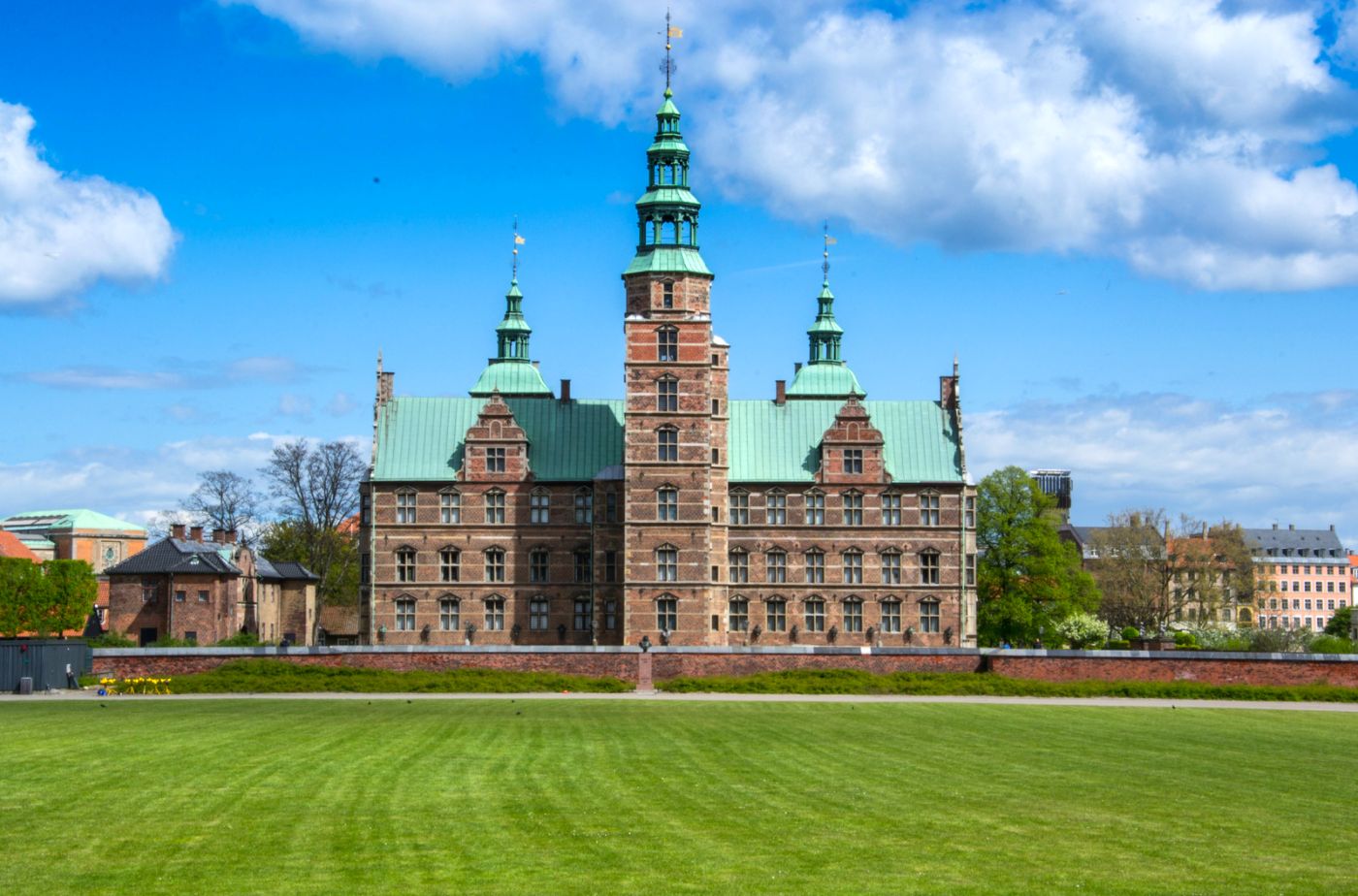
The Danish Royal Family Through History: A Tour of Denmark’s Royal Landmarks
Explore the most important Danish royal sites as we trace the history of the Danish royal family!
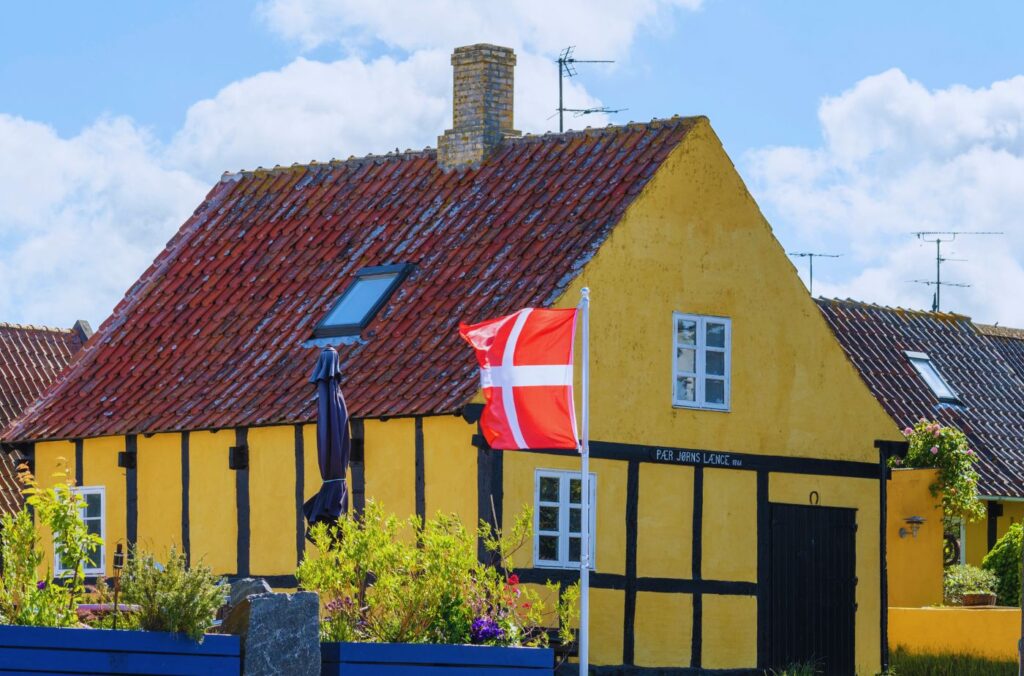
Bornholm is a small Danish island known for its incredible history.
Latitude: 55.8 degrees north
Population: 39,000
Here’s an overview of some of the best things to see and do in Bornholm
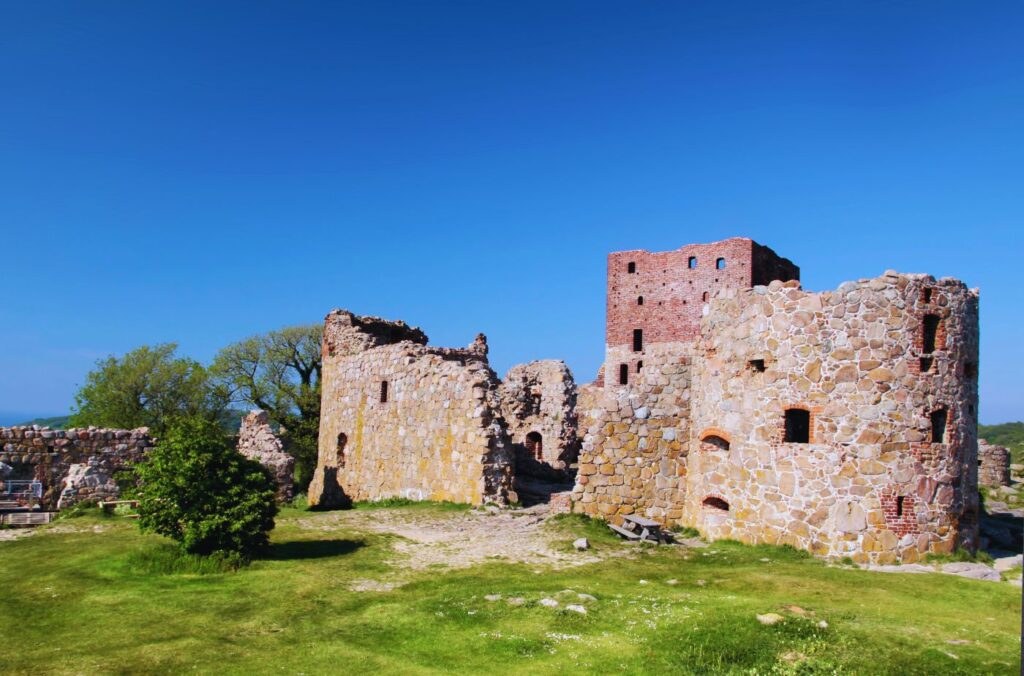
This is a a 13th-century stronghold and Northern Europe’s largest medieval fortress. Its four 12th-century round churches (Østerlars is Denmark’s largest) reflect Bornholm’s history.
Sanctuary Cliffs are a scenic, 1.7-billion-year-old rocky coastline with caves and a famed cave spider.
Looking to go for a hike or take part in a unique experience? Here are my recommendations!
Bornholm has trails for all fitness levels. Easy family walks include the Echo Valley – Rytterknægten loop (≈4 km forest trail to the high tower, relatively level) and the Dueodde Sand Dunes (flat beach stroll on soft sand)
Moderate hikes: Paradisbakkerne Yellow Route (6 km, hilly/rocky terrain with streams and viewpoints), and Rønne–Hasle Coastal Path leg (~11 km along beaches and forests).
Challenging treks: Stonemasons’ Path (Hammerknuden, ~6 km, offers sweeping views of Hammershus and Lake Hammersø.
A short but steep walk is the Ringe Hills green route (2.5 km) overlooking Vang’s old granite quarry.
Operators like Eastwind (Balka Beach) and Paddle Bornholm (Hasle) offer guided kayak and paddle-board tours of sheltered bays, suitable for novices to fit paddlers.
The Bornholms Rovfugleshow (Rønne) features four daily falconry shows. Other guided experiences include tours of the historic smokehouses, craft workshops, or sampling local produce (e.g. cheese/dairies).
Bornholm’s past is rich. It was a Viking-era centre (kingdom of Bornholm) until c.1000 AD, when it was later ruled by the bishops of Lund (Sweden).
In 1658, Bornholm was ceded to Sweden (Treaty of Roskilde), but the inhabitants revolted, and by 1660, it returned to Denmark. The imposing round churches (c.12th C) and Hammershus (13th C) stem from this period. In WWII, Bornholm was occupied by Germany; Soviet bombers targeted it in May 1945 to force a German surrender.
Historically the economy was agrarian and craft-based: dairy farming, herring fisheries, granite quarrying and fine pottery/glasswork were livelihoods. Today the island still celebrates its artisan heritage (widely known as Denmark’s craftiest island. and its cultural festivals.
Today Bornholm is a single municipality of ~40,000 people (Rønne is largest town). Life is typically Danish and community-centred, with local sports and cultural clubs in each town. The pace is relaxed – many residents enjoy outdoor living, island concerts and food festivals. Infrastructure is well-developed: Bornholm has its own hospital, good schools and nationwide telecoms. Most locals speak Danish; you’ll also see English, German and Swedish spoken, especially in summer. The economy mixes tourism (hotels, dining, recreation) with light industry (furniture, brewing) and traditional crafts. Bornholmers prides itself on sustainability – it has multiple wind turbines, local solar projects, and organic farms. Seasonal variations: summers are busy with tourists, whereas winters are quiet (some resorts close in low-season, though cafés and shops in towns remain open).
Ferries: Ferries connect Bornholm with Sweden and Denmark. The car ferry from Ystad in Sweden to Bornholm takes about 90 minutes. There are overnight ferries from Copenhagen.
Flying: 40-minute flights connect Copenhagen to Bornholm through the airline DAT. There are also direct flights from Bornhom to Aarhus, Aalbord and Billund, but they only run during summer.
Driving: Having a car is the best way to explore Åland. The ferries from Sweden and Finland have space for vehicles, making it easy to drive here. No buses are operating from Sweden and Finland to Åland.
Buses & Public Transport – Bornholm has a bus network, but keep in mind the buses don’t run frequently, so you may be doing a bit of waiting.
Bikes—Bornholm is an excellent place to go cycling!
Car – The easiest way to get around Bornholm is by car. If you have a car, then you are never more than 30 minutes from somewhere.
Towns like Gudhjem and Svaneke have galleries and craft shops selling hand-thrown pottery, amber jewellery, glass art and textiles by local makers. The House of Craft in Nexø (glass/ceramic studio by Maj-Britt Zelmer Olsen) is a noted design destination.
Gudhjem Glasrøgeri is Bornholm’s oldest glass studio and occupies a former smokehouse.
Bornholm produces unique foods: honey, cheeses, beers and spirits. Visit Høstet (Aarsdale) – an organic farm shop specialising in sea-buckthorn jams, drinks and skincare. Smokehouses (Svaneke, Gudhjem) sell fresh-smoked herring to take home. In Rønne and on farm stores, you’ll find Bornholm Gin and Rakia (fruit brandy). Village markets (e.g. Rønne harbour market on summer Saturdays) offer local cheeses, breads and meat. Every December, Nexø harbour hosts a very atmospheric Christmas Market with local foods and crafts.
Cafes & Bakeries
Quaint cafés in every town serve Danish pastries, open-faced sandwiches (smørrebrød) and coffee. Harbour cafés in Gudhjem or Svaneke often have fresh seafood (e.g. fried fish sandwich).
Casual Eateries & Pubs
Traditional smokehouses (e.g. Svaneke Røgeri, Gudhjem Røgeri) sell lunch and packed smoked herring. Casual restaurants in Rønne or Allinge include burger grills, pizzerias and family pubs. Ice-cream parlours (remember “krøllebølle” ice cream) and candy shops (try local licorice) are everywhere.
Bistro-style and gourmet-casual spots. For example, Râzapâz (Rønne) is a lively natural wine bar with creative seasonal plates. Christianshøj Kro (Aakirkeby) offers a forest-setting Nordic tasting menu in an intimate wood-cabin ambience. Local inns (badehotels) serve hearty meals (smørrebrød, game, herring) by candlelight.
High End & Gourmet
World-class dining is possible. Kadeau (Åkirkeby) is a Michelin-starred New Nordic restaurant using local produce (from its own garden). Restaurant Det Røde Pakhus (Rønne) has a Michelin Plate award. Green Solution House in Svaneke is renowned for its innovative organic cuisine. Other fine dining options include gourmet-smoked fish dinners, island lamb specialties, and fresh seafood, which are highlighted by chefs at several top eateries.
Camping & Cottages
Multiple well-equipped campgrounds (spring–autumn). Popular examples are Dueodde Strand Camping (near Dueodde Beach) and Sandkaas Camping (by Rønne). They provide tent/caravan sites and cabins, often with sea or forest views.
Guesthouses & B&Bs
Charming seaside inns and bed-and-breakfasts abound. Melsted Badehotel (Balka) is a classic renovated “bathing hotel” right on the sand. Hotel Siemsens Gaard (Allinge) is a historic merchant farmhouse turned guesthouse with a terrace restaurant. Quaint B&Bs and farm stays (some in old cottages) fill villages.
Mid-range Hotels
Modern 3-4 star hotels and spa resorts are found in Rønne, Allinge and Sandvig. For example, Griffen Spahotel near the airport offers Scandinavian-designed rooms with indoor pool. Town hotels like Bornholm Hotel or Brogården give comfort and local charm. Many hotels have on-site restaurants or partner with local cafes.
High End & Luxury
A few boutique and high-end lodgings exist. The Falcon Hotel (Åkirkeby) is a stylish boutique hotel with gourmet dining. Spa retreats and upscale resorts (often called “badehotels”) at Balka, Gudhjem or Rønne offer premium service. Some rent out self-catering cottages (pool, kitchen) for a luxury “home” experience. Many high-end places book up fast in summer, so book early.
Explore the most important Danish royal sites as we trace the history of the Danish royal family!