
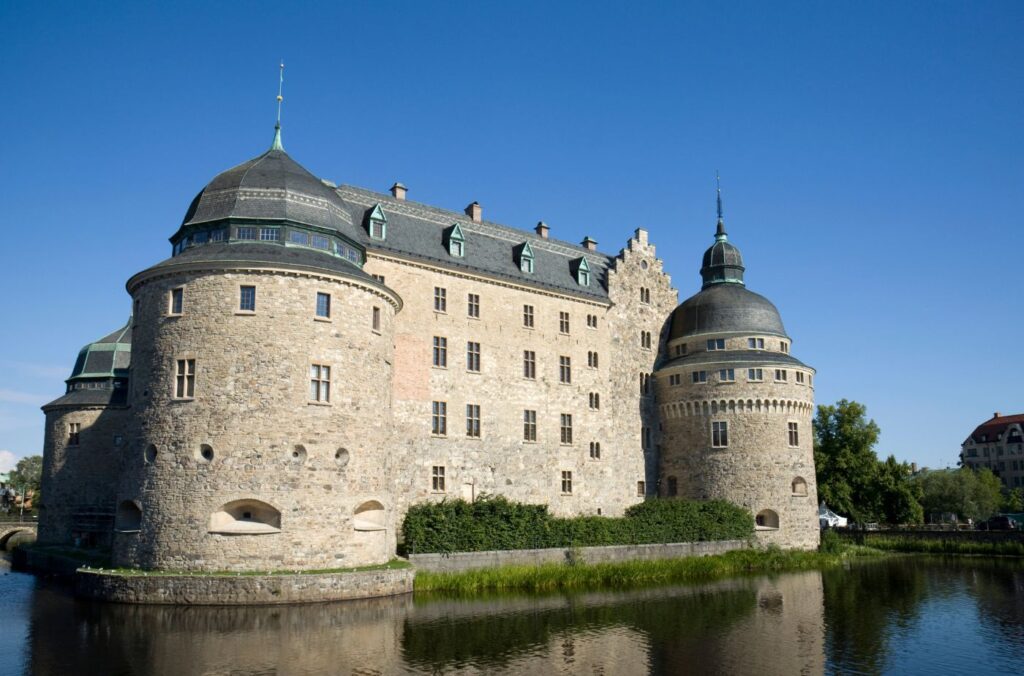
Örebro is a relaxed lakeside city in central Sweden, known for its fairytale-like castle, colourful old quarters and easy access to nature. Set around the Svartån River and close to Lake Hjälmaren, the city blends medieval history with cycling culture, green spaces and a lively café scene. Visitors can explore historic Wadköping, public art, riverside walks and nearby nature reserves without needing to travel far. With its mix of culture, history and outdoor living, Örebro makes an appealing stop between Stockholm and western Sweden.
Latitude: 59.1 degrees north
Population: 156,000
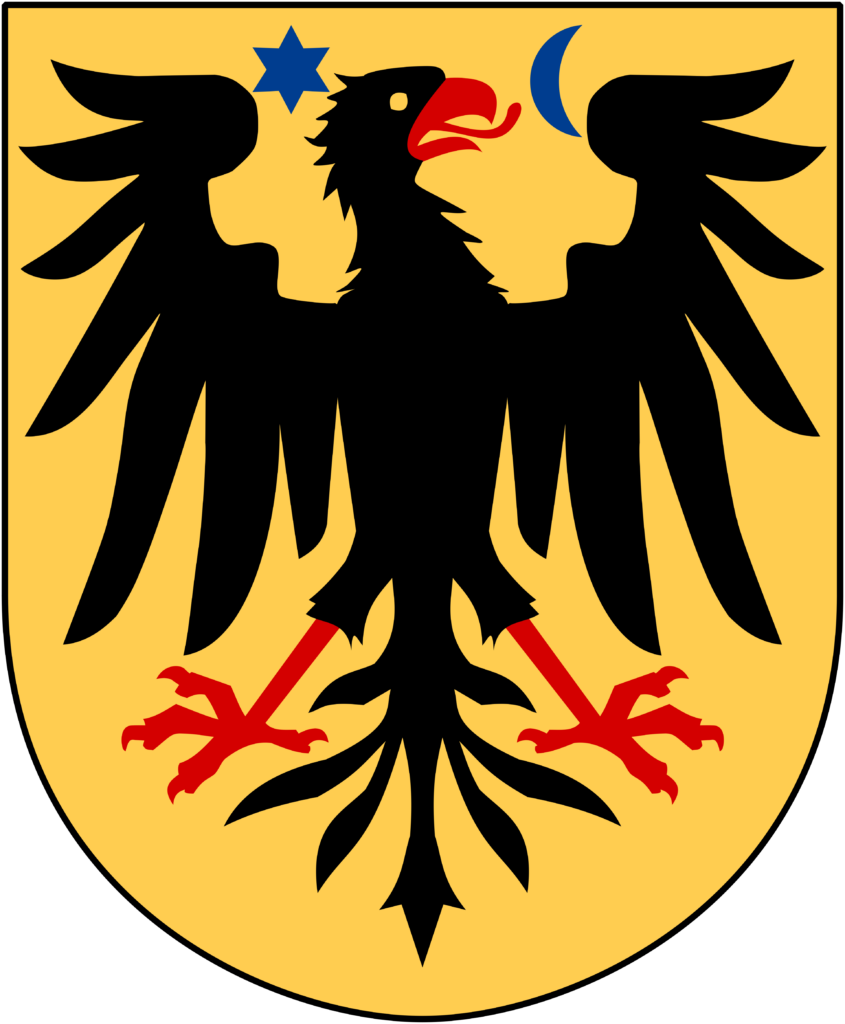
Örebro Municipality
Here’s an overview of some of the best things to see and do in Örebro
Örebro Castle is the city’s most iconic landmark, rising dramatically from an island in the Svartån River at the centre of town. Originally built during the 13th century, the castle later evolved into an impressive Renaissance fortress with towers, thick stone walls and grand halls. Visitors can explore exhibitions and guided tours focused on Swedish royal history and medieval life. Its central riverside location also makes it one of the most photographed places in Örebro.
Wadköping is a charming open-air museum and historic district filled with preserved wooden houses, artisan workshops and cobbled lanes. The area recreates life in old Örebro and offers insight into Swedish town culture from previous centuries. Small cafés, galleries and local craft shops create a peaceful but lively atmosphere throughout the year. During summer, markets and cultural events make the district especially vibrant.
Svampen, often called “The Mushroom”, is Örebro’s distinctive mushroom-shaped water tower and one of the city’s best-known modern landmarks. Visitors can take a lift to the observation deck for panoramic views across the city, nearby forests and Lake Hjälmaren. The tower also contains a café where guests can enjoy fika while overlooking the surrounding landscape. Its unusual architecture has made it an enduring symbol of the city.
OpenART is one of Scandinavia’s largest public art exhibitions and transforms Örebro into an open-air gallery every second year. International artists create installations placed throughout streets, parks and waterways across the city. The event combines contemporary creativity with Örebro’s historic architecture and public spaces. Even outside festival years, art and culture remain highly visible throughout the city centre.
Looking to go for a hike or take part in a unique experience? Here are my recommendations!
Lake Hjälmaren, Sweden’s fourth-largest lake, lies directly beside Örebro and offers beaches, kayaking, cycling and boat excursions throughout the warmer months. Visitors can enjoy peaceful lakeside trails, birdwatching and scenic picnic spots only a short distance from the city centre. Small marinas and nearby islands provide opportunities for relaxed day trips on the water. Summer sunsets across the lake are especially beautiful.
Tysslingen is one of Sweden’s most famous bird lakes and attracts thousands of migrating swans every spring. Observation towers and walking paths allow visitors to experience wetlands, wildlife and peaceful countryside scenery close to Örebro. The reserve is particularly popular with photographers and nature enthusiasts during migration season. The annual return of the swans creates one of central Sweden’s most impressive natural spectacles.
This large nature reserve near the city centre combines wetlands, forests and lakeside walking trails rich in birdlife and outdoor recreation opportunities. Visitors can walk or cycle along wooden boardwalks and scenic paths while enjoying surprisingly peaceful nature close to the urban area. The reserve is popular for jogging, picnics and wildlife observation throughout the year. It offers an excellent contrast to the city’s historic centre and cultural attractions.
Örebro is one of Sweden’s oldest cities and has developed as an important trading and transport hub due to its strategic location between Stockholm and western Sweden. The city’s name originates from the gravel banks crossing the Svartån River, where early roads and trade routes converged. By the 13th century, Örebro had become an established commercial centre, and the construction of Örebro Castle strengthened its political and military importance. Throughout Swedish history, the city hosted important political meetings and royal events. One of the most significant took place in 1810, when Jean Bernadotte was elected heir to the Swedish throne and later became King Charles XIV John. Fires during the 19th century destroyed large parts of the old town, leading to extensive rebuilding and the broad streets seen today. g the industrial era, Örebro became known for shoe manufacturing and trade, while modern development gradually transformed the city into a regional educational and cultural centre. Today, traces of medieval, industrial and contemporary Sweden coexist throughout the city.
Modern Örebro combines historic architecture with a youthful and creative atmosphere shaped by its university, cultural scene and outdoor lifestyle. The city is known for its relaxed pace compared with Stockholm or Gothenburg, while still offering excellent restaurants, shopping and cultural activities. Students and young professionals contribute to lively cafés, bars and events throughout the year. Hiking and outdoor recreation are central to daily life, with parks, lakes and nature reserves located close to the city centre. Residents enjoy easy access to forests, bird reserves and lakeside walking routes without leaving the urban area. Sustainability, pedestrian-friendly design and green public spaces are also important parts of the city’s identity.
In recent years, Örebro has developed a stronger reputation for gastronomy, contemporary culture and public art. Festivals, exhibitions and riverside social spaces continue to shape the city’s growing popularity among Swedish and international travellers.
Fly: Örebro Airport offers limited regional and international flights, while Stockholm Arlanda Airport is easily connected by train and road transport.s.
Drive: Örebro lies along the E18 and E20 highways, making it easily accessible by car from Stockholm, Gothenburg and Oslo. The surrounding countryside and lake landscapes make road travel especially scenic.
Train: Örebro is one of Sweden’s major railway hubs with frequent direct trains connecting Stockholm, Gothenburg and other Swedish cities. Rail travel is one of the easiest ways to reach the city.
Örebro is highly walkable and exceptionally bicycle-friendly, with extensive cycling paths throughout the city. Public buses connect neighbourhoods and nearby towns efficiently, while rental bikes are widely available. Most central attractions can easily be reached on foot within the compact city centre. Cycling is often the best way to explore both urban areas and nearby nature reserves.
Cafes & Bakeries
Vasa Konditori – traditional Swedish café known for pastries, cakes and classic fika culture in central Örebro.
Restaurants
High End & Unique Eats
Kitchenette – fine dining restaurant offering innovative tasting menus and one of Örebro’s most refined culinary experiences.
Camping & Hostels
Cabins & B&Bs
Chains & Mid-Range
High End & Unique Properties