Barentsburg Travel Guide: Visiting Svalbard’s Remote Russian Mining Town
As if Longyearbyen wasn’t remote enough, there’s Barentsburg! This isolated mining settlement is home to around 400 people, and getting there is not easy at all. It has always been a bucket list item of mine, and thankfully in March 2026 I was able to get there. It’s a surreal place – especially considering current world events – but I absolutely loved it and want to share with you how to do it, and what exactly there is to see in Barentsburg.
Here’s my detailed guide to the settlement, how to get there, and any practical information you may need.
In this article...
What is Barentsburg?
In short, Barentsburg is a Russian mining town on the Norwegian archipelago Svalbard, and it’s the closest one to Longyearbyen. It’s actually the second-largest settlement on the archipelago, and is the only active coal mining town left. Despite its small population, it feels like a place frozen in time – a living remnant of the Soviet era sitting deep within the Arctic wilderness.
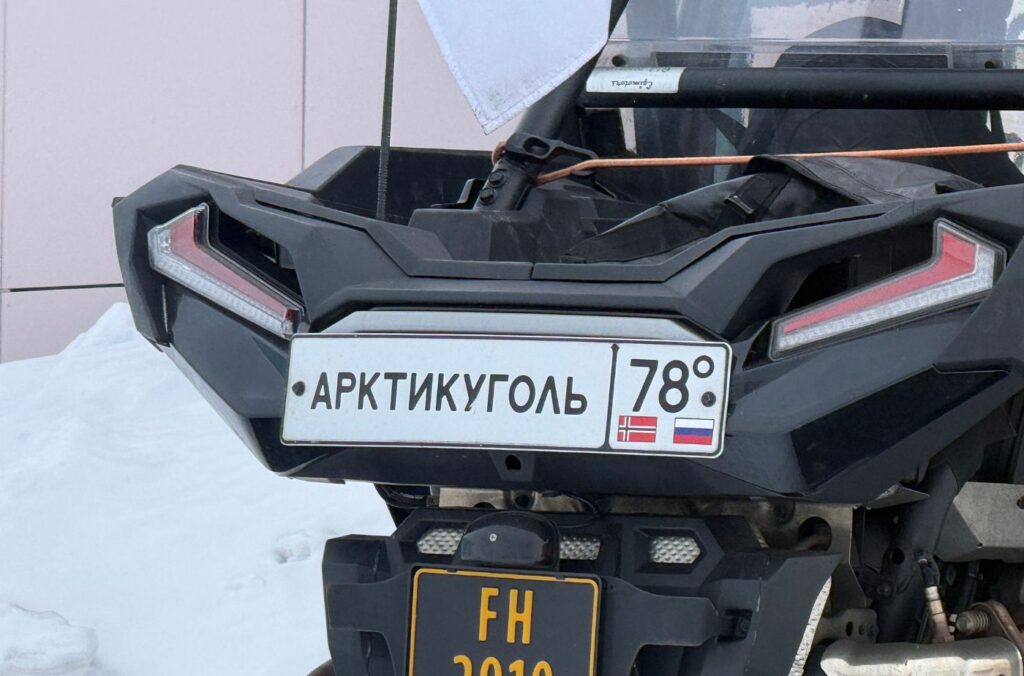
The Russians opened a mine in the area in 1916, but sold it to a Dutch company, the Dutch Spitsbergen Company, in 1920. The Dutch renamed the settlement to Barentsburg, after Willem Barentsz, a Dutch explorer. In 1932, the Dutch Spitsbergen Company sold the mine and settlement to the Soviet state-owned mining company, Arktikugol. They have owned the mine ever since, and the coal is usually exported to buyers in Northern Europe.
During World War II, the Nazis set the whole settlement on fire and largely destroyed the town, but it was rebuilt after the war. In the 1970s and 1980s, there was an expansion of the town, developing ‘company town’ welfare infrastructure, with an emphasis on culture and sport in the Soviet period. At its peak, about 1,000 people lived here. After the breakup of the Soviet Union, Barentsburg’s economy has been in steady decline.
Russia is maintaining its presence on Svalbard and has invested considerably in Barentsburg and Pyramiden. The settlement relies entirely on mainland Russia for food and supplies, and there have been instances where not enough food was sent. Tourism is now a main provider for generating income in the town, as the town has largely retained its Soviet appearance, which, for visitors, is exactly part of the appeal. Walking through Barentsburg feels a bit like stepping into a different country and a different decade all at once.
How Can Russia Be Here?
It’s important to note that Barentsburg is on Norwegian land and follows Norwegian law. Svalbard is governed under Norwegian sovereignty, but the Svalbard Treaty grants nationals of signatory states broad rights of access and non-discriminatory economic activity, within the limits of Norwegian law. This legal context enables non-Norwegian mining communities to exist on the archipelago.
It may seem a bit confusing, but basically you are visiting a Russian-operated community under Norwegian jurisdiction – which is part of what makes the experience so unique and unusual.
Booking a Trip
After Russia’s invasion of Ukraine, the Svalbard tourism industry removed products connected to Russian state-owned companies in Svalbard from VisitSvalbard’s platforms. This affects discoverability; you need to book a trip directly through operators, rather than VisitSvalbard’s website.
This adds a bit of extra planning, but it also makes the journey feel even more off-the-beaten-path – you’re not just booking a standard tour, you’re actively seeking out one of the Arctic’s most unusual destinations.
One of the only companies currently visiting Barentsburg is GoArctica, and that’s who I booked through.
Getting to Barentsburg
In order to get here, you need to fly into Longyearbyen Airport. While a visa is not needed for Svalbard, you do need a Schengen visa in order to transit through Norway. You are also required to show passports in Svalbard, but you don’t get a stamp. Russians living in the settlement can only arrive by ship from Russia.
There are no roads to Barentsburg, so the two options are snowmobile or boat. Boat trips are available from early spring into November, while snowmobile access is typically from mid-February to early May, depending on the weather.
GoArctica operates both summer and winter tours. In summer, you can choose between an open boat (zodiac) or a covered boat.
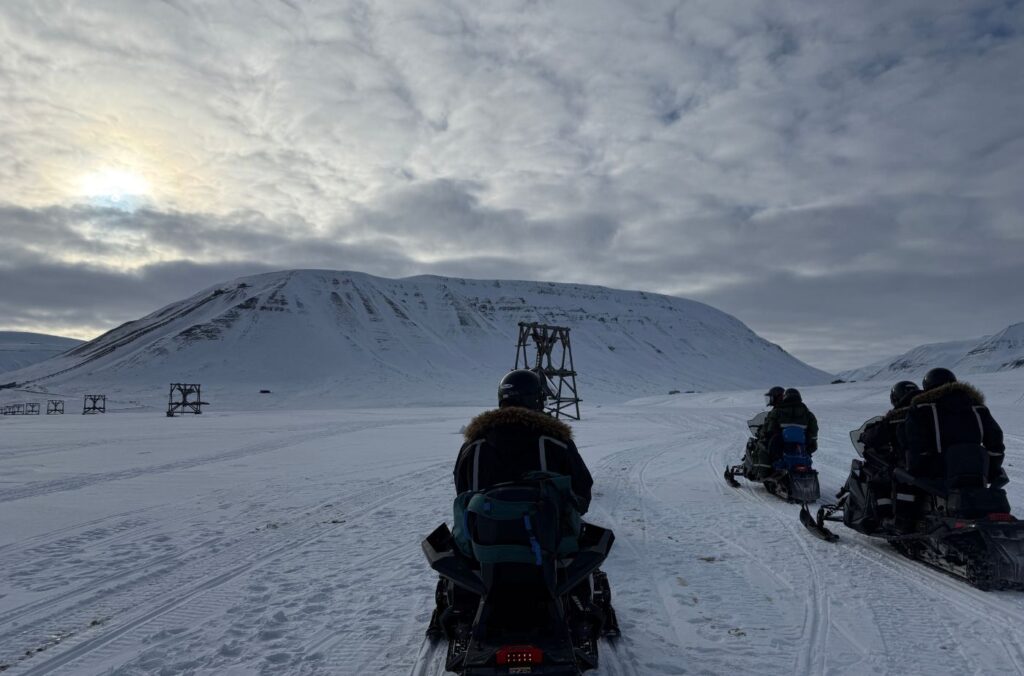
In winter, it is a day trip from Longyearbyen by snowmobile – approximately 3.5 hours out and 2.5 hours back.
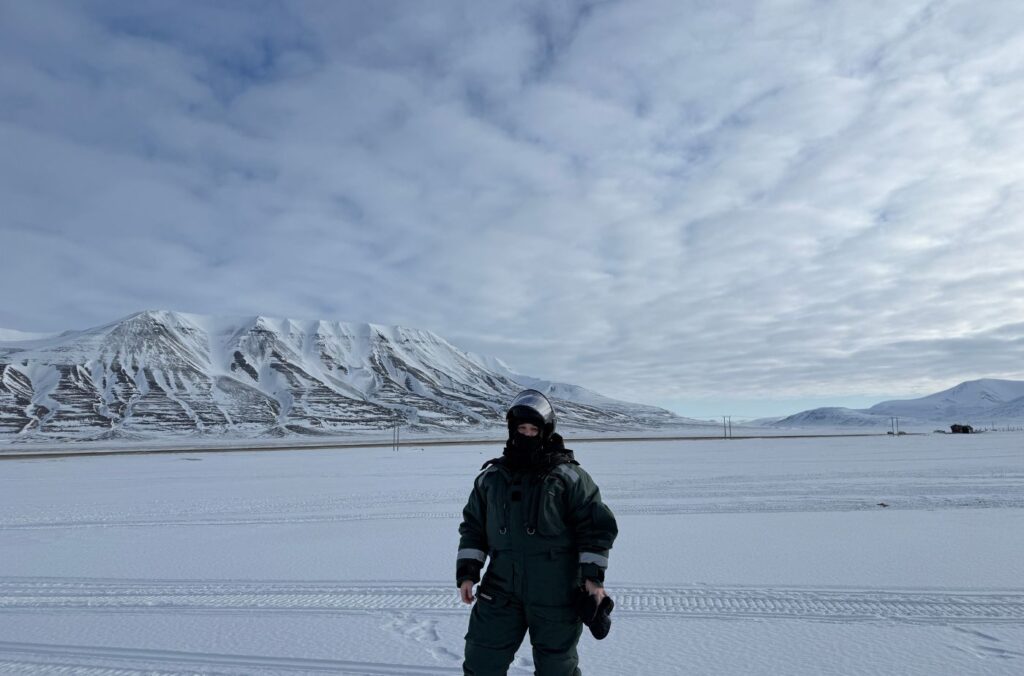
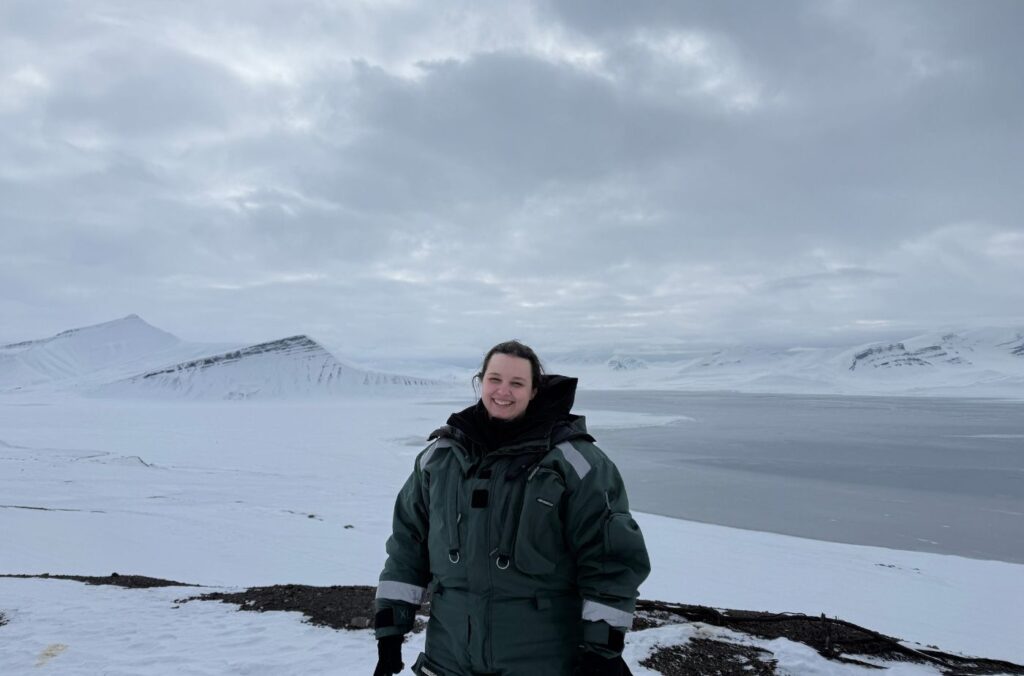
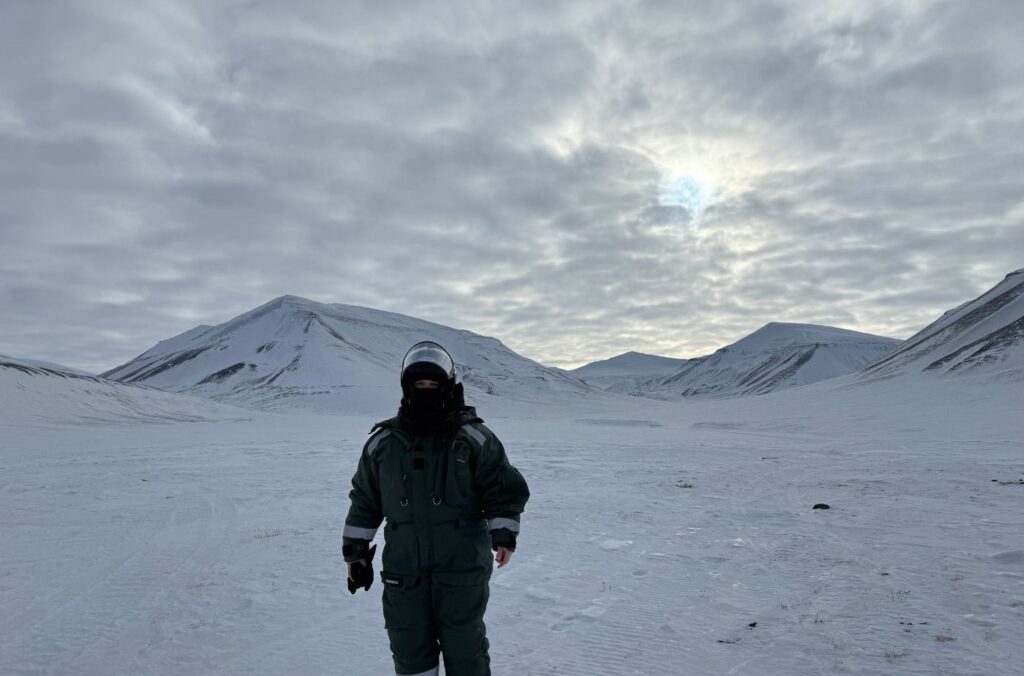
I got there by snowmobile. The tour company provides you with all the necessary clothing; everything I’m wearing in that picture is from them. Underneath I had thermal layers, a wool sweater, and my puffer jacket. The temperature was around -10c, and I was melting! I ended up taking off my puffer jacket. They also provide you with balaclavas and gloves.
The journey is very, very bumpy and hilly. It’s definitely not for everyone! But it’s also part of the adventure – crossing vast frozen landscapes, weaving between valleys, and feeling completely isolated in the Arctic wilderness.
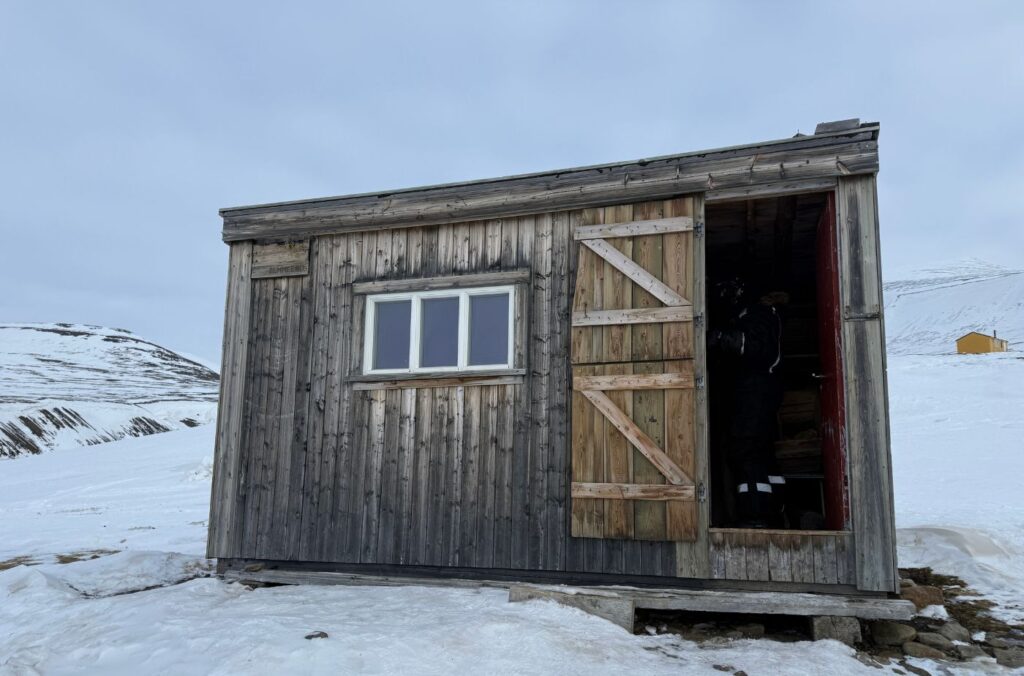
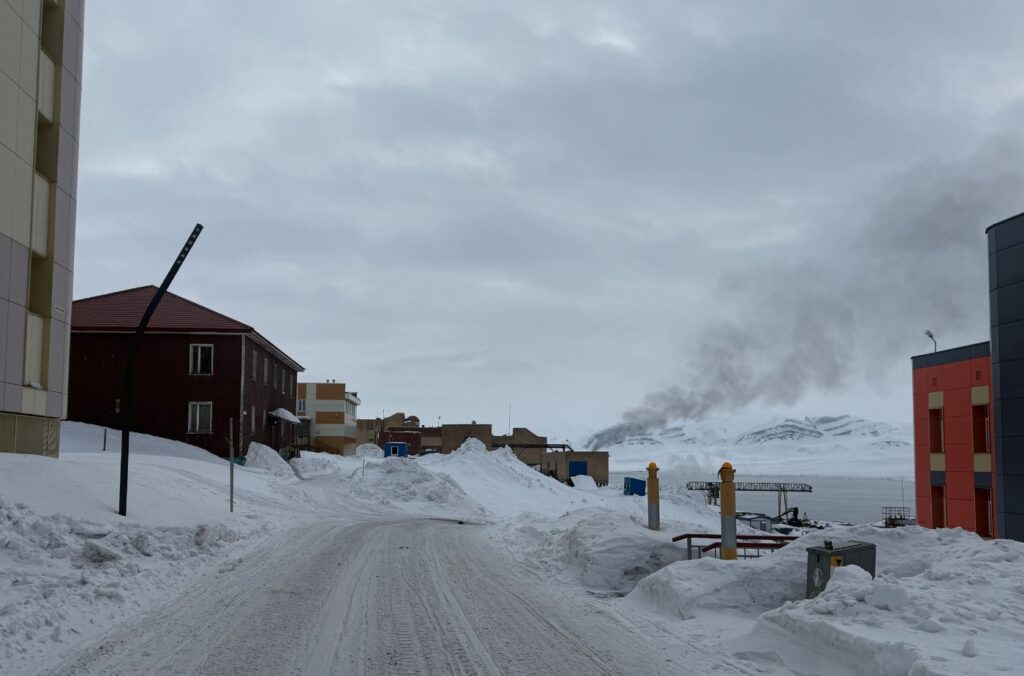
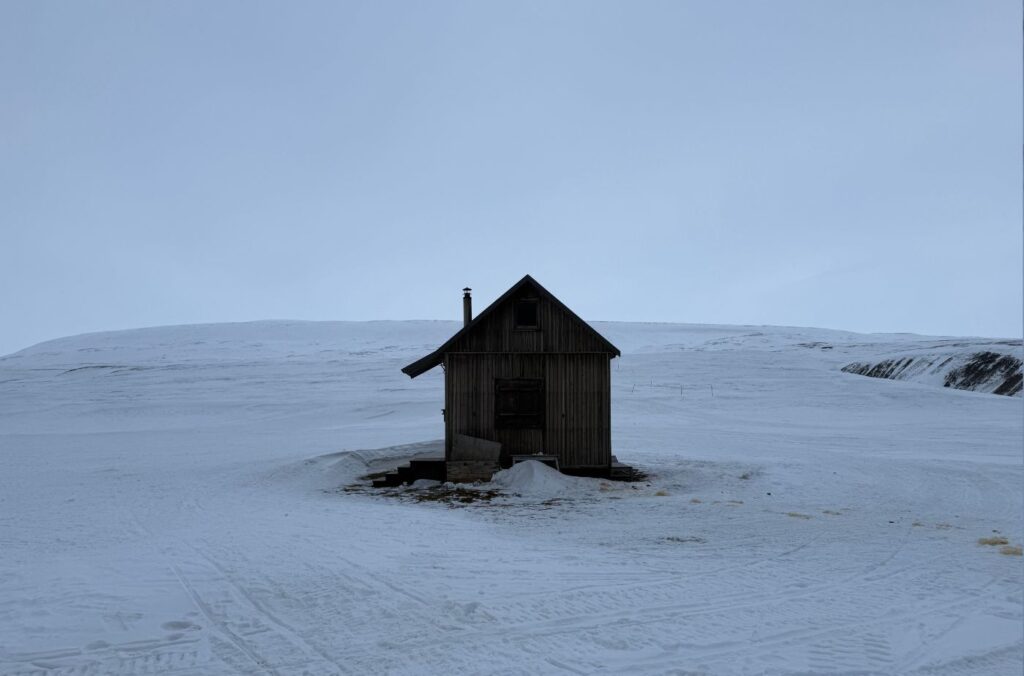
We stopped a few times for photos – thank goodness! – and visited some trappers’ cabins. We typically drove between 30 and 50km/h. As you enter Barentsburg, you pass a street sign in Russian and then immediately see the mine and all the smog it’s producing. It’s quite a striking first impression, and a reminder that this is still very much a working industrial town.
Guided Tour in Barentsburg
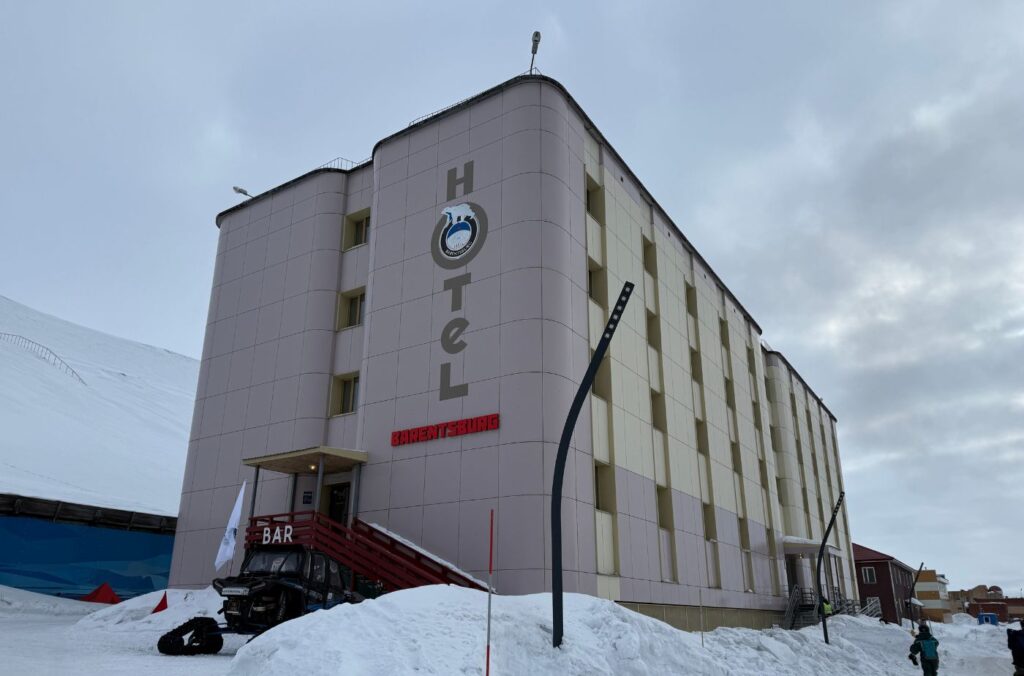
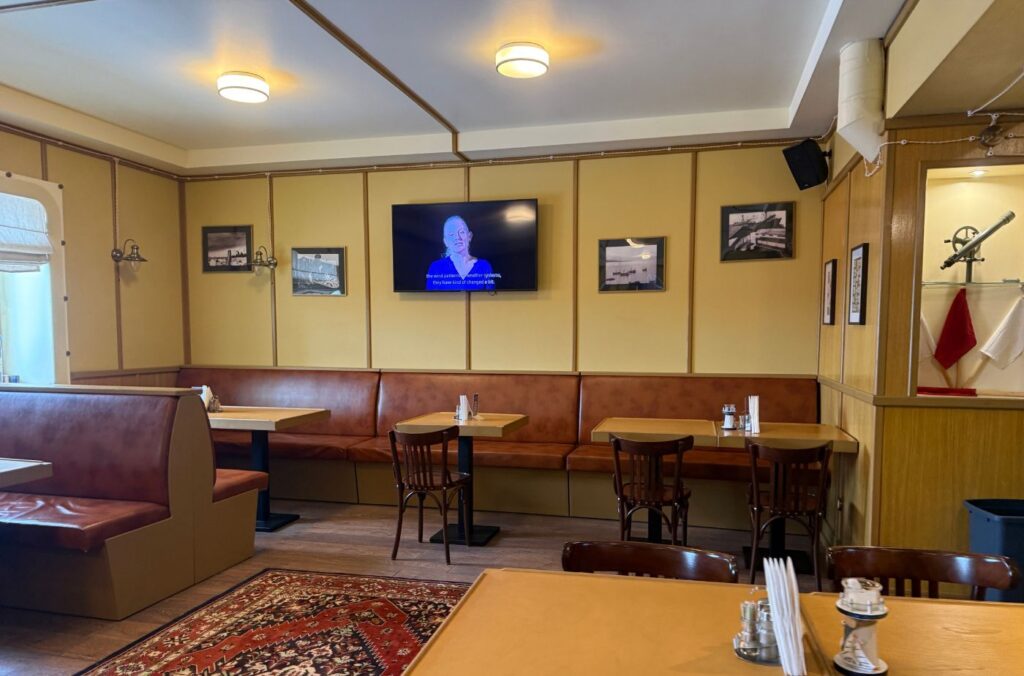
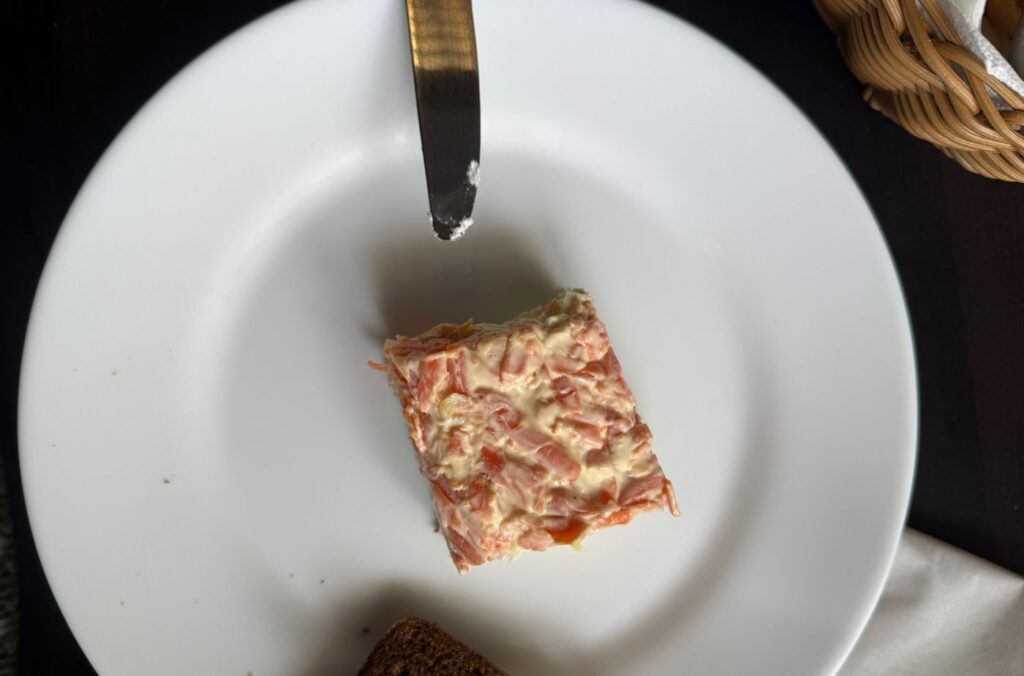
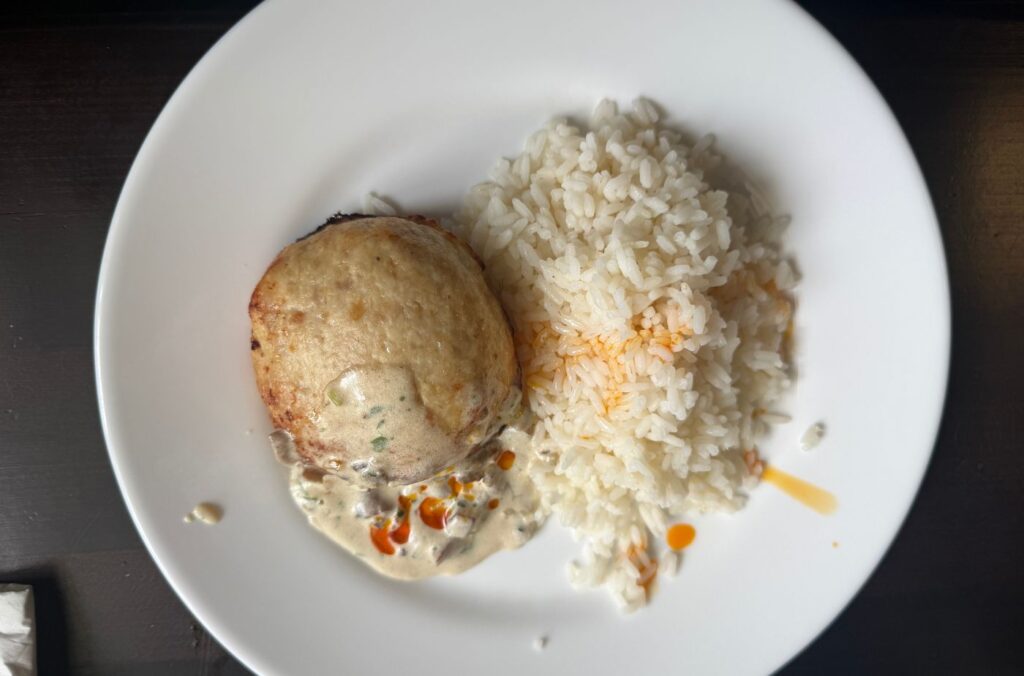
Once in Barentsburg, you park your snowmobile in the parking lot and head to the hotel, where you have a four-course meal based on Soviet and Russian traditions. This is included in the price of the trip.
The food was okay; it’s important to remember that it’s all imported frozen once a month, so it’s not going to be the most amazing meal you’ve ever had. Still, it’s part of the experience, and there’s something quite special about sitting down to a hot meal in such a remote place. The service is super fast (it helps if we are the only people there!) and we probably had all four courses within 45 minutes.
After lunch, a local guide meets you at the hotel and you head off on a walking tour, which lasts for approximately 90 minutes. Our guide was incredible – knowledgeable, enthusiastic, and clearly fascinated by Barentsburg herself, which made the whole experience even more engaging.
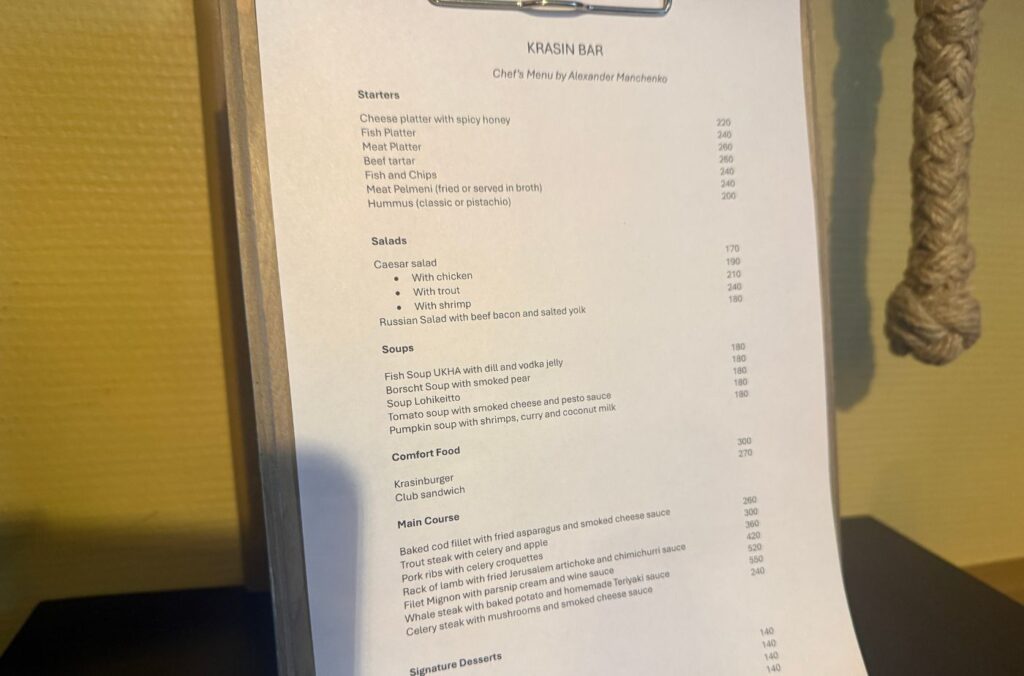
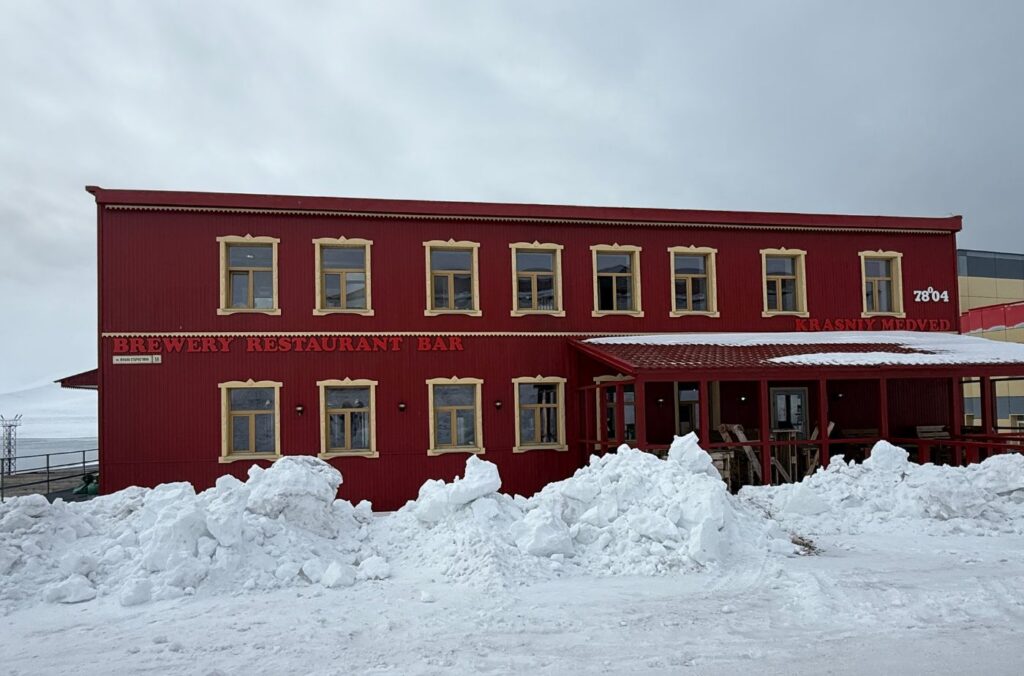
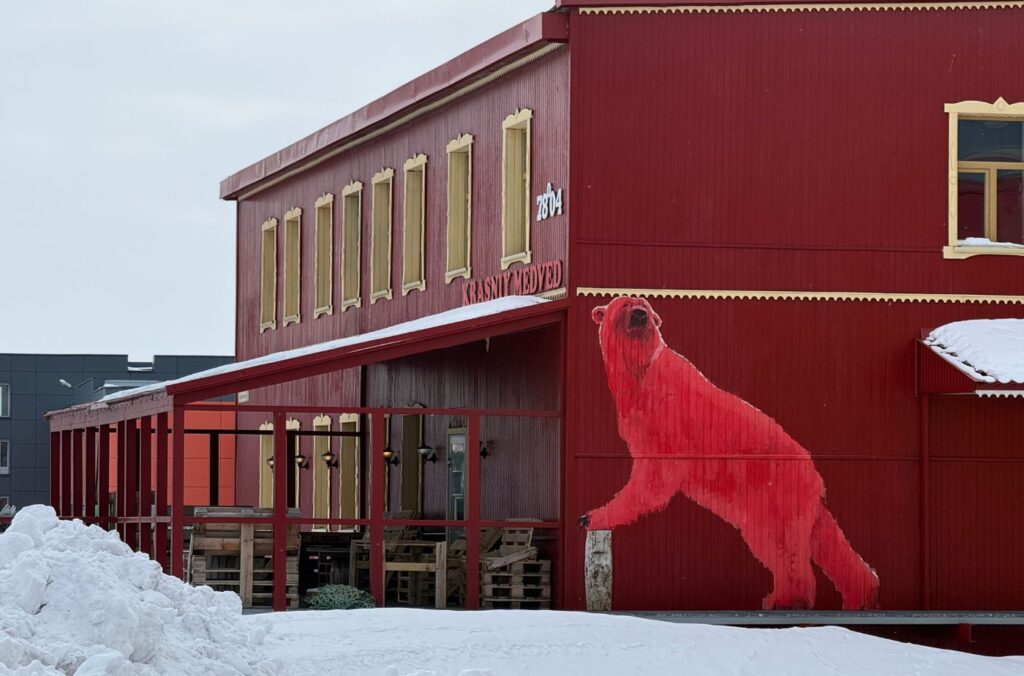
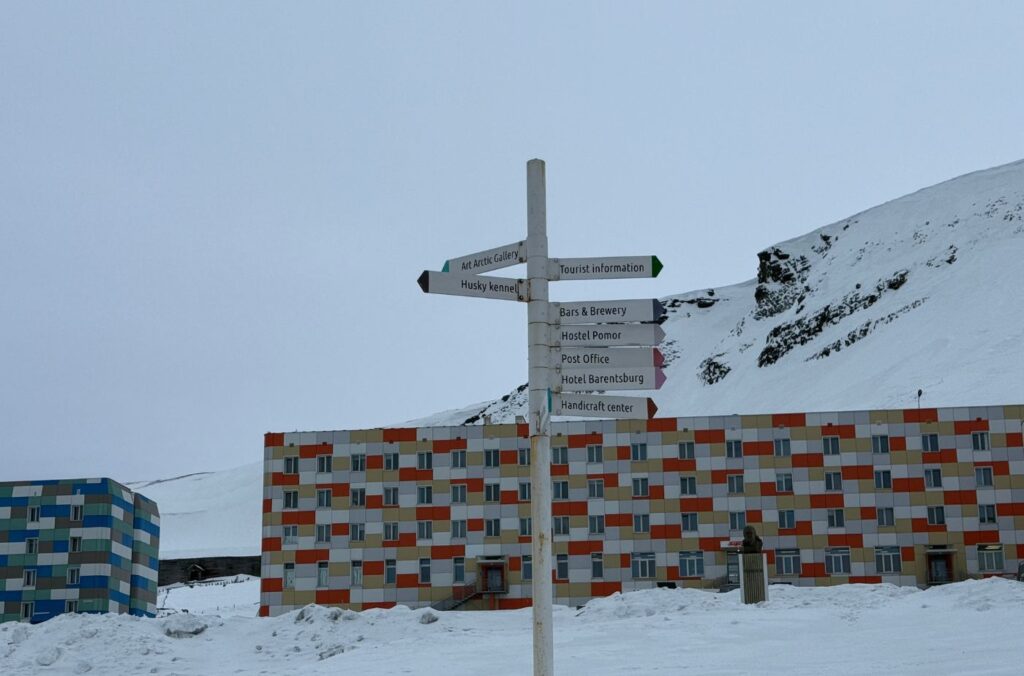
One of the first buildings you pass is the Red Bear Bar – named after the Red Tent in which survivors of the airship Italia took shelter after it crashed into the ice pack on the 25th of May 1928, until they were rescued by the Soviet ice breaker Krasin on the 12th of July. The bar opened in 2012 and is also a brewery. After checking the website, I see they have a whole menu with starters, burgers, ribs, and classic pub food. They are also famous for their 78–degree latitude. According to Soviet Arctic tradition, polar explorers and sailors used 96% strength alcohol to lift their spirits, diluting it to vodka 40 or, in the Arctic, matching the latitude of Barentsburg with 78. Long story short – it’s a very strong shot!
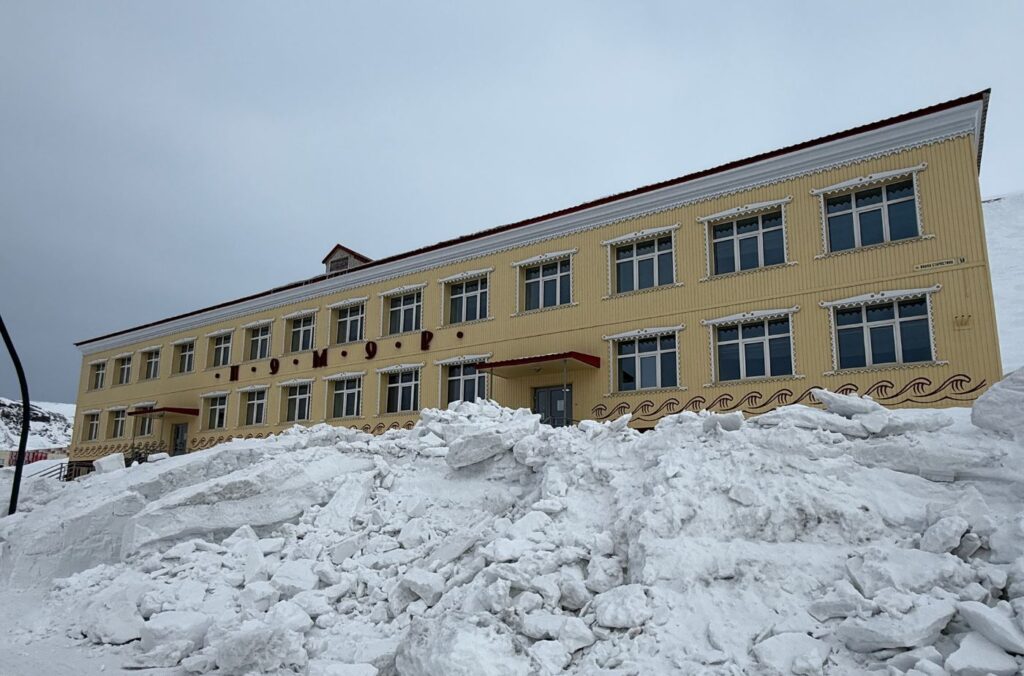
After the bar, we pass the hostel, which looked completely snowed in but had some beautiful artwork on the side – a reminder that even here, creativity thrives.
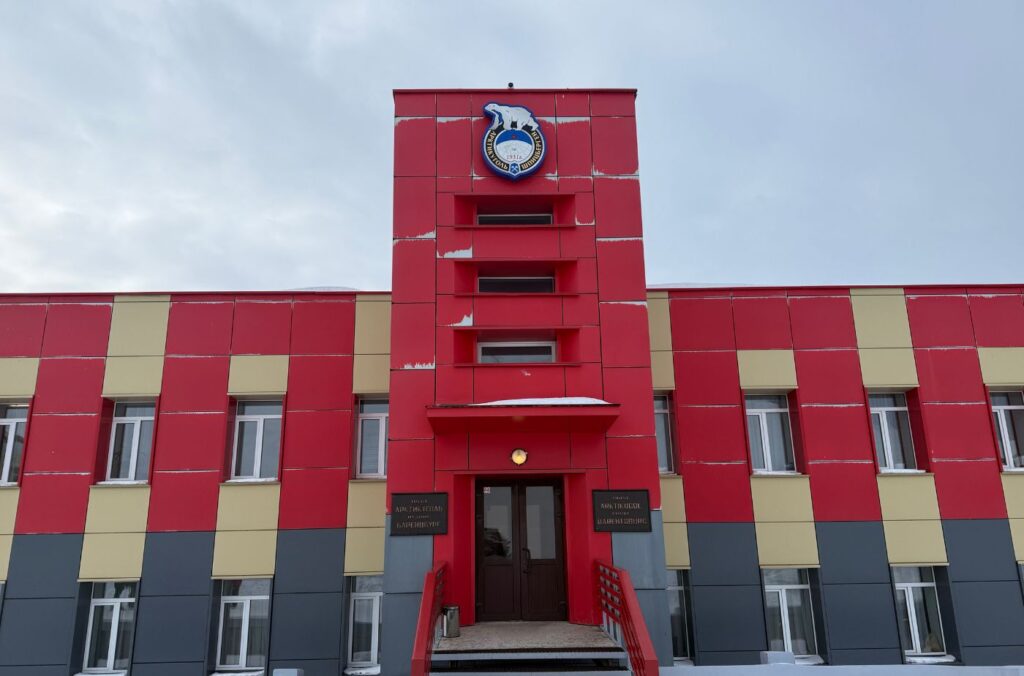
The next building is the main mining company headquarters. This is where the miners begin their daily journey underground – a commute that can take up to 90 minutes each way. It’s a stark contrast to the tourist experience and a glimpse into daily life here.
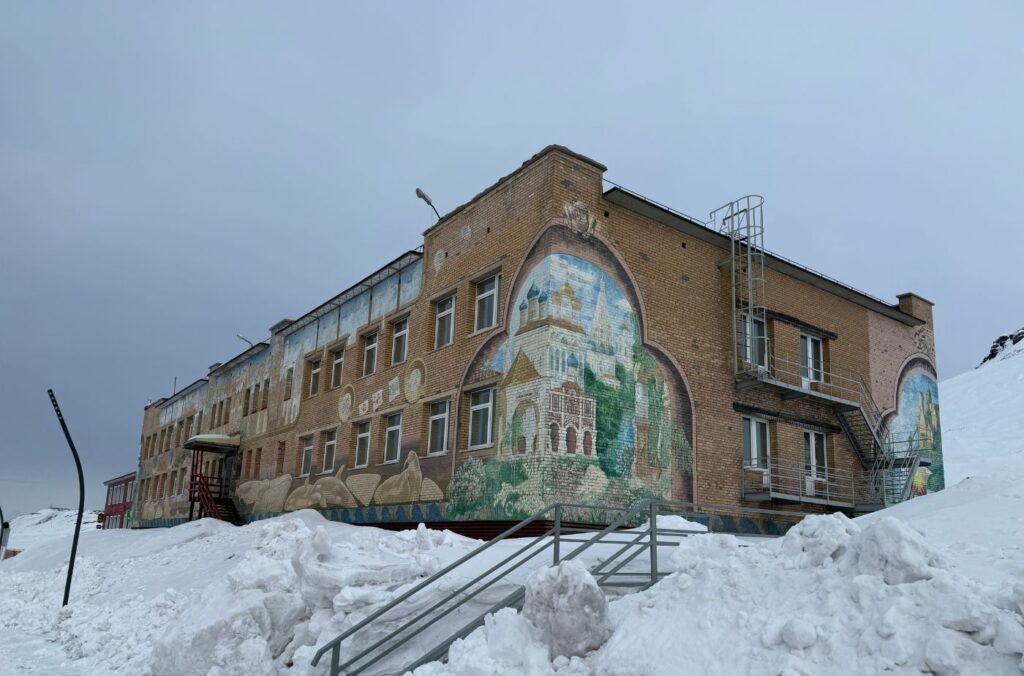
Next up is the school. I’m not quite sure if it’s still operational – we didn’t see any kids during our visit – but the murals are beautiful and recently restored, adding colour to the otherwise grey Arctic surroundings.
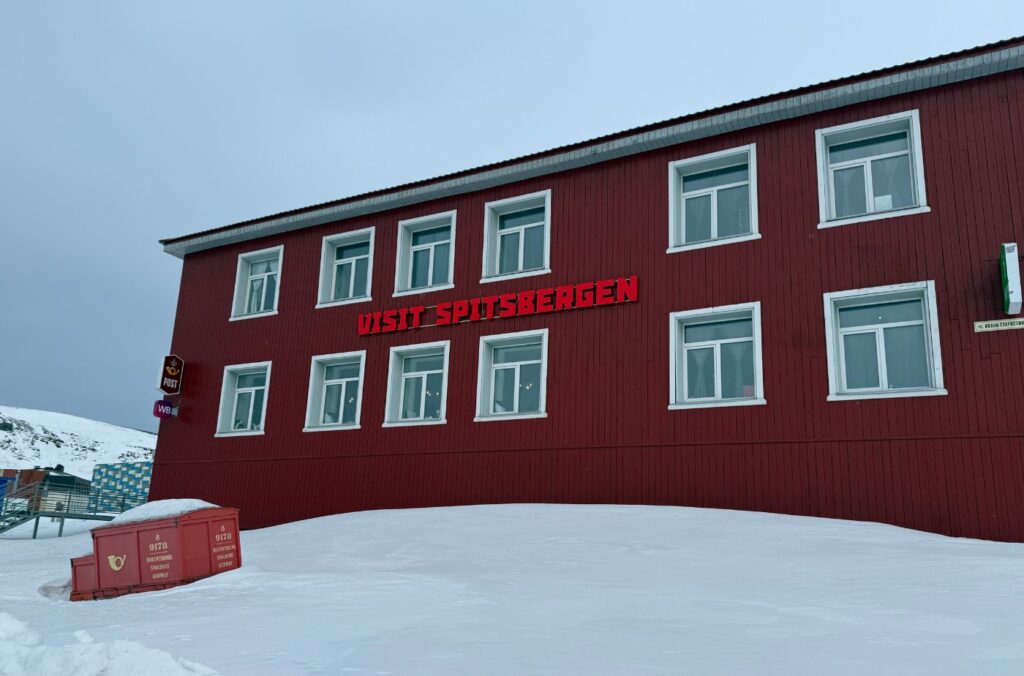
The post office is another highlight. It’s still functional and run by Norway’s postal service, and you can send postcards from one of the most remote settlements on Earth. The souvenir selection is limited but unique, especially the handmade crafts.
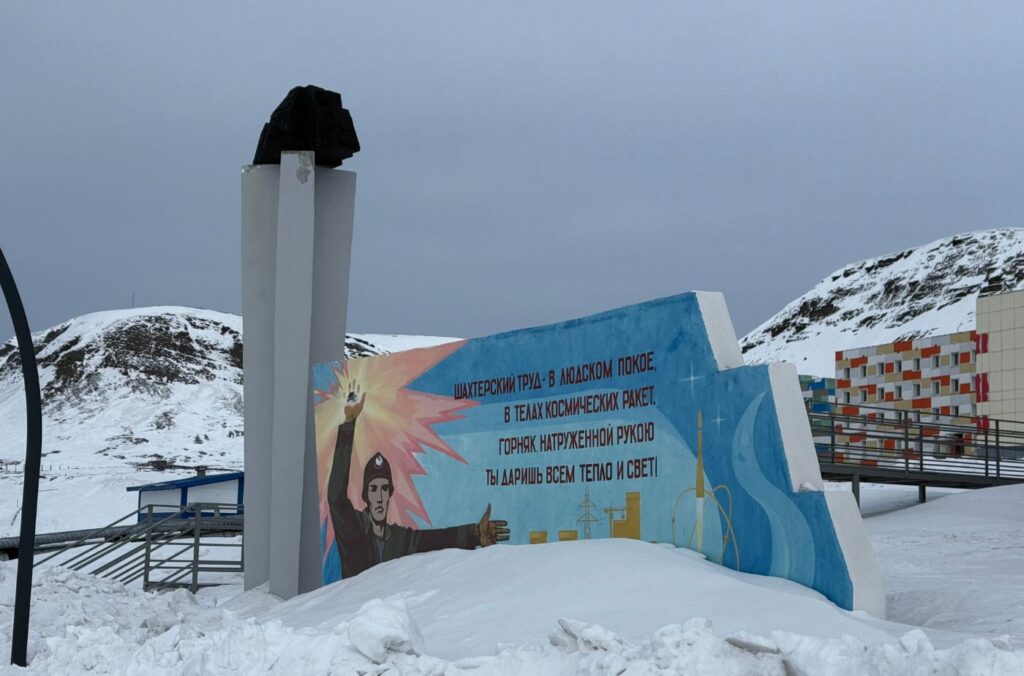
There’s also a Soviet sign outside the post office, with the following text:
“The miner’s labour flows through humanity,
In the bodies of cosmic rockets.
Miner, with your hard-working hands,
You give warmth and light to everyone!”
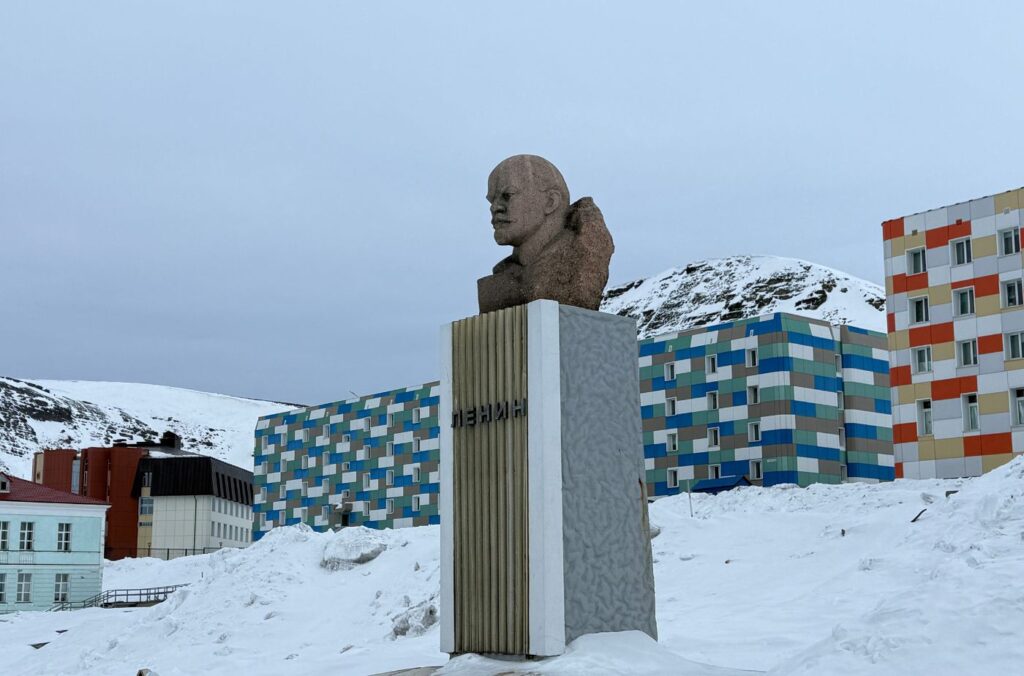
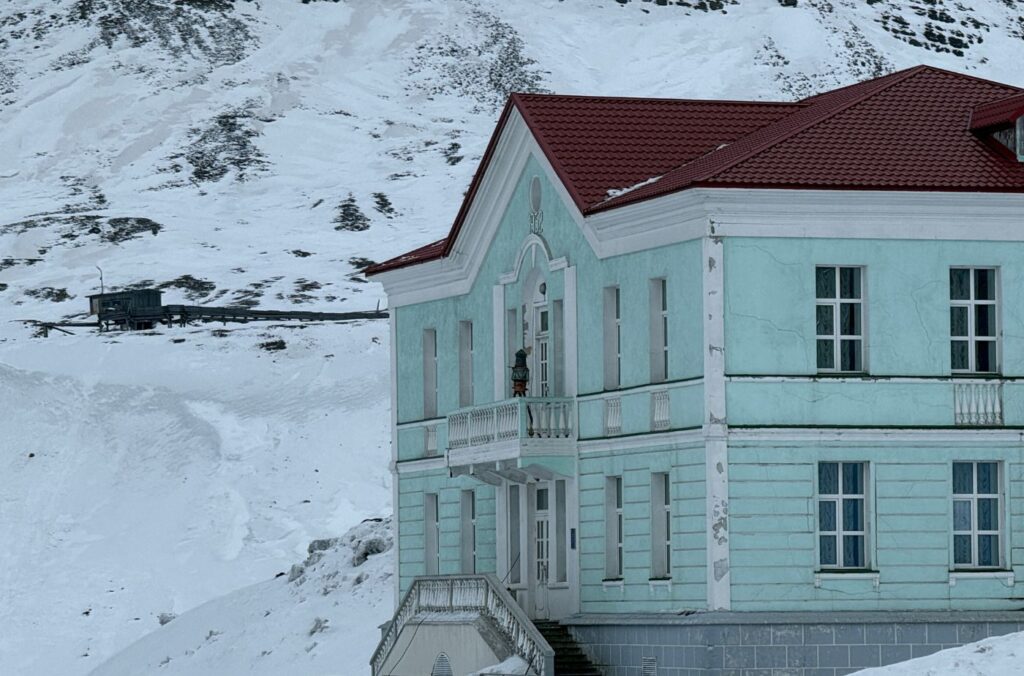
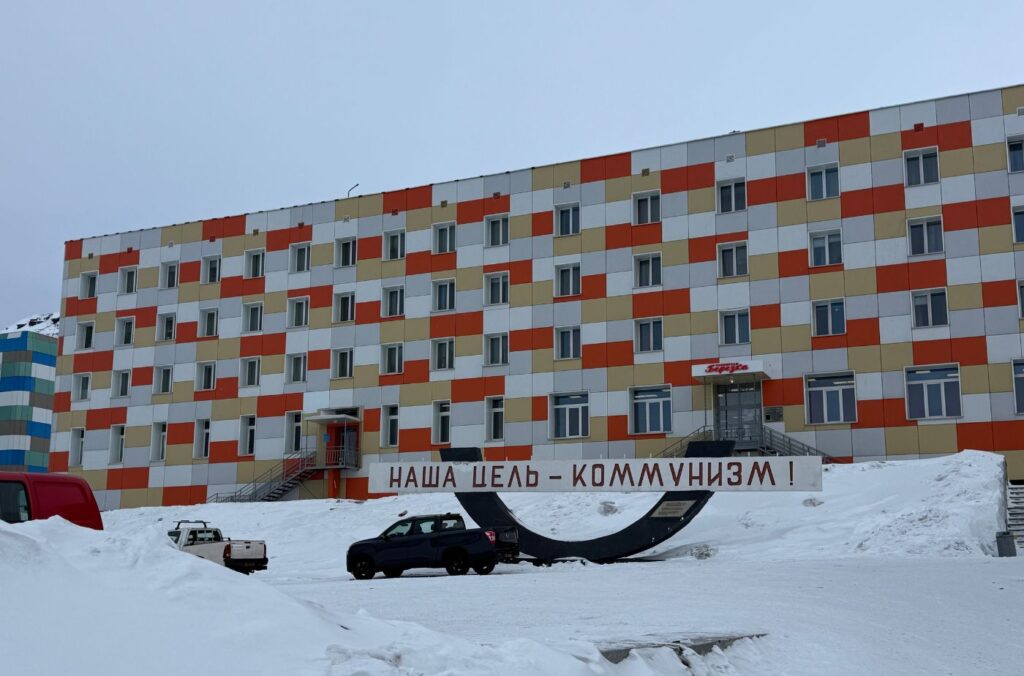
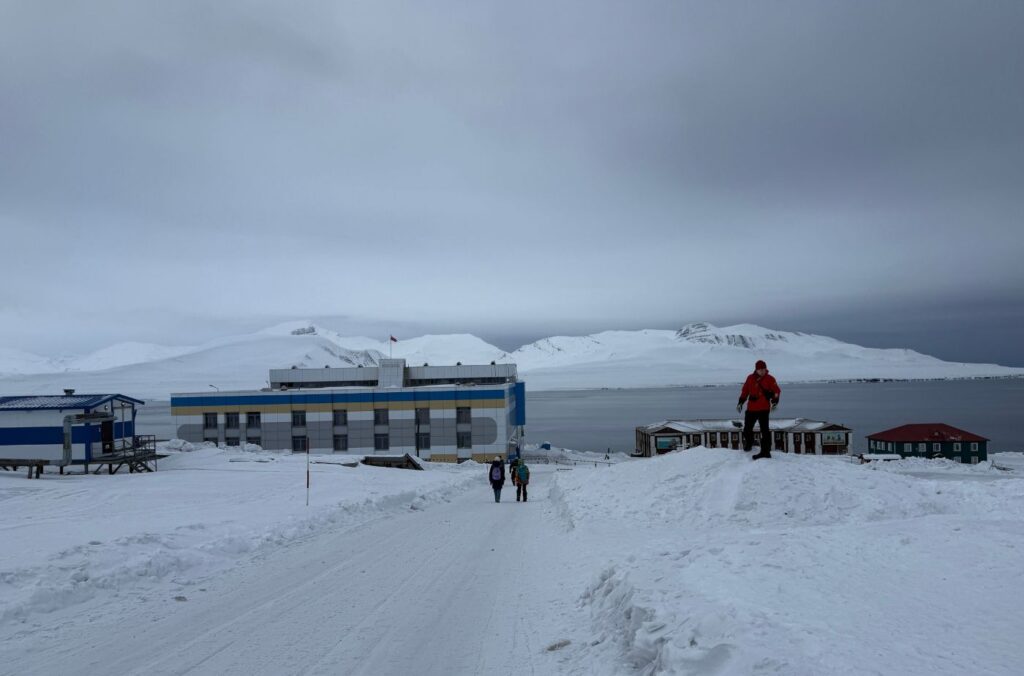
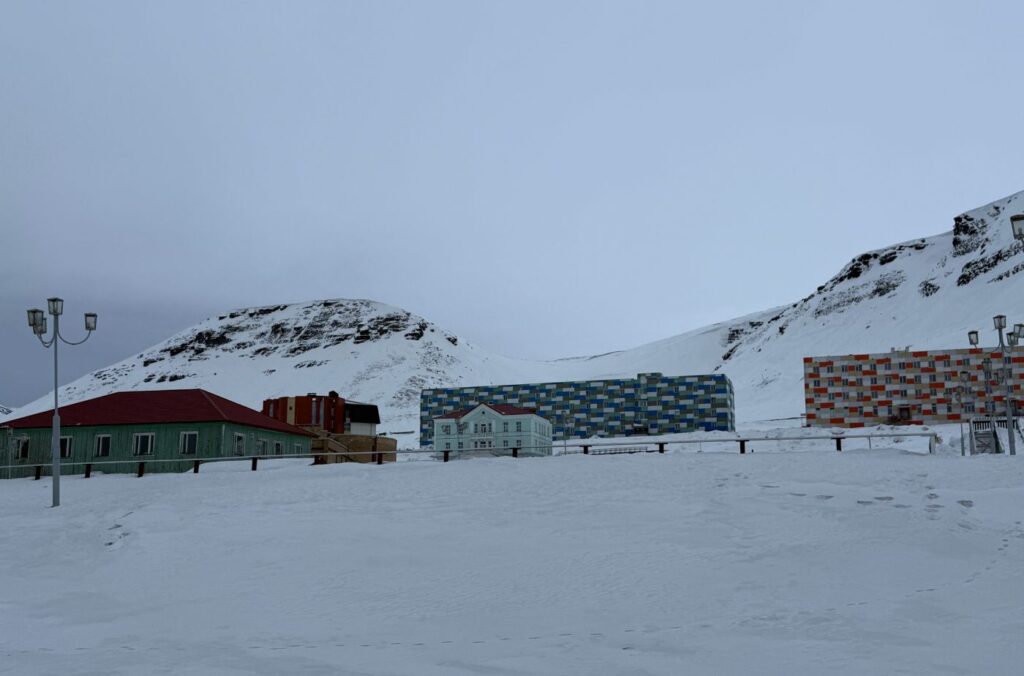
Leaving the post office, we pass the Russian consulate and make our way to the statue of Lenin. We also pass the old Soviet consulate building – a charming aqua-coloured building off in the distance. It’s also the only building on Svalbard to have a balcony! They aren’t really needed this far north. The statue of Lenin is the second-northernmost statue in the world, with the northernmost statue being in Pyramiden. Behind the statue are the apartment blocks where the workers live. In front of the building is a sign that says, “The goal – communism!” – unique to see, especially in modern times. From up here, you get excellent views out to the settlement.
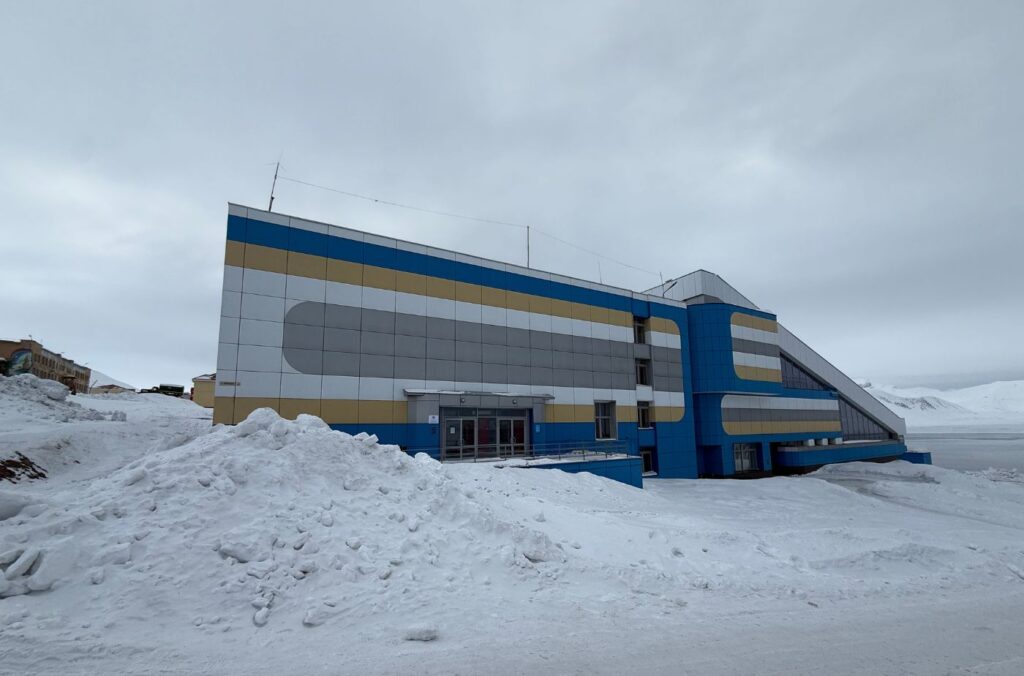
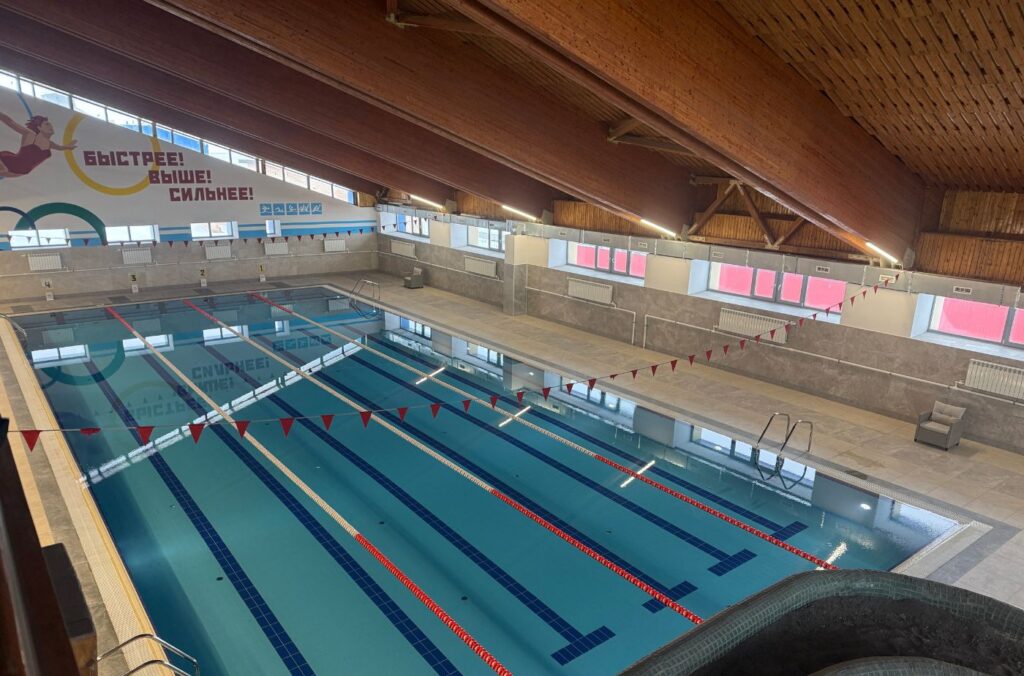
Heading down towards the water, we pass the sports and culture centre. We got to go inside and saw some volleyball being played and admire the amazing pool they have. The humidity felt so good!
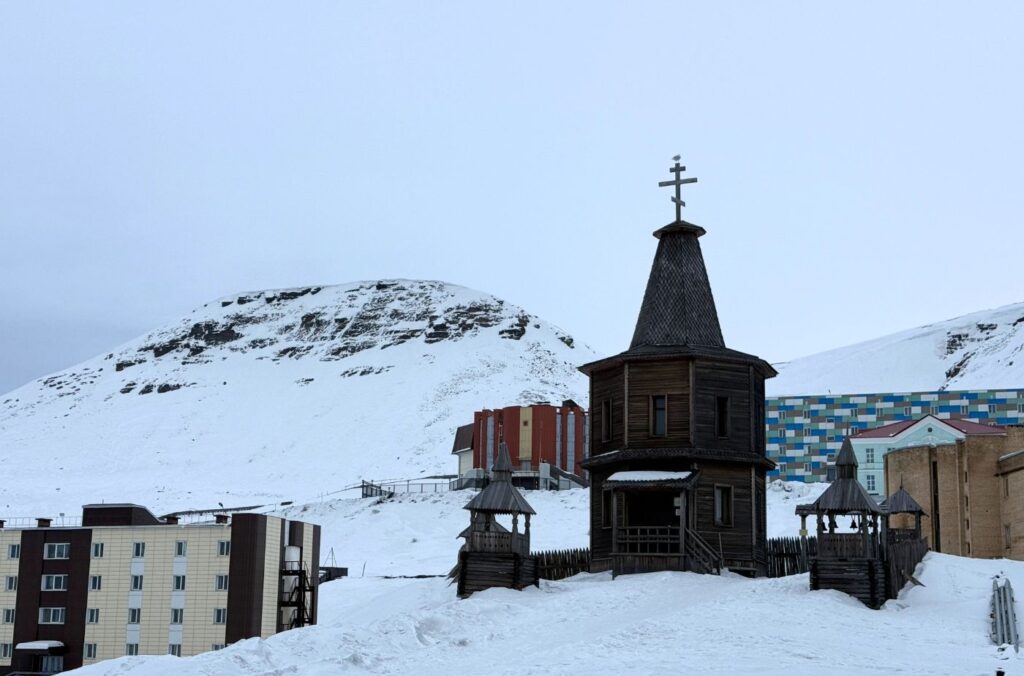
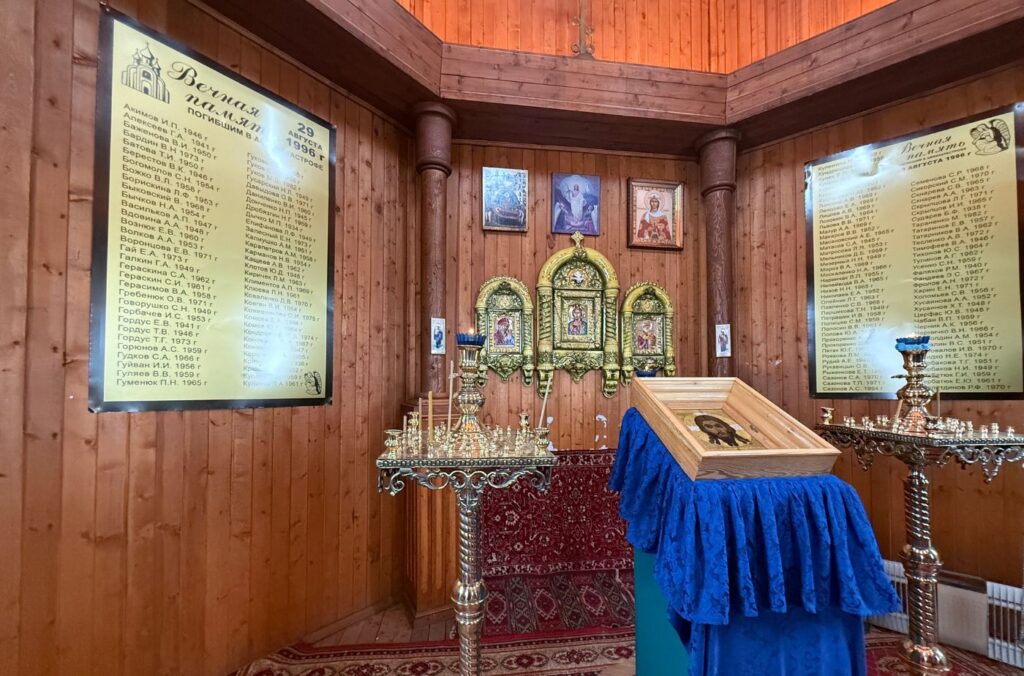
One of our last stops was the Orthodox chapel – built to commemorate those who lost their lives in a plane crash in 1996. Most people on the plane were miners or family members of miners visiting their relatives.
Once that’s done, it’s time to head back to the snowmobile to go to Longyearbyen. The trip is pretty rushed, and if you’re snowmobiling, you don’t get a chance to drink at the local bar. There’s also a museum about Pomor trade history here that we didn’t get to see.
Practical Tips
- Wifi is available at the hotel
- Phones get 5G reception in Barentsburg, and there’s scattered reception getting there and back
- Buy goggles for snowmobiling; it helps keep the snow out of your eyes, and get the ones that wrap around properly so they don’t fog up when you breathe
- The post office takes card only, and all payments are in NOK
- The shoes they give you are massive and hard to walk in, especially for the guided tour. If possible, bring some light shoes to wear when doing the guided tour – it’ll make your life so much easier
Travelling to Barentsburg
Barentsburg is one of the most unique places you can visit in the Arctic – a remote, Soviet-era mining town set against the dramatic backdrop of Svalbard’s wilderness. Getting there isn’t easy, whether by snowmobile or boat, but that’s part of what makes the experience so rewarding.
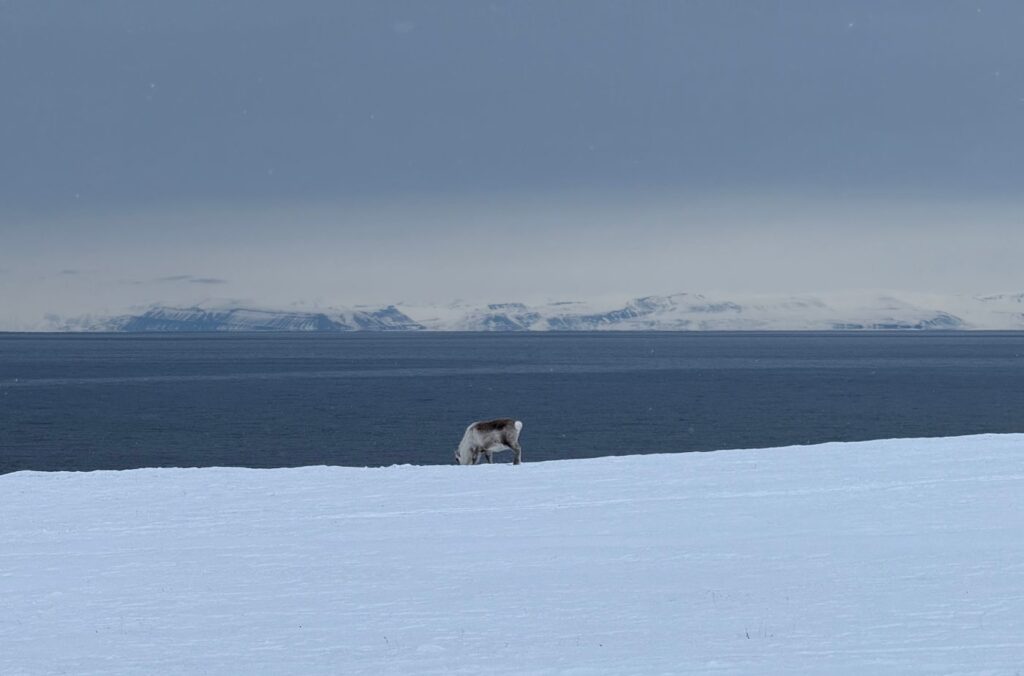
From Lenin statues and Russian bars to Arctic wildlife and frozen fjords, it offers a rare blend of history, politics, and raw nature. It’s not a polished tourist destination, and that’s exactly the point – Barentsburg feels real, unusual, and completely different from anywhere else you’re likely to visit.
If you’re heading to Svalbard and want something truly off the beaten path, this is absolutely worth adding to your itinerary.