
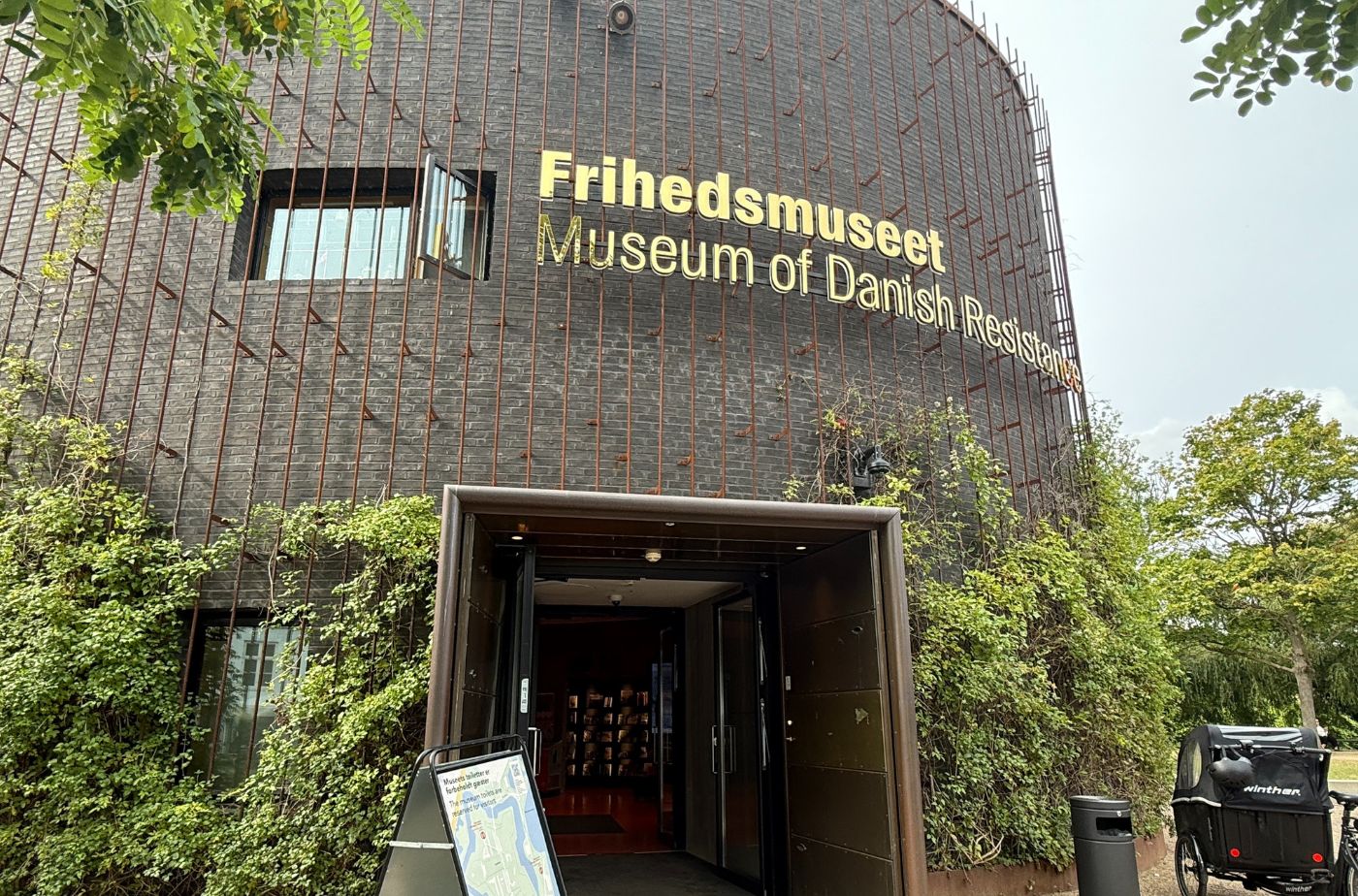
The Resistance Museum of Denmark
Hidden beneath Copenhagen’s leafy Churchill Park is a museum that brings World War II history to life. Frihedsmuseet – the Museum of the Danish Resistance (the direct translation is ‘Freedom Museum’) – offers an immersive journey into Denmark’s World War II experience, from the dark days of the Nazi occupation to the brave acts of resistance that followed. In this article, I’ll cover the museum’s history, highlights, and practical tips for your visit.
In this article...
History of the Resistance Museum in Denmark
During World War II, Nazi Germany occupied Denmark, and many Danes were forced to choose between uneasy cooperation and courageous resistance. The Danish Resistance movement formed an underground network that engaged in sabotage, secret intelligence, and the production of illegal newspapers. They even helped smuggle thousands of Danish Jews to safety in Sweden in 1943, a heroic effort still remembered today. By war’s end in May 1945, these resistance fighters were celebrated as national heroes, and there was broad support to preserve their story.
To honour their legacy, veterans of the resistance organised a public exhibition right after the war called “Det Kæmpende Danmark” (Fighting Denmark). It was initially displayed at Copenhagen’s Freemasons’ Hall and drew significant interest. Soon, the idea took root to create a permanent museum. On 15 October 1957, the Resistance Museum first opened its doors – a “gift” from the Danish Resistance movement to the people of Denmark. Fittingly, it was built in Churchillparken – a park named after Winston Churchill, symbolising the Allied connection. For decades, this modest museum showcased artifacts and stories of the war, keeping the memory of the occupation and resistance alive for new generations.
Modern Times - Fire & Rebirth
A disaster struck in the early hours of 28 April 2013: a fire broke out and ravaged the old Resistance Museum building. Authorities later determined it was an arson attack, which shocked the nation. Thankfully, all the precious artifacts and archives were saved from the flames. However, the building itself was a total loss and had to be demolished.
Following the fire, a competition was held to design a new museum, and renowned Danish architects Lundgaard & Tranberg were selected to rebuild it. Instead of recreating a grand above-ground structure, they took a bold approach: the new museum would be mostly underground, symbolising the Resistance movement and protecting the collection from light damage. Above ground, they created a discreet circular pavilion – a greenery-clad rotunda that resembles a WWII-era concrete bunker camouflaged in the park’s foliage. It’s a minimalist and sustainable design that blends quietly into the park, almost hiding in plain sight among the trees.
After several years of construction (and a slight delay due to the pandemic), the reborn Resistance Museum opened to the public in July 2020. The result is a revitalised museum experience that has been widely praised for its architecture and storytelling. In fact, the new design even won a Danish Building of the Year award in 2020. Today, the museum feels both new and deeply atmospheric – it preserves the gravity of history while using modern technology and design to engage visitors. If you visited the old museum, you’ll find the new incarnation far more interactive and immersive, yet equally respectful to the subject matter.
Exhibition & Highlights
Going underground – literally – is the highlight of visiting the museum. As you descend into the dimly lit exhibition space, you enter a recreated 1940s world. The designers have laid out the museum like a journey through the dark, shadowy streets of occupied Denmark, complete with period street lamps, underground hideouts, and clandestine meeting spots. Throughout the exhibit, five historical characters serve as your storytellers and guests. Four of them are members of the Resistance (based on real Danes from different walks of life), and one is a Danish Nazi collaborator – each person has a chosen path, and you get to witness the consequences and moral dilemmas they faced. This narrative approach makes the history personal and emotionally gripping. You follow these characters year by year from 1940 to 1945, seeing the occupation and resistance through their eyes.
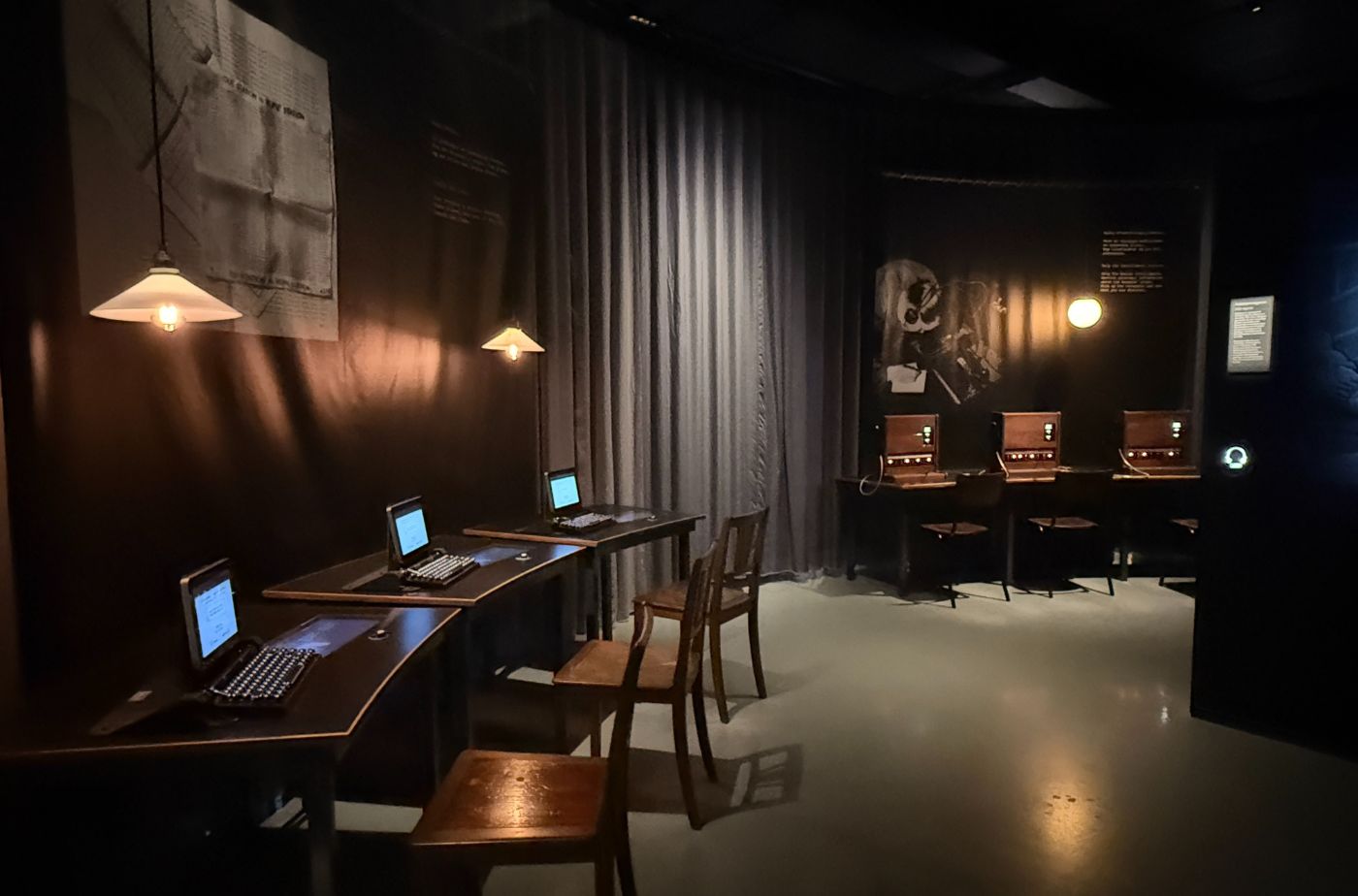
What sets the museum apart is its high level of interactivity. Rather than just reading placards, you’re invited to experience aspects of life in the Danish underground. You can print illegal resistance newspapers, decode secret messages, and even eavesdrop on intercepted telephone calls – all simulated with hands-on experiences and multimedia. These interactive stations are not only fun but also convey the ingenuity and risks that ordinary people undertook to resist the occupiers. Many visitors, adults and kids alike, find themselves engrossed in cracking codes or operating an old-fashioned mimeograph to print pamphlets. It’s a powerful way to literally “step into the shoes” of wartime Danes and understand their choices.
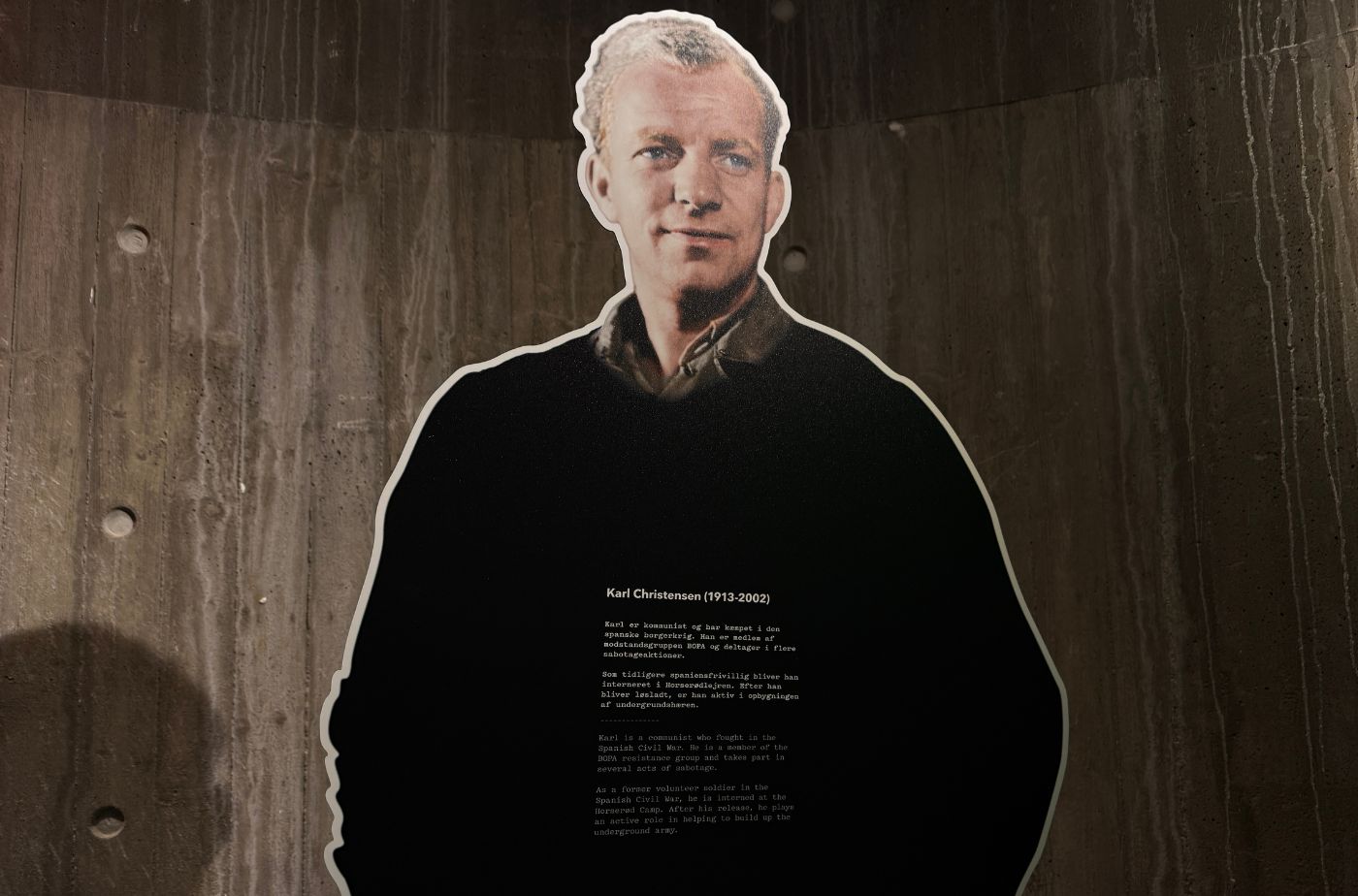
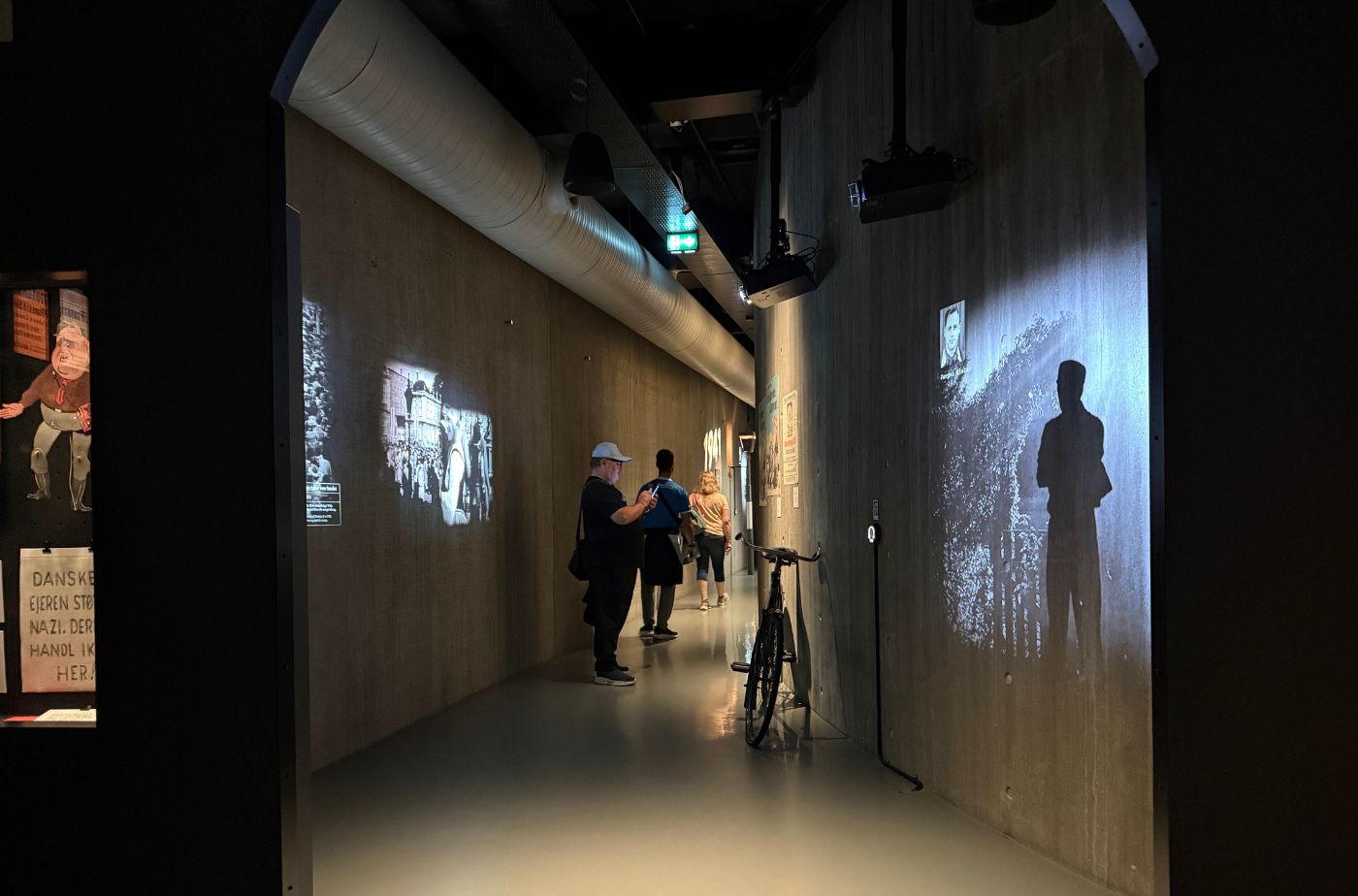
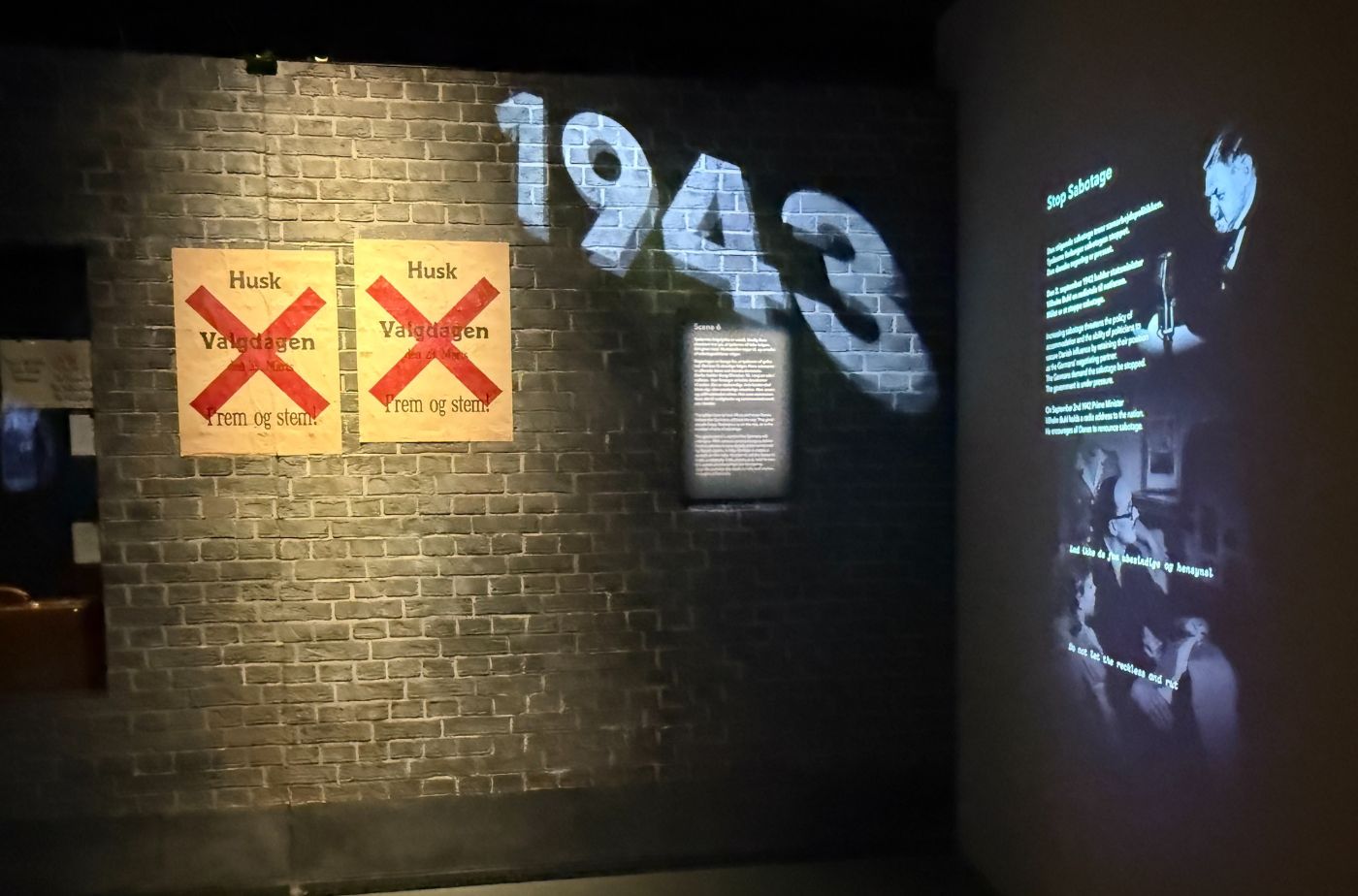
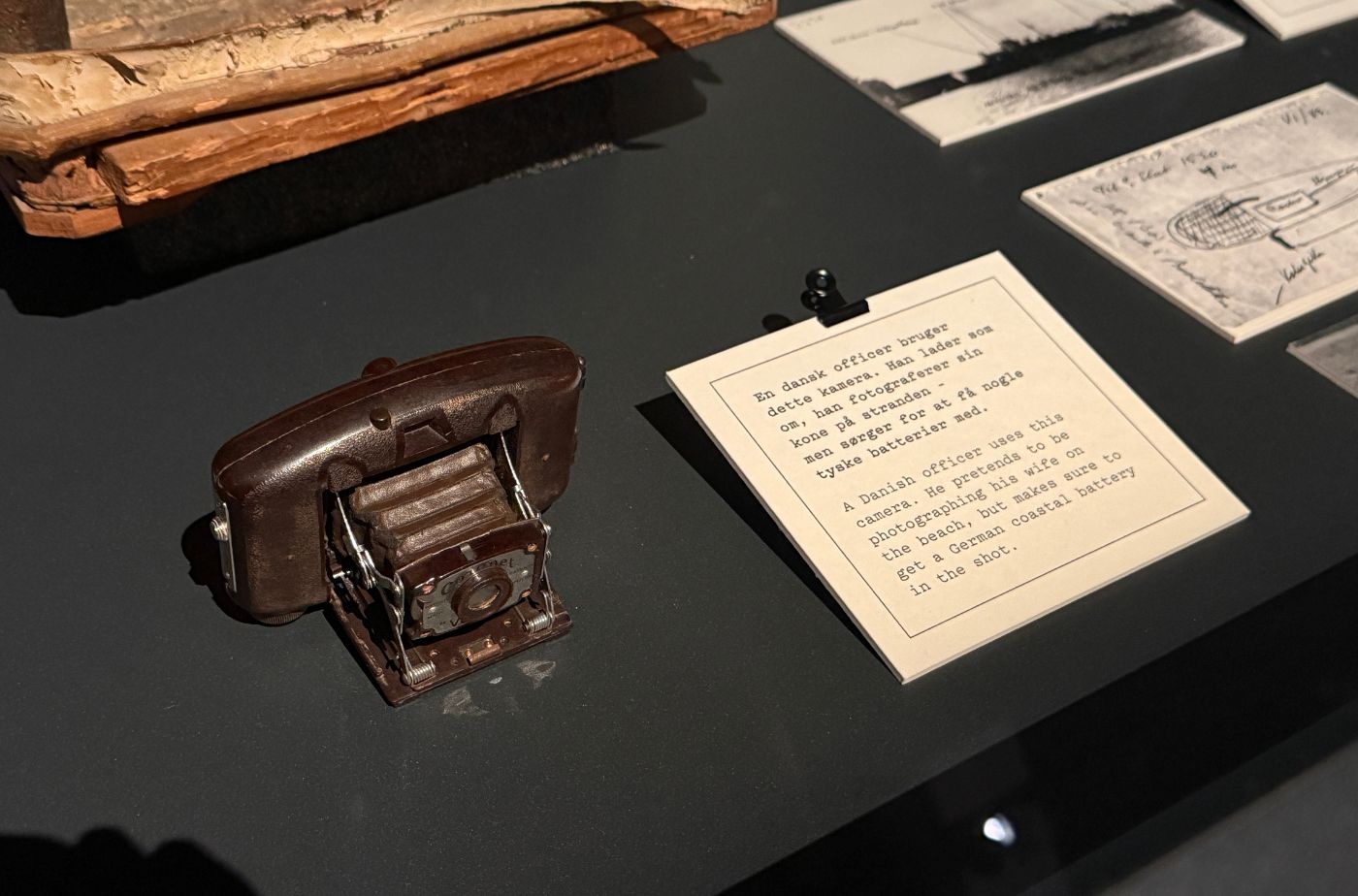
The museum also showcases authentic artifacts that will impress any history enthusiast. As you move through the underground galleries, you’ll see homemade weapons, clandestine radios, and personal items that survived the war. Some exhibits are especially moving – for instance, the actual wooden execution poles from Ryvangen are on display. The Nazis used these rough-hewn poles to tie up resistance fighters for execution, and standing before them is a chilling reminder of the war’s human cost. In another section, you’ll find the weathered trench coat of a famous saboteur nicknamed “Flammen” (“The Flame”). There are some coats containing bullet holes, though. There’s an excellent video about it, which you can watch here: https://www.facebook.com/watch/?v=678540513965257
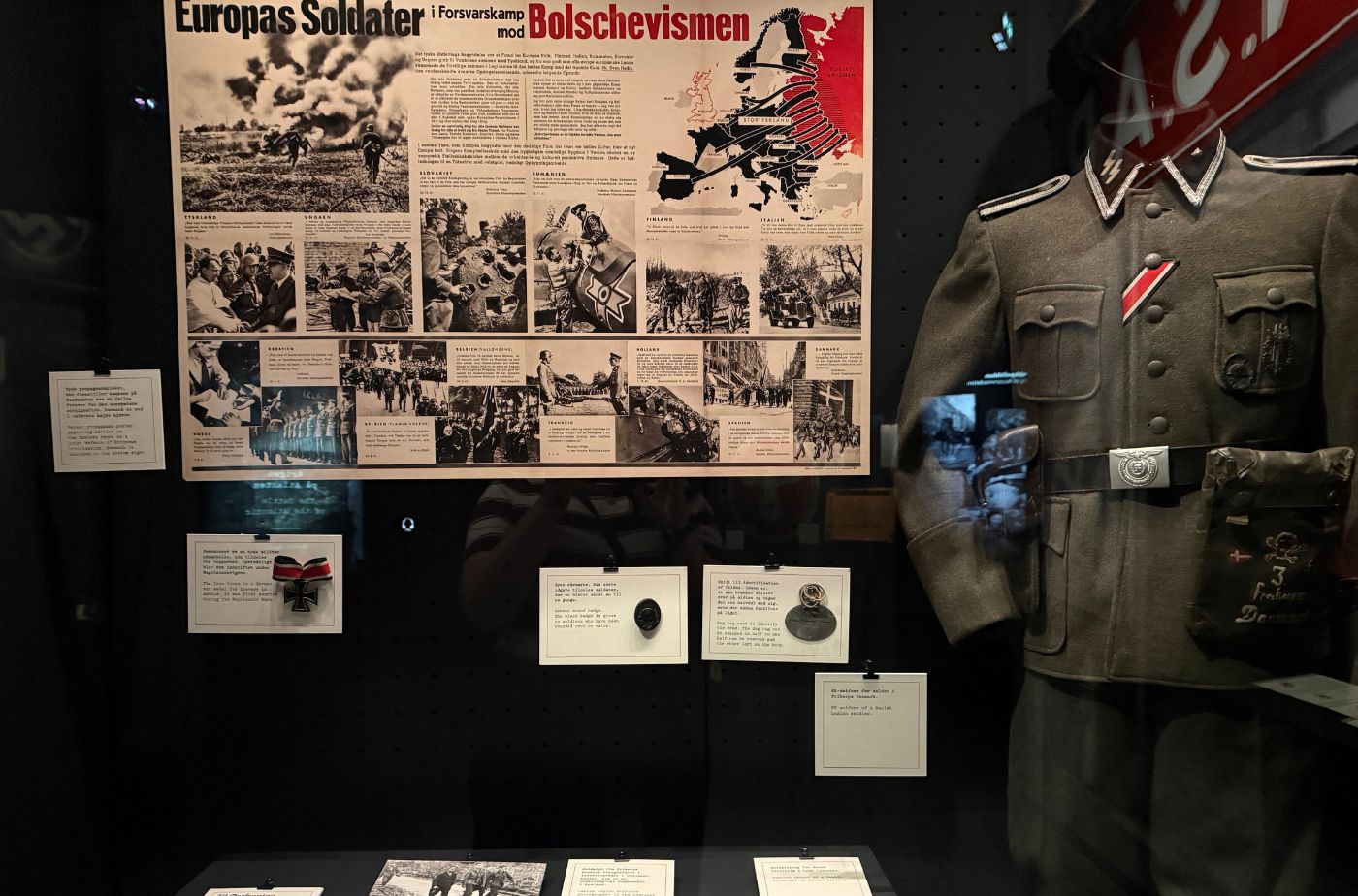
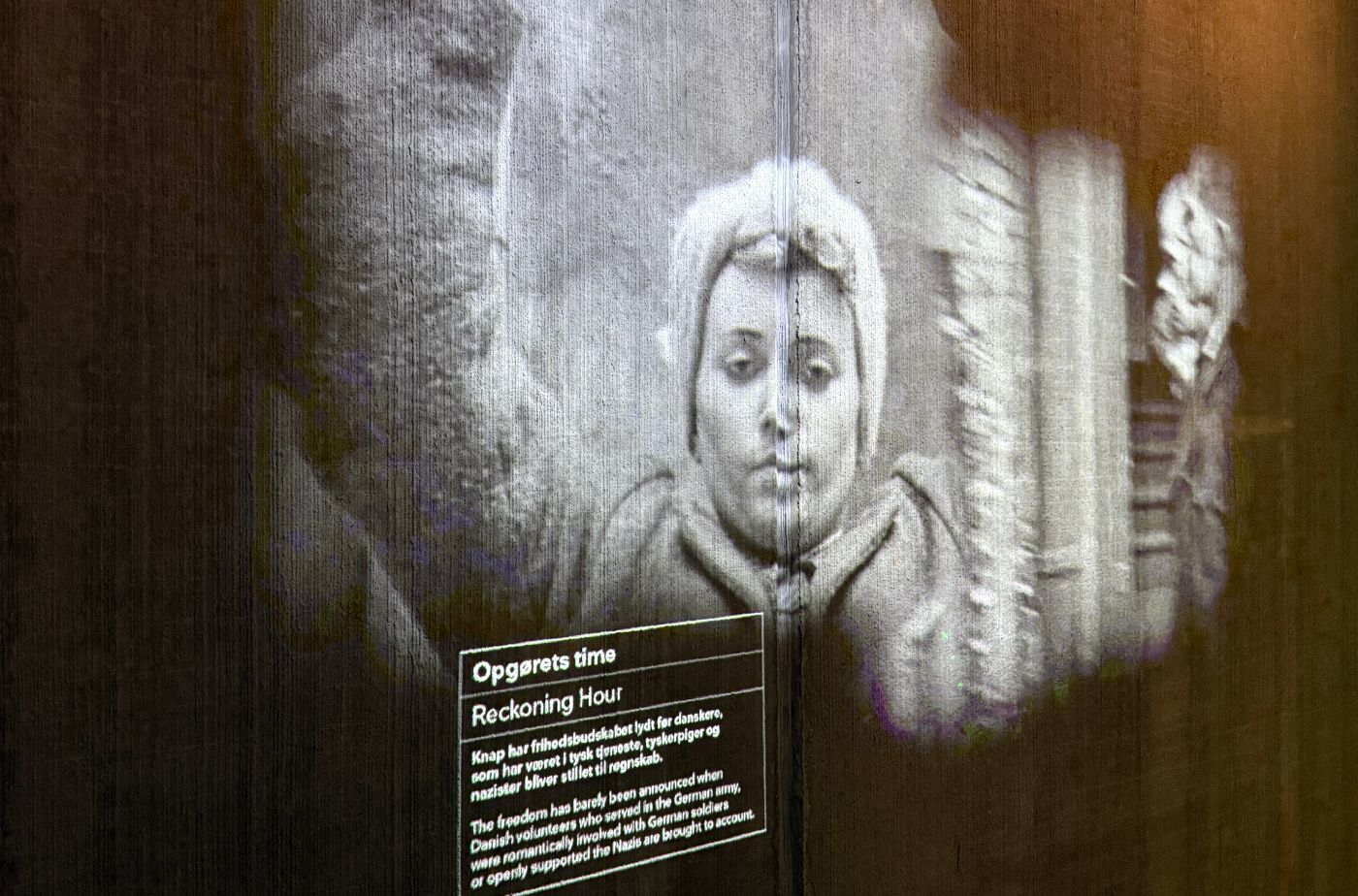
Frihedsmuseet doesn’t shy away from the complex realities of the time. Alongside celebrating resistance, the exhibits delve into complex topics like collaboration and the fate of Danish Jews. One poignant display recounts Operation Rescue of October 1943, when Danes from all walks of life helped nearly 7,000 Jewish citizens escape across the Øresund strait to neutral Sweden under the cover of darkness. Photographs, diary entries, and even a replica fishing boat tell this uplifting story of solidarity. In contrast, another section examines the Danish Nazi party and those who chose to collaborate with the Germans – an uncomfortable part of history that the museum addresses openly. You’ll learn, for example, about the Holger Danske and Hvidsten resistance groups as well as the informers and sympathisers on the other side. The narrative doesn’t paint things in simple “good vs evil” terms; instead, it highlights that choosing resistance was rarely black-and-white, but rather a series of tough moral decisions.
Throughout the exhibits, you’ll find a mix of text, soundscapes, and film – all fully bilingual in Danish and English. International visitors will appreciate that every label and multimedia display includes English translations or subtitles so that you won’t miss a thing. There are also short documentary clips (with English text) featuring real resistance fighters recounting their experiences, which adds an authentic voice to the journey.
Practical Information
Opening Hours
Please check their website for the most up-to-date hours. The museum is open Tuesday – Sunday from 10 am – 5 pm. From May to September, the museum also opens on Mondays.
Tickets
Please check their website for the most up-to-date ticket prices. Admission is 130 DKK for adults. Children and youth under 18 go free, making it a great educational stop for families. If you’re travelling with a group of 10 or more, you can get 10% off by purchasing a group ticket. Those with the Copenhagen Card get free admission.
Getting Here
Metro: Take the City Ring (M3) or M4 line to Østerport Station or to Marmorkirken (Marble Church) – both stations are about a 5–10-minute walk from the museum. Østerport is also on the S-train suburban network for easy access.
Bus: Route 23 stops near Østerport Station, making for a short walk to the museum. Several other bus lines (such as 26 or 1A) also stop within walking distance (check the “Østerport” or “Kastellet” stops on the journey planner).
On Foot/Bike: If you’re in central Copenhagen, the museum is about a 30-minute walk from City Hall or a quick cycle ride (Copenhagen is very bike-friendly). There are bike racks and a Donkey Bike rental hub near the museum entrance.
Accessibility
The museum is very traveller-friendly. Despite being underground, it’s fully accessible via elevators/lifts and an escalator. Wheelchair users and those with strollers (prams) can navigate all areas; no stairs are required to view the exhibits. The museum has a wheelchair available to borrow if needed. One note: electric mobility scooters aren’t allowed inside, presumably due to space constraints, but standard wheelchairs are fine. There are benches throughout the exhibit for those who need a break while touring, and the storytelling pace allows for breaks. Restrooms (with a baby changing station) are available on the ground level.
Cafe & Shop
The museum also features a small café on site (located in the above-ground pavilion). Café Frihedsmuseet serves sandwiches, pastries, and hot drinks, and is open 10–17 (same hours as the museum) daily. It’s a cosy spot to relax after your tour, and notably you can visit the café without a museum ticket – nice if someone in your party wants to wait outside or if you’re just in the park and fancy a coffee. On sunny days, outdoor seating lets you enjoy views of the park and the museum’s quirky circular facade. The cafe’s menu even includes a few WWII-themed treats and traditional Danish cakes.
A small museum shop sells WWII-themed books, replica posters, and vintage-style toys and souvenirs. It’s a great place to pick up a unique memento of your visit.
Resistance Museum Denmark
Frihedsmuseet is a must-visit in Copenhagen for anyone interested in World War II or Danish history. It offers a unique blend of engaging storytelling, interactive fun, and profound historical insight. The fact that it has been rebuilt so thoughtfully after the 2013 fire is a testament to how much the Danes value this chapter of their history. As an Australian (or any English-speaking) traveller, you’ll find the museum very accessible and informative – and the human stories it tells are universal. Be prepared for some emotional moments as you walk through the darkness of war and emerge with a deeper appreciation of freedom. And don’t be surprised if you come away inspired by the courage of ordinary people who chose to stand up and resist. Happy exploring, and velkommen (welcome) to Frihedsmuseet!