Christmas in Sweden: The Complete Guide
Swedish Christmas is a magical blend of old and new – a season of cosy lights, rich foods, and beloved customs. It’s often said that Christmas in Sweden is a blend of domestic and foreign traditions, reinterpreted from agrarian times into the modern age. The festivities peak on 24 December (Julafton), when families gather for a smörgåsbord feast, surprises, and a visit from Santa Claus. But the celebration is not just a one-day affair – it stretches from the first Advent in late November through the new year, offering visitors many opportunities to share in the holiday spirit. Below, I break down the key dates, unique customs (from straw goats to jultomte), tips for Christmas dining in Stockholm, shopping hours, festive events, and even souvenir ideas.
Christmas in Sweden: The Complete Guide
Be sure to read my detailed travel guide for Stockholm, including practical information and things to do.
Key Dates & Celebrations in a Swedish Christmas
First Advent (Första Advent)
The Christmas countdown begins on the fourth Sunday before Christmas. Swedes mark this by lighting the first of four candles in an Advent candelabra, a tradition repeated every week leading up to Christmas. Homes are decorated with star-shaped lanterns glowing in windows and electric candelabras, creating a warm atmosphere in the winter darkness—many Christmas markets and public light displays open around this time as well.
Saint Lucia Day (Luciadagen) 13 December
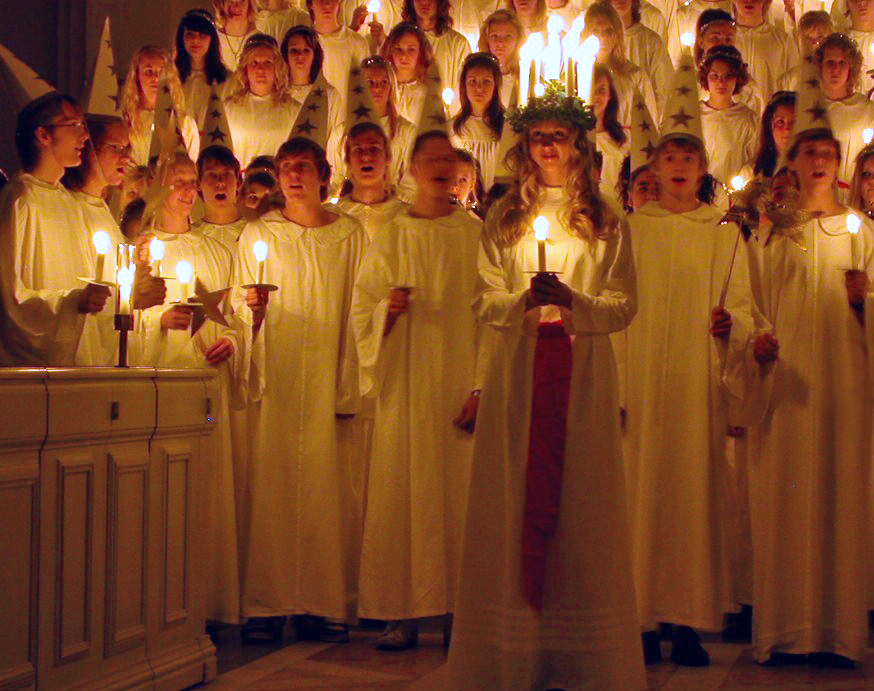
One of Sweden’s most beloved historical traditions, Lucia is a celebration of light in winter darkness. In the early morning of the 13th of December, schools, workplaces and city halls across Sweden hold Lucia processions. A young girl dressed as Lucia wears a white gown with a red sash and a crown of candles, leading a choir of attendants singing Lucia carols. This candlelit procession symbolises bringing light and hope.
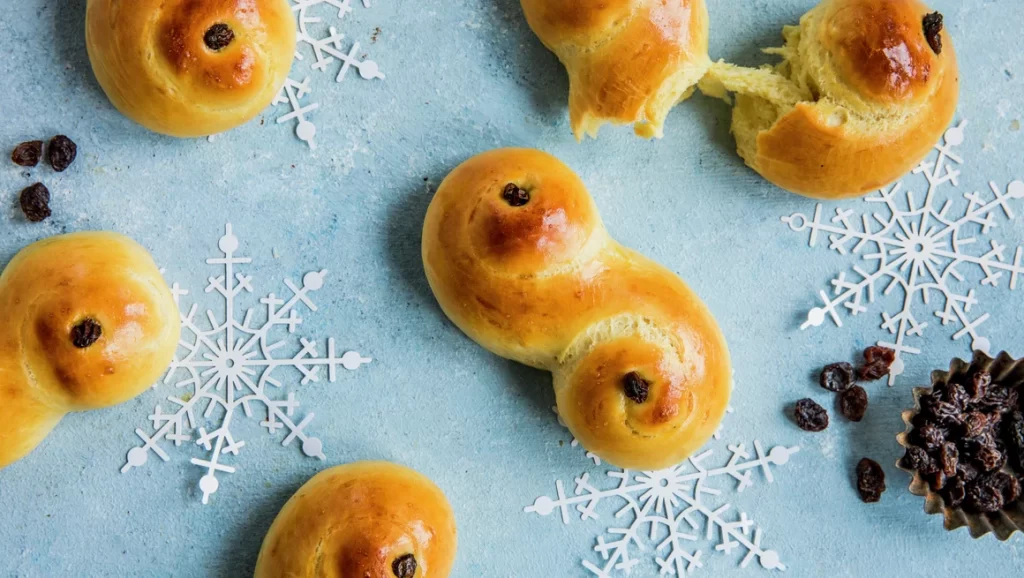
Families often wake up to children dressed as Lucia serving lussekatter – saffron-infused Lucia buns – along with coffee or glögg. It’s a truly enchanting sight for visitors: you can catch public Lucia concerts in Stockholm’s churches (like the Stockholm Cathedral) or at Skansen open-air museum. Lucia Day is not a public holiday, but it feels like one as the country pauses to enjoy choir performances and fika treats in honour of the “queen of light.”
Christmas Eve (Julafton) 24 December
This is the main event of Swedish Christmas. While not an official public holiday, Christmas Eve is the day when almost everything shuts down early, and families gather to celebrate. Preparations start early: homes are cleaned and decorated, the julebord (Christmas buffet) is laid out, and presents are placed under the julgran (Christmas tree). The big meal is often a Christmas lunch or early dinner featuring all the traditional dishes – Christmas ham (julskinka), pickled herring, meatballs, prinskorv sausages, Jansson’s Temptation (potato-anchovy casserole), gravlax, red cabbage, rice pudding, and more. Family members might sing drinking songs over snaps as part of the occasion.
A quirky modern custom comes at 3:00 pm: virtually the entire country pauses to watch the Donald Duck cartoon special on TV, “Kalle Anka och hans vänner önskar God Jul” (“Donald Duck and his friends wish you Merry Christmas”). This same compilation of Disney clips has aired every Christmas Eve since 1959, and indeed, the whole country comes to a standstill as everyone tunes in – a fact that surprises many visitors! After “Kalle Anka”, the celebration continues. As dusk falls, a knock on the door signals the highlight for the children: Jultomten (Santa Claus) arrives – often a family member in costume – with a sack of gifts.
In Sweden, Santa traditionally hands out presents in person on Christmas Eve, asking “Finns det några snälla barn?” (“Are there any good children here?”). The evening is filled with gift-opening, laughter, and perhaps a few rounds of dancing around the Christmas tree or singing carols. It’s a warm, family-focused night that encapsulates the Swedish Christmas spirit.
Christmas Day (Juldagen) 25 December
In contrast to Julafton, Christmas Day is a quiet, restful holiday. It is a public holiday (a “red day” on the calendar) when nearly all shops and businesses are closed. Swedes typically sleep in after the previous night’s fun. Some attend an early morning Julotta church service at dawn, keeping an old tradition alive, while others stay home in pyjamas. The day is often spent relaxing, playing with new gifts, or taking a walk in the snow if the weather permits. Extended family visits might occur in the afternoon, but generally Juldagen is for leftovers and lounging. By evening, however, younger adults sometimes break the calm – Christmas Night is known for being a big party night at clubs for those looking to dance off the holiday food!
Boxing Day (Annandag) 26 December
Another public holiday in Sweden (also called the “Second Day of Christmas”), this day is mainly about low-key socialising and outdoor activities. Many Swedes use the day to visit friends or relatives, making the rounds. It’s common to go out on a nature walk or even hit the ski slopes if there’s snow. For shoppers, 26 December also marks the start of the post-Christmas Mellandagsrea (between-day sales). In bigger cities, major stores reopen on this day to kick off winter sales so that you might see crowds at the malls.
Boxing Day (Annandag) 26 December
The Christmas season blends into New Year celebrations as December winds down. New Year’s Eve (Nyårsafton) is not an official red day, but many shops and offices close early. New Year’s Day is a public holiday – a quiet day much like Christmas Day, with shops closed and recovery in progress.
Finally, Sweden observes Epiphany (Trettondedag Jul) on the 6th of January; it is also a public holiday. By this “13th Day of Christmas”, most schools and workplaces have resumed, but the day off is appreciated. There’s no blanket rule that shops must close on this day so that many places will open. Epiphany isn’t widely celebrated apart from some concerts or church services.
Boxing Day (Annandag) 26 December
The Swedish holiday season doesn’t officially end until St. Knut’s Day on 13 January. On this day, “the 20th Day of Christmas”, Swedes “dance out” Christmas – children often have parties where they undecorate the tree, sing songs and eat up the last candies and gingerbread. So if you see Christmas trees still up in early January, don’t be surprised – Swedes like to stretch the jul feeling as long as possible!
Christmas Traditions & Customs in Sweden
Swedish Christmas is rich with unique customs, some rooted in folk legends and others relatively modern. Here are a few highlights.
Jultomten (Santa) and the Tomte Tradition
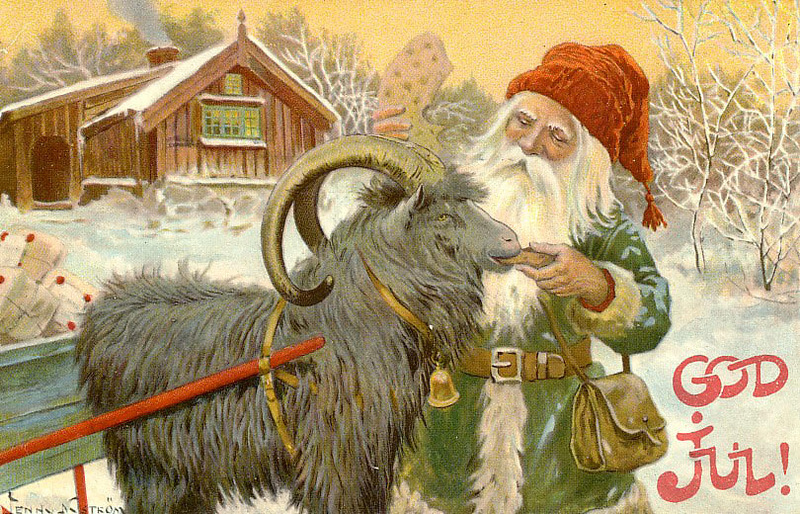
Sweden’s gift-bringer is the Jultomte, often depicted as a gnome-like figure with a red hat. The concept of tomte actually comes from folklore – a tomte was a small guardian spirit of the farm, believed to live in barns and watch over households. In old rural tradition, families would leave a bowl of porridge out for the tomte on Christmas Eve as thanks, lest he get upset. Over time, the tomte merged with the idea of Santa Claus.
Today’s Jultomte looks more or less like Santa – sometimes arriving in person on Christmas Eve – but you’ll still see many Swedish gnome decorations (felt or wooden tomtar) around the house. Children might even address wish lists to Jultomten and set out rice porridge for him (or for the barn tomte’s Julnight snack). Interestingly, before “Santa” took over in the late 19th century, it was the Julbock (Christmas goat) who delivered presents. People would dress up as a goat or give prank gifts “from the Yule Goat”. Nowadays, the straw goat has become more of a Christmas symbol than a gift-bringer – you’ll spot straw goats of all sizes used as decorations (including the famous giant Gävle goat erected each year in Sweden, only to meet a fiery end often!).
Food & Drink
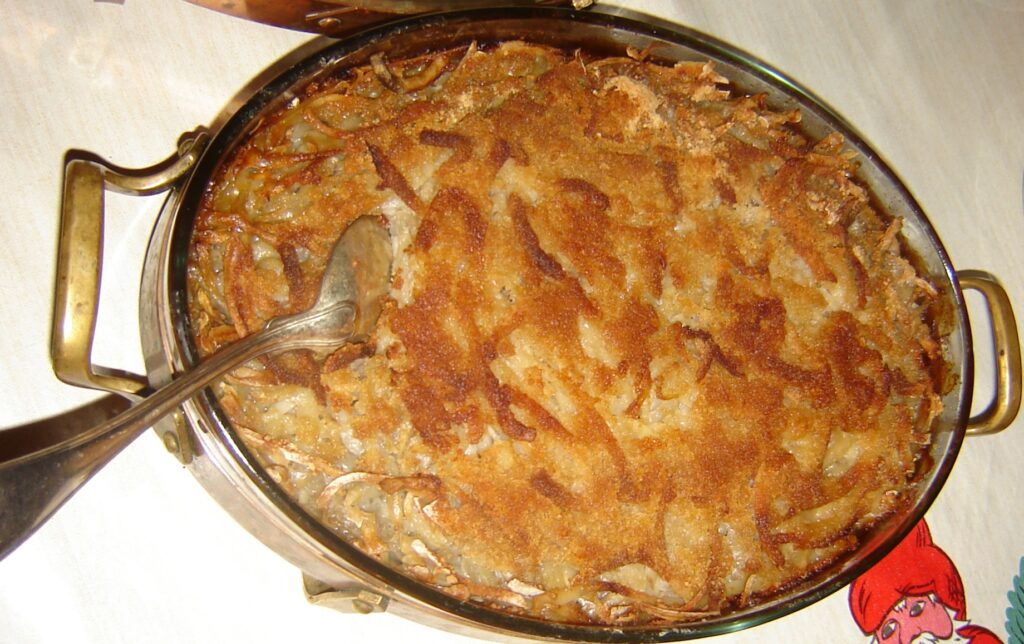
Food is central to Swedish Christmas traditions. The grand ‘julabord’ is a smörgåsbord of traditional dishes, a highlight for any foodie visitor. Expect multiple kinds of herring (sill) – mustard, dill, onion, you name it – as well as cured salmon, cold cuts, pâtés and cheeses to start. Then come warm dishes like meatballs, little prinskorv sausages, Janssons frestelse (potato gratin with anchovies) and the star of the show: Julskinka, the Christmas ham.
A proper julbord ends with rice porridge (risgrynsgröt) sprinkled with cinnamon, and legend says whoever finds the hidden almond in the porridge gets a year of good luck (or an almond pig as a prize). Drinks include glögg (mulled wine, served with raisins and almonds) and the ubiquitous julmust, a sweet dark Christmas soda that mysteriously outsells Coca-Cola every December. Don’t be surprised to see pepparkakor (ginger snap biscuits) served alongside glögg – Swedes swear by dunking a ginger cookie in the warm, spicy wine. Another beloved sweet is lussebullar or lussekatter, the saffron buns baked for Lucia (bright yellow coils dotted with raisins). In the lead-up to Christmas, many families spend weekends baking gingerbread or making knäck (toffee candy) as part of the tradition. And for a quirky touch: Swedes often enjoy “dopp i grytan” on Christmas – literally “dip in the pot” – where you dip bread in the seasoned ham broth as a simple rustic dish. All these treats, whether historic or modern, make Swedish Christmas a delicious experience.
The Julbock (Yule Goat) & Straw Ornaments
Walk through any Swedish Christmas market or home store, and you’ll notice straw woven into all sorts of decorations, especially the Julbock. These straw goats tied with red ribbons are quintessential Swedish Christmas ornaments. The Yule Goat has pagan roots as a symbol of Thor (whose chariot was said to be pulled by goats) and later came to be associated with St. Nicholas traditions. Today, miniature straw goats guard many a Swedish Christmas tree, and towns like Gävle erect huge straw goats as displays (beware the local tradition of trying to burn them down!). In addition to goats, straw is also crafted into stars, hearts, and julgranskarameller (little straw or paper ornaments). Incorporating natural materials is key in Swedish decor – you’ll see tables set with spruce twigs, oranges studded with cloves, and paper snowflake stars hanging in windows alongside the famous Advent star lanterns. The overall effect is a cosy, handcrafted feel that connects back to Sweden’s agrarian past.
Where to Enjoy a Traditional Christmas Dinner in Stockholm
Skansen’s Christmas Buffet
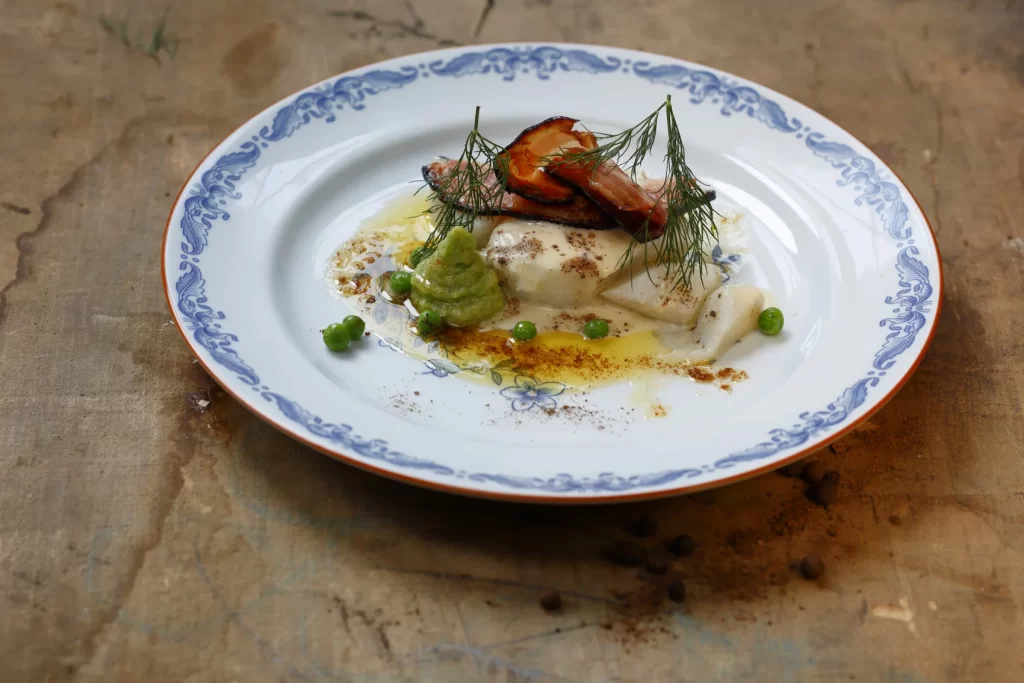
What better setting for a julbord than at Skansen, the open-air folk museum? Inside Skansen’s historic wooden halls, you’ll find a classic buffet with all the trimmings: herring, smoked salmon, meats, hot dishes like meatballs and even lutfisk, plus a dessert table of cookies and sweets. The atmosphere is hard to beat – warm fires, mulled wine, and musicians enhancing the festive mood. It’s very family-friendly, and you can combine your meal with a stroll through Skansen’s own Christmas market afterwards. (Do note you should book in advance, as this is a popular choice for both tourists and locals.)
Wärdshuset Ulla Winbladh
A classic Swedish inn renowned for elevating the julbord to an art form. Ulla Winbladh serves a quintessential Swedish Christmas table in a charming historic villa, complete with fragrant fir decorations and candlelit ambience. The spread is lavish – reportedly offering 23 varieties of pickled herring (from curry-apple to orange-citrus!), along with all the traditional fare and even a dedicated vegan selection.
It’s a bit of a splurge (this is a fine-dining take on Julbord), but the quality and setting make it worth considering if you want the whole traditional experience. Families are welcome here too, though the atmosphere is slightly formal; kids who love trying different foods might enjoy it (and there are plenty of Christmas sweets for dessert).
Gamla Riksarkivet
Dining in a former royal archives building lends grandeur to your Christmas meal. The Gamla Riksarkivet julbord, spearheaded by celebrity chef Niklas Ekstedt in recent years, has gained fame for its extraordinary setting and menu. Under vaulted ceilings, you’ll indulge in a rich selection of Swedish classics – including some wild game dishes – and a highlight is the “godisrummet”, a whole room of candies and desserts to explore after dinner.
The venue really captures a historic Stockholm vibe. It’s popular for groups and can book up fast. While not the cheapest option, it offers excellent value given the high-quality (and quantity!) of food and the unforgettable atmosphere of dining beneath crystal chandeliers in a 19th-century archive hall.
Blå Porten
For a more budget-friendly Julbord, Blå Porten, is a lovely choice. This café-restaurant near the Vasa Museum has been around since the early 1900s, and it serves a traditional Christmas buffet in a charming old setting.
The name means “Blue Gate”, and behind its ivy-covered courtyard, you’ll find a cosy interior where you can load up on herring, ham, meatballs, and all the classics. Blå Porten’s julbord typically runs throughout December and is known for being good value. It’s also casual and welcoming – ideal for families (the garden area even allows kids to move around a bit). Since it’s right in the museum district, you could plan a day of sightseeing and finish with a hearty Swedish Christmas meal here.
Stockholms Stadshuskällaren (City Hall Cellar)
For a touch of Swedish tradition and elegance without an outrageous price, consider the City Hall restaurant’s Christmas buffet. Located in the cellar of Stockholm’s iconic City Hall, Stadshuskällaren offers a wide selection of classic dishes (including game from the northern forests) in a historic brick-vaulted setting.
You’ll dine where Nobel banquet chefs have worked, which adds bragging rights! It’s a good middle-ground option: not as expensive as the fanciest hotels, but with plenty of atmosphere. Reservations are still recommended, as locals love this spot too.
Practical Tips
The julbord season in Stockholm usually runs from late November through Christmas. Popular venues and time slots (especially Thursday–Saturday evenings and Lucia weekend) book out quickly. It’s wise to reserve your spot a few weeks in advance. Also, many places offer julbord lunch at a lower price than dinner, which can be a great way to save money and still feast like a Swede. Dress is generally bright casual – you’ll see everything from Christmas jumpers to business casual attire, so wear something comfortable (with room for all that food!).
Christmas Markets, Events & Festivities in Stockholm
One of the joys of visiting Sweden during the holidays is experiencing the julstämning – the Christmas atmosphere – around the city. Stockholm offers a wealth of Christmas markets, concerts, and seasonal events to get you into the spirit. Here are some not-to-miss highlights for a visitor:
Christmas Markets
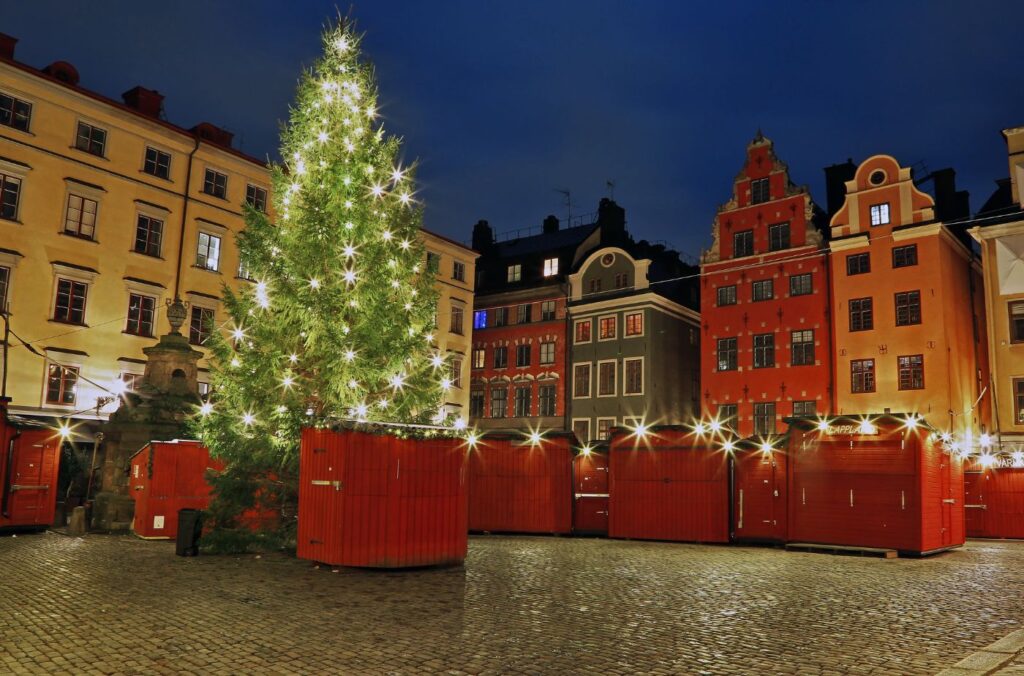
Traditional Christmas Markets: Stockholm has several charming markets (julmarknad) where you can browse crafts, taste holiday treats, and soak up the festive mood. The most famous is the Old Town Christmas Market at Stortorget in Gamla Stan. This historic market has been running since 1837, making it the oldest in Sweden. The little red stalls fill the medieval square, selling everything from handmade candles and wooden toys to knitted mittens and spiced glögg and candies. It’s open daily from late November until December 23 (roughly 11:00–18:00 each day) – a perfect spot to pick up souvenirs and feel like you’ve stepped back in time amid the cobbled streets. Another beloved one is the Skansen Christmas Market on Djurgården, which has been held since 1903.
At Skansen, Friday to Sunday throughout Advent, you’ll find around 70 stalls of traditional goods – think cured sausages, smoked fish, homemade jams, saffron buns, and folk handicrafts. They also offer fun extras like demonstrations of old-fashioned Christmas in historic farmhouses, craft workshops for kids, and even dancing around the Christmas tree on weekends. It’s a fantastic family outing (the Skansen entry fee applies, but the experience is rich).
In the city centre, keep an eye out for the Kungsträdgården Christmas Market, which in 2025 is noted as one of Sweden’s largest by number of stalls. Kungsträdgården (King’s Garden) park often has an ice-skating rink and a cluster of stalls selling design items, foods, and sometimes a stage for performances. (In 2025, a special one-day event on Nov 29 features over 400 stalls run by young entrepreneurs – a unique twist.) There are also smaller neighbourhood markets: Södermalm’s Christmas Market at Nytorget (usually a weekend or two in December) has local artisans and even activities like a mini ski slope for kids and a Lucia procession. Beckmans College of Design holds a trendy design students’ market at Rosendals Trädgård (Djurgården) for one weekend, where you can find truly unique, creative gifts. Even some castles outside Stockholm, like Drottningholm or Taxinge Slott, host famous markets if you fancy a day trip into a winter wonderland.
Lastly, there is a Christmas market in Stockholm’s Old Town called the Stortorget Julmarknad.
You can find a detailed list here: https://www.visitstockholm.com/see-do/attractions/christmas-markets-in-stockholm/
City Christmas Lights & Window Displays
Apart from markets, Stockholm’s city illuminations are a festive attraction in their own right. Over 40 streets and squares are decorated with lit-up reindeer, angels, snowflakes and more.
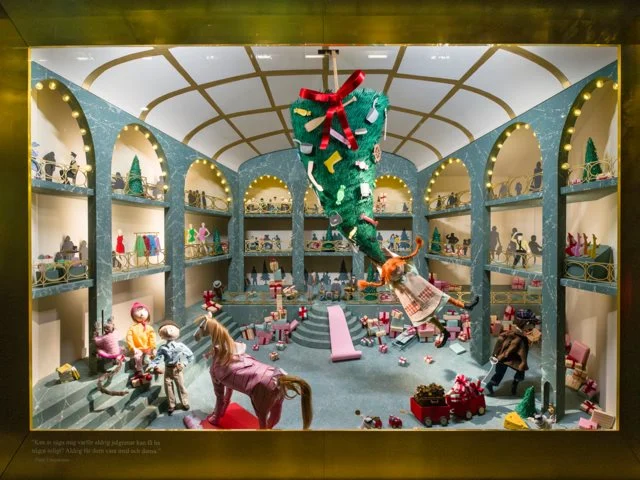
A lovely evening activity is to take a walk (or a bus tour) around downtown to see installations like the giant illuminated moose on Drottninggatan or the lights on Strandvägen reflecting in the water. A local favourite tradition is the NK Department Store’s Christmas windows. Since 1915, Nordiska Kompaniet (NK, on Hamngatan) has unveiled elaborately themed holiday window displays every Christmas season.
These often whimsical dioramas delight both kids and adults – expect moving figures, imaginative scenes, and pure nostalgia. It’s free entertainment to stand outside NK and watch the wonder in children’s eyes. If you’re in Stockholm at the very end of November, you might catch the grand reveal of the windows, which is usually accompanied by choirs or Santa appearances.
Lucia Concerts & Choir Performances
As described, Lucia Day (Dec 13) is big in Sweden, and Stockholm offers some beautiful Lucia concerts. For example, the Stockholm Cathedral (Storkyrkan) in Gamla Stan hosts annual Lucia concerts with traditional hymns (click here to view their calendar and buy tickets) – tickets sell out fast because the acoustics and ambience in the candlelit cathedral are breathtaking. (They often have multiple dates around Dec 13). Skansen also holds Lucia processions in its 18th-century Seglora Church and even an open-air Lucia with folk costumes at the Skansen Bollnäs Square. Click here to view Skansen’s Lucia Concerts.
These are usually included with admission, but require you to queue up early due to space limits. Churches across the city, big and small, will have Advent and Christmas music concerts – ranging from classical choirs to modern interpretations. If you enjoy music, check out Berwaldhallen (home of the Swedish Radio Symphony Orchestra), which presents a grand Christmas concert each year, or Eric Ericsonhallen on Skeppsholmen for indie and jazz-inflected holiday shows. Many concerts are family-friendly, and some are even sing-alongs (Allmänna Sången choir does a popular one). Also, don’t be surprised if you encounter impromptu carolers or Lucia singers in shopping centres or public squares during this time – local school groups often come out to spread cheer.
You can find out more information about Lucia Day in Stockholm here.
Theatre & Dance
A festive night out could include seasonal stage performances. “A Christmas Carol” at Folkoperan has become a Stockholm tradition – an English-language musical version of Dickens’ tale, running annually. It’s excellent for English-speaking visitors and usually runs through December. Children might enjoy Christmas circus shows or the classic ballet “The Nutcracker” if it’s staged by the Royal Swedish Ballet (some years they do, some they don’t – check the calendar). Also, around early January (Twelfth Night), Epiphany concerts featuring classical music or folk dancing can be found (for instance, Skansen’s Epiphany folk concert mentioned earlier.
Special Exhibitions & Activities
Winter in Stockholm brings some quirky events. One highlight for families (or anybody with a sweet tooth) is the Gingerbread House Competition at ArkDes (the Architecture and Design Museum) on Skeppsholmen. Each year, creative Swedes build the most amazing gingerbread structures – from castles to comic characters – and they’re displayed at the museum from early December until just after New Year’s. Entry is often free or minimal, and you can vote for your favourite edible masterpiece. It smells heavenly in there! If you fancy outdoor fun, try the ice-skating rink in Kungsträdgården – skate rentals are available, and skating under Christmas lights in the city centre is pretty magical. Around the city, there are also Julmarknader at museums (e.g. the Vasa Museum has a small one-day Christmas market and seasonal menu, and the Royal Stables usually host a popular craft market early December). Keep an eye on event listings because Stockholm also hosts things like Santa Runs (hundreds of people dressed as Santa running a charity race through the park!) and Lucia on Ice figure skating shows some years.
New Years in Stockholm
While not Christmas per se, if you’re staying through New Year’s, Stockholm puts on a good show. The main public fireworks are at Skeppsholmen or Gamla Stan waterfront, illuminating the sky over the harbour at midnight. Skansen holds an annual New Year’s Eve celebration with music and the traditional reading of Lord Tennyson’s poem “Ring Out, Wild Bells” at midnight – a very Swedish way to end the year. Bundle up and join the crowds at Skansen or along the water by the Royal Palace for a memorable New Year’s countdown.
Christmas in Sweden: Summary
God Jul! (Merry Christmas!) And happy travels in Sweden. With its twinkling lights, rich traditions, and hearty cheer, a Swedish Christmas is truly something to experience. Whether you’re tasting your first lussekatter, exploring a snowy market stall, or humming along to “Sankta Lucia”, we hope this guide helps you navigate and appreciate the festive season like a local. Glad holidays and welcome to the Swedish way of Christmas
Be sure to read my detailed travel guide for Stockholm, including practical information and things to do.