Copenhagen is arguably one of the most famous cities for design. The term “Scandinavian design” is commonly used worldwide to refer to timeless, simple, and elegant pieces. If you’ve been to IKEA, you’ve probably seen some of this! But Denmark is arguably the capital of Danish design, and the Design Museum in Copenhagen covers its history and contemporary practice. I have been wanting to visit this museum for a while, and I finally got there on a day off in Copenhagen. In this article, I provide an overview of the museum’s history and exhibitions, and hopefully, I’ll encourage you to go too!
The Design Museum was founded in 1890 by Denmark’s Confederation of Industry and the Ny Carlsberg Museumslegat and first opened in 1895 on today’s H.C. Andersens Boulevard. In 1926, it moved into Copenhagen’s former Royal Frederik’s hospital – a lovely rococo building designed by Nicolai Eigtved and Lauritz de Thurah in the 1750s. In the 1920s, architects Ivar Bentsen and Kaare Klint thoroughly renovated and refitted the hospital as a museum. Klint, a pioneer of Danish furniture design, furnished the galleries and offices and even lived and worked in the building.
The museum’s founding mission was to raise the quality of Danish industrial products by exhibiting exemplary objects – it aimed to inspire industry and inform consumers about good design. Over its 125 years, the museum has added diverse collections, including ceramics, fashion, furniture, graphics, and even a design workshop.
Modern Era
In 2020 the museum closed for a major two-year renovation of its historic complex. When it re-opened on the 19th of June 2022, a newly restored façade and marble floors welcomed visitors. The upgrade re-thought nearly every exhibition and visitor area: the café and shop were redesigned with fresh menus and lounge seating, and the glass-walled garden became a year-round event and outdoor café space. The renovated Design Museum Denmark now presents eight galleries spanning “the wonders of the past to the great icons of modernism to the significant themes of today”. The museum now also emphasises design’s relevance to current issues (sustainability, health, identity) and invites public interaction. Today it is a “modern and active place” where families, students, and international visitors engage in workshops, talks and exhibitions.
Exhibition & Highlights
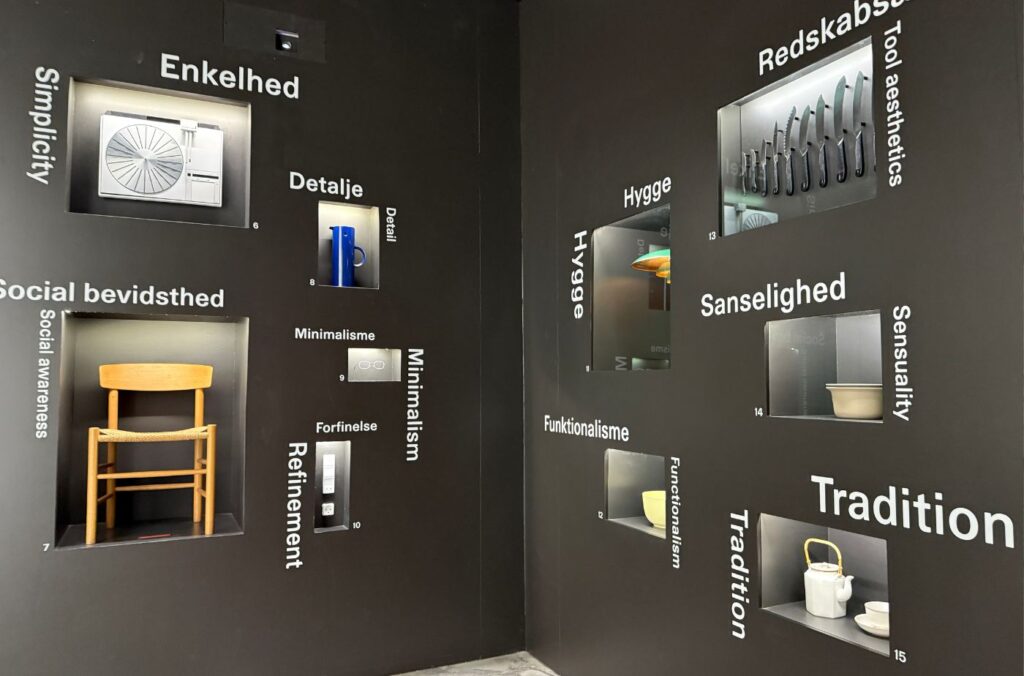
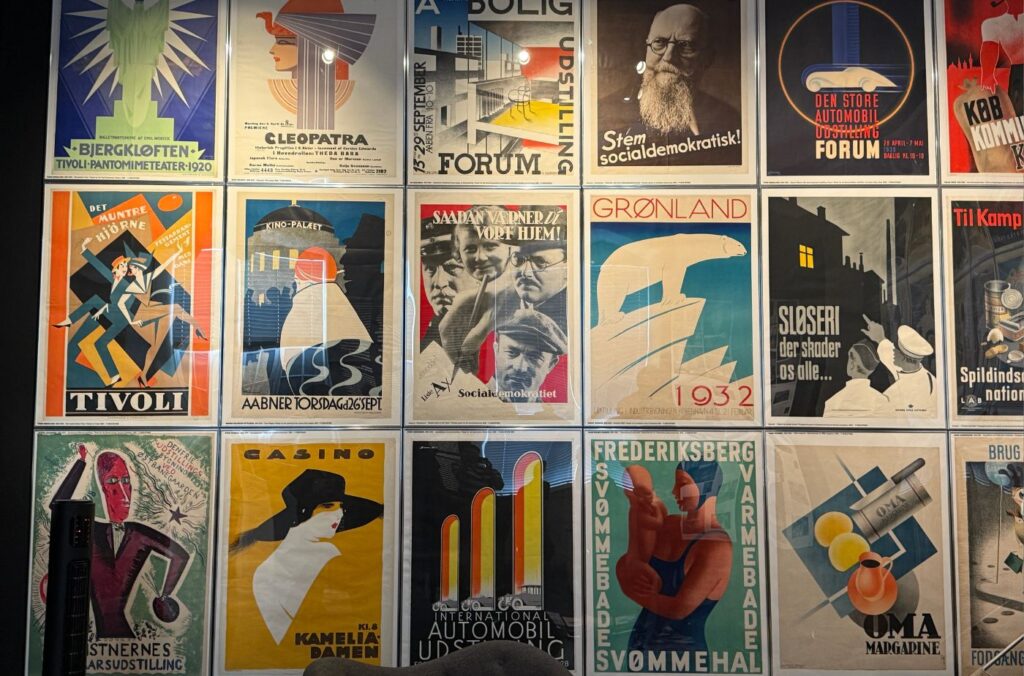
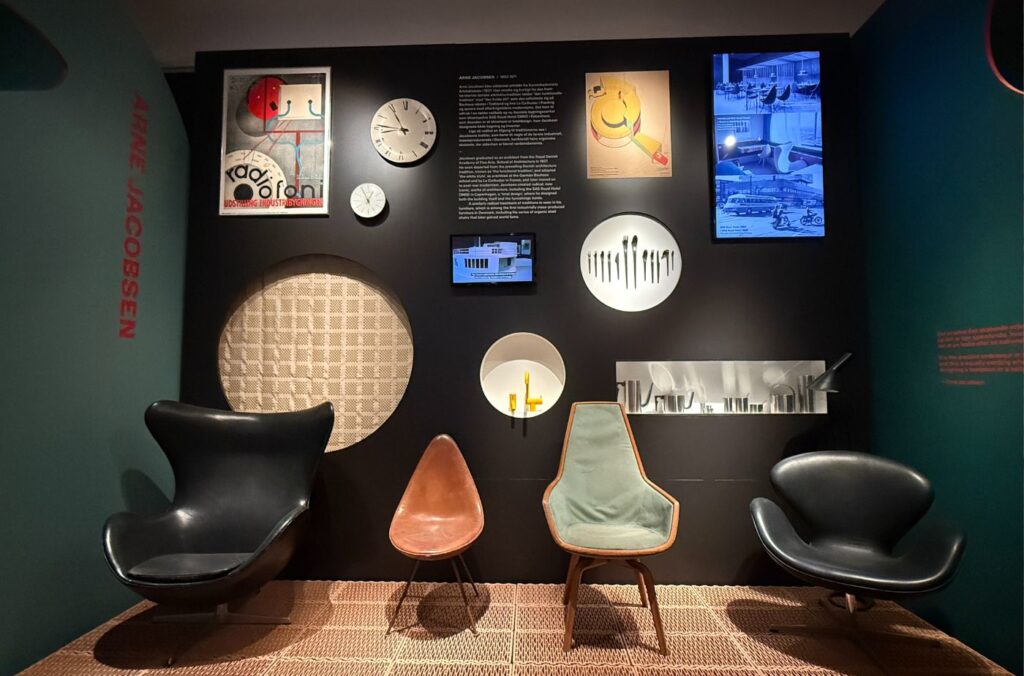
The Design Museum’s permanent exhibitions cover multiple themes and eras. For example, the “Danish Modern” gallery traces 20th century Danish design, showcasing iconic furniture and objects from Arne Jacobsen to Poul Henningsen.
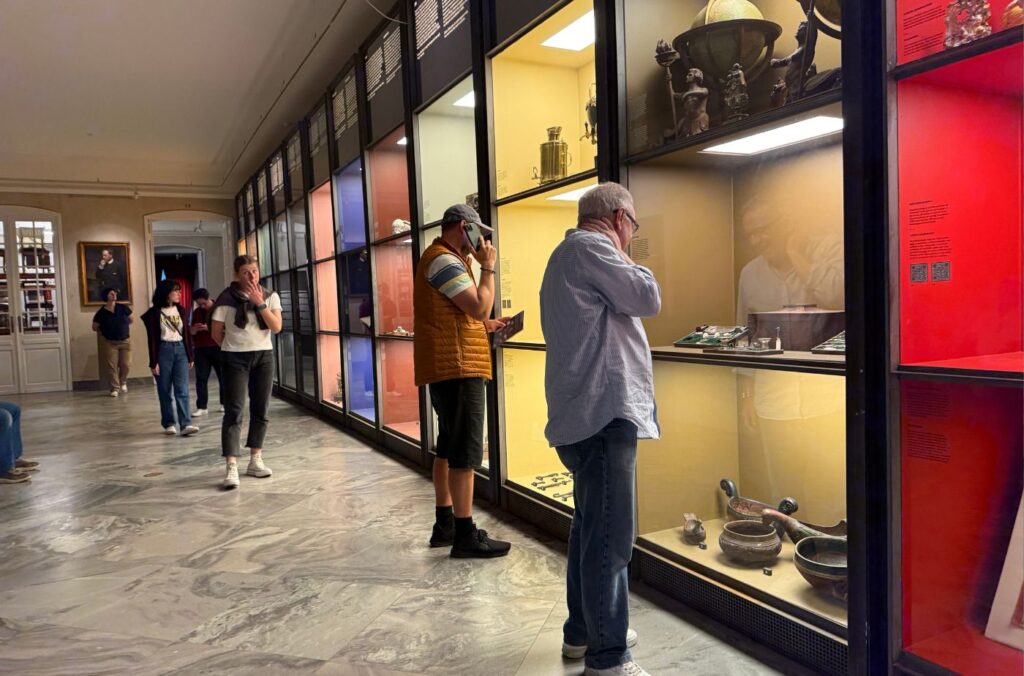
The exhibition “WONDER” is a treasure-chest of the museum’s oldest and quirkiest pieces, celebrating collectors and curiosities (complete with a special display of Japanese sword fittings).
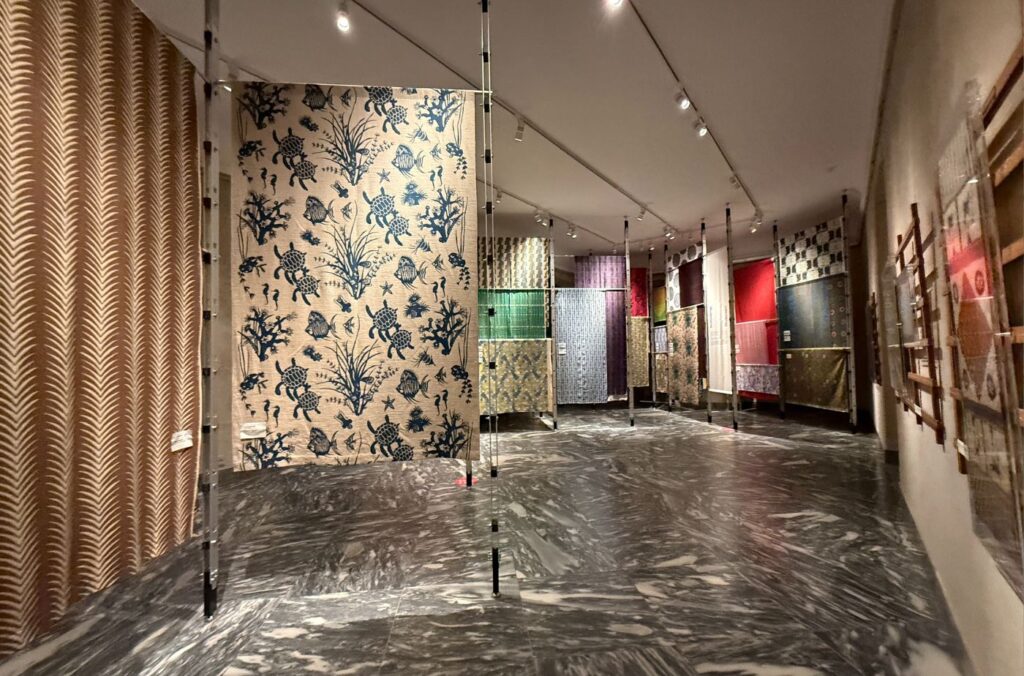
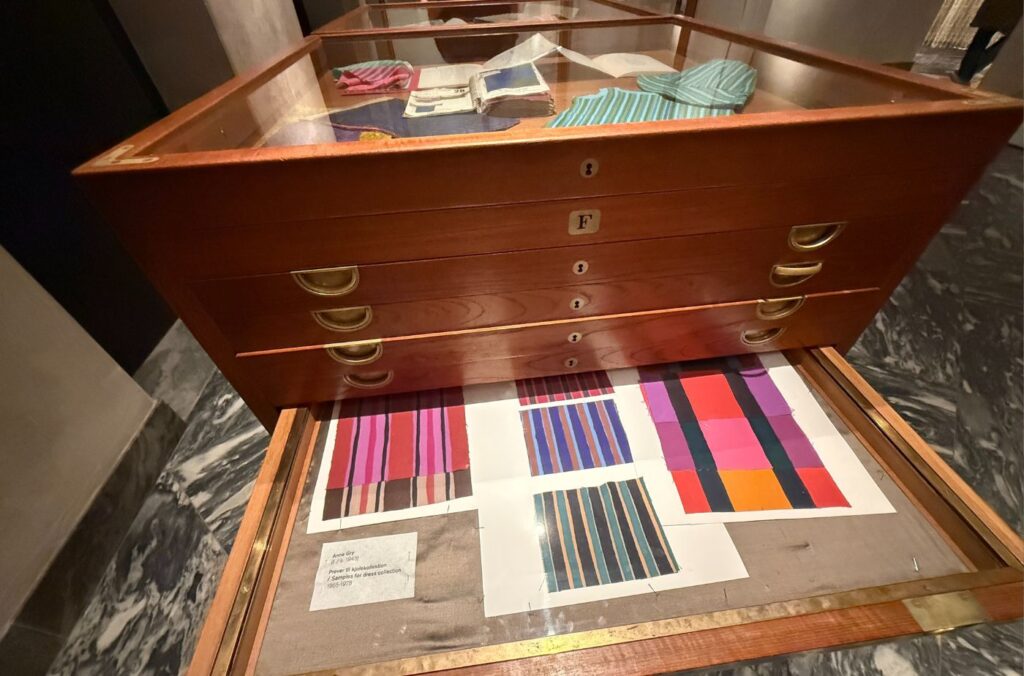
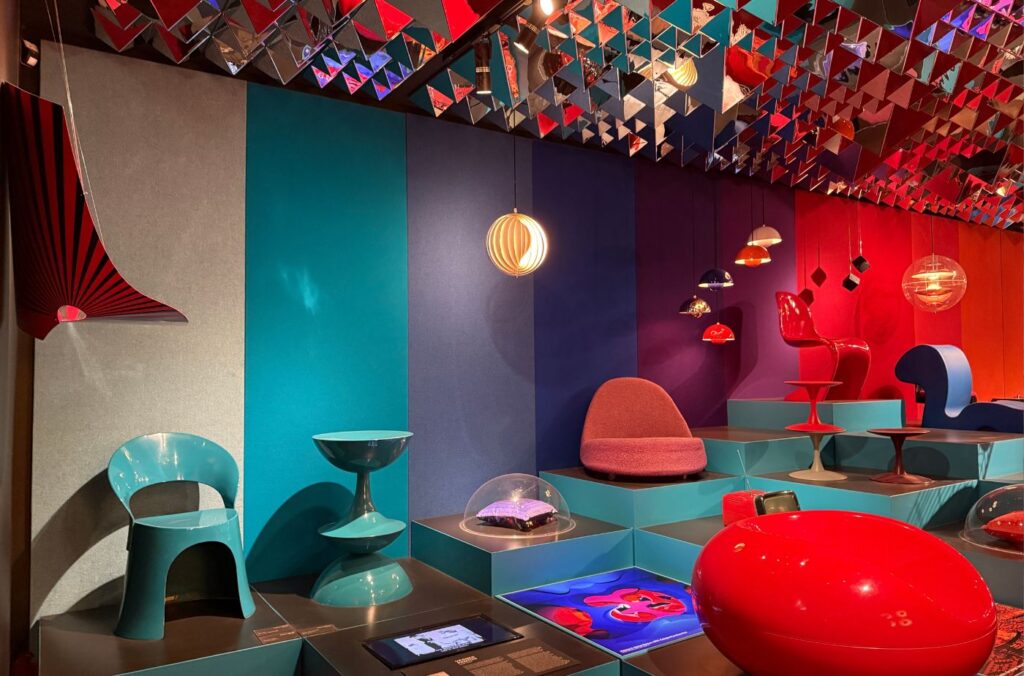
“Powerful Patterns” (co-designed with artist-designer Henrik Vibskob) is a playful, colourful exhibition of decorative patterns from textiles and prints.
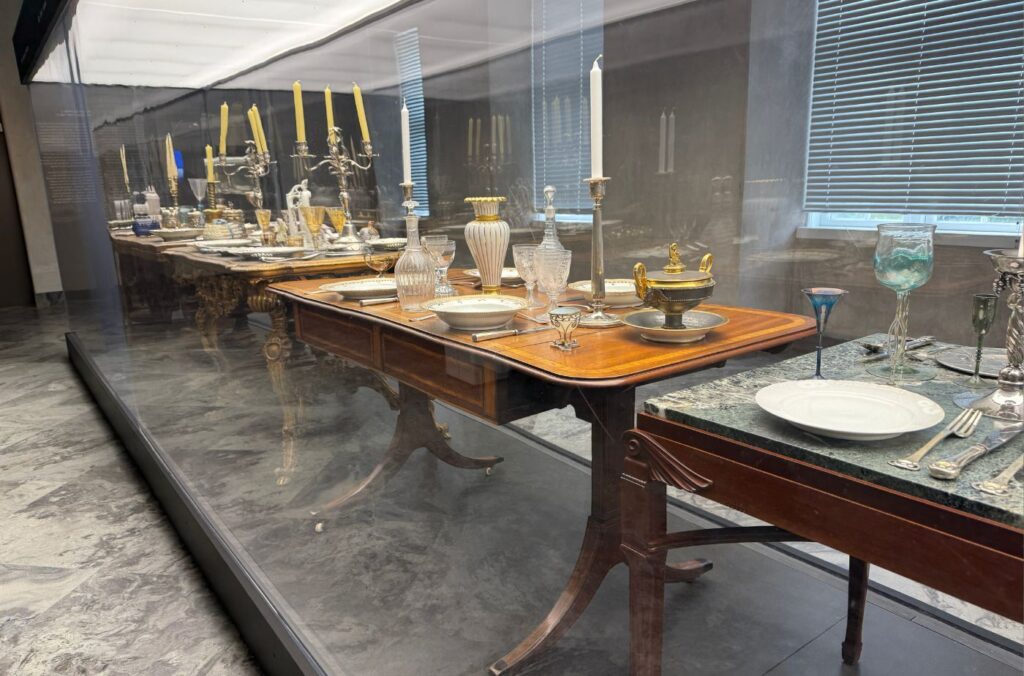
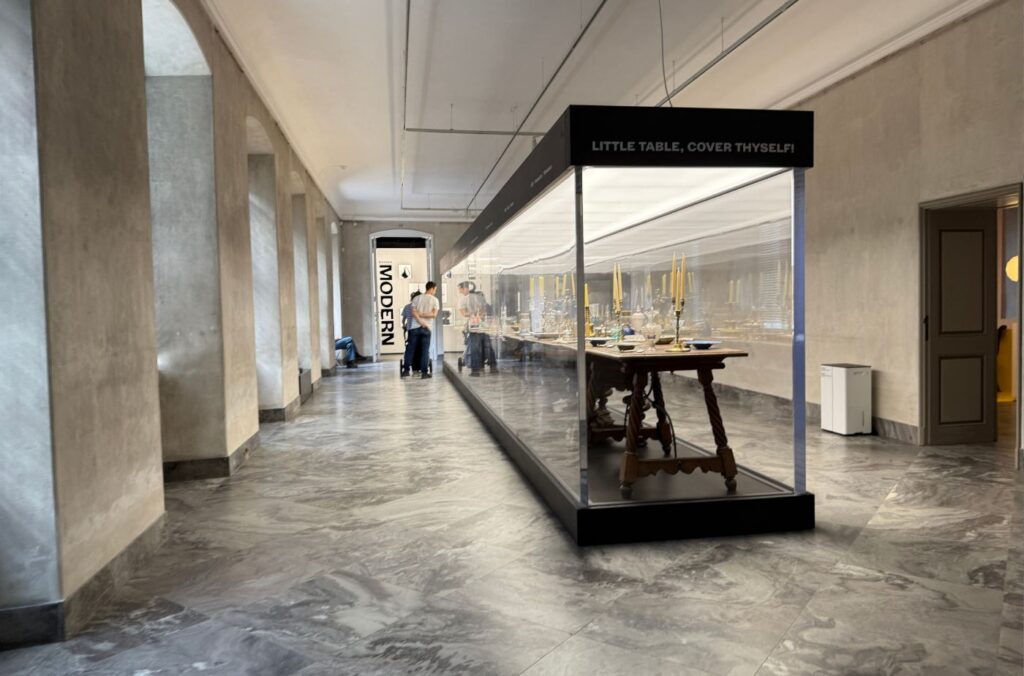
“Little Table, Cover Thyself!” (history of dining) displays a 13 metre lit table by Boris Berlin and settings from the Renaissance to modern minimalism.
“Danish Silver” charts Danish silverwork from Arts & Crafts through Art Deco to Modernist forms.
“In the Making” is a hands-on design lab where visitors can touch prototypes and make their own design sketches.
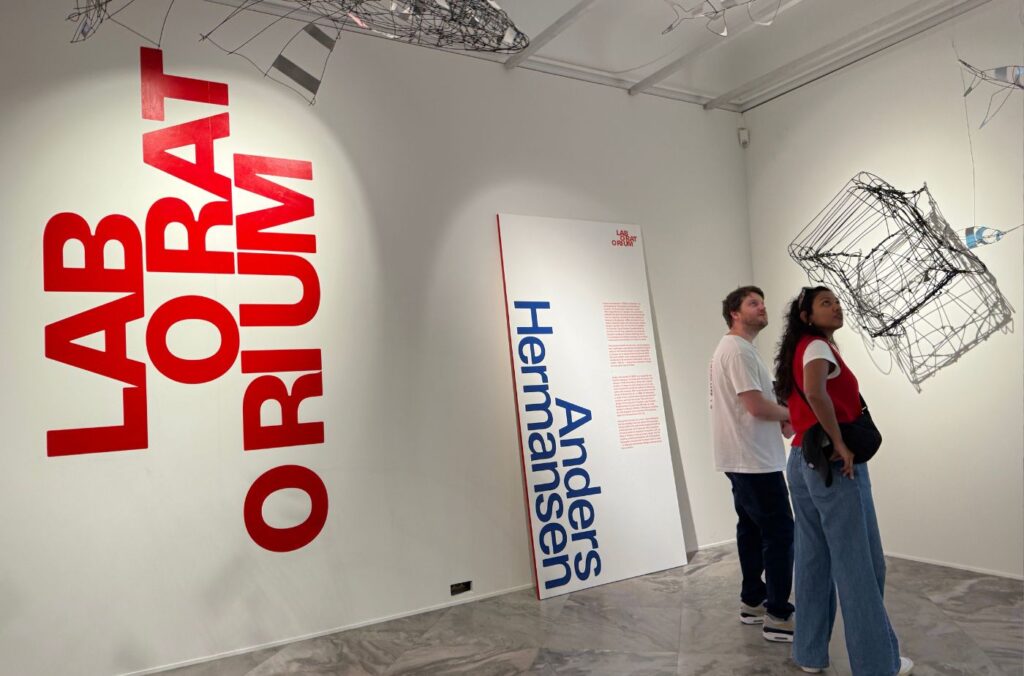
Beyond the permanent displays, the museum frequently hosts temporary exhibitions for specific design movements, periods, artists, or international design styles.
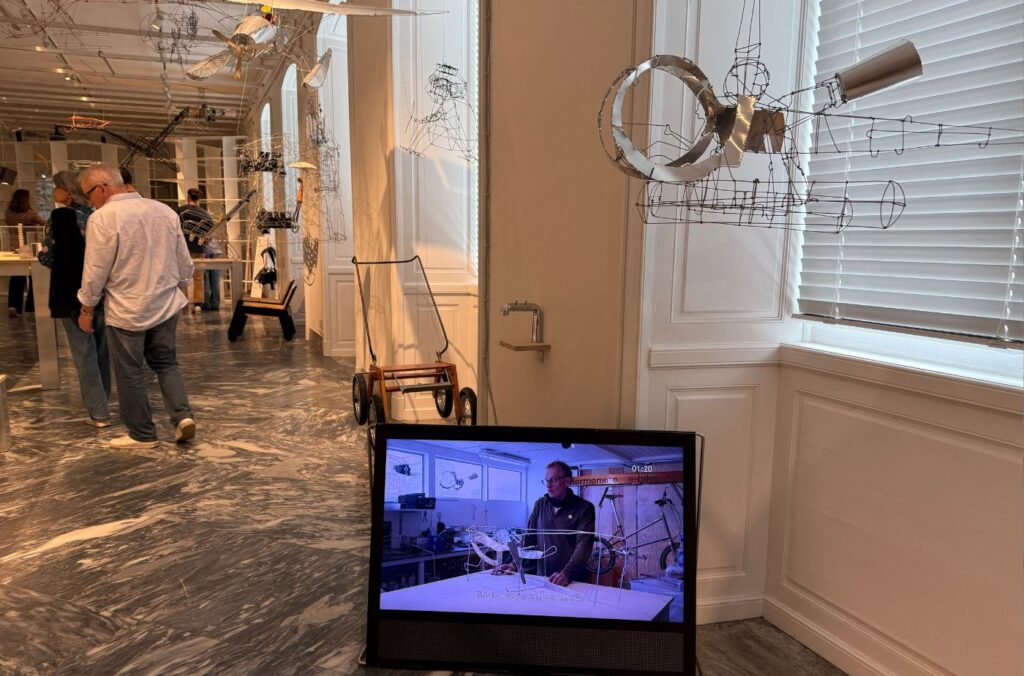
The museum is beautifully designed. The entire museum is on one floor, and you must walk through section to get to the next. Kind of like IKEA! (I know IKEA is Swedish, but in an article about Scandinavian design, I can’t help myself). At times I found it a little overwhelming, with just so much and so many things to look at, and there were some exhibitions I did skip. However, overall I found the museum to be beautifully designed – I think I enjoyed that more than any specific exhibit.
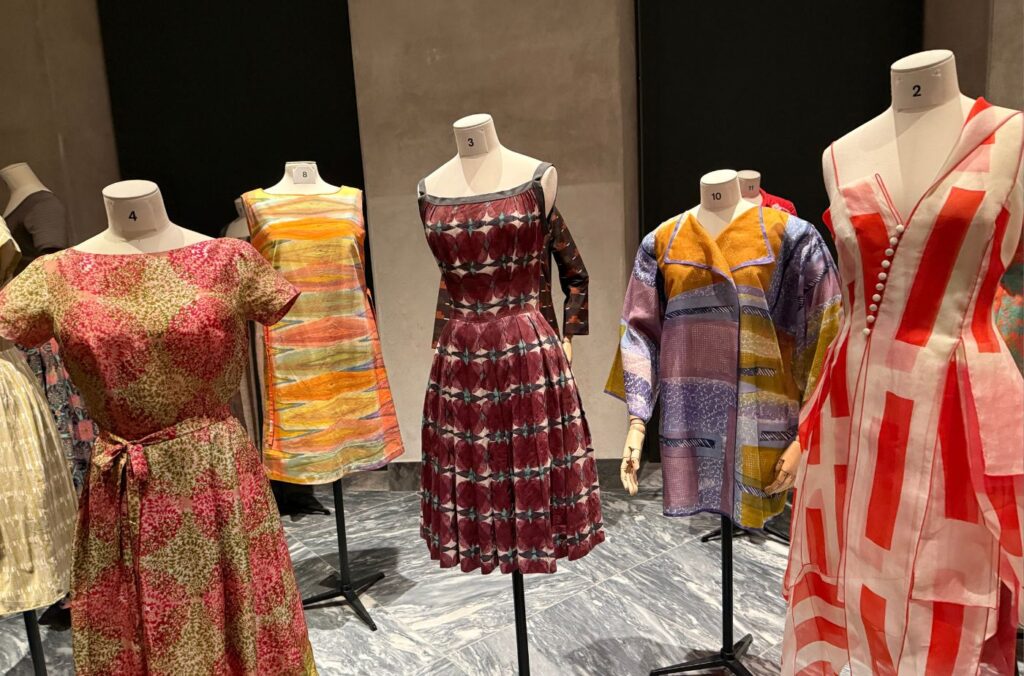
Across all galleries, the Design Museum draws on its vast collections of Danish and global design. The holdings span Western design from the late Middle Ages to today: outstanding furniture, lighting, and industrial design; fashion and textiles, ceramics, glass, product design, plus a rich Asian crafts collection. Overall, the collections highlight famous Danish names and make Copenhagen’s design heritage tangible for visitors.
Practical Information
Opening Hours
Tuesday-Sunday 10am-6pm (Thursdays until 8pm). The museum is closed on major holidays.
I was here close to closing, so got through the museum in under an hour. However, I would recommend spending more time there.
Tickets
Please check their website for the most up-to-date opening hours. As of 2025, adults are 140 DKK and children under the age of 18 are free. The Copenhagen Card gives free admission to the museum.
The museum is centrally located at Bredgade 68 in the Frederiksstaden district. It’s close to Amalienborg Palace, and the Resistance Museum is only a five-minute walk away.
Østerport Station is the closet train station, while Marmorkirken (M3 line) is the closed metro.
Accessibility
The ground floor, café, shop and library are wheelchair-accessible. There is no elevator to the upper floors, which house the Assembly Hall and porcelain collection. A lightweight wheelchair is available to borrow, and personal assistants for disabled visitors enter free. Baby strollers and wheelchairs can be borrowed.
Cafe & Shop
The on-site Café offers seasonal, locally sourced food and drinks. In summer, there’s a lovely terrace and museum garden with outdoor seating. Admission to the café is free.
The shop is wonderful and full of design books, prints, and homewares inspired by the exhibitions.
Design Museum Denmark
Overall, the Design Museum is, in my opinion, a must-see when visiting Copenhagen. Denmark is so closely associated with good design, and it’s very worthwhile heading here to see exactly why.