Nestled in the world’s northernmost town of Longyearbyen, the Svalbard Museum offers an immersive look into the history and nature of the high Arctic. This engaging museum brings Svalbard’s 400-year story to life, from its early whaling days to the modern era of science and tourists. It’s an absolute must-visit for visitors to the town, especially if you want to understand the background of this remote archipelago. When I visited Svalbard in March 2024, I visited the museum and appreciated the details of the information, especially since Svalbard really interests me! Here’s an overview of the museum and exhibitions, and hopefully, you can visit too.
The Svalbard Museum officially opened in 1982 as a community-driven project. For the first few years, it relied entirely on dedicated local volunteers – there were no paid employees here until 1988. The museum’s creation was motivated by a desire to preserve and share Svalbard’s unique natural and cultural heritage, helping people understand the interplay between Arctic nature, human activity, and the environment.
Housed initially in a rustic building in Longyearbyen’s old town, the museum eventually outgrew its humble beginnings. In 2006, it moved into a section of the new Svalbard Science Centre, a modern facility it shares with the local university and research institutes. This upgrade expanded the exhibit space and underscored its role as a professional, research-engaged museum.
The Svalbard Museum’s excellence was formally recognised when it received the Council of Europe Museum Prize in 2008. This award is given to only one museum in Europe each year.
The Museum Today
Today, the Svalbard Museum is a modern attraction that ranks among Longyearbyen’s top sights. It is one of the world’s northernmost museums and offers a broad, comprehensive insight into Svalbard’s past and present. Housed in the Svalbard Science Centre, the museum provides a calm and informative space with all information in both English and Norwegian.
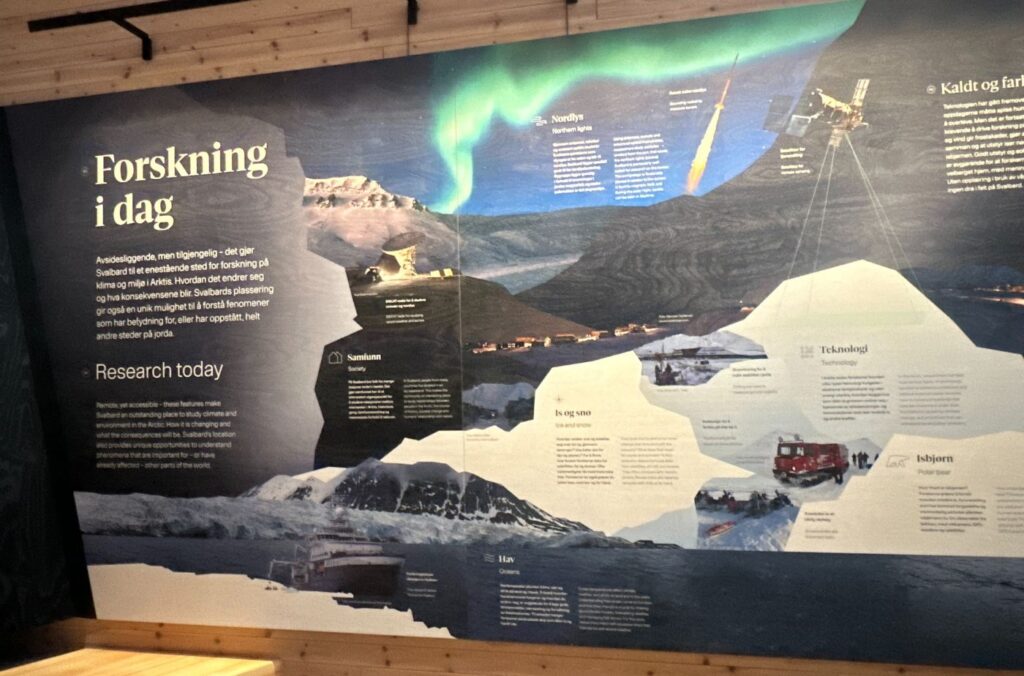
After a significant refurbishment, the museum launched a new exhibition called “A Changing World” in early 2024. Despite its relatively small size, the museum packs over 12,000 artefacts and 28,000 historic images, giving a rich overview of Svalbard’s heritage.
Exhibitions
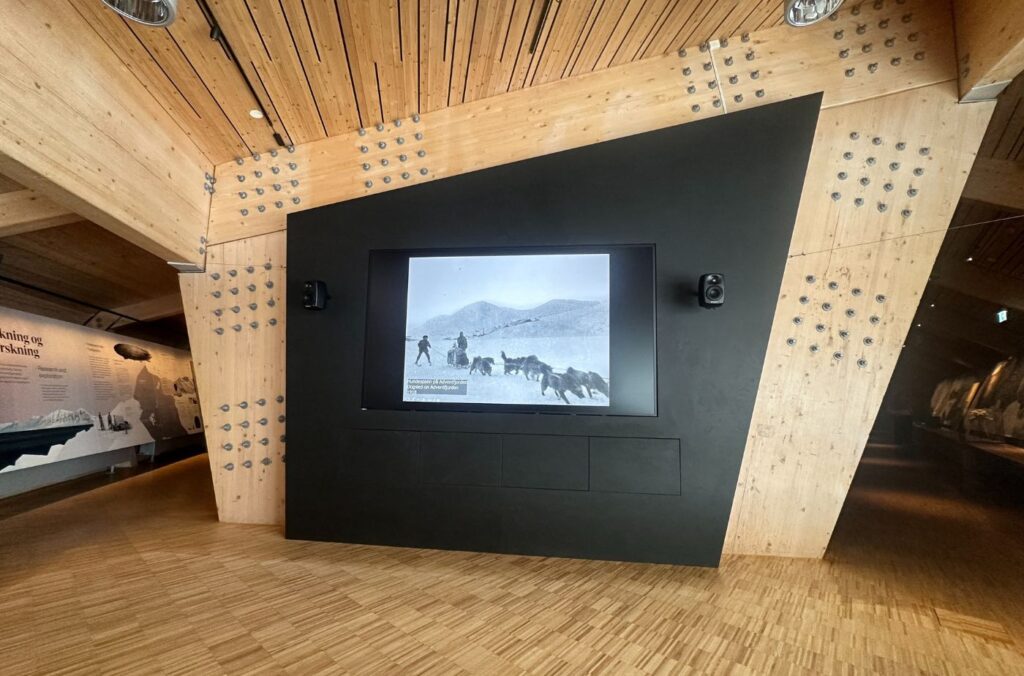
I loved walking around this museum – I took hundreds of photos during my visit. The exhibitions here take you on a journey through time, from the archipelago’s discovery to the era of whaling and sealing, the great polar expeditions, the rise of coal mining, and the present-day society of science and tourism.
The displays vividly illustrate how life in this harsh Arctic environment has evolved, highlighting the close relationship between Svalbard’s nature and its people.
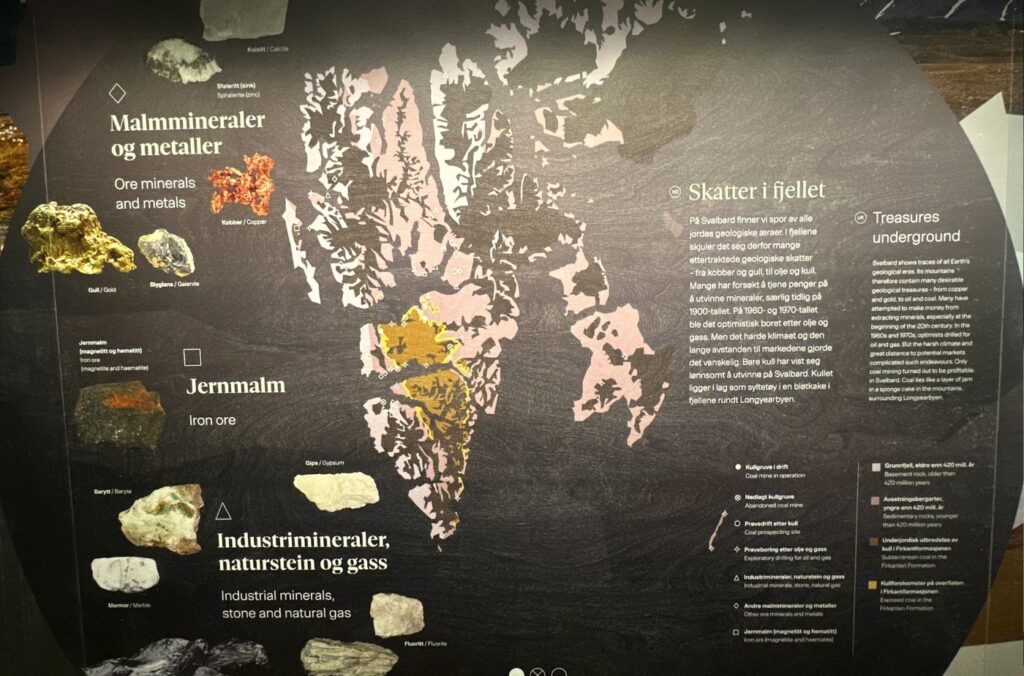
Ancient fossils and geological samples are also displayed, which reveal an astonishing fact: Svalbard’s islands were not always frozen—hundreds of millions of years ago, they were located much further south, basking in a warmer climate.
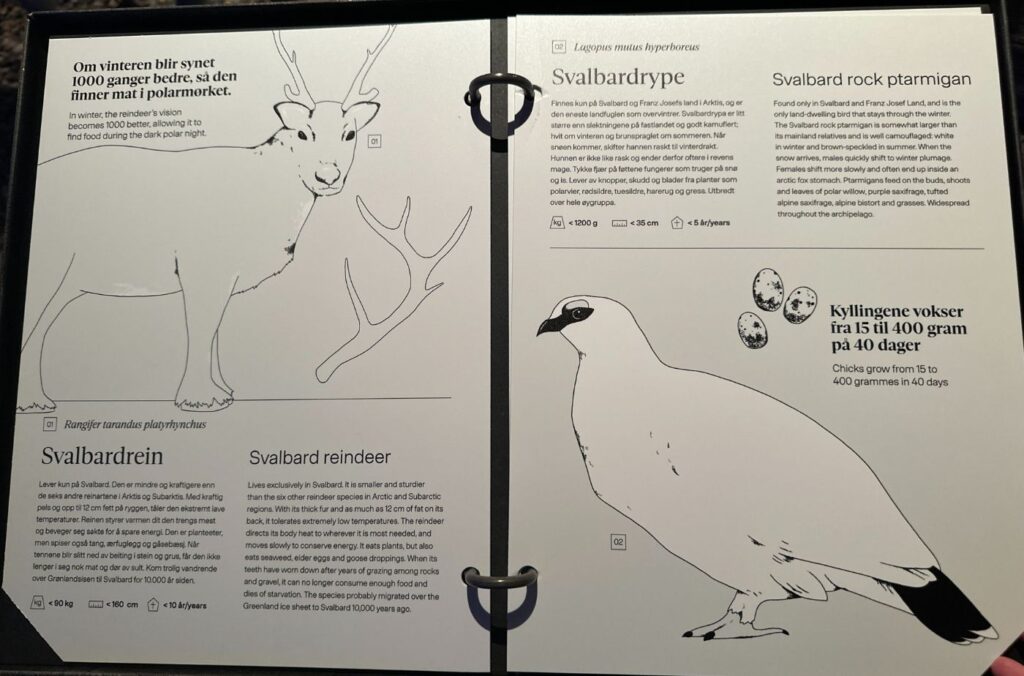
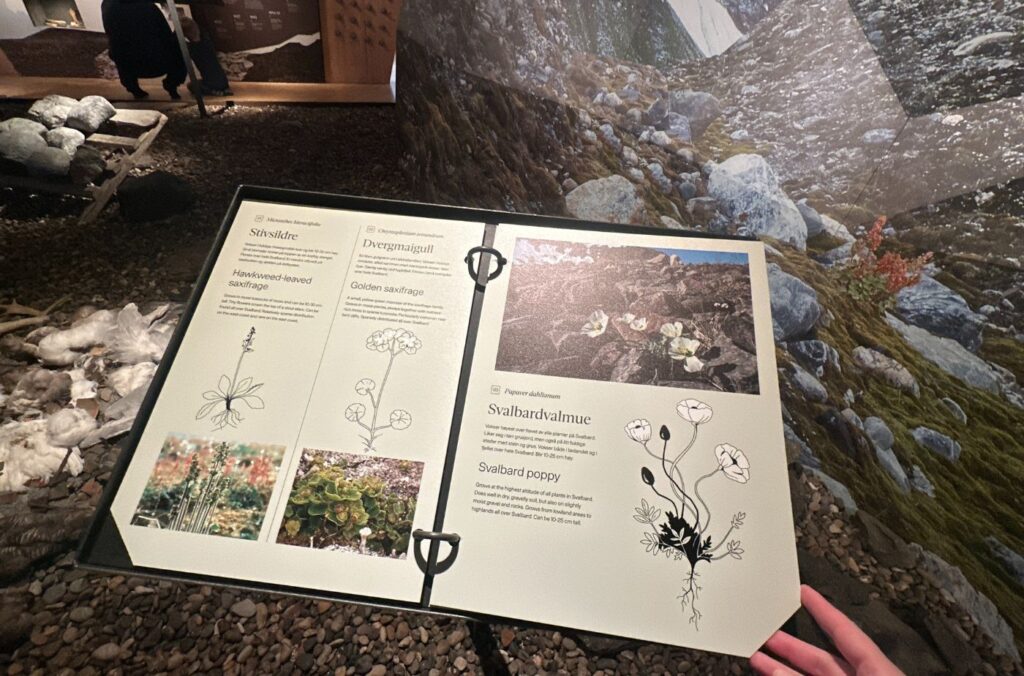
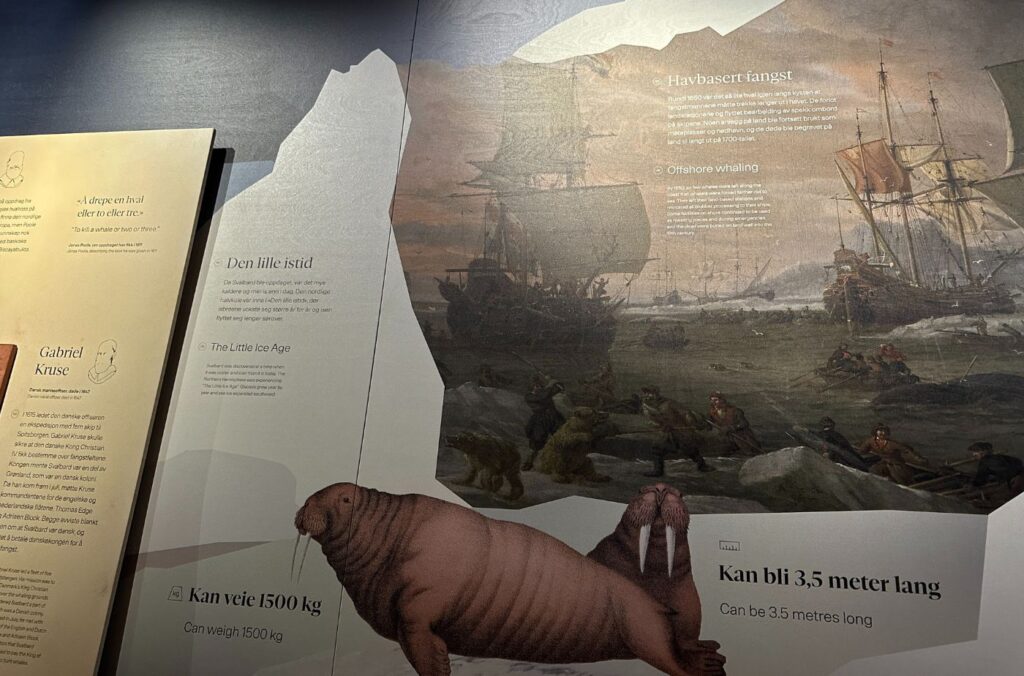
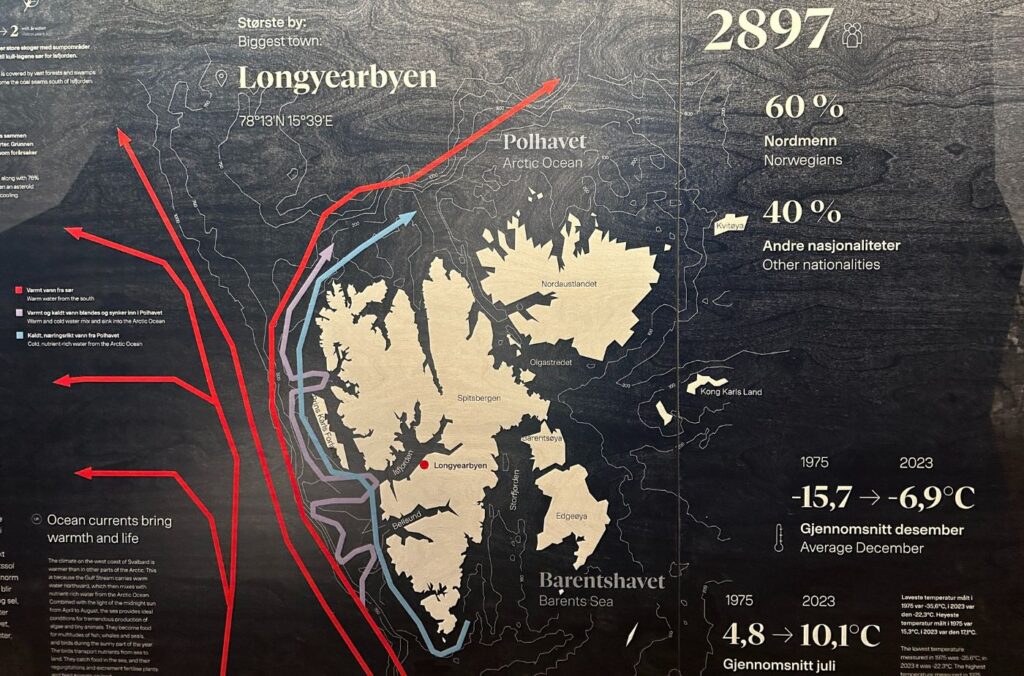
There is also a focus on Svalbard’s natural history, with special displays on the types of wildlife you can see on the archipelago—from polar bears and walruses to arctic foxes and Svalbard reindeer. Look how detailed these guides are about the wildlife you can see on Svalbard! It’s so well presented.
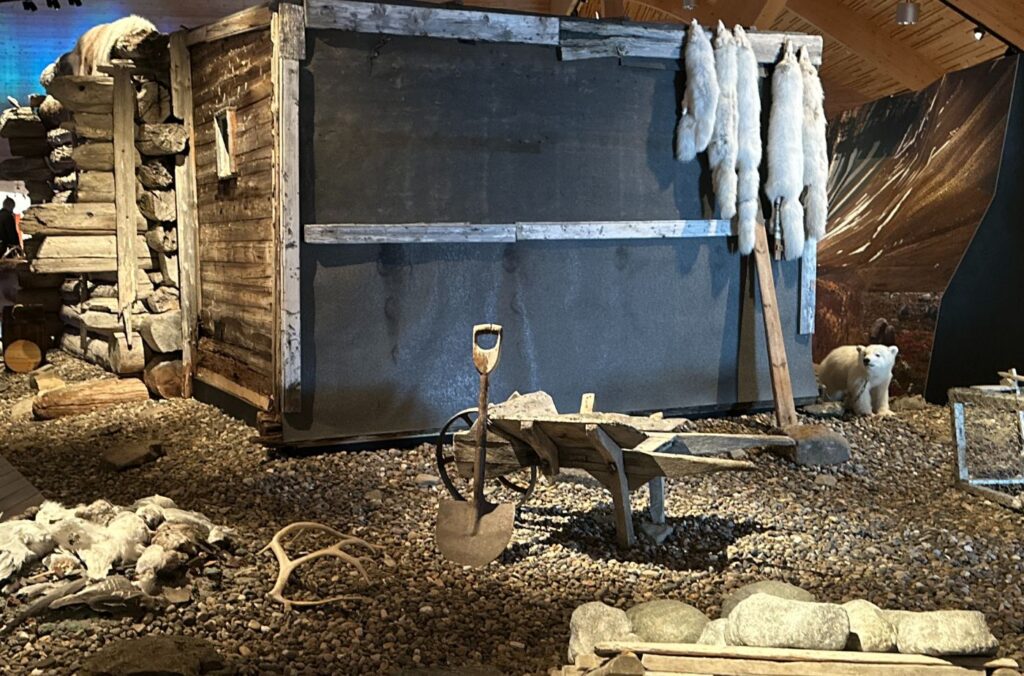
A real-life trapper’s cabin exhibit shows the rugged lifestyle of Svalbard’s hunters and trappers. You can see bunks, tools, and a cosy stove—imagine how people survived the polar night in such tiny quarters.
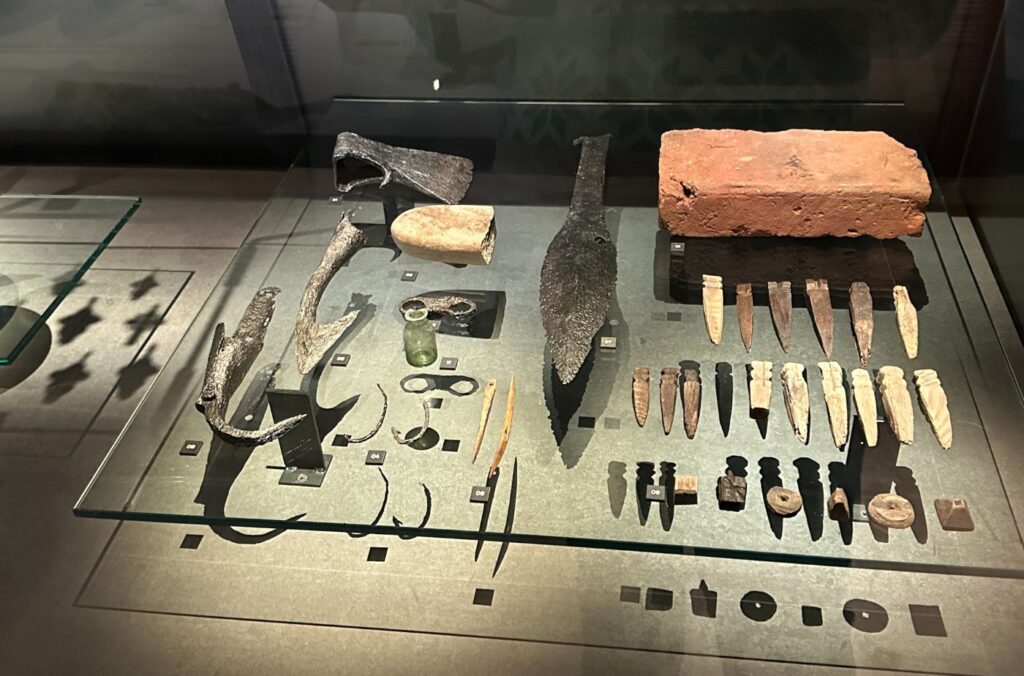
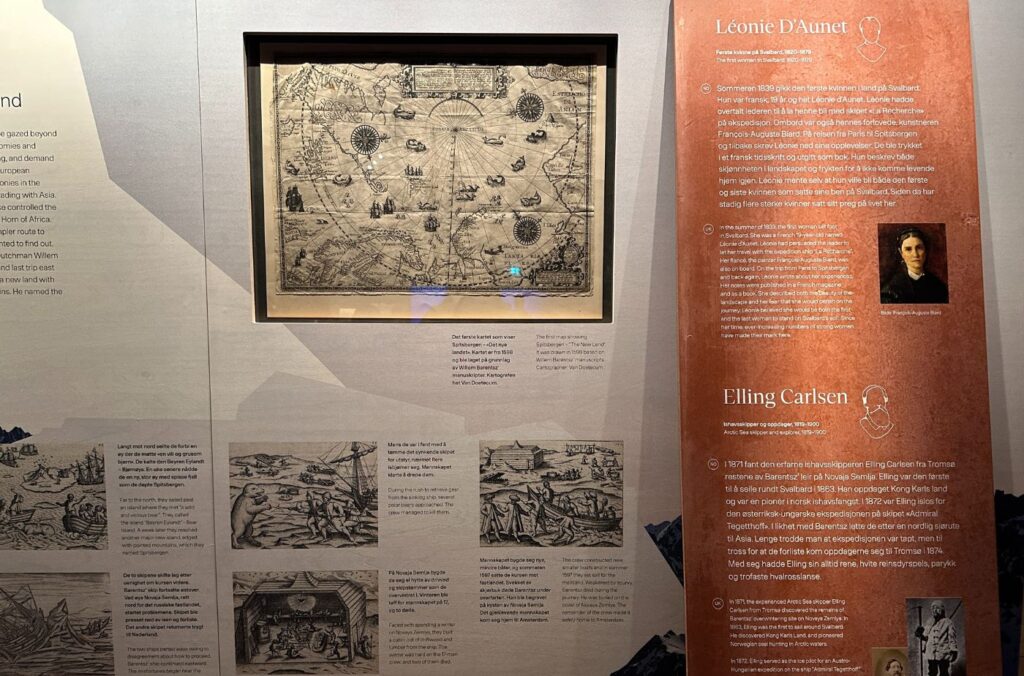
There are well-preserved artifacts from the 17th-century whaling era, including clothing from old whalers’ graves.
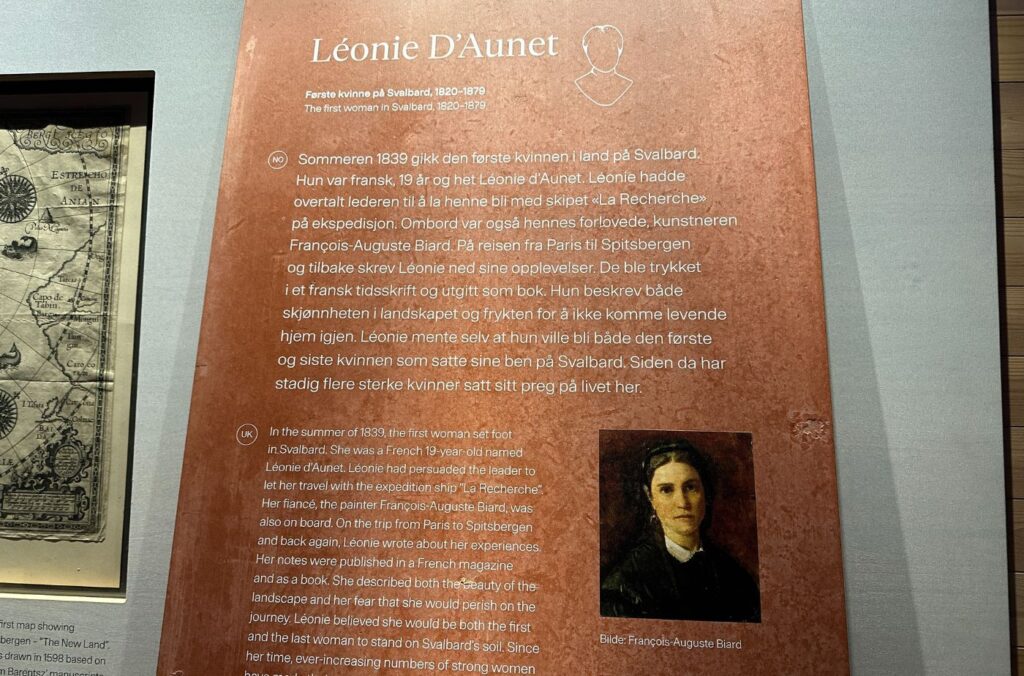
Throughout the exhibition, boards tell the lives of people who lived or stayed on Svalbard for extended periods of time. I really liked this; it brought a human aspect to the history. They have boards explaining the ‘famous’ people like John Longyear (who founded Longyearbyen) and Roald Amundsen, the polar explorer, but they also feature ‘lesser known’ explorers and settlers.
Visiting the Museum
Opening Hours
The museum is open daily from 10 a.m. to 5 p.m. year-round, though it closes on public holidays.
Tickets
Please check their website for the most up-to-date information. Local residents can receive discounts, and children under 18 enter free of charge. You can also purchase a multi-day pass to the museum if you wish. Booking in advance is not necessary.
Accessibility
The Svalbard Museum is wheelchair accessible and all on one level. The entrance is step-free, and the toilet and gift shop are on the ground floor for easy access. At the Svalbard Museum, there is a written guide for those who need it. Service dogs are also permitted, and there are good light conditions throughout.
Cafe
There is no café in the museum, but there are cafes just a short walk away—the popular Café Huskies is nearby for a warm drink after your museum tour.
Shop
The gift shop has an excellent selection of Svalbard books covering history and wildlife in multiple languages, maps, postcards, locally made knitwear, and polar-themed souvenirs.
Language
All exhibit descriptions are in both English and Norwegian.
Tips for Visiting
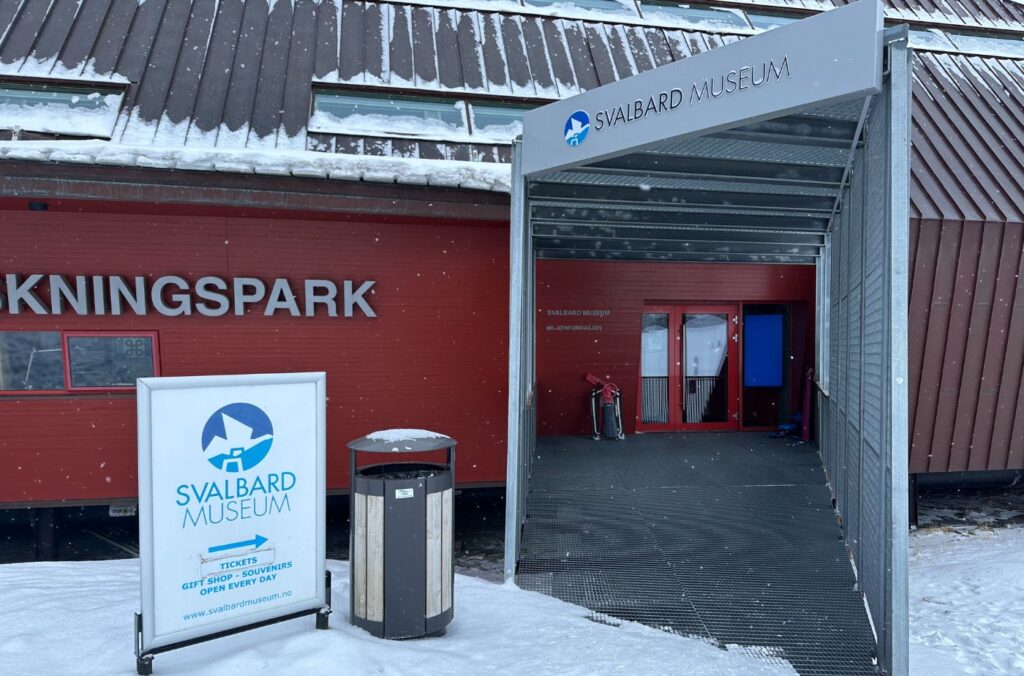
The Svalbard Museum is a shoe-free zone—you’ll be asked to remove your boots at the entrance. This is a common feature of entering buildings in Svalbard, and it goes back to the days when this was a mining town where miners had to remove their muddy boots. There are racks to store your shoes, disposable slippers, or you can walk around in your socks—there aren’t many museums around the world where you can do that!
Plan to spend at least a full hour here to appreciate the exhibits fully.
I love Svalbard and its history, and I believe this museum is a must for anyone visiting Longyearbyen. It’s so well presented and covers so much that I recommend visiting it early on to help you appreciate the rest of your trip even more.