
Hamningberg: Norway’s Arctic Ghost Town
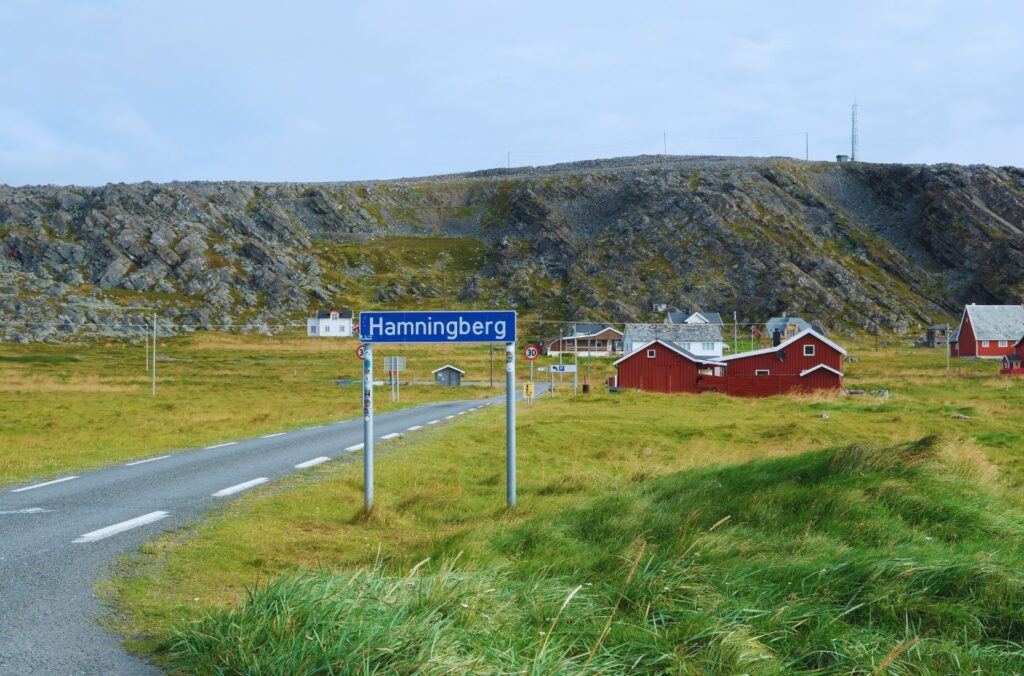
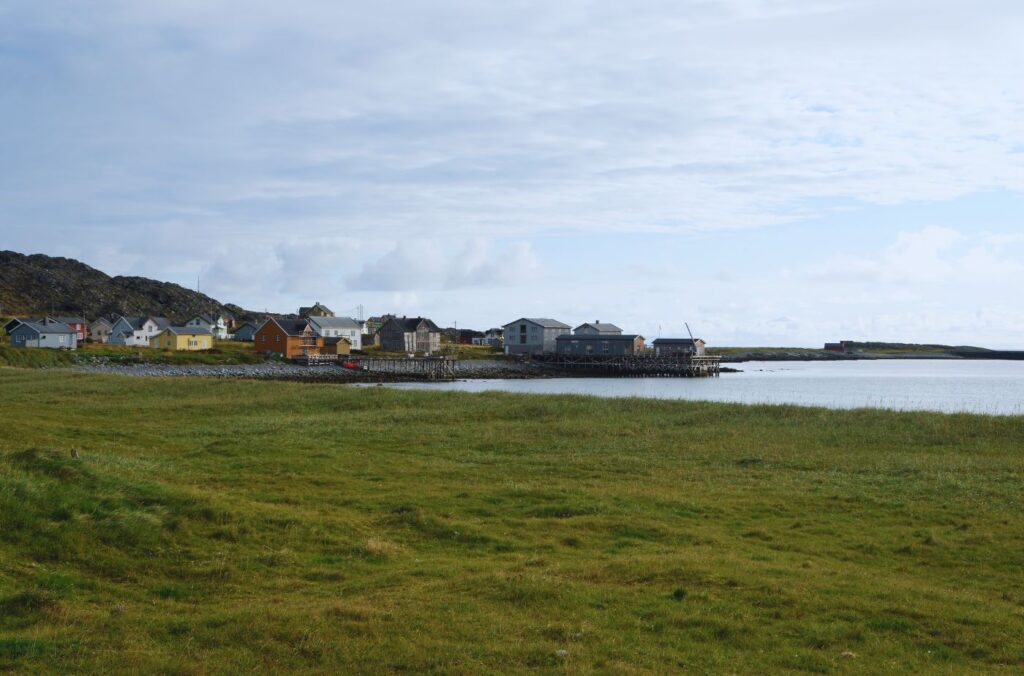
Hamningberg is a tiny abandoned fishing settlement on the far northeastern coast of Norway (Varanger Peninsula, Finnmark). Today it draws travellers as the end-point of the scenic Varanger road trip – its cluster of colourful wooden houses seems like a snapshot of 19th-century coastal Norway preserved at the “end of the world”. The village is famous for having survived World War II intact – unlike most of Finnmark, the retreating Germans did not burn Hamningberg, so many original timber buildings remain. In short, Hamningberg is a living museum of old fishing-culture in the far north, now popular with road-trippers hunting the midnight sun, wildlife and solitude.
Hamningberg’s unofficial nickname “the end of Europe” has made it a popular destination for road-trippers. Every year, many people drive here to experience the remoteness, unique landscape, and well-preserved buildings.
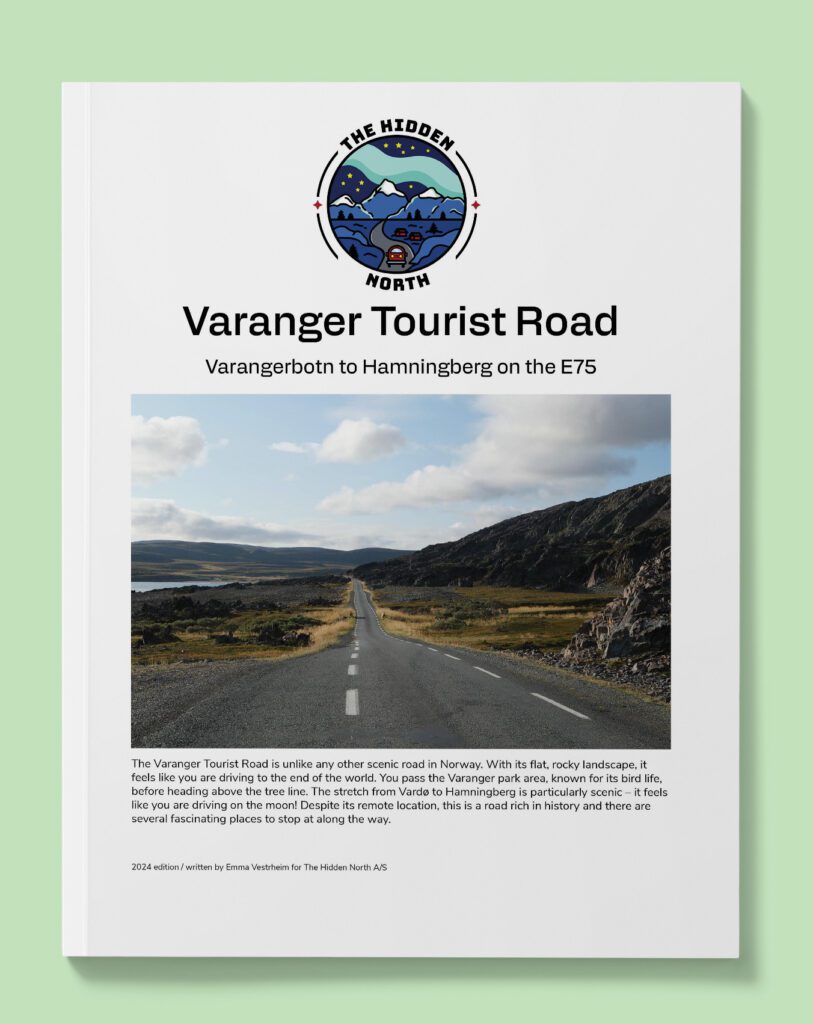
Hamningberg is part of the Varanger Tourist Road – the northernmost and most unique of Norway’s 18 national tourist roads. I visited Hamningberg a couple years ago during a September road-trip, and took some photos while exploring the ghost town. I have finally gotten to writing a blog about the town. So, here is my guide to Hamningberg!
In this article...
History of Hamningberg
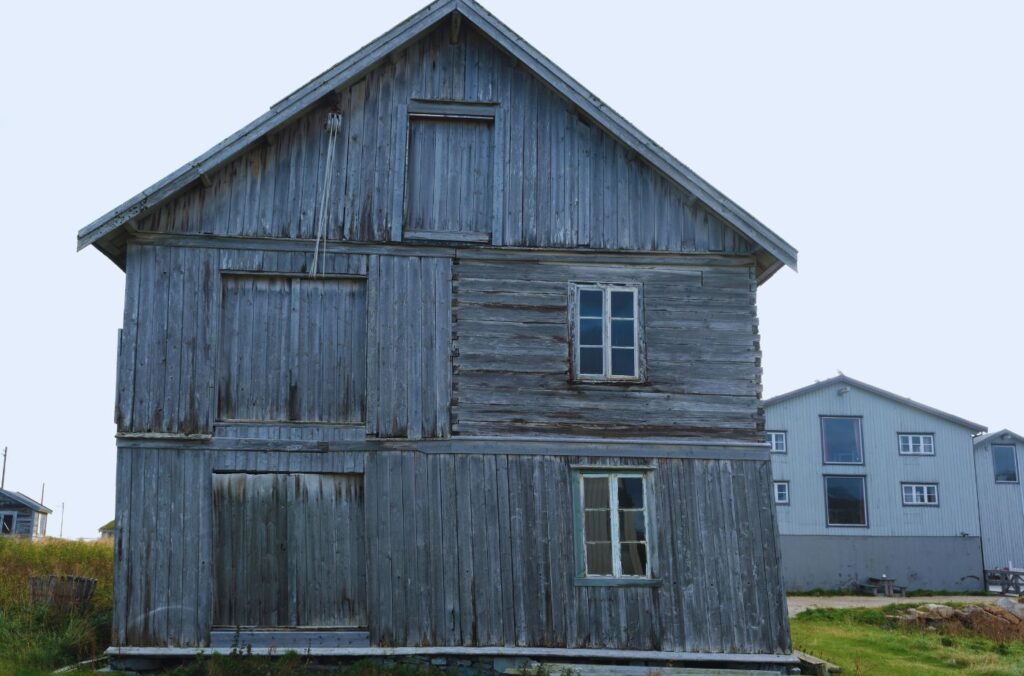
Hamningberg was settled at least as early as the 1500s. Its sheltered beach made it a good base for small fishing boats, and by the late 19th/early 20th century, it had grown into one of Finnmark’s major fishing hamlets. Around 1900, it held ~250 residents, rising to about 700 by 1940. The local economy was based on cod and herring fishing, often trading with Pomor merchants from Russia (who brought grain and timber to exchange for fish). Many of Hamningberg’s wooden houses were prefabricated in Russia and then assembled on-site. On the Russian side, there was a particular interest in Norwegian fish, and on the Norwegian side, there was an interest in Russian timber and flour. Trade was a central part of the business community in Hamningberg from the 18th century until trade ended in 1917, due to the Russian Revolution.
The end of the Pomor trade in 1917 and the stock market crash of 1929 caused economic hardship for Hamningberg. Despite this, the population adjusted to the financial challenges and the town continued to grow.
Nazi Germany occupied Hammingberg during World War II. Due to the fishing village’s strategic position, a German coastal fort was established on the mountain next to the settlement. The German garrison in the city occupied several large buildings in Hammingberg. Many locals moved to cabins they had built in the countryside to avoid the Germans. In World War II, Hamningberg’s fortunes briefly changed for the better: as the German army retreated through Finnmark in late 1944, they failed to torch Hamningberg. Folk stories say they fled in panic, even leaving pots of food cooking on stoves. As a result, Hamningberg is one of the few places in Finnmark that was not burned down.
After the war, however, modernisation brought decline. Fishing vessels got too large for Hamningberg’s exposed, east-facing harbour, and the community’s request for a new pier was never granted. With no safe harbour and better opportunities elsewhere, people gradually moved away. In 1965, the government officially ended Hamningberg as a permanent settlement – residents were given resettlement grants and the village was abandoned. By the late 1960s, it was a complete ghost village, its buildings falling silent.
Hamningberg Today
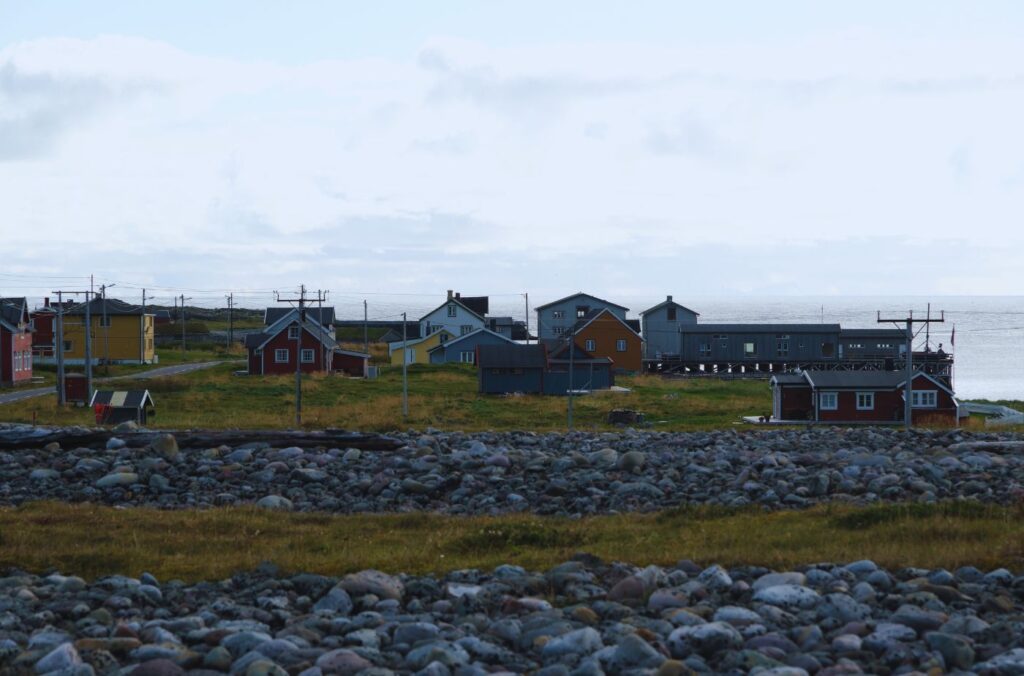
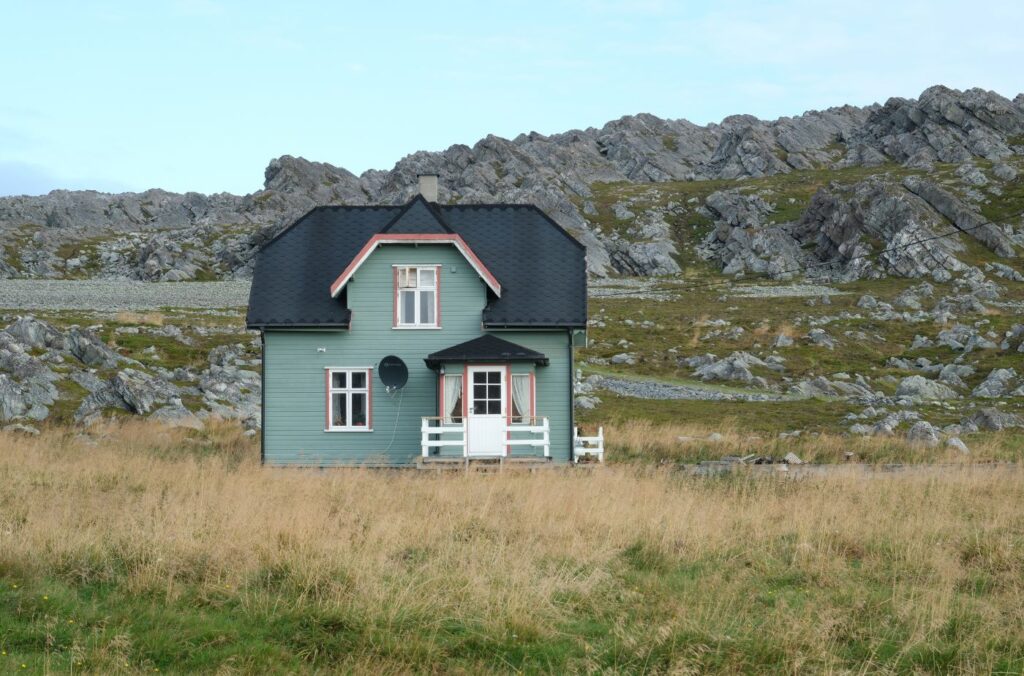
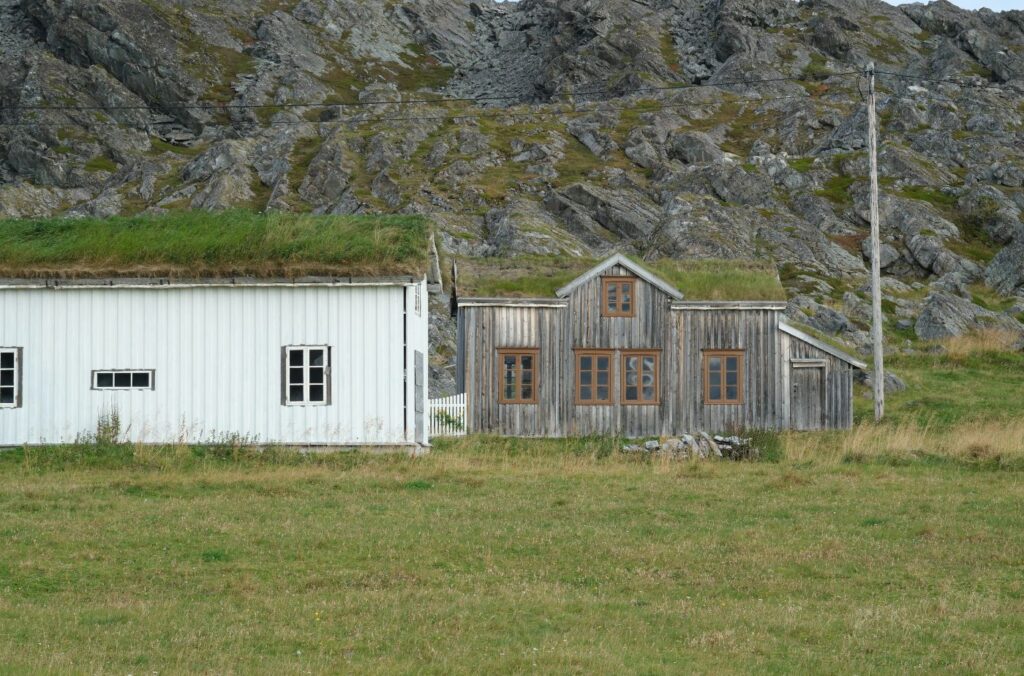
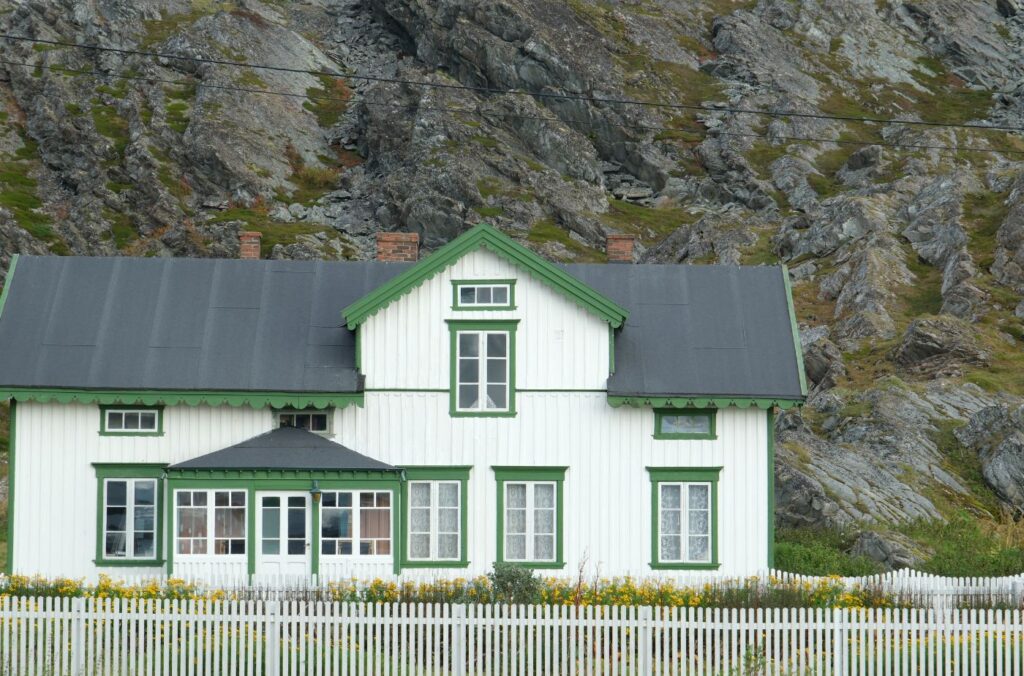
The village survives almost precisely as it was a century ago. Today, Hamningberg survives as a heritage site and summer cabin area. The old fishing-station buildings are protected; many are now privately owned vacation cottages. Some buildings date from the 19th century, and around 65 are now listed. There are excellent examples of Russian prefabricated log houses from the Pomor period, when Russians came to fish from their stations in the area. The buildings are considered enormously valuable because much of Finnmark was destroyed during the war.
In recent years, Hammingberg has become a bucket-list stop for adventurous road-trippers. It marks the end of the Norwegian Scenic Route Varanger – it’s often nicknamed “Europe’s end”. Every high summer, locals and descendants drift back to their old houses, and a small seasonal café opens in a harbour-side store building. Visitors come to stroll the village and shoreline (sometimes spotting wild reindeer and sea eagles) and experience the midnight sun and wilderness peace.
In 2025, the Norwegian scenic roads authority even opened a new rest area at Hamningberg’s “end of the road”, with rustic Pomor-style toilet buildings and parking areas to handle the growing summer traffic. This blends innovation with tradition – the log-constructed toilet pavilions echo Hammingberg’s old architectural style.
Otherwise, amenities remain minimal. An official tourism site points out that there is “no overnight accommodation in Hamningberg”—only a tiny summer café with coffee and waffles.
In short, modern Hamningberg lives on as a quiet open-air museum: a set of old wooden buildings on the Barents Sea, used briefly each year by summer visitors and never fully modernised.
Exploring Hamningberg - What to See & Do
Historic Village
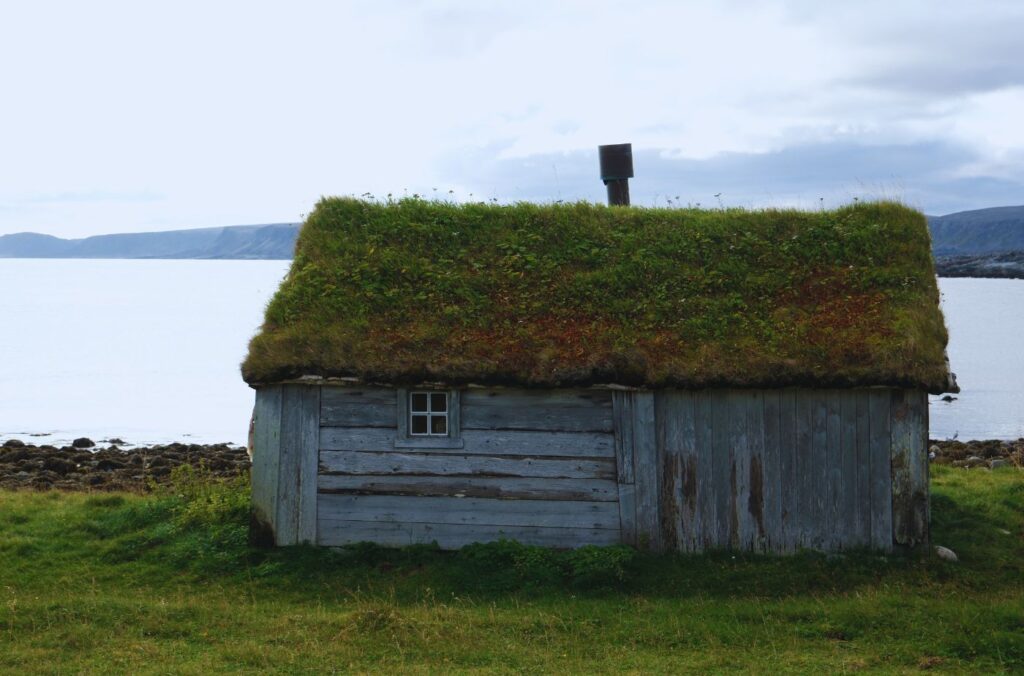
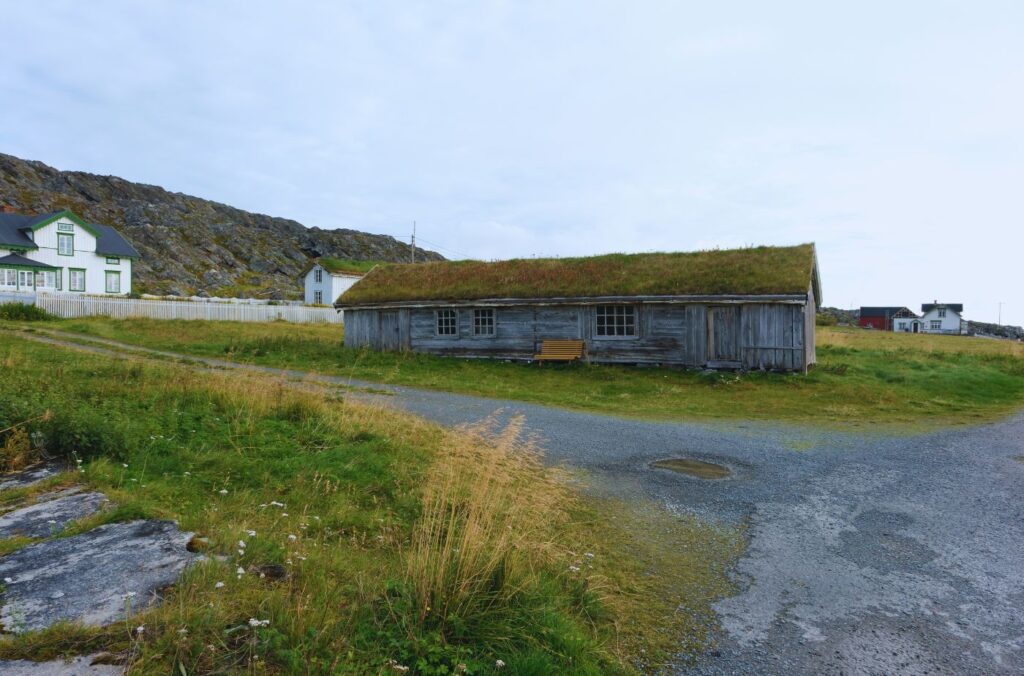
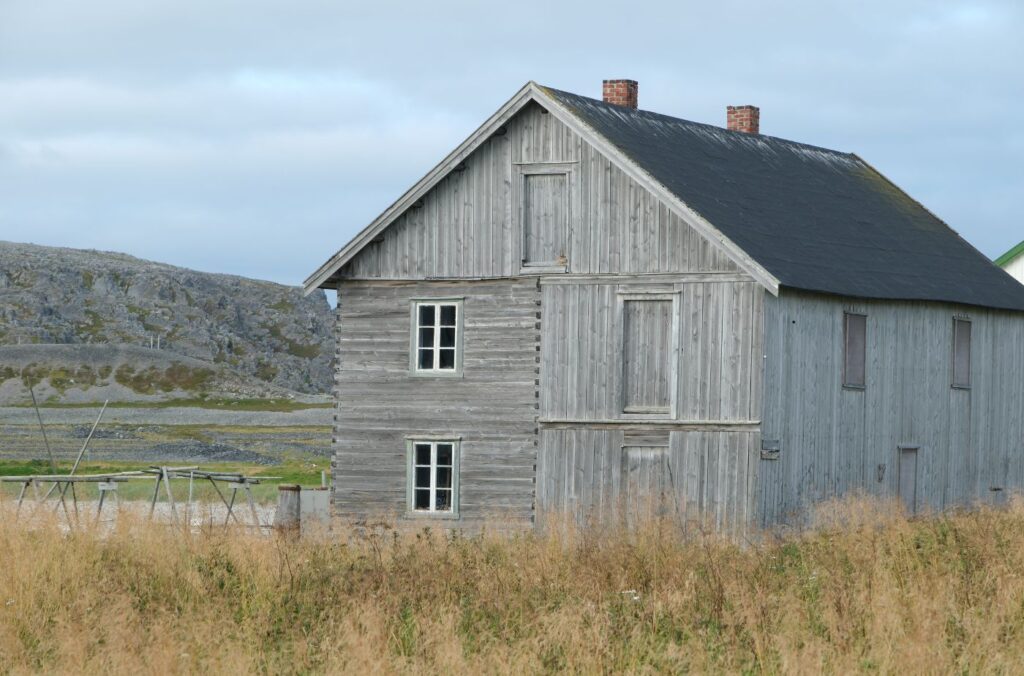
Walk the unpaved lanes past rows of 19th-century timber houses and boathouses. Roughly 60–65 buildings remain, giving a vivid picture of old coastal life. Many have red or yellow paint and grass-covered roofs. You’ll see old storage sheds, fishermen’s cottages and the weathered wooden quay.
Hamningberg Chapel & Cemetery
Visit the simple red wooden chapel (built 1949) and its small graveyard. This long-church is now a protected cultural monument. The cemetery’s wooden grave markers and arctic windswept setting evoke generations of fishermen.
Wildlife Viewing
Keep an eye out for wild reindeer and white-tailed eagles roaming the rocks near the village. Marine life is also possible: from shore you may glimpse orcas, porpoises or minke whales offshore, especially in spring and summer. Birdlife is rich too – Hamningberg is a key stop on migratory routes, with sea ducks and kittiwakes breeding nearby.
Bird-watching Hide
A short walk from the village is a small wooden bird-watching shelter (designed by Biotope architects) that faces the sea. In May and early summer tens of thousands of seabirds pass by, and you can often see porpoises or a passing minke whale. From the hide you may even spy orcas on occasion.
Scenic Landscape
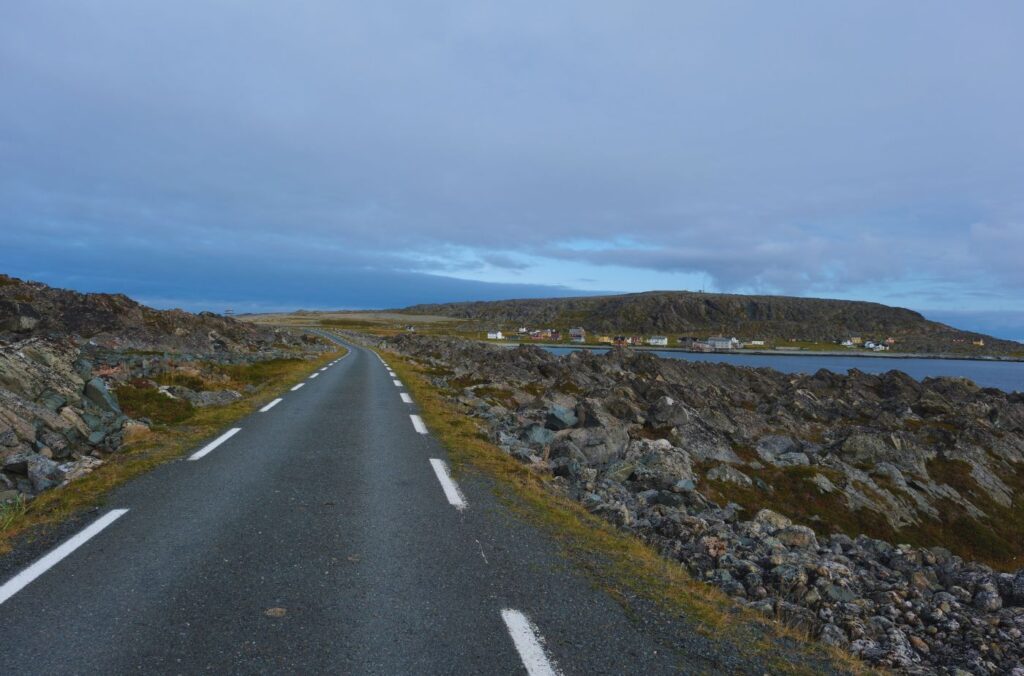
The terrain around Hamningberg is dramatic and geologicaly ancient. As you approach from Vardø the road cuts through a “golden moonlike landscape” of eroded rocks. Some bedrock here is over half a billion years old! On foot, a short scramble up nearby knolls gives panoramic views of the Barents Sea and rugged coastline. Sunset (or midnight sun) light on the bouldery flats can be spectacular.
Memorial
In Hamninbberg you’ll find a memorial for a rescue operation that took place in spring 1894. A hurricane-like storm was coming in at the same time some fishing boats were at sea. The brand-new lifeboat RS Colin Archer set out to come to the fishermen’s rescue, and the boat saved 37 people. The rescue operation became well-known around Norway and accelerated the work of building more lifeboats.
Rest Stop
In September 2025, Statens Vegvesen (the Norwegian Road Authority) opened a new rest stop at Hamningberg. The buildings are inspired by the Pomor prefabricated houses, which are used to build several of the preserved houses in Hamningberg.
Practical Information
Getting There
Hamningberg is reached only by road. The scenic drive (County Road Fv341) runs 45 km from the town of Vardø to Hamningberg (about a 1-hour drive). This final leg is narrow and remote, so take care on the rocky roads and beware impatient drivers. The only public transport to Hamningberg is indirect: you can take the Varanger Express (Bus 64) from Kirkenes to Vardø and rent a car or taxi from Vardø. There is no ferry or regular bus directly to Hamningberg. In winter, there is no through road – the highway closes with the snow, and locals access Hamningberg only by snowmobile for months at a time.
Seasonal Access
The road to Hamningberg is usually open from late spring through early autumn (often mid-May to late September). Officially it “opens in mid-May and closes when the snow starts to fall”. Outside this window the village is effectively inaccessible by car. Plan your visit in June–August for the mildest weather and the midnight sun (the sun never fully sets in mid-summer here. Note that weather can change suddenly – even summer days can be very cold, windy or wet, so bring warm windproof layers and rain gear.
Accommodation
There are no hotels or hostels in Hamningberg. A few private owners rent out cabins or parts of cottages (some even offer stays in historic Varanger-style houses), but choices are extremely limited. Most visitors overnight in Vardø or the larger towns (Båtsfjord, Kirkenes) and make a day-trip out. In-Village camping (wild camping) is possible in summer along the shore if you are well-prepared, but check local rules.
Amenities & What to Bring
Services are minimal. In summer a tiny seasonal café (“Kafe Pakkhuset”) may be open, selling coffee, waffles and simple snacks. That is the only refreshment available. There are no shops, petrol stations or ATMs – the nearest stores and fuel are back in Vardø (or Båtsfjord) before the road climb. Mobile phone coverage may be patchy or non-existent in these remote hills, so don’t rely on data or navigation without an offline map. Bring your own water, snacks, and any fuel you need. (Emergency services are far away, so travel with appropriate safety gear.) Also pack binoculars and a camera – the wildlife and photogenic village are the main attractions.
Terrain & Safety
The hamlet and surrounding coast are low-lying but exposed to Arctic winds. Stay on clear paths around the village (old tracks link the houses and shoreline). Some visitors like to explore old WWII ruins in the area (for example, a German gun battery on the cape), but the official sites have no maintained trails. The terrain is safe for hikers but can be slippery when wet; good hiking shoes are recommended. There are public restrooms at the new rest area, but no tourist center or staffed helpdesk.
Hamningberg
In summary, Hamningberg is an unforgettable detour for adventurous travellers. Its lonely Arctic scenery, quaint old houses and heritage ambience reward those who prepare carefully for a truly off-grid experience. Late spring through early autumn is the only time to visit by road – but in that brief season, you’ll find a landscape full of wildlife, midnight sun, and a poignant sense of history at Europe’s very edge. I really love this place, and it’s a perfect spot to rest after taking the incredibly scenic Varanger Tourist Road.