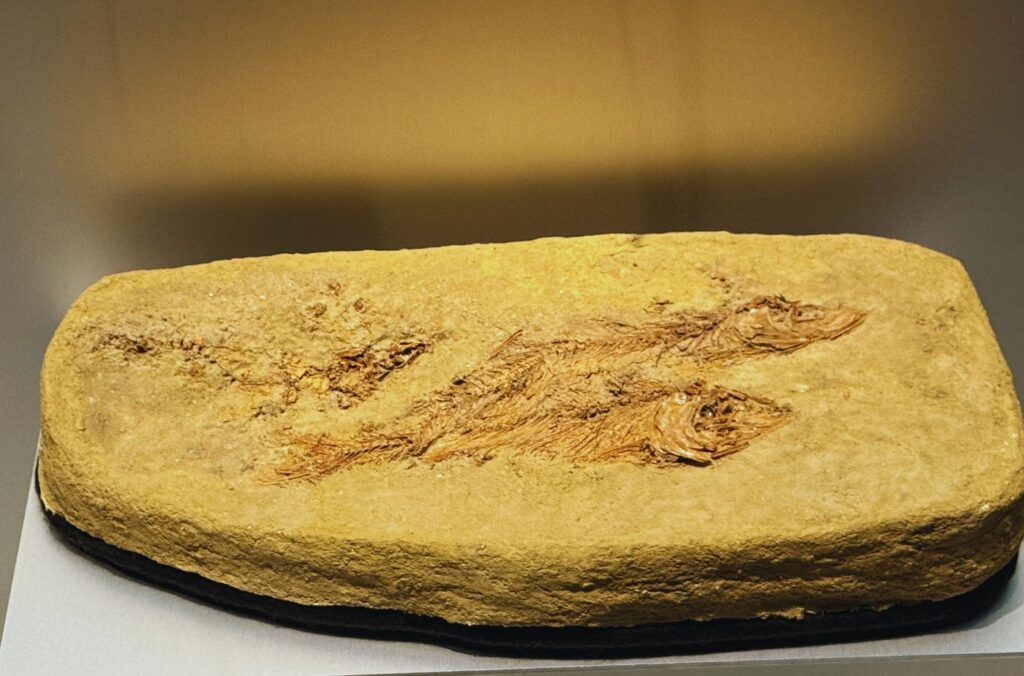
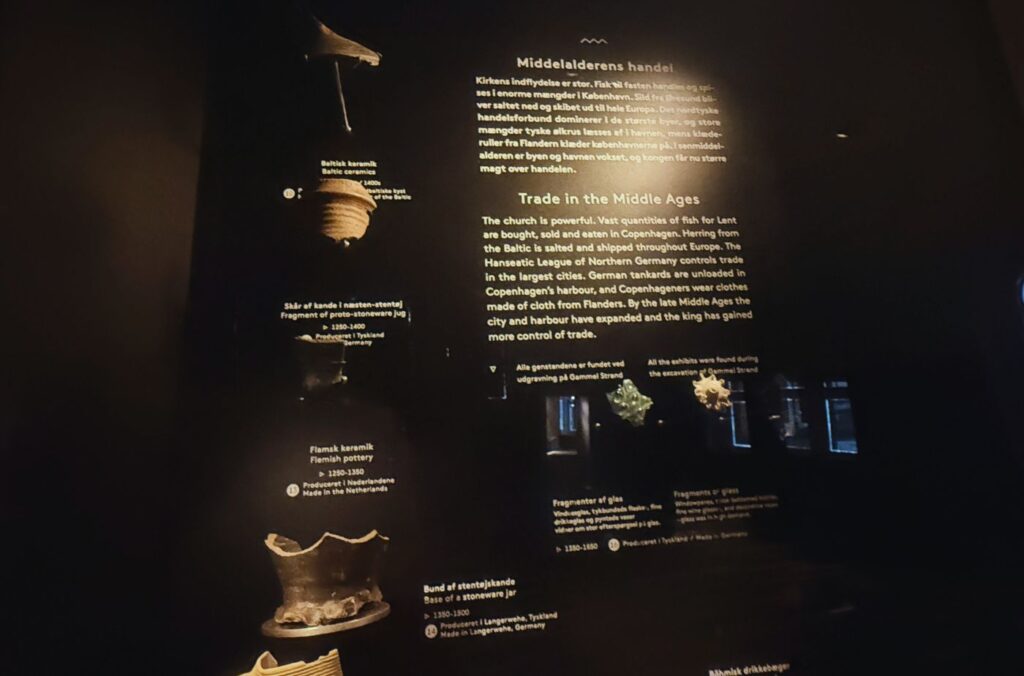
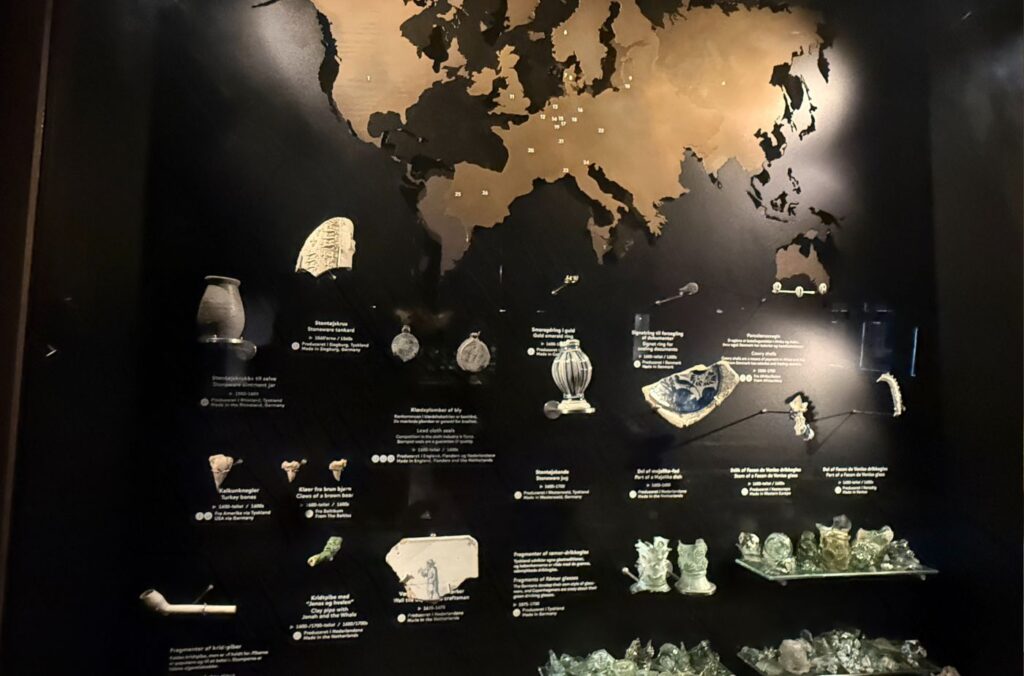
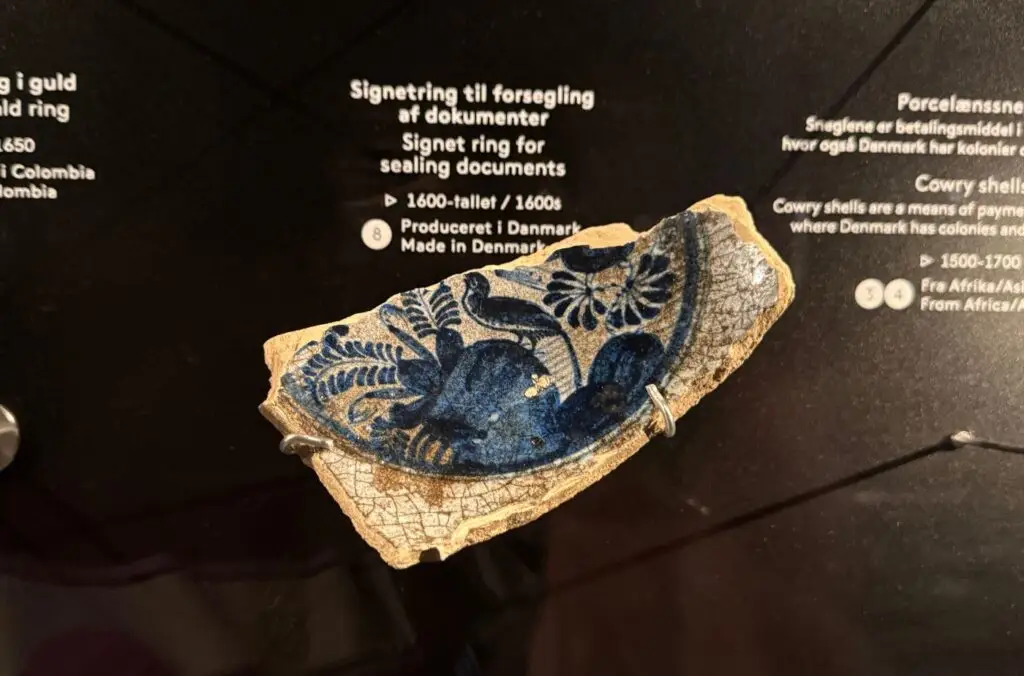
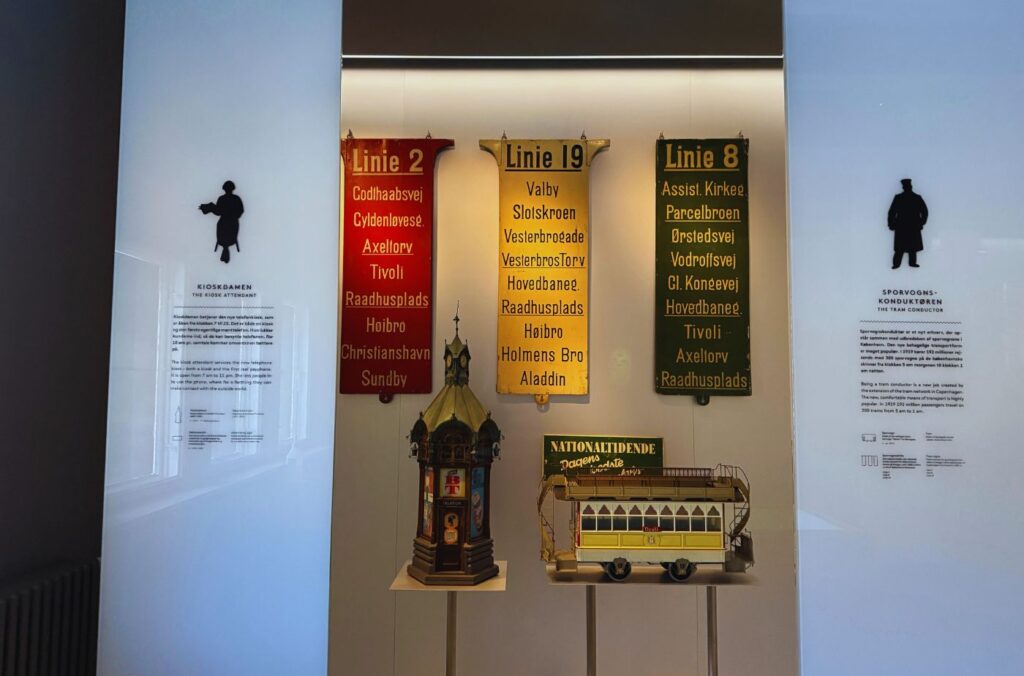
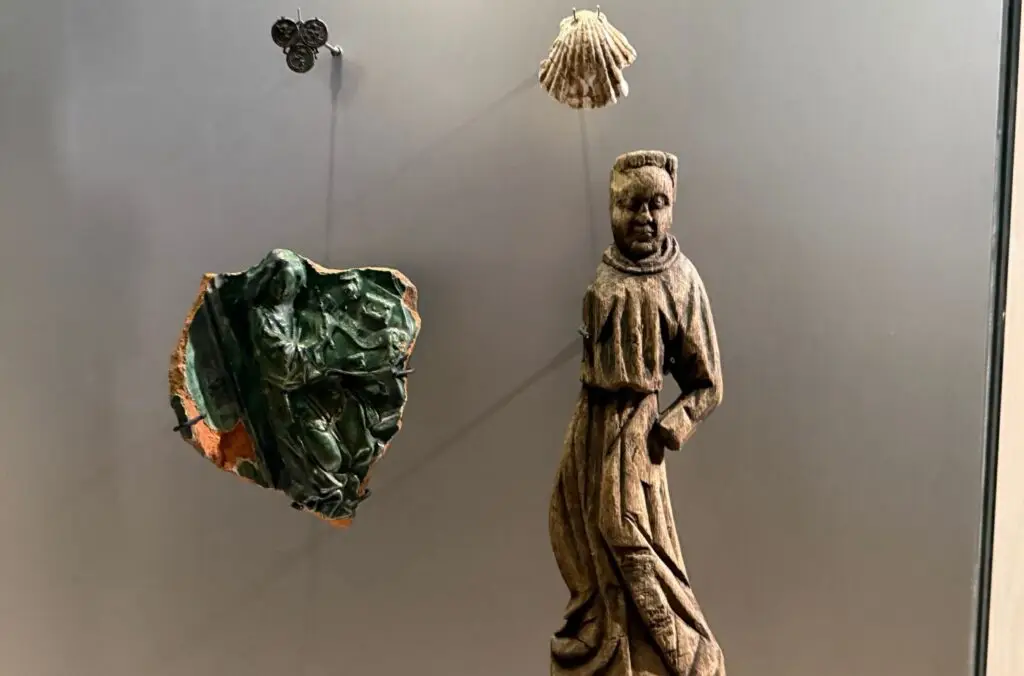
The Museum of Copenhagen is perhaps my new favourite in Denmark’s capital. When I visited in August 2025, I expected a small exhibition about the city’s development. Still, I got a very in-depth overview of how the city has evolved over the centuries. Housed in a beautiful building next to City Hall, the museum introduces you to the people, places and events that have made Copenhagen what it is today. From Viking Age traders and medieval merchants to World War II Resistance fighters and modern-day hippies, the museum brings the city’s stories to life in an informative and fun way for adult visitors.
The Museum of Copenhagen has over a century of its own history. It was founded in 1901under the name “Rådhusmuseet” (City Hall Museum) to preserve Copenhagen’s history when the old city was rapidly modernising. For the first few decades, the museum literally resided in Copenhagen’s City Hall attic, opening a permanent exhibition there in 1925. As the collection grew, a new space was needed – so in 1956 the museum moved into the Royal Copenhagen Shooting Society’s former mansion, an 18th-century building on Vesterbrogade. By 2010, the museum had rebranded as the Museum of Copenhagen, reflecting a broader, more modern outlook.
In October 2015, the museum closed to prepare for a major relocation and update. After a five-year hiatus, it reopened on February 7, 2020, at its new and current home close to City Hall Square. Returning to the city’s heart made it much more visible to visitors.
The Building
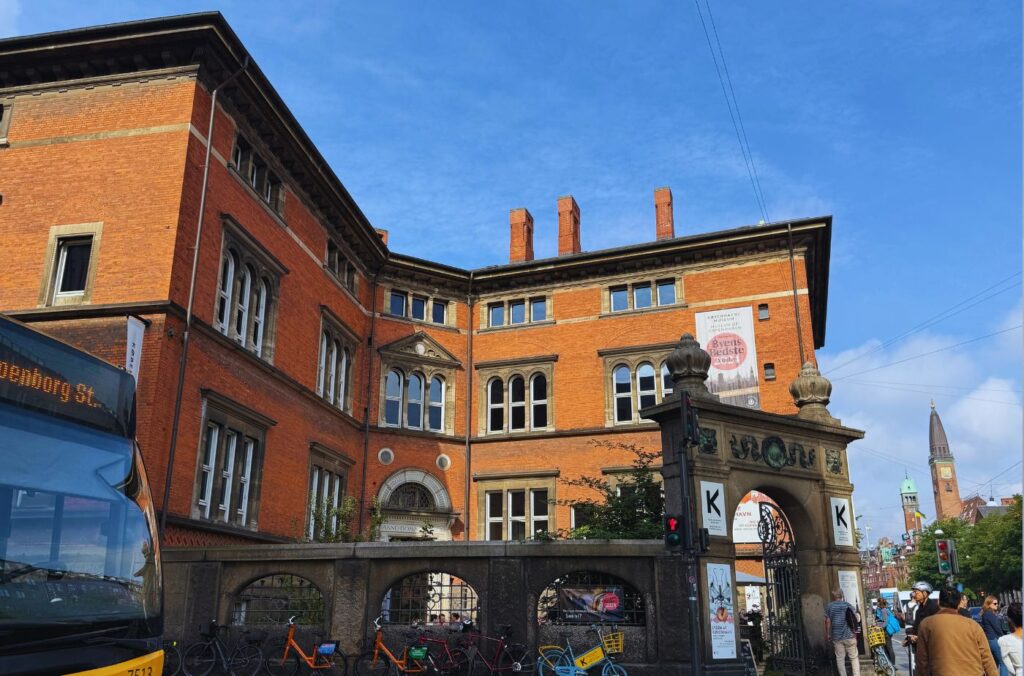
The building at Stormgade 18 is a historic attraction in its own right. Built in 1894 by architect Hans Jørgen Holm, it originally served as the Public Guardianship office, responsible for managing the finances of orphans and others in need. This late 19th-century brick edifice sits at the corner of Stormgade and Vester Voldgade, just south of City Hall. It features an unusual L-shaped layout enclosing a small courtyard behind a wrought-iron gate. During a comprehensive restoration before the museum’s opening, architects and conservators peeled back layers of modern modifications (like plaster ceilings) to reveal the building’s original ornate details.
Today, the building has been restored to its former glory, making you feel like you’ve entered a time capsule of 1890s Copenhagen. The architectural details tell a story about the building’s past everywhere you look. Keep an eye out for the motif of the three interlocking keys, which appears in ironwork above the entrance gate and throughout the interior décor. These keys symbolise the emblem of the guardianship institution – symbolising responsibility and trust. Another highlight is the magnificent stained-glass window lighting the main stairwell. Designed by artist Agnes Slott-Møller in the late 1890s, this window features women and children (the artist used her and her children as models) as a poignant reminder of the building’s original role in protecting the city’s most vulnerable residents. The grand staircase and lobby are adorned with hand-painted floral motifs, carved stone balusters, and a colourful glass mosaic on the landing – all carefully restored.
Exhibitions: Tracing Copenhagen’s Evolution and Culture
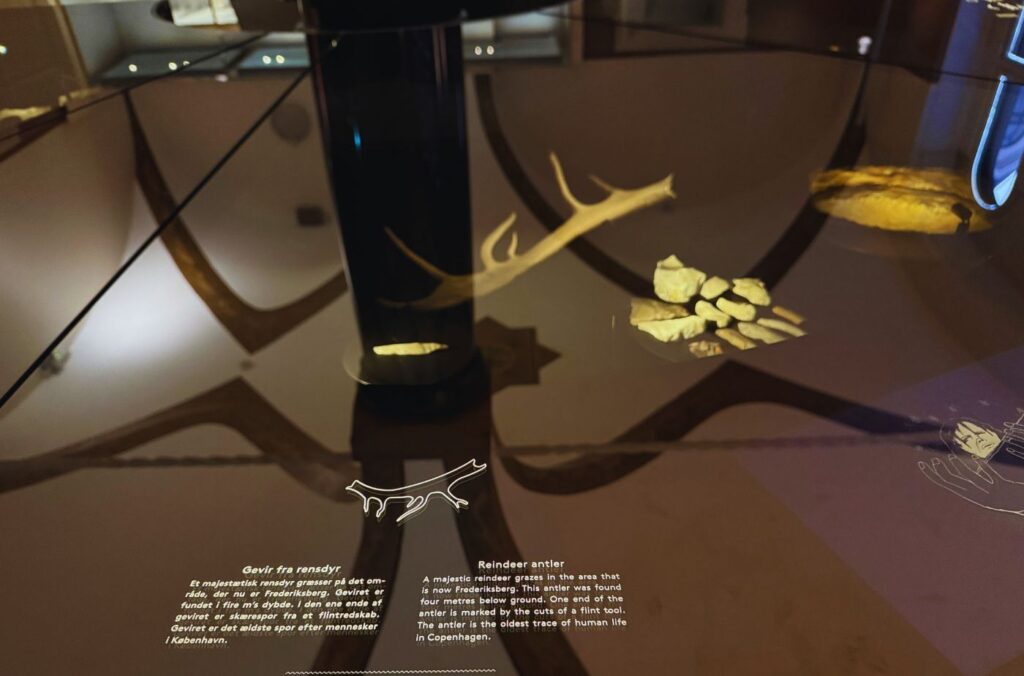
This is where I was most surprised – I wasn’t expecting such a well-laid, interactive museum! Beyond regular displays, the Museum of Copenhagen offers plenty of interactive and multimedia experiences to keep things engaging. You can listen to the sounds of old Copenhagen – the noise of busy harbours, the cries of street vendors, even the silence of wartime blackouts – in an immersive sound installation. There are touchscreens where you can, for example, try out the elaborate bowing greetings of the 1700s (imported from the French court – a bit of bygone etiquette). One exhibit tells the story of Morten Frederiksen, a notorious jail-breaker, who met his end at the Citadel – you can hear his story right near the spot where it happened centuries ago.
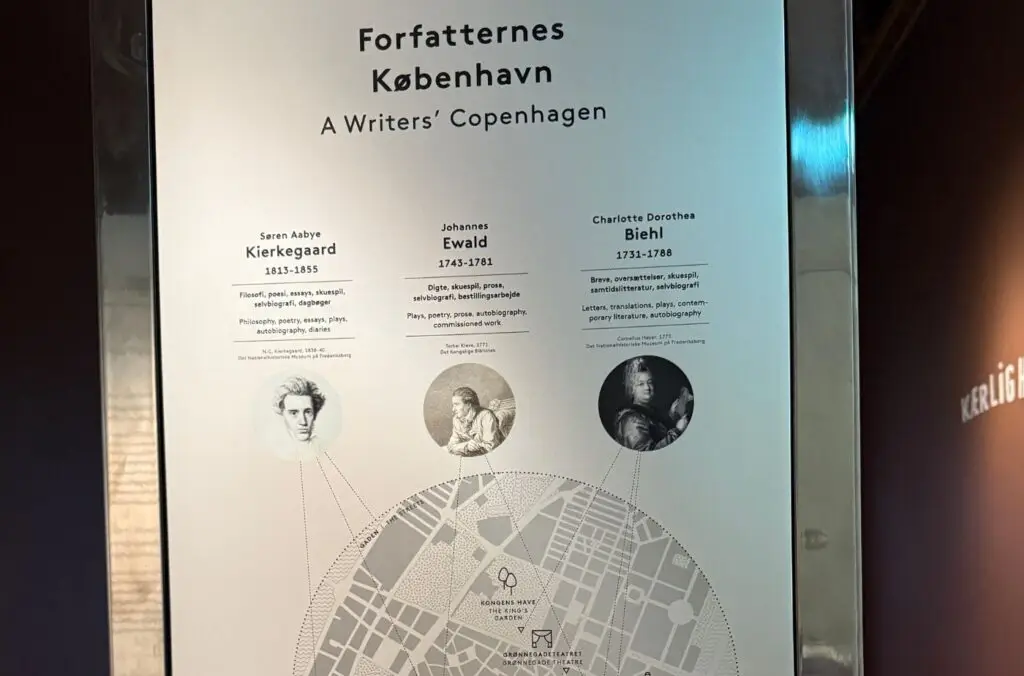
The museum also cleverly connects past to present: Contemporary Copenhageners appear in video interviews throughout the exhibitions, sharing what life in the city means to them today. Don’t miss the large-scale interactive model of the city—a huge digital map showing how Copenhagen grew over time.
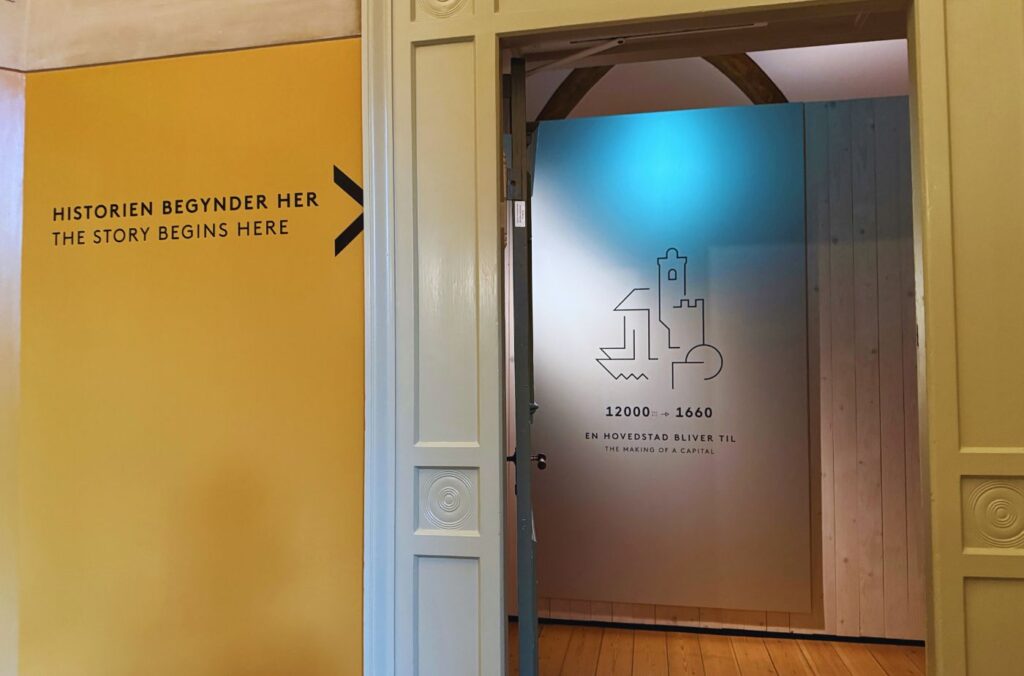
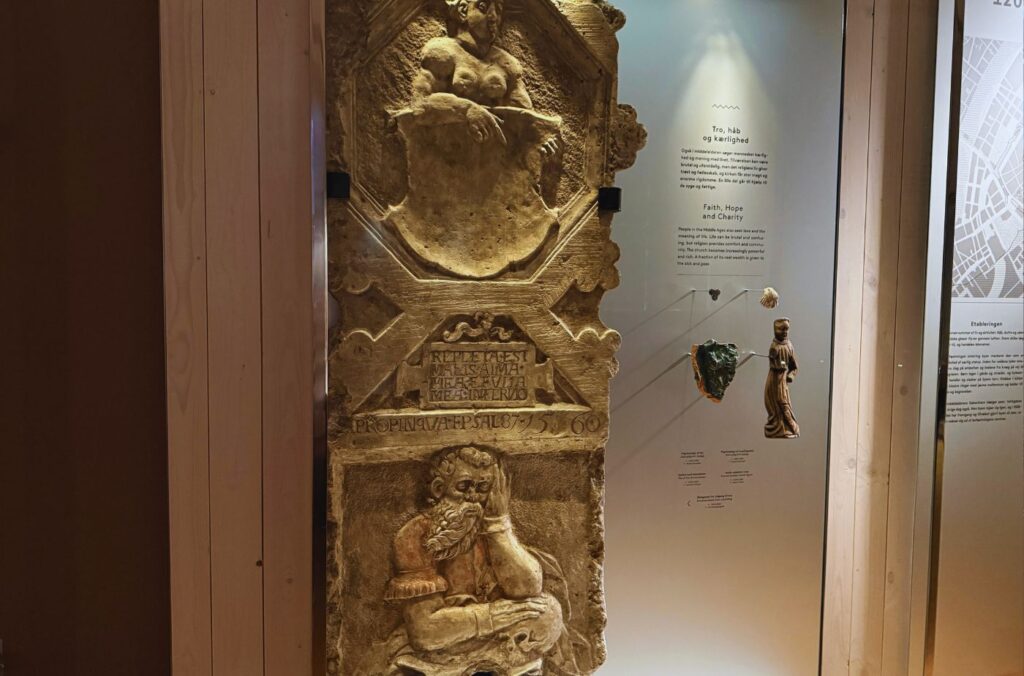
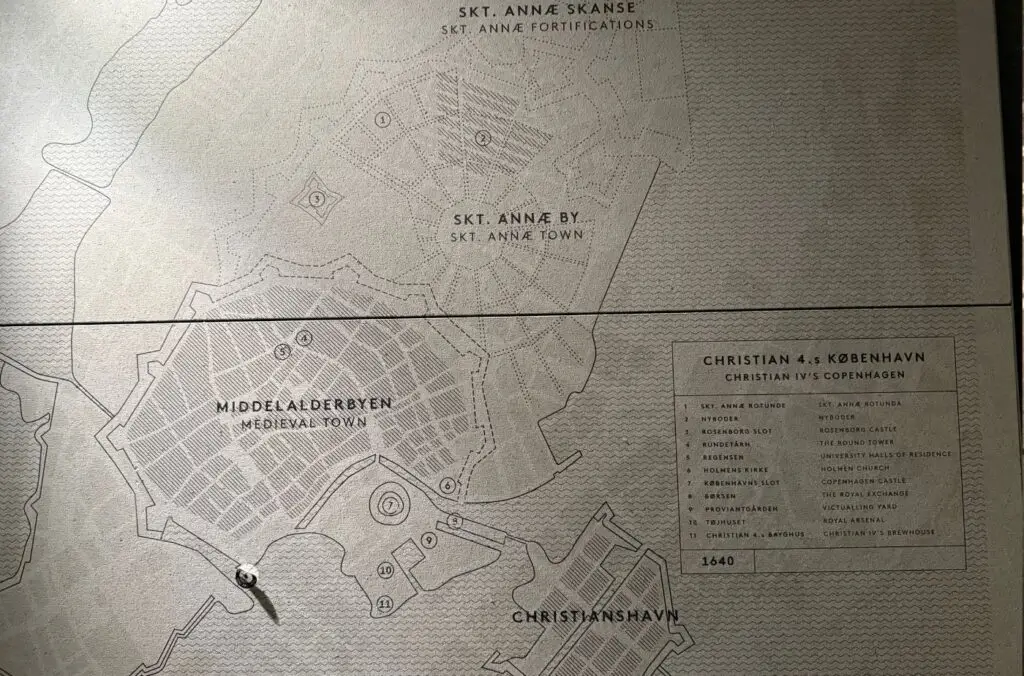
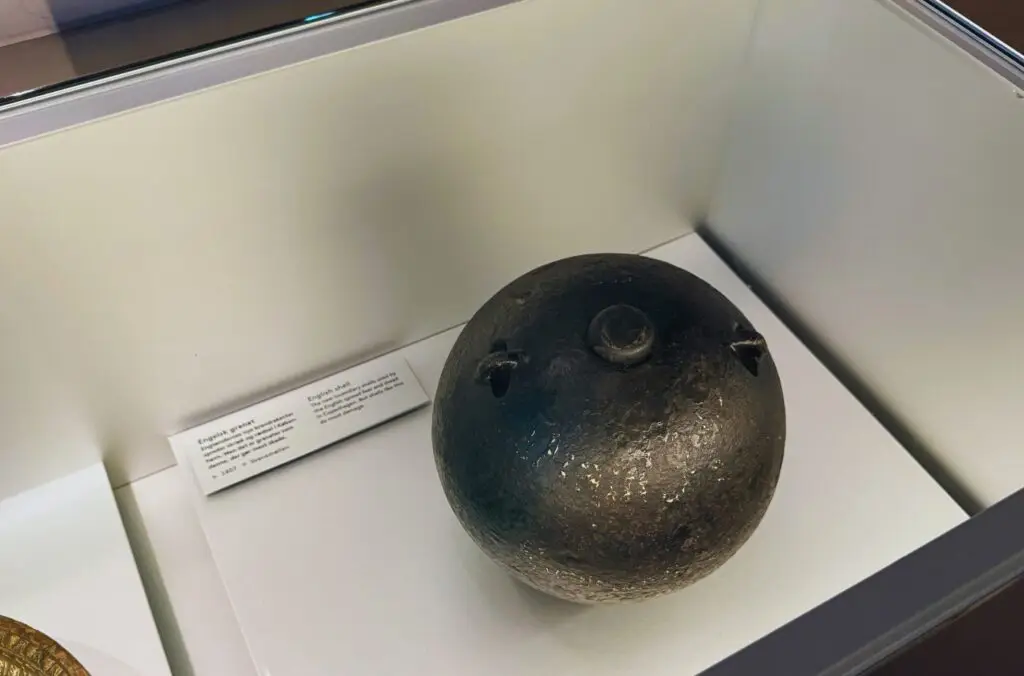
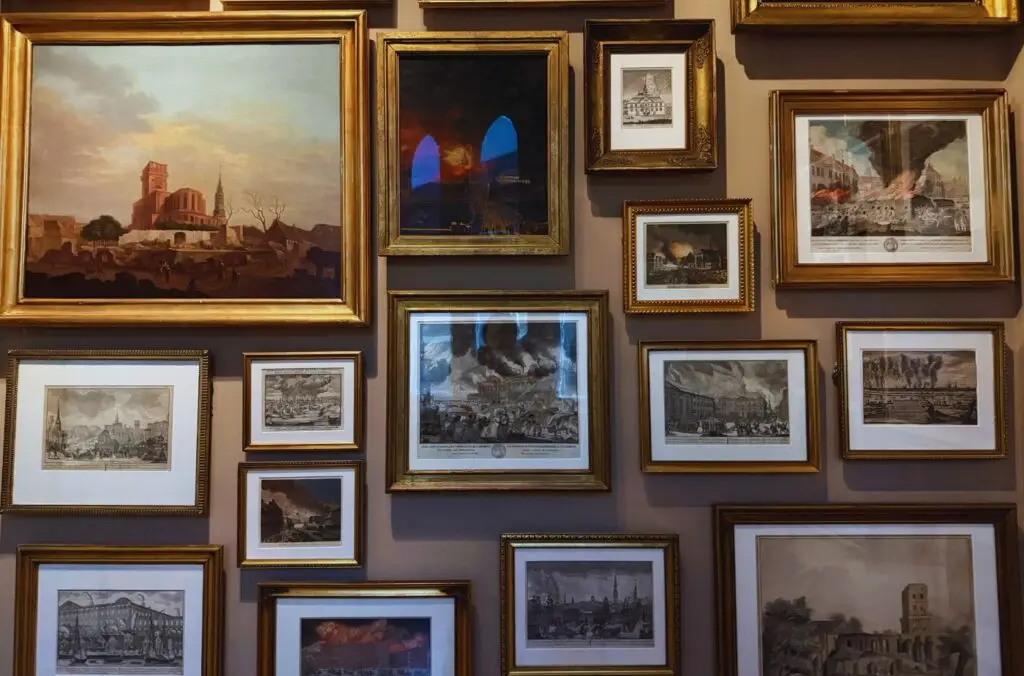
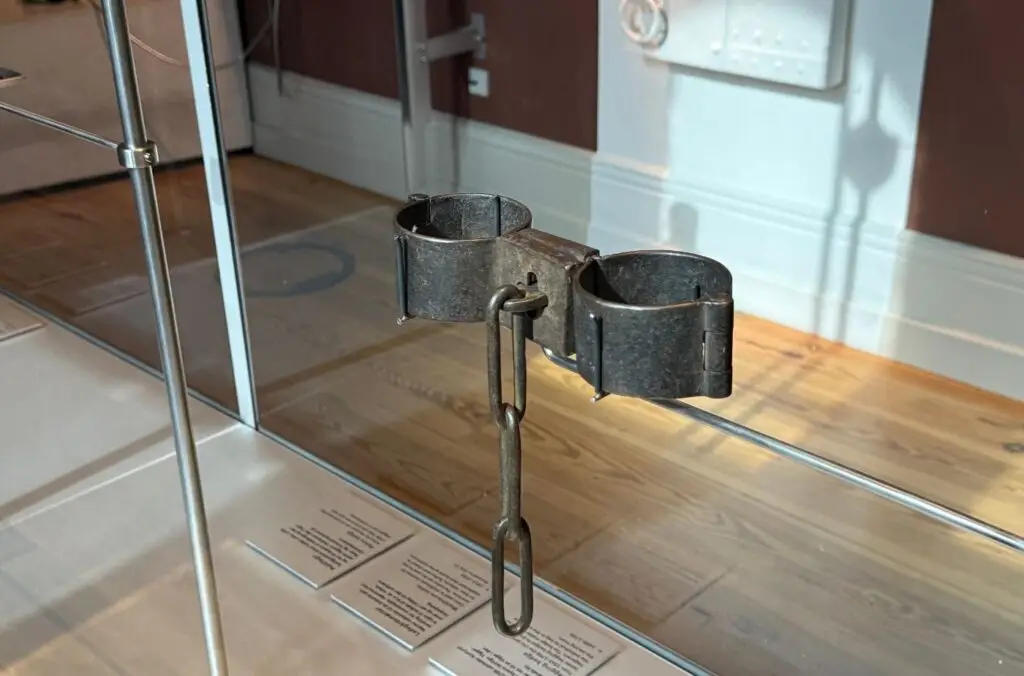
Beyond these enhanced exhibitions, there is also a fantastic leading exhibition tracing the history of Copenhagen from the beginning to the present day. The information is well laid out, and the city’s story is easy to follow. There are focused exhibitions on the early years of Copenhagen, the years under Christian IV, and the early 19th-century battles against England. The section on World War II is small, but that’s fine –an excellent Museum of Danish Resistance in Copenhagen focuses on the war. I always enjoy exhibitions showing how the city grew, and the various maps around the museum help piece together how Copenhagen became what it is today. I also really enjoyed the exhibition on crime and punishment – I’m so glad to be in the 21st century!
For those intrigued by urban archaeology, the museum’s Archaeological Workshop (located around the corner on Stormgade 20) sometimes opens for special events – here you can see archaeologists at work and even handle some recent finds from city construction sites. Though the workshop isn’t regularly open, it’s a reminder that Copenhagen’s history is still being uncovered beneath your feet. For example, museum staff have been involved in excavations for the new Metro.
Visiting the Museum
Opening Hours
The museum is open every day. The hours vary slightly each day; though it opens at 10am every weekday and closes at 5pm, except on Thursdays, when it closes at 8 pm. On weekends, the museum opens at 11 am.
Tickets
Please check the museum website for the most up-to-date information. On Wednesday, admission is free for everyone. Young people under 18 get free entry daily, and senior citizens get free entry on Tuesdays. Combo tickets are available—the museum ticket is valid for 48 hours, not just at the Museum of Copenhagen but also at the Thorvaldsens Museum and the Nikolaj Kunsthal.
If you have the Copenhagen Card, entrance to the museum is free.
The museum only offers private tours and provides guided tours of the city.
Location
The museum is located at Stormgade 18, in central Copenhagen. It’s about a five-minute walk from City Hall Square, and the Ny Carlsberg Glyptotek is only a few minutes away on foot. If you’re coming by public transport, the new Rådhuspladsen Metro Station is just around the corner.
Accessibility
The museum is committed to being accessible and comfortable for all visitors. It offers step-free wheelchair access, and a lift at the entrance and elevators inside provide access to all floors.
Cafe
The museum café “Spirrevippen” offers coffee, tea, cold drinks and light lunches or pastries. It’s a cosy little spot to recharge.
Shop
There is a small museum shop with local souvenirs. It was a nice shop, I wish there were a comprehensive book on the history of Copenhagen in English!
Garden
Just outside the building is a small front garden which is freely accessible. The garden is a charming spot with historical plants (they even cultivated flowers from seeds found in a 1700s latrine – a quirky example of bringing history to life).
Tips for Visiting
If you are in a rush, you can get through the leading exhibition in 45 minutes, but I plan to spend at least 1.5 hours here. I rushed through in about an hour, and I wish I had spent more time there. If you slow down a little bit, there are many surprising details.
Weekday mornings typically see school groups. I went as soon as the museum opened on a weekday, and there were about 30 kids in a class there. The museum isn’t great with sound, so I could hear them anywhere I went. I recommend coming in the afternoon on weekdays or possibly on weekends. On Thursdays, the extended hours offer an excellent opportunity for a calmer setting.
You can easily combine a visit to the museum with a visit to Copenhagen City Hall, where Jens Olsen’s World Clock is located. The National Museum of Denmark is right around the corner, which offers an extensive view of Danish history and culture. The Ny Carlsberg Glyptotek, a historic art museum, is located practically across the street.
References
Besides the official Museum of Copenhagen website and Wikipedia, these are the references I used when researching this article:
Visiting the Museum of Copenhagen is a rewarding experience for anyone interested in history, urban life, or Danish culture. It’s engaging and insightful, packing centuries of stories into a comprehensive museum. This museum is absolutely fantastic, and you come away with a greater appreciation and deeper understanding of Copenhagen beyond the usual tourist landmarks.
Although this museum isn’t the most famous in the city, it truly brings the city and its people to life, leaving you with a richer connection to the Danish capital. So add this museum to your visit!