Where to Store Luggage in Norway
Explore convenient luggage storage options in Norway’s major cities. Discover pricing and tips for Oslo, Bergen, and more.
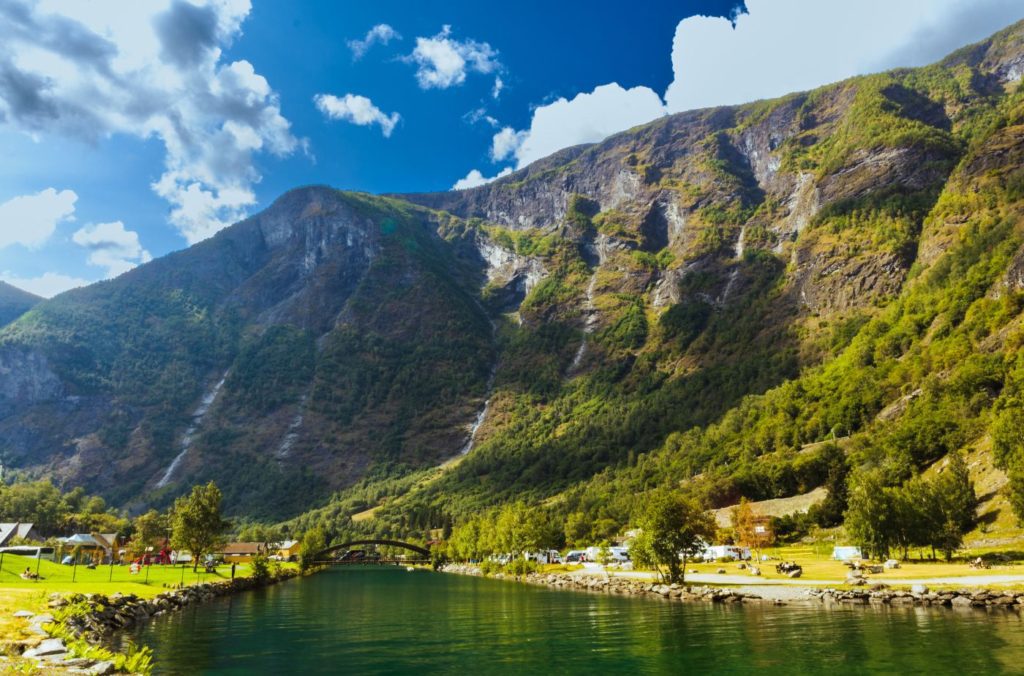
Flåm is a beautifully situated little village, but unfortunately it is no well-kept secret. In fact, Flåm is one of the most visited places in Norway. Because of its railway as well as major cruise port, millions of people pass through Flåm a year. Still, it is possible to enjoy Flåm should you choose to visit.
Latitude: 60.5 degrees north
Population: 300
Aurland Municipality
Here are some things that you must do and try in Flåm
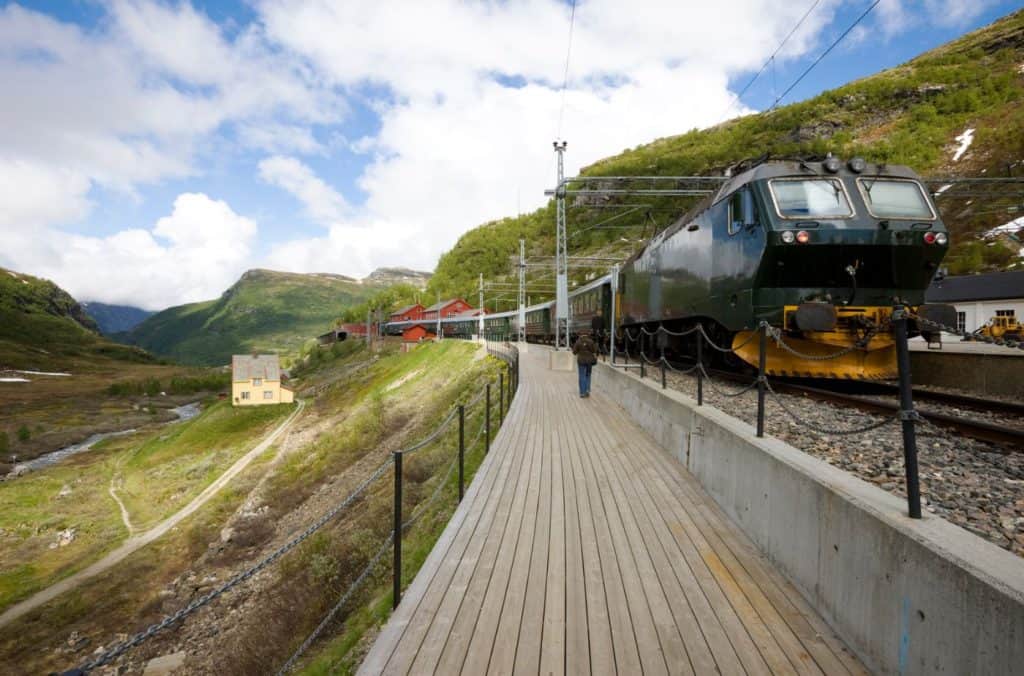
. The crown jewel of Flåm’s attractions is the Flåm Railway (Flåmsbana) – often hailed as one of the world’s most spectacular train journeys. This historic train ride climbs from sea level at Flåm up through the steep Flåmsdalen Valley to Myrdal station, 867 metres high, passing through 20 tunnels and alongside thundering waterfalls like Kjosfossen. At the waterfall stop, you can step off briefly to feel the mist and hear the roar. The journey’s dramatic mountain scenery has earned it accolades from National Geographic and Lonely Planet, and it operates in all seasons – offering green landscapes in summer and snow-dusted wonderland views in winter
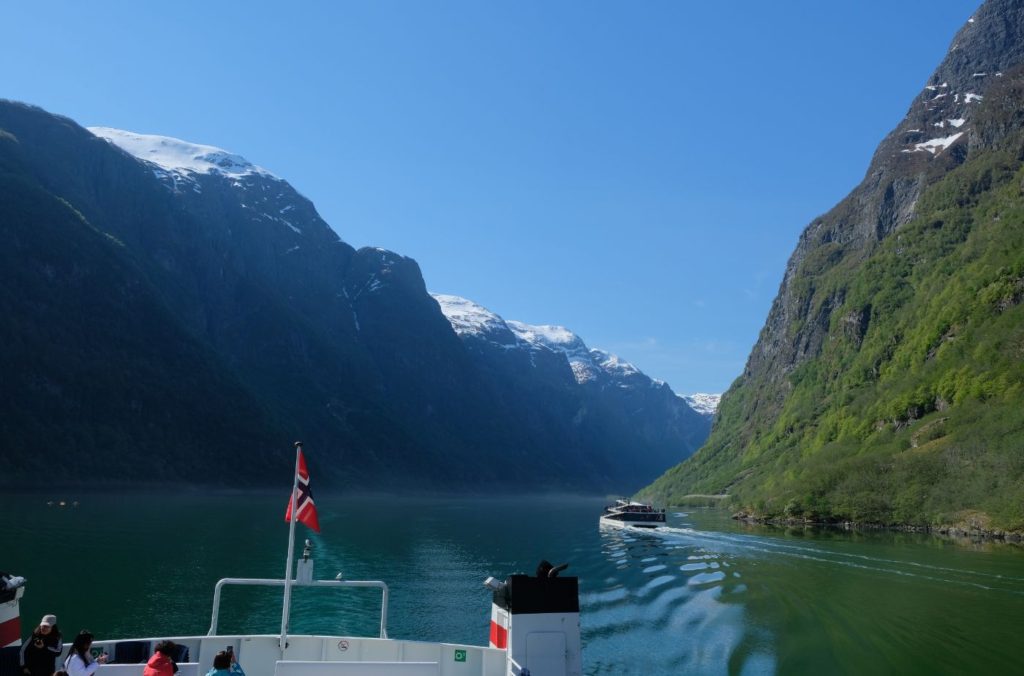
Another must-do is a fjord cruise on the Nærøyfjord, a narrow branch of the Sognefjord that is so uniquely beautiful it’s protected as a UNESCO World Heritage site. Boats depart from Flåm and glide between near-vertical cliffs toward the village of Gudvangen, giving you an up-close look at waterfalls spilling down the rock walls and tiny farms clinging to ledges. Even in winter the fjord remains ice-free and magical, often shrouded in mist with snow on the peaks.
For a more adrenaline-pumping fjord experience, you can join a FjordSafari RIB boat tour to race across the water and spot wildlife, or paddle a kayak along the calm fjord surface. Either way, the fjord’s grandeur is unforgettable, with scenery so striking it will “give you the memory of a lifetime”.
Here’s an overview of some of the best things to see and do in Flåm
The Flåm Railway Museum (housed in an old station building) is free to enter and showcases the story of the railway’s construction and its impact on the area. You can see vintage locomotives and exhibits detailing how engineers carved those 20 tunnels by hand – an impressive feat completed in 1940.
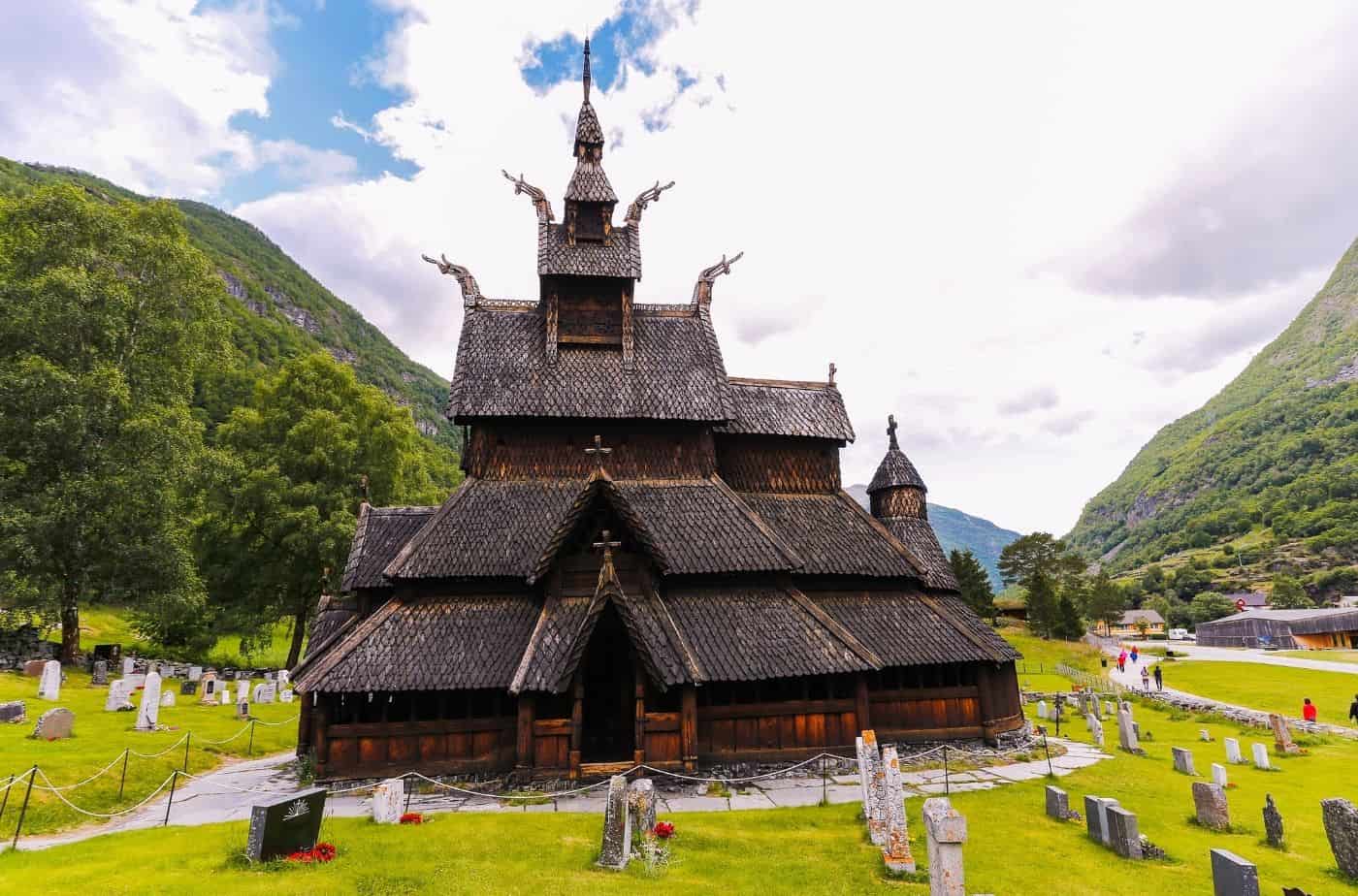
Located about a 45 minute drive away, Borgund Stave Church is arguably the most famous stave church in Norway.
Otternes Farm is an outdoor museum of 18th-century farm buildings perched overlooking the fjord. The cluster of 27 log houses at Otternes – some dating to the 1700s – gives a glimpse into traditional rural life, and the site sometimes offers guided tours and a farm café in summer.
Looking to go for a hike or take part in a unique experience? Here are my recommendations!
Please note – the links provided are affiliate links. I only recommend experiences that I have researched and/or tested and focus on providing unique, local things to do!
Rallarvegen is a scenic road that was originally constructed to get the workers of the railway up and down the mountain. It’s very popular to bike the road, but you can also hike it. Many buy a ticket for the railway and then cycle back down.
Join a guided bus tour that will take you to Stegastein Viewpoint & Borgund Stave Church.
Njord is a local company that offers kayaking trips on the Aurlandsfjord. I recommend one of their tours.
A favourite short walk is the Brekkefossen Waterfall Hike, which starts just 20 minutes on foot from Flåm’s centre. This trail climbs a steep path (with steps in places) through birch woods for about 30–45 minutes to a viewpoint by the roaring Brekkefossen falls. It’s a moderate effort – roughly 160 metres of elevation – but rewards hikers with panoramic views over Flåm village, the valley and Aurlandsfjord below. The trail can be a bit muddy, but in summer it’s a family-friendly hike, and in winter it can still be done with good boots if conditions permit (just be cautious of ice).
For more ambitious adventurers, consider the Flåmsdalen Valley hike or cycle. Many visitors take the Flåm Railway up to Myrdal station and then hike or bike the route down to Flåm. This follows the old Rallarvegen (“Navvies’ Road”), a gravel maintenance road alongside the train tracks that winds 20 km downhill through tunnels and past waterfalls. Walking the entire way down takes around 4–6 hours through superb scenery, from alpine terrain at Myrdal (866 m above sea level) down to orchards near sea level. Cycling is even more popular – you can rent a bike and freewheel most of the way, tackling 21 hairpin bends on the steepest part of the descent
In Flåm you’ll find a floating sauna called Fjord Sauna. Here you can warm up and relax while gazing at the fjord from their large window. Inside the sauna is a hole in the floor with a ladder you can climb down for a refreshing dip or jump into the fjord from the dock surrounding it. Those who want an adrenaline rush can also jump off the roof of the sauna. You can either join their communal sauna time slots or book a private sauna session. The sauna seats up to 12 people, and there is a small changing area outside where you can change in and out of swimming clothes.
Flåm Zipline is the longest zipline in Northern Europe and the fastest. It zooms through the Flåm Valley, starting at Vatnahalsen. The zip-line reaches speeds of up to 100km (60 miles) per hour! To reach the zip-line, take the Flåm Railway to Vatnahalsen. The top zipline station is by the railway. The zip-line ends at Kårdalen in the Flåm valley, and from there you can rent bikes and cycle down to Flåm in one hour or enjoy the 3-4 hour long downhill hike through the valley.
Follow our road-trip guides for scenic trips around Flåm
Follow this self-guided trip between Oslo and Bergen on the E16, one of the major highways in the country. The road is built close to where the historic postal road from the 17th century went, and parts of the old road are still visible and today a hiking trail. That’s why along the way you’ll see stave churches and runestones. There’s also some charming towns and local markets to stop at, turning a long drive into an exciting one!
We currently do not have any self-guided walks available in Flåm
Watch our YouTube videos featuring Flåm
Here’s a timelapse of the Flåm to Gudvangen fjord cruise.
Although today Flåm is bustling with tourists in summer, it was once a secluded farming settlement with roots going back many centuries. The name “Flåm” means “plain” or “flat piece of land” – describing the little river valley where the village lies at the fjord’s end. People have lived in this area since Viking times, farming the valley and fishing the fjord. By the 17th century, Flåm had its own church – the modest wooden Flåm Church built in 1670, which still stands today. This church replaced an even older medieval stave church, indicating Flåm’s long-running importance as a local parish for the surrounding farms.
For most of its history, travel to Flåm was primarily by boat, as the steep mountains made overland journeys arduous. The fjords were the highways of western Norway, and until the 20th century, reaching Flåm from the outside world meant arriving on a ship or undertaking a challenging trek over the mountains.
The dawn of tourism in Flåm can be traced to the late 19th century, when adventurous European travellers (especially English and German) began coming to see the fjords. By the 1880s, Flåm was a stop for steamship cruises, and a few local guesthouses were hosting intrepid visitors. The village’s evolution accelerated with the coming of the Bergen–Oslo Railway in 1909, which ran high above Flåm but didn’t yet have a branch line down to the fjord. In 1908, Norway’s parliament approved building the Flåm Line railway to connect Flåm with the main line at Myrdal.
Construction began in the 1920s, and the project was an extraordinary feat of engineering for its time – workers spent two decades carving out tunnels and creating a spiralling rail bed that could handle the extreme gradient. By 1940, the Flåm Railway opened, first for freight and then for passengers.
This provided a vital transport link for Flåm’s residents, who until then had relied on boats or footpaths for mail and travel. It also laid the groundwork for future tourism: what began as a practical transport route soon became a famous sight in itself as word spread of the line’s dramatic scenery.
Through the mid-20th century, Flåm remained a small agricultural community. The fertile valley and hillsides were used for goat farming, fruit orchards, and hayfields. In fact, just up until 1996, local farmers at places like Otternes were still running their farms in the traditional way without modern machinery. However, tourism steadily grew. By the 1960s, cruise ships had begun anchoring in the fjord (they were too large to dock, so passengers would tender ashore).
The original Fretheim Hotel, established in the late 1800s, expanded to welcome more international guests, offering a comfortable stay amid the wild nature. The Norway in a Nutshell tour – a popular packaged daytrip including the Flåm Railway and fjord ferry – started bringing many visitors from the 1980s onward. In 2000, Flåm built a new pier that allowed large cruise ships to dock directly, and tourism truly boomed. Today, nearly half a million people visit annually, far outnumbering the roughly 350 residents of Flåm.
The Flåm Railway Museum (opened in 1998) and other initiatives preserve the area’s heritage, showcasing how the village transformed from a quiet farming hamlet into a world-renowned travel destination. Visitors can still sense old Flåm in the church and in preserved farmsteads, even as modern Flåm buzzes with sightseeing trains and fjord cruiseboats.
Modern Flåm is a fascinating blend of a small-town community with big-time tourism infrastructure. On one hand, Flåm remains a tiny village – the year-round population is only a few hundred, and in the off-season it’s a tranquil place where everyone knows everyone. Children attend school in the nearby municipal centre of Aurland, and many locals still maintain traditions like farming sheep or goats on a small scale in the surrounding hills. On the other hand, Flåm has developed amenities far beyond a typical village of its size, all geared towards hosting visitors. The harbour can accommodate up to three large cruise ships at a time, and in peak summer months, as many as 160 cruise ships call into Flåm.
On those days, the village’s population swells dramatically with thousands of passengers coming ashore, and the once sleepy pier becomes a bustling mini-city of tour groups and shuttle buses. The Flåm Railway alone now carries around 1 million passengers each year, making it one of Norway’s most popular tourist attractions. This influx has turned tourism into the main economic lifeblood of Flåm – most locals work in hotels, restaurants, guiding, or running adventure companies, and many families have converted barns to summer cafés or opened small souvenir shops.
Fly: No airport.
Drive: Flåm lies along the E16 highway, the main road between Oslo and Bergen. Driving from Oslo takes around 5–6 hours and from Bergen about 2.5 hours (without stops). The journey by car is stunning, especially if you detour onto the Snow Road (Aurlandsfjellet) between Aurland and Lærdal in summer. That old mountain road climbs to 1300 m with panoramic viewpoints and snowdrifts even in July
Train: By Train: Many travellers reach Flåm via the famous Flåm Railway. If coming from Oslo or Bergen, you first take the mainline Bergen Line to Myrdal station, then transfer to the Flåm Line train which descends to Flåm. The connection is seamless – for example, from Bergen it’s about a 2-hour train ride to Myrdal, then under 1 hour down to Flåm.
Ferry: Traveling to Flåm over water is a spectacular approach. From May through September, a daily Norled express boat runs from Bergen, stopping at villages like Balestrand and arriving in Flåm in about 5.5 hours
Once in Flåm, getting around is simple. The village itself is tiny – you can walk from one end to the other in 10–15 minutes. In fact, walking is the primary way to explore the immediate area. For nearby villages, bus routes connect Flåm to Aurland (7 km away) and Gudvangen (20 km) via the E16. These are small public buses or shuttles; schedules vary by season (more frequent in summer). For example, a bus runs up to the Stegastein Viewpoint above Aurland several times daily in summer – it’s a steep road with hairpin bends, so many tourists opt for the bus tour to reach the 650 m high platform and admire the fjord view safely.
The Mall of Norway is one of the largest souvenir shops in the country and has anything and everything. Their outdoor clothing is actually pretty reasonably priced, and here you’ll find the big brands for sale.
For more authentic local products, keep an eye out for food specialties. A must-try (and great gift) is the goat cheese from Undredal. Undredal, a tiny village across the fjord, is famous for its brown goat cheese which has a sweet, caramelised taste. Many shops in Flåm sell vacuum-packed blocks of this geitost and sometimes a white goat cheese too.
You might also find locally smoked salmon or trout vacuum-packed for travel – delicious souvenirs from the fjords. If you have a sweet tooth, look for Flåm-made chocolate or locally baked cookies; some are stocked in the visitor centre shop or the bakery. Another unique stop is the Ægir Brewery’s shop, tucked next to the brewpub. Here you can buy bottles of their craft beer to take away (they often have special brews not served on tap), as well as merchandise like t-shirts with Viking motifs or drinking horns as quirky souvenirs. If you venture 10 minutes to Aurland village, you’ll discover the Aurland Shoe Factory and outlet. This is the home of the original “Aurlandskoen” penny loafer – a hand-made leather moccasin first crafted here in the 1930s, which inspired the classic penny loafers worn worldwide. The little factory store allows you to see the shoemakers at work and purchase a pair of genuine Aurland shoes – a truly special keepsake that’s both wearable and historic
Cafes & Bakeries
Flåm Bakery, the village bakery, is a favourite stop for locals and visitors. Open year-round, this cozy bakery serves freshly baked bread, sweet pastries, cinnamon buns, and simple lunches. It’s the ideal spot to grab a coffee and a skillingsbolle (cinnamon roll) in the morning, or even a personal-sized pizza or sandwich for lunch.
Casual Eateries
Closer to the harbor, Furukroa is a convenient family-friendly spot between the railway station and cruise pier. It offers a broad menu (think salads, sandwiches, Norwegian meatballs, and daily specials) in a casual self-service style – great for a quick meal between activities.
In the evenings, one of the most popular venues is Ægir BrewPub, Flåm’s iconic craft brewery pub. Built in the style of a Viking stave church with dragon-headed roof peaks and a roaring fireplace inside, Ægir Pub offers a unique atmosphere to enjoy a pint. They brew a range of craft beers on site – from citrusy IPAs to dark ales – and their kitchen serves hearty fare like venison burgers, beer-braised pork ribs, and even desserts made with stout. Many recipes incorporate their beers, such as an amber ale bread or a stout-based sauce
High End & Unique Eats
Restaurant Arven within Fretheim Hotel focuses on locally sourced, seasonal ingredients.
All my hotel recommendations are based on research and experience. I don’t recommend somewhere unless I think it is wonderful! The Hidden North focuses on accommodation that provides good quality for price or offer local or unique experiences.
Lodges & B&Bs
Flam Marina and Apartments has some unique self-catering apartments.
Chains & Mid-Range
High End & Unique Properties
Flåmsbrygga Hotel is located by the pier and has some nice rooms with superb vistas.
Click here to view rates & book
Fretheim Hotel is the hotel in Flåm. This historic property is a large reason for Flåms growth as a tourist destination.
Explore convenient luggage storage options in Norway’s major cities. Discover pricing and tips for Oslo, Bergen, and more.
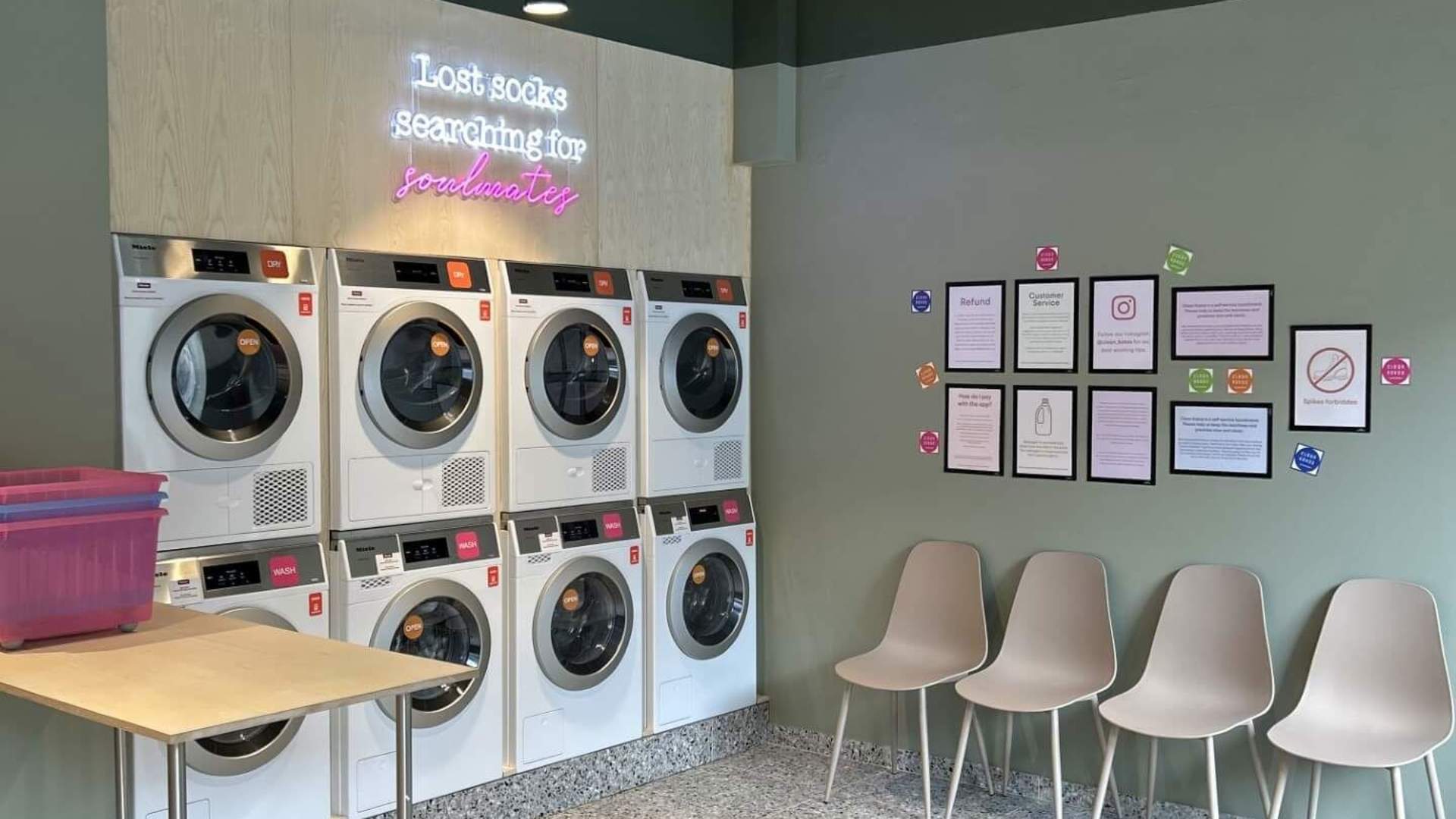
Find the best laundromat in Norway to do your laundry while traveling. Discover tips for fresh wardrobe maintenance on the go.
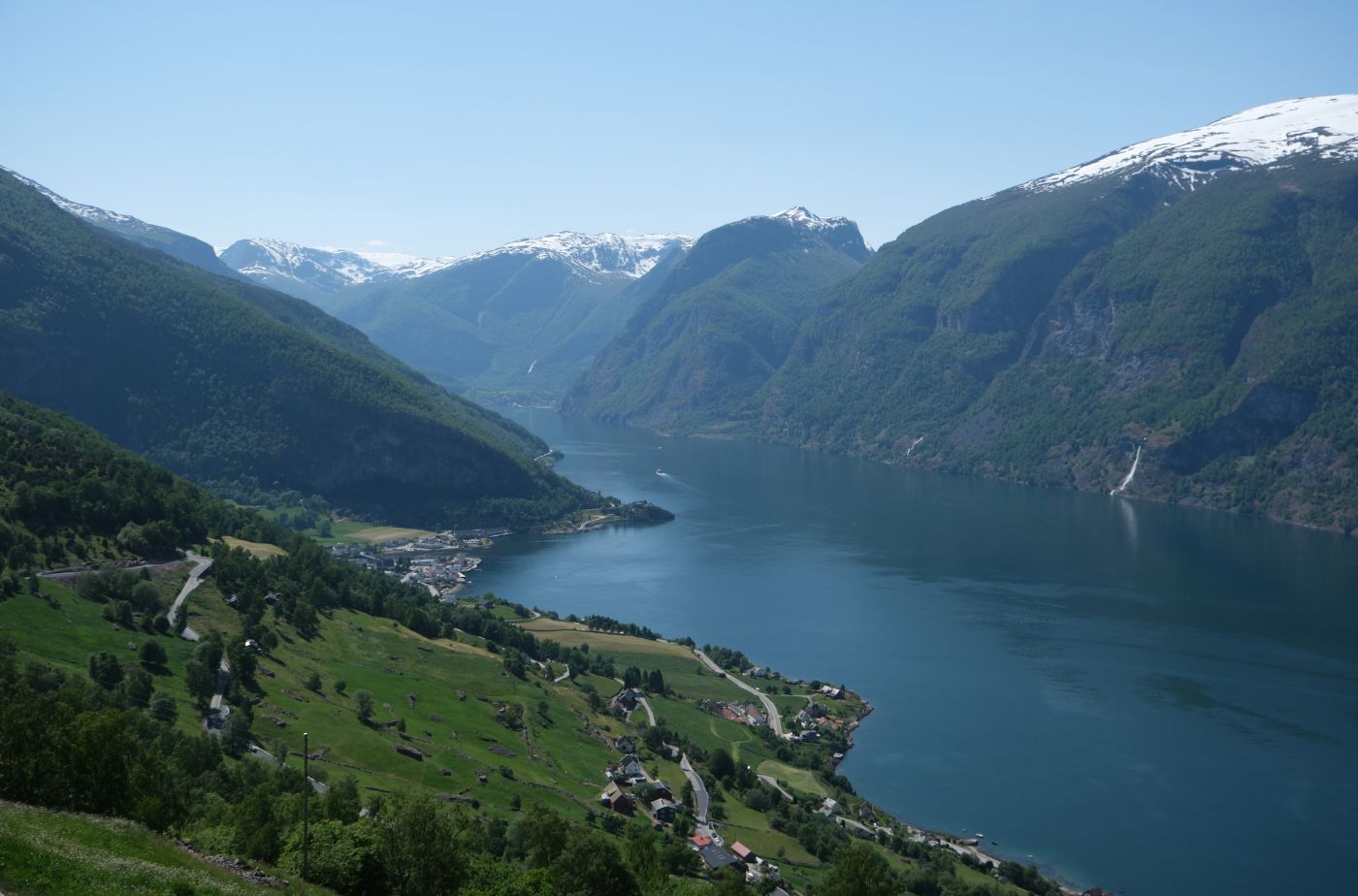
Here’s my itinerary for the perfect seven-day Norwegian fjord road-trip.
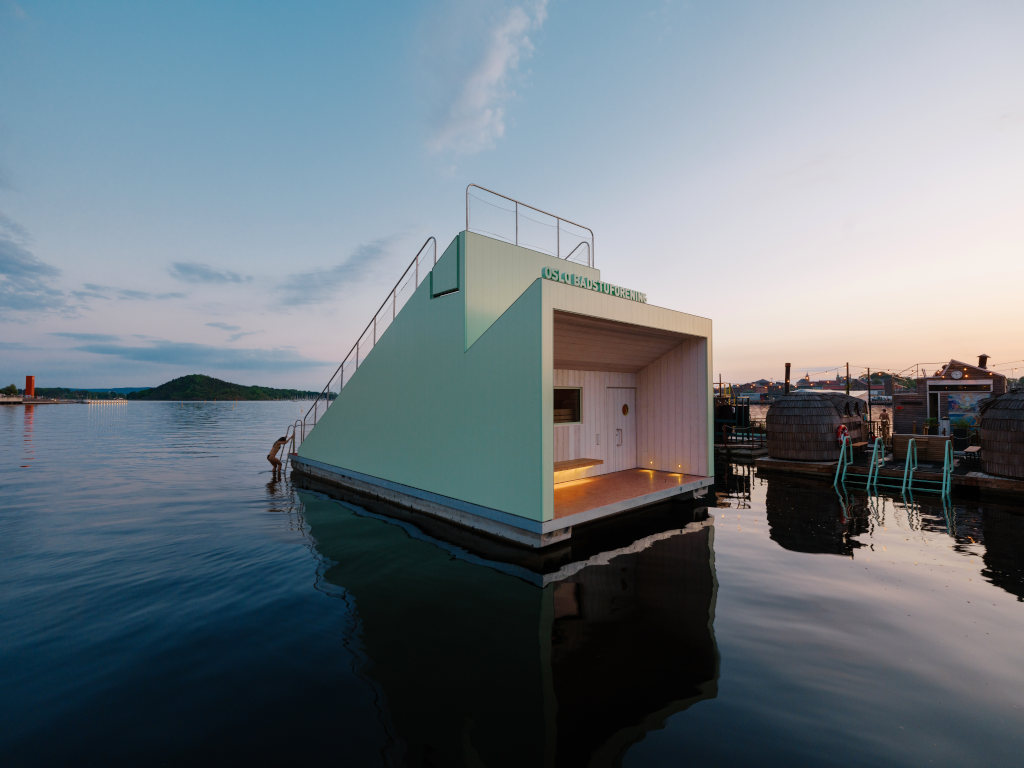
Here’s my overview of where you can find saunas in Norway, and how the whole process works!

Choose the best place to stay in Flåm based on my years of experience!
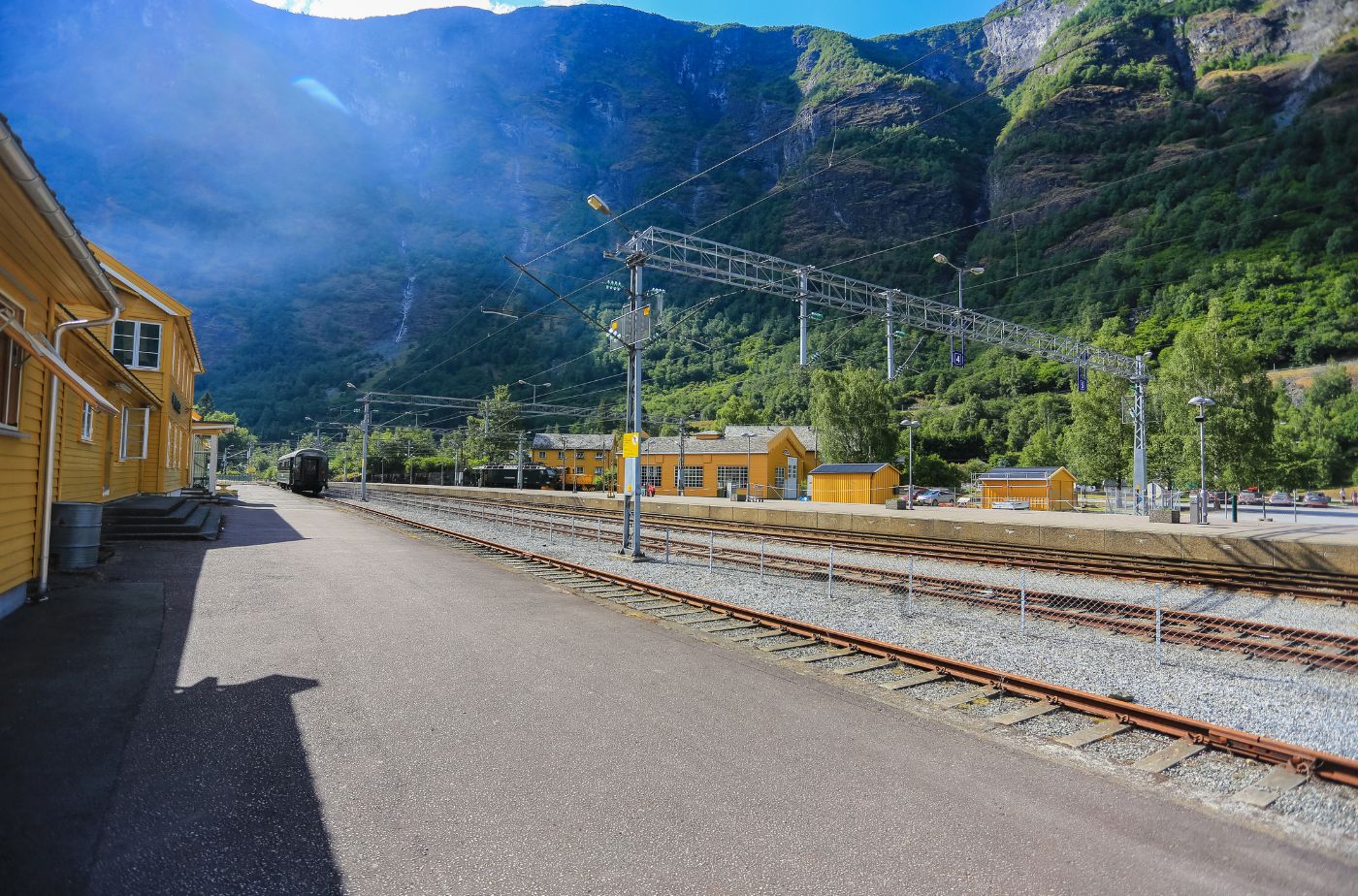
Here’s my complete guide to the popular Norway in a Nutshell daytrip!